












By Sophia Richards
The first time I set up a rice bin on my kitchen floor, I lasted about four minutes before I started sweeping. My youngest was two, elbow-deep and blissful, and I was hovering with a dustpan like the rice was going to press charges. It took me an embarrassingly long time to realize the mess was not the side effect. The mess was the lesson.

Sensory play is one of those parenting phrases that sounds like it requires a Pinterest board, a laminator, and a spare afternoon. It doesn’t. At its simplest, sensory play is any play that lets a child explore the world through touch, sight, sound, smell, movement, and balance. A bowl of dry oats and a measuring cup counts. So does a puddle. I spent years as an early childhood educator watching this kind of play do more for focus, language, and self-regulation than any worksheet I ever handed out, and then I spent years at home with three kids of my own confirming it, usually while holding a broom.
Below is what sensory play actually does, how to set it up without dreading cleanup, and 25 simple ideas you can pull off with things already in your kitchen. No special kits required.
What Sensory Play Actually Is
Table of Contents
We tend to think of five senses, but children are working with more than that. Alongside sight, sound, smell, taste, and touch, there’s the vestibular sense, which governs balance and where the body is in space, and the proprioceptive sense, which is the feedback muscles and joints give when a child pushes, pulls, carries, or squeezes. That’s why a kid who seems wound up often settles after carrying a laundry basket or hanging upside down off the couch. They’re not misbehaving. They’re seeking input.
Sensory play is simply play that deliberately feeds those channels. Pouring water. Squishing dough. Digging in dirt. Running fingers through something cold, or rough, or slippery. As ZERO TO THREE explains, sensory experience is how babies and young children take in and make sense of the world long before they have the words to describe it. Every scoop and spill is data.
The reason it works so well is that it is genuinely open-ended. There’s no right answer to a bin of dried beans, which means there’s no way to fail at it, which is exactly why anxious and perfectionist kids often relax into it faster than they relax into anything else.
Why Sensory Play Is So Good for Growing Brains
When a child pinches, pours, and transfers small objects, they are quietly building the hand strength and pincer control that later shows up as holding a pencil and using scissors. I could always tell in September which of my students had spent a summer digging, building, and squeezing things.
It’s also enormous for language. A bin of textures gives you a natural reason to say gritty, smooth, freezing, sticky, heavier, underneath. The American Academy of Pediatrics notes in its work on the power of play that when babies explore an object, they’re behaving like little scientists, using their senses to work out how the world behaves. That exploration is the foundation everything else gets stacked on, a point echoed in our own look at the surprising importance of play.
Then there’s the part that saves parents on hard days: sensory play is regulating. Repetitive, predictable input like pouring, kneading, or swirling water tends to settle a revved-up nervous system. It’s the same principle behind why adults find washing dishes weirdly soothing. On days when everything feels loud, this is often the fastest reset I know, and it pairs well with the strategies in our guide to helping kids manage big emotions.
It also buys real, uninterrupted attention span. A good sensory setup can hold a toddler for twenty minutes and a preschooler for closer to forty, which in my house was long enough to actually finish a cup of coffee while it was still warm.
How to Set Up a Sensory Bin Without Dreading the Cleanup

Here is my whole sensory bin system, and it took me three kids to get this simple.
Contain it first. Put an old flat sheet or a shower curtain liner under everything. When you’re done, you lift the four corners and funnel the spills straight back into the sensory bin. This one habit is the difference between sensory play happening weekly and sensory play happening once.
Go shallow and wide. An under-bed storage box or a large baking tray beats a deep bucket. Kids can see everything, reach everything, and knock over less of it.
Use a filler you already own. Dry rice, oats, dried beans, pasta, flour, cornmeal, shredded paper, cotton balls, ice cubes. None of it needs to be dyed or themed.
Add three tools, not thirty. A scoop, a container to fill, and something to transfer with. Measuring cups, muffin tins, tongs, funnels, a turkey baster. Too many options actually shortens the play.
Set the boundary out loud, once. “The rice stays in the bin. If it comes out, we’re done for today.” Then follow through calmly the first time, because you’ll only have to do it once or twice.
Make cleanup the last game. A dustpan and a small brush handed over with real enthusiasm gets you a surprisingly willing helper. This is the same trick that works for age appropriate chores generally, and it starts younger than most of us expect.
Store the whole sensory bin, tools included, with a lid on. A setup you can pull out in ninety seconds is a setup you’ll actually use on the afternoon you need it most.
25 Simple Sensory Play Ideas
These sensory play ideas are grouped by what they’re good for, so you can pick based on the kind of day you’re having. Most cost nothing, and every one of them uses things you likely already own.
Scooping, Pouring, and Digging
1. Classic rice bin. Dry rice, cups, spoons, and a few small toys buried inside. The gold standard sensory bin, for a reason.
2. Dried bean dig. Bury plastic animals or coins and hand over a slotted spoon to excavate them.
3. Oat and cinnamon bin. A shake of cinnamon turns dry oats into a scent experience. Smells like a bakery, sweeps up like oats.
4. Pasta scoop-and-sort. Different shapes and a muffin tin. Sorting by shape sneaks in early math without anyone noticing.
5. Kitchen tong transfer. Move pom-poms or cotton balls from one bowl to another with tongs. Boring to describe, weirdly addictive to do, and excellent for hand strength.
Water Play

6. Sink or float. A basin of water and a tray of household objects. Guess first, then test. This is a real experiment, and preschoolers take it very seriously.
7. Baby doll bath. Warm water, a washcloth, a squirt of gentle soap. Nurturing play and sensory play at once.
8. Ice rescue. Freeze small toys in a bowl of water overnight, then hand over warm water, a spoon, and salt to free them.
9. Car wash. Muddy toy cars, a bin of soapy water, and an old toothbrush. Somehow this holds up for an hour.
10. Paint with water. A bucket and a wide brush on a fence, deck, or sidewalk. Zero mess, and the disappearing paint is half the magic. It’s one of my favorite summer activities for kids when it’s too hot to think.
Dough, Squish, and Stretch

11. Homemade playdough. Flour, salt, water, oil, and cream of tartar. Making it is a sensory activity in itself, complete with measuring and stirring.
12. Scented dough. Knead in dried lavender, cocoa powder, or a little vanilla. Scent is a powerful memory hook.
13. Cloud dough. Eight parts flour to one part oil. It’s silky, it holds a shape, and it feels like nothing else in the house.
14. Cookie cutter press. Set out cutters, a rolling pin, and plastic knives and step back. Adults suggest; kids invent.
15. Bread dough. Let them punch down and knead a real batch. Kids who help make food are often more willing to eat it, which can be one small lever for picky eater toddler moments.
Outdoor and Nature

16. Mud kitchen. Old pots, a muffin tin, a bucket of water, and permission. Set it up once and it earns its keep for years.
17. Nature texture hunt. Collect something rough, something smooth, something soft, something bumpy. Then sort the haul on the porch steps.
18. Barefoot path. Walk a line of grass, then gravel, then a towel, then wet sand. Great vestibular and tactile input, and it makes kids laugh.
19. Puddle science. Rain boots, a stick, and a puddle. Where does the water go? Which puddle is deepest? This is my emergency plan on grey days, alongside our other rainy day activities for kids.
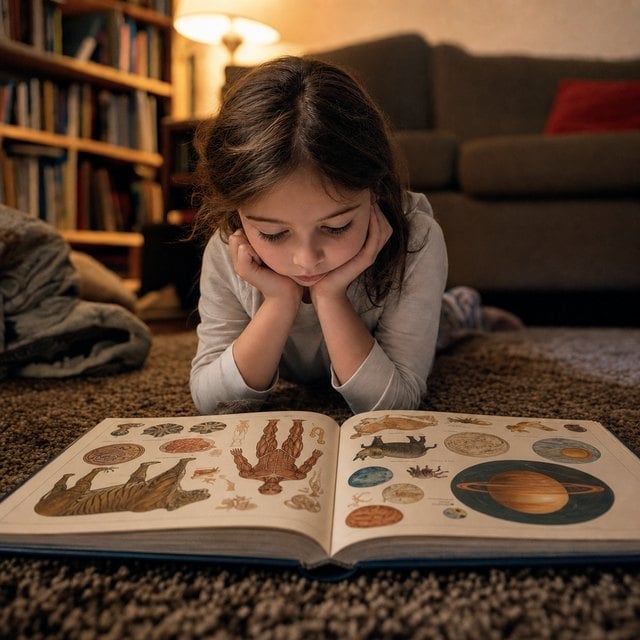
20. Garden dig patch. Fence off one square of dirt that’s theirs to dig, plant, and wreck freely.
Calm-Down and Quiet Sensory Activities

21. Calm-down bottle. A clear bottle with water, clear glue, and glitter, sealed shut. Shake it, then watch it settle. Many kids will breathe in time with it without being asked.
22. Heavy work jobs. Carrying groceries, pushing a laundry basket, wall pushes. Proprioceptive input is the quiet workhorse of self-regulation.
23. Warm bath with a twist. Add ice cubes, cups, or a few drops of food coloring. Same tub, entirely new activity.
24. Blanket burrito. Roll them snugly in a blanket, hot dog style. Deep pressure is genuinely soothing for a lot of kids.
25. Sound jars. Fill small sealed containers with rice, beans, and coins. Shake, listen, match the pairs. It’s calm, it’s quiet, and it sharpens listening.
If you’re looking for more structure than free play, our list of learning activities for preschoolers layers nicely on top of these.
Sensory Play by Age
Babies, roughly 6 to 12 months. Keep it edible and supervised. Cooked pasta on the high chair tray, a bowl of water with a washcloth, crinkly fabric, a mirror. Everything goes in the mouth at this stage, and that mouthing is legitimate exploration. ZERO TO THREE’s guidance on playing with babies and toddlers is a good companion here.
Toddlers, 1 to 3. Peak dump-and-fill years. Expect everything to end up on the floor at least once. Choose taste-safe fillers, keep sessions short, and don’t take the dumping personally.
Preschoolers, 3 to 5. Now you can add story and pretend. The rice bin becomes a construction site; the water bin becomes soup. This is where the science of play really shows up, because they’re stacking imagination on top of sensation.
School age, 5 and up. Older kids still need this, they just want it to feel less babyish. Slime chemistry, baking, real gardening, woodworking, clay. The AAP’s reminder that play is how children learn doesn’t expire at kindergarten. It’s also one of the more reliable ways to pull a kid off a screen without a fight, which we get into in our guide to how much screen time for kids is reasonable.
Safety Rules I Never Skip
Sensory play is low risk, but it isn’t no risk, and a few rules are worth being rigid about.
Always supervise. Especially with water and with anything small. Never leave a young child alone with a water bin, even a shallow one, even for a moment.
Watch small parts with under-threes. Dry beans, small beads, and water beads are choking hazards for children who still mouth objects. If your child puts everything in their mouth, stick to taste-safe fillers like cooked pasta, oats, or plain yogurt.
Skip water beads for young children entirely. They expand after being swallowed and have caused serious injuries. I don’t use them with the under-five crowd, full stop.
Check for allergies. Wheat flour, oats, and nut shells all show up in sensory recipes. Read your own family’s list first.
Dump standing water immediately. The bin gets emptied when play ends, not later.
It’s also worth periodically checking that the toys in the bin haven’t been recalled, which you can do through our regularly updated product recall alerts for parents.
When Your Child Hates Getting Messy
Some kids recoil from sticky, gritty, or slimy textures, and pushing them into messy play backfires every time. I’ve watched a well-meaning grown-up plunge a crying child’s hands into finger paint “to get used to it,” and all it taught was that the sensory table is a place where nobody listens to you.
Go sideways instead. Offer a tool so hands stay clean, since a spoon or tongs lets a hesitant child join the messy play at their own distance. Start with a dry sensory bin before you go wet, because rice and pasta are far easier entry points than slime. Keep a towel right there in plain sight, which removes the trapped feeling. Let them watch you do it first without any invitation to join. And absolutely let them opt out, because interest usually shows up within a few weeks once the pressure disappears.
Head Start’s guidance on designing messy play makes the same point: the adult’s job is to lower the barrier, not to insist on participation. For a child who’s cautious across the board, our guide to helping an anxious child pairs well with this.
When It Might Be More Than a Preference
Most texture avoidance is ordinary and passes. Occasionally it’s part of a bigger pattern worth mentioning to your pediatrician, particularly if your child is extremely distressed by everyday sensations like clothing tags, haircuts, or bath time; if sensory reactions regularly derail eating, sleeping, or getting dressed; if they constantly seek intense input by crashing, spinning, or chewing non-food items; or if any of this is interfering with daily life or how they get along with other kids.
None of these mean something is wrong with your child. They just mean an occupational therapist might have tools that make everyday life easier for your whole family, and getting that support early tends to make things smoother, not harder.
A One-Week Sensory Play Starter Plan
If the whole thing feels like one more task, try this. Twenty minutes a day, no prep beyond what’s already in your pantry.
Monday: Dry rice or oat bin with cups and spoons.
Tuesday: Water play in the sink with a few kitchen tools.
Wednesday: Make playdough together, then play with it.
Thursday: Outside. Mud, puddles, or a texture hunt.
Friday: Ice rescue, or sink and float.
Saturday: Something in the kitchen. Kneading, mixing, pouring.
Sunday: Calm-down bottle and quiet sound jars before bed.
By the end of the week you’ll know which two your child actually loves, and those two become your defaults. That’s the whole goal. Not a rotating curriculum, just a couple of reliable ways to hand your child something absorbing and let them get on with it. A few more shortcuts like this live in our collection of parenting hacks.
I still sweep rice out of the corners of my kitchen. I’ve made my peace with it. Somewhere in the middle of those messy afternoons, three kids learned to concentrate, to describe what they were feeling, and to settle themselves down. That trade was never close.
Frequently Asked Questions
What is sensory play?
Sensory play is any play that lets a child explore through their senses: touch, sight, sound, smell, and taste, plus balance and body awareness. Scooping dry rice, pouring water, squishing dough, and digging in dirt all count. It is open-ended, which means there is no wrong way to do it, and that is a big part of why children relax into it so easily.
What age can a child start sensory play?
You can start in infancy with supervised, taste-safe materials such as cooked pasta on a high chair tray, a shallow bowl of water with a washcloth, or crinkly fabric. Toddlers love dump-and-fill sensory bins, preschoolers add pretend play and storytelling, and school-age kids stay engaged through baking, slime chemistry, gardening, and clay.
What are the easiest sensory play ideas for toddlers at home?
Start with a dry rice or oat bin, cups and spoons, and an old sheet underneath to catch spills. Water play in the kitchen sink, homemade playdough, and an ice rescue with small toys frozen in a bowl of water are all simple wins. You do not need a kit; a filler you already own plus three tools is genuinely enough.
My child hates getting messy. Should I push them?
No. Forcing a child into messy play usually makes the avoidance stronger. Offer a spoon or tongs so their hands stay clean, start with dry materials before wet ones, keep a towel visible, and let them watch you first. Most children join in on their own within a few weeks once the pressure is removed.
Are water beads safe for sensory bins?
Water beads are not safe for babies, toddlers, or preschoolers. They expand after being swallowed and have caused serious injuries, so skip them entirely with young children and stick to taste-safe fillers like oats, cooked pasta, or plain rice with close supervision. Always check that toys added to a sensory bin have not been recalled.
Related Articles
- The Surprising Importance Of Play
- The Science Of Play Time
- Fun Learning Activities For Preschoolers
- Rainy Day Activities For Kids
- How To Help Kids Manage Big Emotions
- How Much Screen Time For Kids
- Parenting

Meet Sophia Richards Sophia Richards is an early childhood educator, passionate writer, and the proud mom of three energetic kids. With a degree in Education and over a decade of hands-on classroom experience, Sophia bridges the gap between professional teaching strategies and everyday family life. At More4Kids, she translates complex child development concepts into practical, actionable parenting tips that families can use at home.
Whether she is sharing positive reinforcement techniques, educational crafts, or honest reflections on the chaos of raising three children under one roof, Sophia’s goal is to empower parents to foster resilience and joy in their kids. When she isn't writing or lesson planning, you can find her organizing neighborhood scavenger hunts or trying out new kid-friendly recipes.
Areas of Expertise: Early Childhood Education, Positive Parenting, Sibling Dynamics, Educational Play, Family Wellness.

Add Comment