













By Sophia Richards
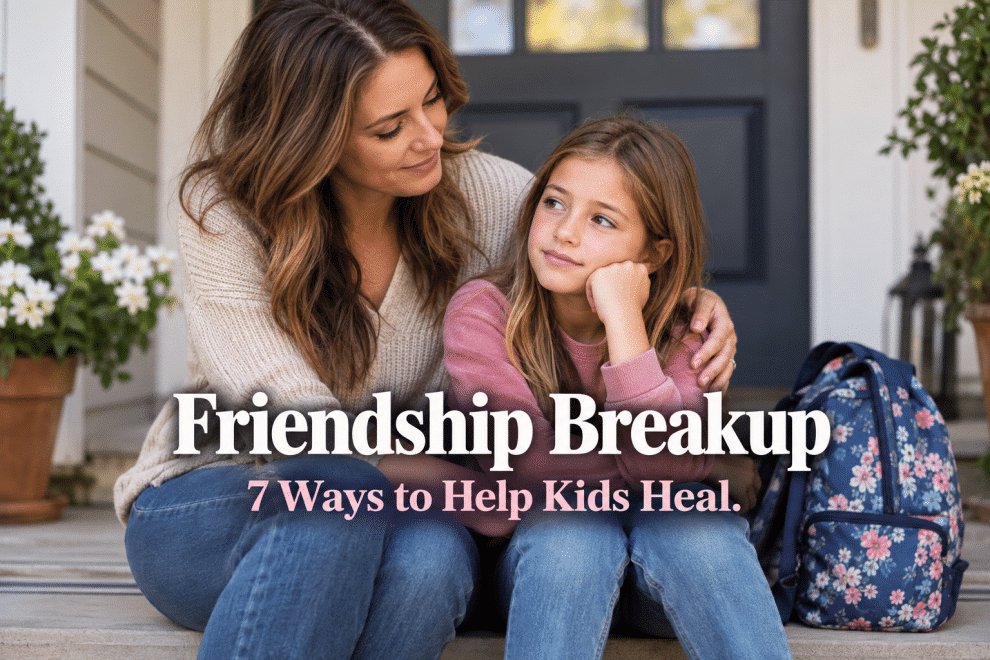
The first time one of my kids came home and said, very carefully, “I do not think we are friends anymore,” I was not ready for how much it would land in my own chest. There was no dramatic hallway scene to fix. No teacher had called. No one had a scraped knee. Just a child standing in the kitchen with a backpack still on, trying hard not to cry because a friendship that had felt safe yesterday suddenly did not.
A friendship breakup can look small from the outside. Adults may hear it and think, They will make another friend by Friday. Sometimes they will. But in the moment, a child may feel rejected, embarrassed, replaced, confused, angry, or all of those at once. A best friend sits with someone else at lunch. A group chat goes quiet. A neighbor friend stops knocking. A child who used to save a swing suddenly says, “I want to play with them now.” To kids, friendship is not background decoration. It is where they practice belonging.
The American Academy of Pediatrics reminds parents that children do not usually learn the fine art of friendship without support and role-modeling. That sentence has stayed with me. It gives parents a steadier job than swooping in or shrugging it off. We can listen, name what hurts, coach what is repairable, protect against unkindness, and help our children remember that one friendship ending does not mean they are unwanted everywhere.
Why a Friendship Breakup Hurts Kids So Much
Table of Contents
It is tempting to measure pain by adult categories. A romance ending is “real.” A friend at recess choosing someone else is “kid stuff.” But children do not sort their feelings that neatly. A friendship breakup can shake a child’s whole day because school, sports, neighborhood play, and birthday invitations are often wrapped around the same small social world.
Friendships help children practice trust, empathy, humor, compromise, repair, and independence beyond the family. Nemours KidsHealth explains that friendship is an important part of children’s development and helps prepare them for the mutual, trusting relationships they will form later in life. So when a friendship changes suddenly, a child is not only losing playtime. They may be losing a place where they knew who they were.
I have seen this as an educator too. A child can hold it together through morning work and then crumble because the person who always lined up with them picked someone else. Another child may act angry when the truer feeling is humiliation. Another may announce, “I do not care,” with the exact face that means they care very much. Friendship grief can wear a lot of costumes.
The goal is not to make every friendship last. Some friendships fade because children grow in different directions. Some need repair because a misunderstanding got bigger than it had to. Some need boundaries because one child is being controlling, cruel, or unsafe. Our job is to help our kids slow down enough to tell the difference.
Friendship Breakup First Aid: Listen Before You Solve
The first thing a child needs after a friendship breakup is often not advice. It is a safe place to say the messy thing out loud.
Try starting with: “That sounds really painful.” Or, “Tell me what happened from the beginning.” Then let the story come out in the order it comes. Children rarely tell social pain in a neat timeline. They start with the lunch table, jump to a sleepover from last month, remember a text, and then suddenly cry about the birthday party they think they will not be invited to. If we interrupt too quickly, we may miss the part that matters.
AAP’s friendship guidance encourages parents to help children identify feelings such as rejection, anger, hurt, or sadness and then look at the larger social interaction. That order matters. Feeling first. Perspective second. A child who feels dismissed will not be ready for nuance. A child who feels heard may be able to ask, “Was my friend trying to be mean, or did they just want to play with someone else today?”
I try to avoid the two responses that come most naturally when my own protective parent heart wakes up. One is the rescue response: “I will call their parent right now.” The other is the minimizing response: “Do not worry about it. You have plenty of friends.” Both can leave a child alone with the actual ache. A better first response is quieter: “I am here. This hurts. We can think it through together.”
That does not mean we believe every detail instantly or make the other child the villain. Children tell the truth from their own angle, just like adults do. Listening is not the same as deciding. It simply gives us enough ground to parent wisely.
1. Name the Loss Without Making It Permanent
A friendship breakup is a loss. Say so. “You miss how it used to be.” “It hurts to feel replaced.” “You thought this person was your safe friend, and now you are not sure.” Those words help a child feel less silly for hurting.
At the same time, be careful not to make the story sound permanent. Children can turn one painful week into an identity: Nobody likes me. I never keep friends. I am always left out. We do not want to argue with the feeling, but we can gently widen it.
Try: “This friendship is hurting right now. That does not mean you will always feel this lonely.” Or, “One person pulling away does not decide your whole friend future.” I like language that tells the truth without stamping it onto a child’s forehead.
This is especially important for sensitive kids, perfectionist kids, and children who already worry they are “too much” or “not enough.” The friendship breakup becomes proof of an old fear. They may need us to separate the event from their worth again and again.
A simple phrase can help: “Something painful happened in a friendship. That is different from something being wrong with you.”
2. Get the Story, Then Sort the Type of Friendship Problem
Once your child has had room to feel, gently sort what kind of problem this is. Different friendship problems need different parent moves.
Ask questions like:
- “Did something happen, or did the friendship slowly change?”
- “Was anyone being mean, threatening, or trying to embarrass you?”
- “Is this happening in person, online, or both?”
- “Do you want the friendship back, or do you mostly want the hurt to stop?”
- “What have you already tried?”
Some friendship breakups are misunderstandings. One child thought a joke was funny; the other felt mocked. One child wanted more space; the other felt abandoned. Those may be repairable with a calm conversation.
Some are growing-apart situations. A child who loved dinosaurs last year may now live for soccer. A neighbor friend may find a new group at school. These hurt, but they do not always need a confrontation.
Some are clique or exclusion problems. KidsHealth notes that cliques often have strict rules about who is “in” and who is “out,” and children may feel pressure to follow a leader so they are not dropped too. If your child is being pushed around by group rules, the work is not just “win the friend back.” The work is helping your child recognize healthier friendship.
And some situations cross into bullying, harassment, threats, or repeated humiliation. That needs adult involvement. A child does not have to handle cruelty alone to prove maturity.
3. Coach Repair When Repair Is Healthy
If the friendship breakup came from a misunderstanding, hurtful words, a broken promise, jealousy, or a conflict both kids are willing to address, repair may be worth trying.
Keep the repair plan small. Children do not need a courtroom statement. They need a sentence they can actually say while nervous.
Try practicing:
- “I miss playing with you. Did something change?”
- “I am sorry I said that. I was mad, but it still hurt you.”
- “When you walked away at lunch, I felt embarrassed. Can we talk about it?”
- “I want to be friends, but I do not want us to keep saying mean things.”
This is where helping kids manage big feelings becomes practical. A child may need to breathe, write down one sentence, or practice with you before trying to talk. Big feelings do not make repair impossible, but they do make rehearsal useful.
AAP points out that friendships teach talking and listening, and that working through problems with a friend can preserve meaningful friendships. That is a beautiful skill. It is also one that develops with coaching. A child may need help learning to say one true thing, listen to one hard thing, and decide what comes next.
One caution: do not make repair the same as chasing. If the other child keeps ignoring, mocking, or controlling your child, the lesson may be boundaries, not persistence. Repair is healthy when both children have room to be honest and kind. It is not healthy when one child has to beg for basic respect.

4. Help Your Child Grieve Without Stalking the Friendship
When a friendship ends, many kids want to keep checking. Who is my old friend sitting with? Did they post a picture? Are they laughing without me? Did they invite everyone but me? Adults do this too, honestly. We just have better excuses for it.
Children may need help creating space so the wound can close. That might mean muting a group chat for a while, taking a break from looking at photos, choosing a different recess activity, or asking a teacher for help with seating if the lunch table has become unbearable. If digital drama is part of the pain, your family’s screen time limits may need a temporary friendship-breakup setting: fewer checks, no late-night scrolling, and a grown-up nearby when messages feel hot.
This is not about pretending the friend never existed. It is about not letting the loss poke your child every ten minutes.
You can also give grief somewhere to go. Some kids like writing a letter they do not send. Some draw. Some need a walk. Some want to tell the story while sorting laundry beside you because eye contact feels like too much. In our house, the deepest social worries often come out sideways, when hands are busy and no one is saying, “Now we will discuss your feelings.”
A friendship breakup can feel embarrassing, so privacy matters. Do not retell the story to relatives as dinner-table news. Do not make your child’s pain into a parent text thread unless you truly need support or safety planning. A child who trusts you with social hurt needs to know you will hold it carefully.
5. Watch for Cliques, Public Humiliation, and Online Spillover
Some friendship breakups are quiet. Others become social theater.
If your child says, “Everyone knows,” slow down and gather facts. Is someone spreading rumors? Are screenshots moving around? Is the old friend recruiting others to ignore your child? Is there a group rule about who can sit where? Are kids using a chat to exclude or shame?
KidsHealth notes that cliques can create intense pressure around popularity, status, gossip, and being accepted. Children may follow the leader’s rules because they are afraid of being dropped themselves. That does not excuse unkindness, but it helps parents understand why a friendship breakup can suddenly involve five children instead of two.
This is where we may need to move from coaching to protection. If there is bullying, threats, repeated humiliation, discriminatory language, pressure to do unsafe things, or online harassment, contact the school or supervising adult. Keep screenshots if digital messages are involved. Stay factual: “Here is what happened, here is when, here is who was involved, and here is what my child needs to be safe at school.” Try not to lead with a speech about the other child’s character. Lead with the behavior and the safety need.
For less severe exclusion, parents can still help. Ask the teacher privately to keep an eye on lunch or recess. Help your child identify one safe person to sit near. Encourage activities where this one group does not control the whole social landscape. A club, art class, sport, library group, church group, volunteer project, or neighborhood routine can remind a child that school drama is not the entire world.
That wider world matters. A child who has only one friendship basket feels every crack in it. A child with a few different places to belong has more room to heal.
6. Build the Next Friendship Muscle, Not a Popularity Campaign
After a friendship breakup, some children decide the solution is to become impossible to reject. They try to be funnier, quieter, cooler, richer, tougher, more available, less honest, or whatever they think the group wants. My heart always aches at that part, because the real need is not a makeover. It is steadier friendship skills and a safer sense of self.
Help your child think about what kind of friend they want to be and what kind of friend feels good to be around. KidsHealth offers a simple line worth keeping: the real secret to being popular is for kids to be the kind of friend they would like to have. That is not a guarantee of instant belonging, but it gives children something they can control.
You might ask:
- “Who makes you feel calm after you spend time with them?”
- “Who lets you be yourself?”
- “Who do you laugh with without someone else being the joke?”
- “Who respects your no?”
- “What kind of friend do you want to practice being this week?”
Then make the next step small. Say hello to one child. Ask someone to sit together. Invite a neighbor to shoot baskets. Bring a card game to aftercare. Join a low-pressure activity. A hurting child may not be ready to “make new friends” as a grand project. They may be ready for one tiny bid for connection.
This is closely tied to building confidence in a child. Confidence grows when kids do real things and survive real discomfort. One lunch invitation, one honest apology, one brave “Can I play?” and one decision to walk away from meanness are small acts, but they add up.

7. Give Scripts for School, Home, and the Awkward Middle
Children often know they need words but cannot find them fast enough. Scripts are not meant to make kids sound rehearsed forever. They are training wheels for hard moments.
For a child who wants to repair:
“I feel like things changed between us. Did I do something, or do you just want more space?”
For a child who needs a boundary:
“I do not want to be in a friendship where people make fun of me. I am going to play somewhere else today.”
For a child facing group pressure:
“I am not picking sides. I can be friends with more than one person.”
For a child who is asked private questions:
“I do not want to talk about it at school.”
For a child who made a mistake and wants to own it:
“I said something unkind because I was hurt. I am sorry. I understand if you still need space.”
Those last words matter: I understand if you still need space. Apology does not purchase immediate forgiveness. That is a hard but important friendship lesson.
If your child struggles to hear coaching because the feeling is so big, use the same habits that help with getting kids to listen: get close, use fewer words, state one next step, and come back later when everyone is calmer. A child in social pain may not absorb a whole lecture. They may remember one sentence: “You can be kind and still have boundaries.”
What Not to Do After a Friendship Breakup
A few parent instincts are loving but unhelpful.
Do not insult the other child to make yours feel better. “She was always awful anyway” can feel satisfying for ten seconds, but it teaches contempt and may trap your child if the friendship repairs later. You can name behavior without attacking character: “Ignoring you on purpose was unkind.”
Do not force quick forgiveness. Forgiveness, if it comes, belongs to your child. Safety and boundaries come first.
Do not call the other parent for every hurt feeling. There are times to involve adults, especially with bullying, threats, safety issues, or repeated cruelty. But ordinary friendship pain often needs coaching from the side, not parent-to-parent negotiations that make school more awkward.
Do not turn your child into the family social project. A friendship breakup is not a reason to schedule every afternoon with replacement friends. Rest counts too.
And do not shame your child for still missing someone who hurt them. Missing a friend does not mean the hurt did not matter. It means the friendship mattered.
When to Get Extra Help
Most children move through a friendship breakup with time, support, and a few new footholds. But some signs deserve more help.
Reach out to a school counselor, pediatrician, therapist, or trusted child-development professional if your child cannot sleep, refuses school, stops eating normally, talks about not wanting to be here, seems persistently hopeless, is being bullied or threatened, or is stuck in a social situation that adults at school need to address. Also get help if your child is the one repeatedly excluding, threatening, or controlling others. Friendship pain can show up on both sides of the behavior.
You do not have to wait for a crisis to ask for guidance. Sometimes a school counselor can quietly help with lunch seating, group work, recess options, or a repair conversation. Sometimes a therapist can help a child who takes rejection very deeply learn coping skills and perspective. Support is not an admission that your child is fragile. It is a way of saying, “This matters enough that we are not going to leave you alone with it.”
The Message Your Child Needs Most
When the story has been told, the tears have slowed, and the plan is simple enough to try, your child needs one last steady message.
Try: “This friendship breakup hurts. I am sorry. It does not mean you are hard to love. It does not mean you will always feel this way. We will help you through the next school day, and then the next one.”
That is parenting, a lot of the time. Not fixing the whole social world. Not making every child kind. Not guaranteeing our kids will never be left out. Just sitting beside them with enough calm to lend, enough perspective to share, and enough faith to remind them that belonging is bigger than one broken friendship.
A child who learns that can carry it for years: friendships can change, feelings can be survived, repair is possible when it is healthy, boundaries are allowed when it is not, and home is still a safe place to bring a hurting heart.
Frequently Asked Questions
How do I help my child after a friendship breakup?
Start by listening and validating the hurt before offering solutions. A friendship breakup can feel like real grief to a child, so name the loss, ask what happened, and then decide whether the situation needs repair, boundaries, wider friendship opportunities, or adult help at school. Keep the message steady: this hurts, and your child is not unwanted because one friendship changed.
Should I call the other child's parent after a friendship breakup?
Not every friendship breakup needs parent-to-parent involvement. If it is ordinary conflict, changing interests, or a misunderstanding, coach your child from the side first. Call or involve the school when there are threats, bullying, repeated humiliation, online harassment, safety concerns, or a practical issue adults must manage. When you do contact someone, stay factual and focused on behavior and safety.
What if my child wants the friendship back?
If the friendship was basically healthy and both children may be open to repair, help your child practice one simple sentence: “I feel like things changed. Can we talk?” or “I am sorry I hurt you.” Remind your child that repair takes two people. They can apologize, listen, and invite a reset, but they do not have to chase someone who keeps being unkind or controlling.
How long does it take a child to get over a friendship breakup?
There is no exact timeline. Some kids feel better after a few days and a new routine; others grieve for weeks, especially if the friend was part of school, sports, neighborhood play, or a group chat. Watch for gradual movement: fewer tears, more appetite for other activities, one safe peer connection, or less checking on the old friend. If your child seems stuck, hopeless, or unable to function normally, reach out for extra support.
How can I help my child make new friends without pushing too hard?
Start small. Encourage one low-pressure activity, one invitation, or one friendly greeting instead of launching a popularity campaign. Help your child notice people who feel calm, kind, and safe to be around. After a friendship breakup, the goal is not to replace the old friend overnight. The goal is to rebuild your child’s sense that there are several places to belong.
Related Articles
- Emotional Regulation For Kids
- How Much Screen Time For Kids
- How To Build Confidence In A Child
- How To Get Kids To Listen

Meet Sophia Richards Sophia Richards is an early childhood educator, passionate writer, and the proud mom of three energetic kids. With a degree in Education and over a decade of hands-on classroom experience, Sophia bridges the gap between professional teaching strategies and everyday family life. At More4Kids, she translates complex child development concepts into practical, actionable parenting tips that families can use at home.
Whether she is sharing positive reinforcement techniques, educational crafts, or honest reflections on the chaos of raising three children under one roof, Sophia’s goal is to empower parents to foster resilience and joy in their kids. When she isn't writing or lesson planning, you can find her organizing neighborhood scavenger hunts or trying out new kid-friendly recipes.
Areas of Expertise: Early Childhood Education, Positive Parenting, Sibling Dynamics, Educational Play, Family Wellness.

Add Comment