















By Sophia Richards
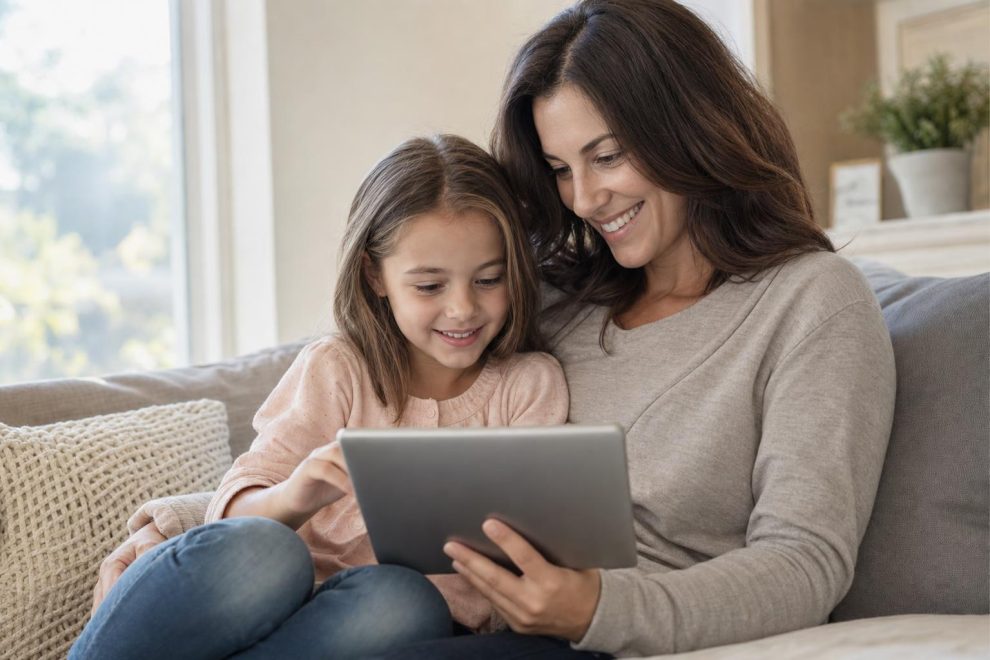
I used to feel a little knot of guilt every time I handed my middle child the tablet so I could get dinner on the table. Somewhere along the way I'd absorbed the idea that good parents kept screens at zero and everyone else was quietly failing. Three kids and a lot of real life later, I've made peace with the truth: the question of how much screen time for kids isn't about hitting some perfect number — it's about what the screens are pushing out of your child's day, and what they're letting back in.
I'm a mom of three, and as an early childhood educator I sat with a lot of worried parents on this exact topic. So let me hand you the calmer, more honest version — the one that won't leave you counting minutes like they're calories.
First, the honest answer about how much screen time for kids really need
Table of Contents
Here's what surprised me most when I actually dug in: the American Academy of Pediatrics stopped handing out one magic number for older kids years ago. For the littlest ones the guidance is still fairly clear — under about 18 months, skip screens apart from video chatting with grandma, and from roughly two to five, keep it to around an hour a day of genuinely good content you watch together. You can read their full, level-headed take in the AAP's guidance on media and children.
But once kids hit school age, the experts deliberately moved away from a stopwatch. Why? Because two hours of a child building worlds in a creative app, then video-calling a cousin, looks nothing like two hours of mindless autoplay. The amount matters, but *what* and *how* matter just as much. If you want the what narrowed down for the youngest kids, these are the educational shows for preschoolers we think earn the time.
What the screens are crowding out is the real question
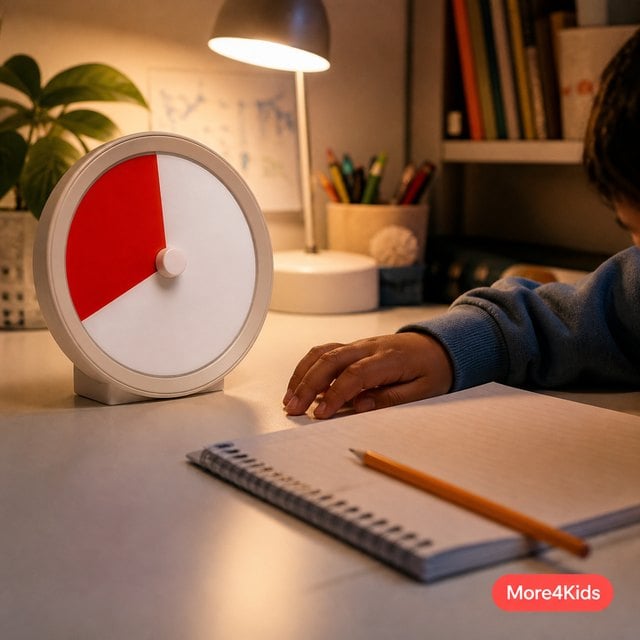
This is the reframe that finally let me breathe. Instead of asking "how many minutes?", I started asking, "Is screen time eating into the things my kids actually need?" Sleep, movement, real-world play, family meals, face-to-face talk — those are the non-negotiables. When screens stay in their lane and those things stay protected, the exact count matters far less than we fear.
The flip side is true too. Free, unstructured play is doing serious developmental work, and no app replaces it — something I love about More4Kids' piece on why free time and play matter so much. If the tablet is quietly elbowing out the backyard, that's your signal, far more than any number on a screen-time report.

Quality beats quantity, every single time
As an early childhood educator I watched this play out constantly: the *content* shaped the child far more than the clock did. A slow, gentle show that sparks questions and pretend play afterward is a different creature than the frantic, hyper-edited stuff designed to keep little thumbs from ever swiping away.
So I became picky about the *what* instead of obsessive about the *how long*. Choose calm, well-made, age-appropriate shows and apps, and when you can, watch alongside them and talk about it — "Why do you think she felt sad there?" That co-viewing turns passive watching into something closer to reading a book together. If you want a head start, our roundup of the surprising impact of kids' cartoons is a warm place to find shows worth your child's time.
Protect sleep first — screens and bedtime don't mix
If I could only get parents to change one thing, it would be this: get the screens out of the hour before bed, and out of the bedroom overnight. The light and the stimulation make it genuinely harder for little bodies to wind down, and tired kids struggle with everything else the next day. The American Academy of Child and Adolescent Psychiatry echoes this in its overview of screen time and children.
In my house, the rule that stuck was simple: screens go to sleep before the kids do. Pairing that with a steady wind-down — the kind we talk about in creating calming bedtime rituals — did more for our evenings than any minute-counting ever did.
Make a simple plan, then hold it kindly
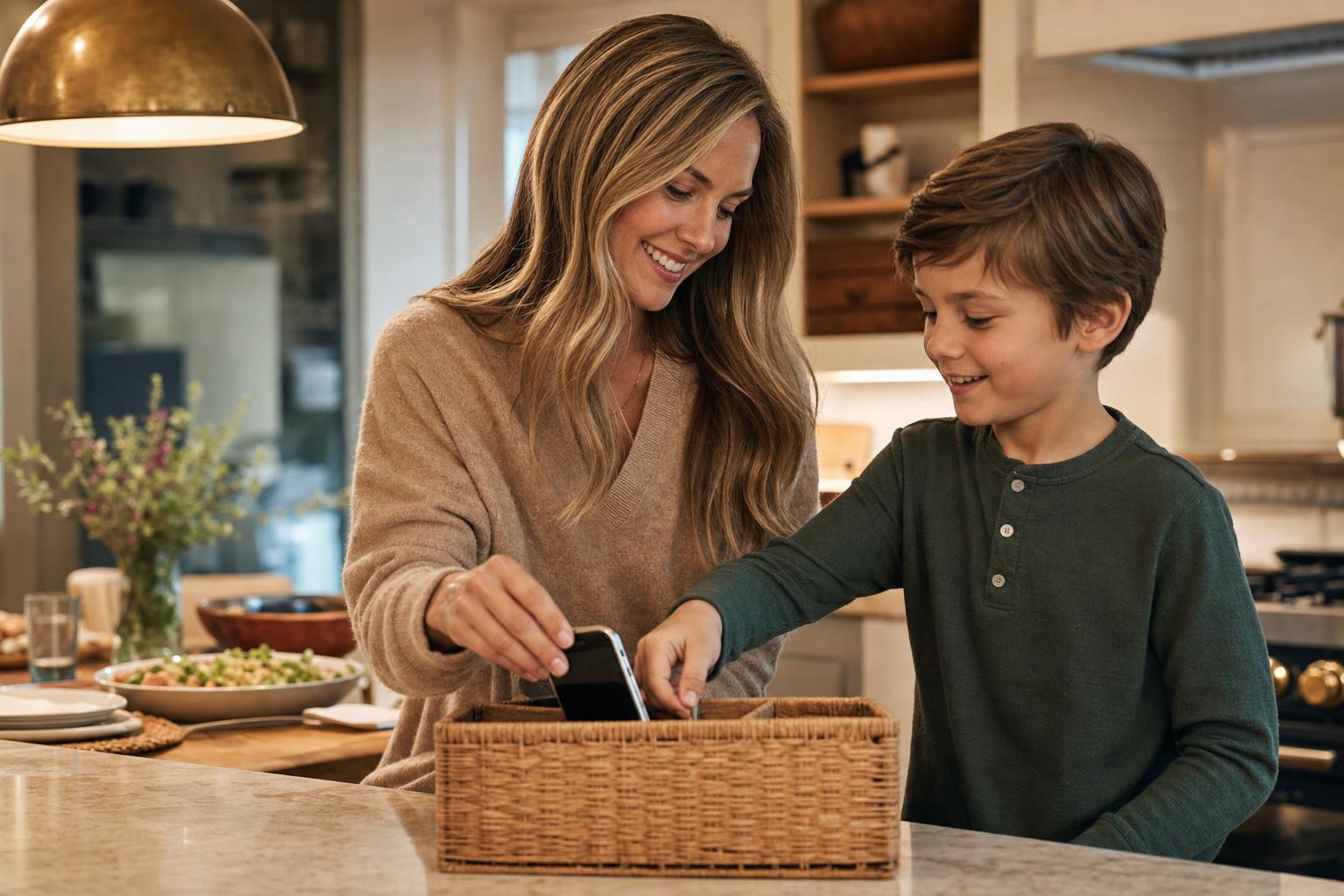
Kids do better with predictable rhythms than with rules that change based on how tired we are. So decide, as a family, the easy stuff in advance: screens after homework and chores, not before; no screens at the dinner table; devices charge overnight in the kitchen, not the bedroom. Write it where everyone can see it and let the plan be the "bad guy" so you don't have to relitigate it every afternoon.
And keep it humane. There will be sick days, long flights, and witching-hour dinners where the tablet saves everyone, and that does not undo your good habits. A thoughtful family screen plan is really just one slice of staying intentional about technology overall — the same spirit behind our look at balancing digital tools and old-fashioned parenting.

The part we forget: they're watching us
Here's the humbling bit. Our kids clock how *we* use our phones far more than they hear our rules about theirs. If I'm scrolling at red lights and glancing at messages through dinner, no amount of lecturing lands. As a parent, the most honest screen-time work I've done has been on my own habits — looking up more, putting the phone in another room at dinner, narrating it out loud: "I'm setting this down so I can hear about your day."
You don't have to be perfect at it. You just have to be a little more present than the device, a little more often.
FAQ
What do pediatricians actually recommend for screen time by age?
The AAP's current guidance suggests avoiding screens for children under 18-24 months except video chatting, and limiting screen time to one hour per day of high-quality programming for ages 2-5. For children 6 and older, the recommendation shifts away from strict time limits toward prioritizing sleep, physical activity, homework, and family time — essentially, screens shouldn't crowd out the things that matter. Quality of content and co-viewing with a parent count for a lot.
Is all screen time equally harmful?
No. Passive consumption of low-quality content is very different from a video call with a grandparent, an educational app used with a parent, or a child creating something using digital tools. The AAP's "what, when, with whom" framing captures this well: a child watching a well-made nature documentary with a parent who talks about it is having a fundamentally different experience from a child alone cycling through short videos late at night. Context matters enormously.
How does screen time affect sleep in children?
The most consistent finding is that screens close to bedtime — especially those with backlit displays — disrupt the melatonin signal that helps children fall asleep. Even 30-60 minutes of screen use before bed can delay sleep onset and reduce sleep quality. Setting a screen cutoff of at least an hour before bedtime and keeping devices out of the bedroom at night are the two most evidence-supported habits for protecting children's sleep.
What are the signs that a child is spending too much screen time?
Watch for screens crowding out sleep, physical play, homework, or face-to-face interaction with family. Signs like irritability when devices are taken away, difficulty shifting attention after screen time, or losing interest in activities they previously enjoyed can signal that the balance has tipped. These aren't necessarily signs of "addiction" — they're signs that something else needs protecting.
How do you reduce screen time without a constant battle?
Create structure rather than policing: decide in advance when screens are available (not during meals, not in bedrooms, not the first hour after school), and hold that line calmly and consistently. Having a plan everyone knows removes the daily negotiation. Replacing screen time with something compelling — a project, an outing, a friend coming over — makes the transition easier than simply removing access without filling the space.
A gentle word before you go
So how much screen time for kids is right? Enough to be useful and fun, little enough that it never crowds out sleep, movement, play, and the people at your own table. That's the whole answer, and it flexes with your family and the season you're in.

Drop the guilt and the stopwatch. Pick good content, guard bedtime, make a simple plan, and model the balance you want to see. Do that, and you can stop counting minutes and get back to the much better job of just enjoying your kids.
Related Articles

Meet Sophia Richards Sophia Richards is an early childhood educator, passionate writer, and the proud mom of three energetic kids. With a degree in Education and over a decade of hands-on classroom experience, Sophia bridges the gap between professional teaching strategies and everyday family life. At More4Kids, she translates complex child development concepts into practical, actionable parenting tips that families can use at home.
Whether she is sharing positive reinforcement techniques, educational crafts, or honest reflections on the chaos of raising three children under one roof, Sophia’s goal is to empower parents to foster resilience and joy in their kids. When she isn't writing or lesson planning, you can find her organizing neighborhood scavenger hunts or trying out new kid-friendly recipes.
Areas of Expertise: Early Childhood Education, Positive Parenting, Sibling Dynamics, Educational Play, Family Wellness.

Add Comment