













By Sophia Richards
She climbed into the back seat, buckled up without a word, and stared out the window the whole way home. My chatty middle one, who normally narrates the entire day before we’re out of the school parking lot, said nothing. It wasn’t until bath time that it came out, in that small, wobbling voice that goes straight through a mother’s ribs: “At recess they had a club. And there wasn’t room for me.” Room. There wasn’t room. I have rarely wanted to fix something so badly and known so completely that I couldn’t. If you have ever watched your kid come home quiet and deflated, scrolled a class group chat and realized a party happened without your child, or held a crying little one who just wants to know why nobody saved them a seat — come sit with me. I have been on that bathroom floor, and I want to walk you through what actually helps when your child is left out, gently, without pretending it doesn’t sting.

Here’s the truth I wish I’d had that first night: the ache you’re feeling is a sign of how much you love them, not a sign that you failed. Being left out is one of the most ordinary — and most painful — parts of growing up, and nearly every child goes through it. Your job isn’t to make sure your child is never excluded (you can’t, and chasing that will exhaust you both). Your job is to be the steady, safe place they come home to, and to hand them a few real skills for the next time. Let me show you what’s happening underneath that quiet car ride, and seven calm, doable ways to help your child through being left out — so a hard afternoon becomes something they grow from instead of something that shrinks them.
What Being Left Out Really Feels Like to a Child
Table of Contents
The first thing to hold onto is that this genuinely hurts, and it is supposed to. We are wired from birth to belong — to be part of the group was, for most of human history, a matter of safety and survival. So when a child gets shut out of the club, the lunch table, or the birthday list, their brain doesn’t register it as a minor social hiccup. It registers it as danger, as I don’t belong, and the pain of that is real and physical. When your child says being left out “hurts,” they are not being dramatic. They are telling you the exact truth of what their body is doing.
That’s why the worst thing we can do — even with the loveliest intentions — is to wave it away. “Oh, don’t worry about them,” “just find other friends,” “you’re fine” — these are meant as comfort, but to a child they land as my mom doesn’t get how bad this is, and the loneliness doubles. The American Academy of Pediatrics, in its guidance on problems with peers, puts the parent’s role plainly: when a child feels rejected by peers, your “support and intervention can make a big difference,” and the first move is simply to “let your child know that you are sensitive to how difficult this situation is.” Feeling understood by you is not a small thing on the way to feeling better — it is the beginning of feeling better.
It also helps to remember, quietly and just for yourself, that a hurt child often comes home and hands the pain to the safest person they have: you. The slammed door, the “you never understand,” the tears that seem out of proportion — that’s not your child being difficult. That’s your child trusting you enough to fall apart in front of you. It doesn’t feel like a compliment at 5 p.m. on a Tuesday, but it is one.
Why Kids Get Left Out in the First Place
Being left out almost never means there’s something wrong with your child, and it rarely means you did something wrong either. A huge amount of it is simply the churn of childhood friendships, which shift and reshuffle constantly. The best-friend pair from September splits into a threesome by October and someone ends up on the outside; the club forms at recess with no master plan to be cruel, just three kids and a game that “only needs three.” The AAP reassures parents that “most children have conflicts with their friends and end up feeling pushed away at some point,” and that things usually get “back to normal.” Most exclusion is ordinary weather, not a verdict on your kid.
Sometimes there’s a group dynamic underneath it. As children move toward the older grades, friend groups can harden into cliques — and cliques, as the folks at KidsHealth explain in their guide to helping kids cope with cliques, “have set rules about who’s ‘in’ and who’s ‘out’ and are focused on status.” When exclusion is coming from a clique, it can feel especially personal and sticky, but it’s worth knowing that it usually says more about the group’s need to feel important than about your child’s worth. KidsHealth makes a point I’ve repeated to my own kids more than once: people who put others down “often do so because they lack self-confidence,” and the leader of a clique “probably worries as much — or even more — about being popular and accepted as the outsiders do.”
The AAP notes, too, that peer rejection “may be a group reaction to someone they see as different.” Kids can get left out for being new, for being shy, for being the one who’s really into dinosaurs when the group has moved on to something else, or simply for being younger or more sensitive. And, honestly, sometimes a social-skills mismatch is part of the picture — a child who plays too rough, always has to be first, or hasn’t yet learned to read when others need a turn. That last one isn’t a character flaw; it’s a skill still under construction, and it’s coachable. None of these reasons make being left out okay. But seeing the why clearly is what lets you help with the right tool instead of just aching alongside your child. It’s the same steady, feelings-first foundation underneath emotional regulation for kids — name what’s really happening, then respond to that.
When Your Child Is Left Out: 7 Gentle Ways to Help Them Through It
None of these are a script to perform flawlessly, and none of them will make the sting vanish tonight. Think of them as a path you walk with your child, one hard afternoon at a time, until the walking itself teaches them they can survive being left out and come out okay on the other side.
1. Connect before you fix
The very first move, before any advice, is connection. When your child is left out and comes to you raw, resist the powerful urge to leap straight to solutions — the phone call to the other parent, the pep talk, the three-point plan. What your child needs first is to feel you land beside them. Get low, slow down, and say the thing that tells them you’re theirs: “That sounds really hard. I’m so glad you told me. I’m on your side.” The AAP calls this giving your child “a clear message that you are on their side and are going to help,” and it is the foundation everything else stands on.
In our house, connection often looks like doing absolutely nothing useful for a few minutes — sitting on the edge of the bed, an arm around a shaking shoulder, letting the tears come without narrating them. I’ve learned to bite back my instant fix-it reflex and just say, “Tell me what happened,” and then actually be quiet and listen to the whole thing. A child who feels caught before they feel coached will take the coaching so much better a few minutes later.
2. Help them name the feeling instead of racing past it
Once your child feels you’re with them, help them put words to what’s swirling around inside. Big feelings that stay nameless just grow — but a feeling that gets named starts to settle. So gently offer language: “It sounds like that felt really lonely. Maybe a little embarrassing too? And kind of mad?” You’re not putting words in their mouth; you’re handing them a vocabulary for a storm they don’t yet know how to describe. “Left out” is a swirl of hurt, anger, shame, and fear all at once, and helping your child untangle those threads is a genuine life skill.
This is emotional coaching, and it pays off far beyond this one recess. When you regularly help your child feel and name hard emotions rather than stuff them down, you’re building the same muscle that helps them calm themselves in every other overwhelming moment — the kind of steady, in-the-body skill we walk through in our guide to helping kids calm big emotions. Let them know that whatever they’re feeling is allowed. There’s nothing they can feel that will scare you off.

3. Put it in perspective — without ever dismissing it
There’s a delicate art here: helping your child zoom out enough to breathe, without ever telling them their pain is no big deal. The way through is to validate and widen in the same breath. “This really hurts right now, and — remember when you and Maya weren’t speaking, and now you’re best buddies again? Friendships move around a lot at your age.” KidsHealth suggests exactly this: “help put rejection in perspective” by reminding your child “of times they’ve been angry with parents, friends, or siblings — and how quickly things can change.”
The goal is to plant a small, honest seed of hope: this feeling is real, and it is also temporary. One brutal Tuesday is not a prophecy about the whole school year, and being left out of one thing does not mean being left out of everything forever. I’ve found it helps to tell my kids a true story from my own childhood — the summer my two best friends paired off and I felt invisible, and how by fall the whole thing had reshuffled again. It tells them two things at once: I survived this, and so will you. Just be careful the perspective always comes after the empathy, never instead of it.
4. Get curious together about what really happened
Once the biggest feelings have cooled, become a gentle detective with your child rather than an interrogator. Kids often report the headline (“nobody likes me,” “everybody left me out”) when the real story is narrower and more workable. Ask open, warm questions: “Who was there? What were they playing? What happened right before you felt left out? What did you want to happen?” Sometimes you’ll discover the “club” was two kids and a game that genuinely only worked for two. Sometimes you’ll find your child hung back at the edge, wanting in but not sure how to ask — which is a completely fixable spot.
Gently sort out, together, what part of this your child can influence and what they can’t. They can’t control whether another kid is being unkind, and it matters to say so out loud: this isn’t your fault, and you can’t make someone be your friend. But they can control their next move — who else they might sit with, how they ask to join, which friendships are worth their energy. That distinction is quietly powerful, because it hands a child back a little agency in a moment that made them feel powerless. And keep listening for whether this is a one-off bad day or a repeating pattern — that difference decides some of the steps further down.
5. Coach one small social skill — like the join-in move
Here’s a hopeful truth: the skills that help a child break into a group are learnable, and most kids just need a little coaching and a chance to practice. You don’t need to overhaul your child’s whole social life — pick one small, concrete move and rehearse it until it feels doable. My favorite is the join-in move, because “how do I get in?” is so often the real problem hiding under “they left me out.” The steps are simple: watch the game for a minute to see how it works, then slide in with something that adds to it rather than interrupts it — “Can I be on a team?” or “I’ll be the shopkeeper!” — instead of standing on the edge waiting to be noticed or trying to change the whole game.
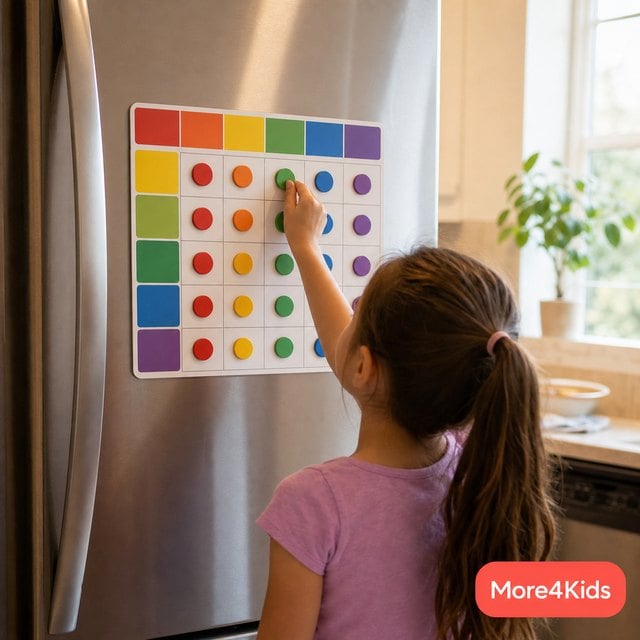
Practice it at home where it’s safe, even to the point of being a little silly: you be the group, let your child try the approach, then swap. Role-play the awkward parts — what to do if the answer is no (shrug, “okay, maybe next time,” and go find another game or another kid), so a single rejection doesn’t feel like the end of the world. The AAP is honest that kids “rarely… learn the fine art of friendship without some support or role-modeling,” so this coaching isn’t coddling — it’s teaching. If making and keeping friends is a recurring struggle for your child, it’s worth slowing down and working through it more fully; our step-by-step guide to helping your child make friends breaks the whole skill down gently.
6. Widen the circle beyond the one group
When a child pins their entire sense of belonging on one friend or one clique, being left out by that group feels like being left out of the world. One of the kindest, most protective things you can do is quietly help your child build a wider circle, so no single group holds all the power over how they feel about themselves. KidsHealth recommends fostering “out-of-school interests… like art classes, sports, martial arts, language study, or volunteering,” precisely because “these kinds of activities give them a chance to create another social group and learn new skills.” Often the hardest part is simply making room for it in the week — trading a little passive screen time for a class or a team where connection happens face to face; if that feels like a battle at your house, our guide to how much screen time is healthy for kids can help you find the balance without turning it into a fight.
I’ve watched this work like magic. The daughter who felt shut out at recess found her people at a Saturday art class, and suddenly the recess club had a lot less power over her heart. A second pond to swim in changes everything. It also gives your child a place to feel capable and liked while a rocky school friendship sorts itself out — a real boost to the kind of steady confidence that helps a child thrive from the inside out. And gently coach quality over quantity: KidsHealth’s line “find the right fit — don’t just fit in” is worth teaching early. One or two true friends who are kind and glad to see them will carry your child far better than a spot on the edge of a group that keeps a scorecard.

7. Know when — and how — to loop in the teacher
Most ordinary left-out afternoons don’t need a grown-up to step in at school; part of the gift is letting your child practice navigating them with you as backup. But when there’s a pattern — the same child being excluded again and again, or exclusion sliding into meanness — it’s time to bring in the adults who are there all day. The AAP advises that “if there seems to be a pattern of rejection, schedule an appointment with your child’s teacher,” and even to “consider requesting that the principal or guidance counselor attend,” so they can quietly gather information from recess and lunch aides about what’s actually happening.
When you do reach out, come as a curious partner, not an accuser: “I’ve noticed Ellie seems to be having a hard time at recess and coming home upset. I’d love your read on how she’s doing socially, and to think together about how to help.” Teachers see the whole social ecosystem you can’t, and they can make small, powerful adjustments — a seating change, a buddy system, a structured recess game — that shift a lonely child’s whole day. Looping in the teacher isn’t tattling and it isn’t overreacting; it’s making sure the caring adults around your child are on the same team. Trust your gut here: you know your kid, and a persistent, sinking pattern is worth a conversation.
When Being Left Out Needs a Closer Look
Most of the time, being left out is a painful but passing part of childhood that these gentle steps will carry your child through. But sometimes it’s the tip of something bigger, and part of loving your child well is knowing when to lean in harder. Pay closer attention if the exclusion is persistent and targeted — the same group deliberately shutting your child out day after day, spreading rumors, or being cruel online. That has crossed from ordinary friendship churn into bullying, and it deserves a firm, coordinated response with the school rather than another round of coping skills.
Watch your child, too, not just the situation. If a normally happy kid becomes withdrawn for weeks, stops wanting to go to school, complains of frequent stomachaches or headaches on school mornings, has trouble sleeping, loses interest in things they used to love, or says things that worry you about their worth or their safety, please don’t wait it out. Those are signals to loop in your pediatrician or your child’s school counselor. As the AAP suggests, once you’ve gathered enough information, “you may want to consult with your child’s pediatrician,” who knows your child’s history and can point you toward the right support. Reaching out early isn’t overreacting — it’s exactly what a tuned-in parent does, and it’s far easier to help a child before a lonely stretch hardens into a belief that something is wrong with them. You are the expert on your own child; if your gut says this is more than a rough patch, trust it and get another caring set of eyes on it.

Frequently Asked Questions
My child is being left out at school — should I step in or let them work it out?
Start by supporting your child at home — connect, listen, help them name the feeling, and coach one small skill — and let them practice navigating ordinary friendship bumps with you as their backup. Most everyday left-out moments resolve on their own as friend groups reshuffle. But if you’re seeing a pattern of the same child being excluded repeatedly, or if exclusion is turning into meanness, that’s the point to step in and talk with the teacher. The American Academy of Pediatrics specifically advises scheduling a meeting with your child’s teacher when there seems to be a pattern of rejection, so trust your read: occasional sting, coach through it; persistent pattern, bring in the adults at school.
How do I comfort my child without making it a bigger deal than it is?
Lead with empathy, then gently widen the lens. First let your child know you see how much it hurts and that you’re on their side — skipping this step is what makes kids feel more alone. Once they feel understood, you can add perspective: remind them that friendships shift a lot at their age and that this feeling, while real, is temporary. The key is sequence. Validation comes first and perspective second, never the reverse. If you jump straight to “it’s not a big deal,” a child hears that you don’t get it; if you start with “that really hurts, I’m right here,” they can actually take in the hopeful part afterward.
Why does my child keep getting left out?
Usually it’s the normal churn of childhood friendships rather than anything wrong with your child — groups form, split, and reshuffle constantly, and someone often ends up on the outside for a while. Kids can also be left out for being new, shy, younger, more sensitive, or simply into different things, and the AAP notes rejection can be “a group reaction to someone they see as different.” Occasionally a still-developing social skill plays a part, like always needing to be first or not yet reading when others want a turn — and those are coachable, not character flaws. If it’s happening constantly, that’s worth a closer look and a conversation with the teacher.
Is being left out the same as being bullied?
Not usually, though they can overlap. Being left out is often unintentional or situational — a game that only needs three players, a friendship that drifted — and it comes and goes. Bullying is deliberate, repeated, and involves a power imbalance: the same child or group intentionally excluding, targeting, humiliating, or hurting your child over and over, including online. If the exclusion is persistent, targeted, and cruel, treat it as bullying and respond firmly with the school rather than just coaching your child to cope. When in doubt, gather information and loop in your child’s teacher or counselor so the adults who see the whole social picture can help you tell the difference.
How can I help my child feel more confident after being left out?
Help them build belonging somewhere else while the rocky friendship sorts itself out. Getting your child into an out-of-school interest — a sport, an art class, a club, volunteering — gives them a second social circle and a place to feel capable and liked, which KidsHealth recommends precisely because it lets kids “create another social group and learn new skills.” At home, keep noticing and naming their real strengths and the kind, brave things they do, so their sense of worth isn’t riding on one group’s approval. Teaching them that a couple of true, kind friends matter far more than being inside a popular group protects their confidence for the long haul.
Related Articles
- Emotional Regulation For Kids
- How To Help Your Child Make Friends
- How Much Screen Time For Kids
- How To Build Confidence In A Child

Meet Sophia Richards Sophia Richards is an early childhood educator, passionate writer, and the proud mom of three energetic kids. With a degree in Education and over a decade of hands-on classroom experience, Sophia bridges the gap between professional teaching strategies and everyday family life. At More4Kids, she translates complex child development concepts into practical, actionable parenting tips that families can use at home.
Whether she is sharing positive reinforcement techniques, educational crafts, or honest reflections on the chaos of raising three children under one roof, Sophia’s goal is to empower parents to foster resilience and joy in their kids. When she isn't writing or lesson planning, you can find her organizing neighborhood scavenger hunts or trying out new kid-friendly recipes.
Areas of Expertise: Early Childhood Education, Positive Parenting, Sibling Dynamics, Educational Play, Family Wellness.

Add Comment