
















By Sophia Richards
Part of our Life Skills by Age guide — this is the deep dive for the early-elementary years.
Six and seven is the age everything gets more capable — and a little more negotiable. Your kid can read a chart, tell time well enough to beat a clock, count out coins, and remember a rule you set on Tuesday. They also have opinions, a best friend whose house has “different rules,” and a sudden sense that some jobs are beneath them. This is exactly the stretch where the life skills for early elementary kids you build stop being cute helper moments and start becoming the real machinery of a functioning kid: chores that actually get done, a morning routine they run without you hovering, and the first honest lessons about money.
Early elementary is a sweet spot for teaching independence. First and second graders can hold a multi-step routine, follow through on a job without being re-reminded every ninety seconds, and understand fairness, saving, and “we finish what we start” in a way a preschooler simply can’t. The window is open. Here’s what’s genuinely realistic in life skills for 6-7 year olds, why these skills matter more than a tidy room, and exactly how to teach them without turning every morning into a standoff.
Why 6-7 is the age responsibility gets real
Table of Contents
Preschoolers try. Early-elementary kids can own it. That’s the shift, and it’s a big one.
The American Academy of Pediatrics’ developmental guidance (on its parent site, HealthyChildren.org) describes the grade-school years as a time of fast growth in independence and self-management — children this age take on more responsibility, follow rules more reliably, and care a great deal about doing things “the right way” and being treated fairly. The CDC’s positive-parenting guidance for middle childhood (6–8 years) points to the same window: kids become more independent, develop real friendships, gain steadier attention and self-control, and can handle simple household jobs and routines.
Underneath the new abilities is a maturing brain. A six- or seven-year-old’s working memory and impulse control have grown enough that they can hold a three- or four-step routine in mind, resist the immediate “I’ll do it later,” and connect an action today to a result tomorrow — which is precisely why this is the age money, saving, and real chores finally click. It’s also why fairness matters so intensely now: a first grader who feels a rule is unjust will argue it like a tiny attorney, and a job that feels theirs gets defended just as fiercely.
Here’s the part worth circling: responsibility habits that take root at six are dramatically easier to install now than at eleven. A child who learns that we do our jobs before screens and we save part of what we get isn’t just being tidy this week — you’re wiring in the defaults that make the tween and teen years, with their homework loads and spending temptations, far less of a battle. The early-elementary years are where the foundation either gets poured or gets deferred.
The life skills for early elementary checklist: what a first or second grader can really do
Every child develops on their own timeline, and there’s a wide, normal range. Treat this as a menu of what’s possible at this age, not a scorecard. Across the early-elementary years, most children can learn to:
Take care of themselves
- Run a full morning routine from a checklist — dressed, teeth, hair, bed, backpack — with a glance at the list instead of constant reminders
- Shower or bathe with supervision, and manage most hygiene independently
- Tie shoelaces (often the big win of this age), fasten buttons and zippers, and pick weather-appropriate clothes
- Pack their own backpack and remember their own lunch, folder, and water bottle
Do real household chores
- Own a set of daily jobs start to finish: make the bed, feed a pet, clear and wipe the table, water plants
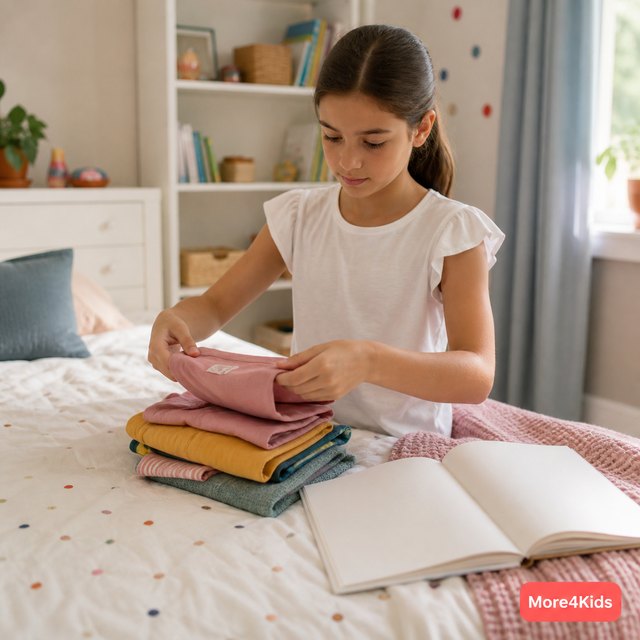
- Sort laundry by color, fold simple items, and put their own clothes away
- Load or unload part of the dishwasher, take out light trash, and tidy their own room with a system
- Help make a simple meal — spread, pour, measure, crack eggs, use a butter knife, build a sandwich or their own breakfast
Handle money for the first time
- Recognize coins and bills and count out small amounts
- Understand that money is earned and finite — you spend it once and then it’s gone
- Save toward a small goal in a clear jar and wait for something they want
- Make a simple choice between two things they can’t have both of
Manage time, tasks, and themselves out in the world
- Follow a three- or four-step routine and use a visual chart or timer to stay on track
- Wait, take turns, and lose a game without falling apart (mostly)
- Learn their address and a parent’s phone number, and know how to ask an adult for help
- Start basic safety skills — a street-crossing routine, what to do if lost, simple kitchen caution
Handle bigger feelings and friendships
- Name a strong feeling and use a calming strategy more independently — a few breaths, a break, words instead of hands
- Navigate a friendship squabble with some coaching and start to repair it
- Handle small disappointments and “no” without a full meltdown, most of the time
If your child isn’t doing all of these yet, that’s completely normal — kids this age still develop in bursts, and a skill that’s shaky in first grade is often solid by the end of second. This is a map of the territory, not a race.

The method: how to teach without a daily power struggle
Early-elementary kids have real capability and a strong sense of fairness, which is a great combination — until it isn’t. Teaching life skills for early elementary kids is less about new tricks and more about handing over ownership in a way that feels fair to them. A few moves do most of the work.
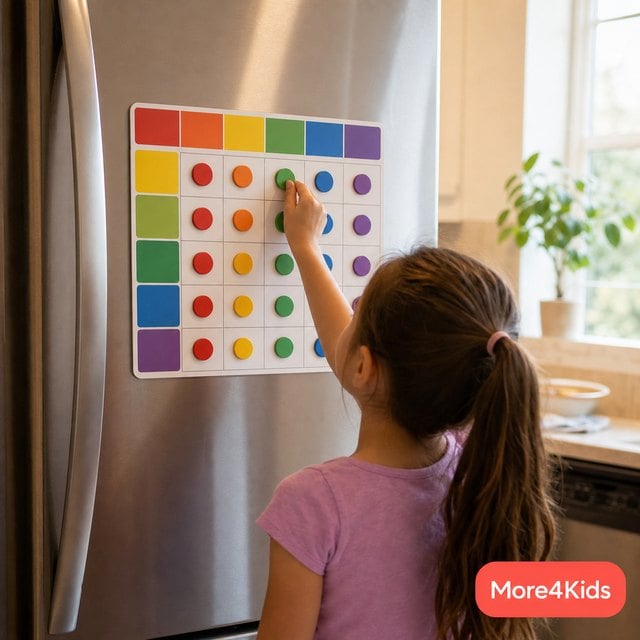
1. Make the routine visual and let the chart be the boss. This is the age a checklist earns its keep. Post a simple morning and evening routine — words plus small pictures — and let the list do the nagging. When your kid stalls, you’re not the enemy barking orders; you just ask, “What’s next on your list?” and hand the responsibility back. Kids this age love checking a box, and the chart quietly makes independence the norm.
2. Give real jobs, not “help,” and make them theirs. Six- and seven-year-olds want to be genuinely useful and they notice the difference between busywork and a job that matters. Assign a small set of daily chores that are actually theirs — the bed, the dog, the table — so being responsible becomes part of who they are: I’m the person who feeds the dog. Our guide to age-appropriate chores for kids breaks jobs down by age, and our take on raising responsible kids goes deeper on turning helping into lasting responsibility.
3. Trade “because I said so” for a reason and a routine. Fairness rules this age, so a quick why buys enormous cooperation. “We do jobs before screens because it’s easier to relax once the work’s done” lands far better than a flat command. Set the sequence once — jobs, then free time — and then let the routine, not a fresh argument, carry it every day.
4. Teach money by letting them hold it, spend it, and run out. The most powerful money lesson at this age is a small, real one. Whether it comes from an allowance, a chore reward, or a birthday, let your child hold their own money, split it into save and spend, and make actual choices with it. The Consumer Financial Protection Bureau’s Money as You Grow offers age-based activities and points out something most of us learn the hard way: kids build money habits by doing, not by lectures — counting coins, saving toward a goal, and feeling what “it’s gone now” means. A clear jar they can watch fill up beats any speech. When you’re ready to go further, our guide to teaching kids about money has age-matched steps.
5. Coach, then step back — and let it be imperfect. The temptation at six and seven is to fix the lumpy bed and re-pack the backpack after they leave the room. Don’t. A job they did at eighty percent and are proud of teaches more than one you quietly redid. Describe what they actually managed — “You made your whole bed and remembered your library book — that’s a solid morning” — and let the wobbly, real, theirs version stand.
Word-for-word scripts for the hard moments
Sometimes you just need the words in the moment. Here are the ones I reach for most with this age:
When they argue that a chore is “not fair”: “I hear that it feels unfair. In our family, everybody has jobs — mine and yours. Yours is the table tonight. Do you want to do it now or right after dinner?” You acknowledge the fairness feeling, hold the expectation, and offer a choice about when.
When the morning routine stalls out: “What’s next on your list?” Then wait. Handing back the question instead of listing the steps is the whole point — that’s the independence you’re building.
When they beg for something at the store: “That looks great. Do you have enough of your own money for it? If not, this could be your saving goal.” You turn a whine into a money lesson without a fight, and the answer isn’t just “no.”
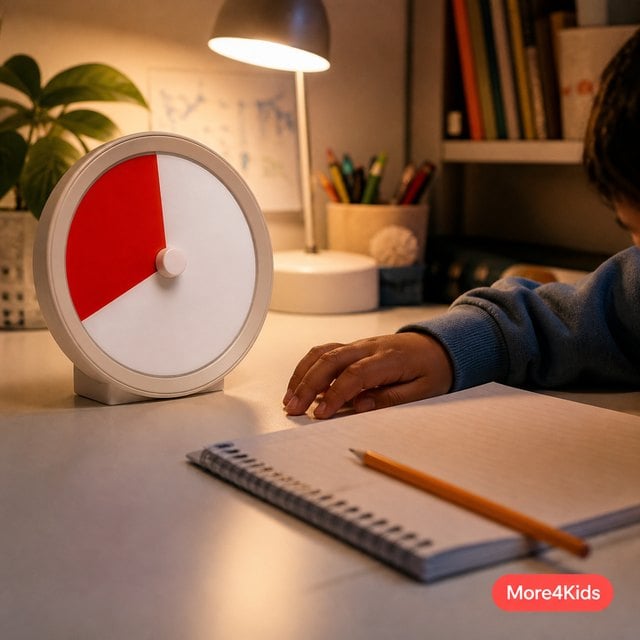
When they want to quit a chore halfway: “You’re almost there — the hard part’s behind you. Finish this last bit and it’s done. Want a two-minute timer to race?” You credit the progress, hold the finish line, and make the end a game.
When a friendship blows up: “That sounds really frustrating. What happened, and what do you think would make it fair for both of you?” You coach the repair instead of solving it for them. If big feelings run the show, our guide to emotional regulation for kids has age-appropriate tools.

Troubleshooting the resistance
“My kid can do the chore but does it terribly, or forgets every single day.” Normal, and usually a systems problem, not a defiance problem. Post the job on a visible chart, tie it to an existing anchor (“right after breakfast”), and check it with them the first week rather than inspecting after. Praise the follow-through, not the polish, and resist redoing it in front of them.
“Everything is ‘that’s not fair’ now.” Fairness obsession is a developmental feature of this age, not a character flaw. Get ahead of it: set family rules that clearly apply to everyone, explain the why once, and when the “not fair” comes, acknowledge the feeling without reopening the negotiation. “You might be right that it feels unfair — and the job’s still yours tonight.”
“They blow their money the second they get it, then melt down.” That’s the lesson working, not failing. Let the natural consequence land — no bailout, no advance — and it teaches more than any lecture. Next time, help them split it into save and spend before they walk into the store, and point at the clear jar as it grows.
“Mornings are still chaos even with a chart.” Move as much as you can to the night before — clothes out, backpack packed, lunch decided — so the morning has fewer decisions. Build in a few extra minutes, use a timer as a game rather than a threat, and let the checklist, not your voice, run the sequence.
“It’s honestly faster if I just do it.” Today, yes. But you’re not buying a made bed this morning — you’re buying a nine-year-old who runs their own routine, a tween who manages their own money, and a teen who doesn’t need you standing over homework. The patient, slower mornings at six and seven are the deposit that pays out for a decade.
What to relax about
A quick permission slip, because early-elementary-parent worry is real and mostly unnecessary. Uneven skills are the norm — a kid who ties shoes and makes breakfast might still forget their folder three days running, and that’s development, not a red flag. Shoe-tying, telling time, and reading a chart all click on wildly different schedules from kid to kid; late on one is not behind overall. You also don’t need a color-coded reward economy or a perfect chore chart; at this age the whole curriculum is make it visual, make it theirs, let them fumble, keep it warm. And forgotten items are part of learning responsibility — the occasional missed lunch or homework, felt as a small natural consequence, teaches more than a parent who remembers everything for them ever could.
Building the “getting ready” morning they run themselves
If there’s one skill to pour energy into at 6–7, it’s the independent morning routine — because it’s the daily rehearsal for every kind of self-management that comes later. The goal isn’t a drill sergeant household; it’s a kid who wakes up, checks a list, and works through it while you drink your coffee instead of narrating every step.
Build it in plain sight. Make the checklist together so they own it, post it where they get ready, and keep it short — five or six pictured steps, not fifteen. Anchor it to the clock with a timer or a “we leave when the big hand hits six” so time becomes their problem to solve, not yours to enforce. Then step back and let the list lead. When it works — and it will, unevenly — name it: “You got yourself completely ready today. That was all you.” That sentence, repeated over months, is how a six-year-old becomes the kind of kid who doesn’t need managing. For more on handing kids ownership over their own routines, our guide to teaching kids responsibility digs into the long game.
Frequently Asked Questions
What life skills should a 6- or 7-year-old have?
By the early-elementary years, most children can run a morning routine from a checklist, dress and manage most hygiene themselves, tie shoes, pack their own backpack, and do a set of real daily chores like making the bed, feeding a pet, and clearing the table. Many can also fold simple laundry, help make a basic meal, count coins, save toward a small goal, learn their address and a parent’s phone number, and handle a friendship squabble with some coaching. Expect an uneven mix — solid on some, still learning others — and count the trying as the win.
How do I get my 6-7 year old to do chores without a fight?
Give them a small set of jobs that are genuinely theirs and daily, post them on a visible checklist so the chart does the reminding, and set the sequence once — jobs before screens — with a quick reason rather than “because I said so.” Offer a choice about when rather than whether, credit the follow-through instead of the polish, and resist redoing the work in front of them. Fairness matters intensely at this age, so rules that clearly apply to everyone go down far easier than one-off demands.
How do I start teaching my child about money at this age?
Let them hold real money and make real choices with it. Whether it comes from an allowance, a chore reward, or a gift, help your child split it into save and spend, count it out, and set a small saving goal they can watch grow in a clear jar. When they blow it all at once, let that natural lesson land without a bailout — running out is how the lesson sticks. The CFPB’s Money as You Grow shows that kids build money habits by doing, not by lectures, so keep it hands-on and low-stakes.
My 6-year-old can do things but forgets constantly. Is that normal?
Completely normal. At six and seven, working memory is still developing, so forgetting the folder or the water bottle is a systems gap, not defiance. The fix is external structure, not nagging: a visible checklist, jobs anchored to existing routines (“right after breakfast”), and packing the night before. Let small natural consequences — an occasional forgotten lunch — do some of the teaching, and the remembering strengthens over the next year or two.
The takeaway
Six and seven is when responsibility stops being a game of pretend and starts being real: a kid who runs their own morning, owns their own chores, and holds their own money — and, yes, sometimes blows it and learns why. Every time you post the checklist instead of barking the steps, hand back the question instead of the answer, and let the lumpy bed and the spent allowance stand, you’re telling your child something they’ll carry for years: you are capable, and I trust you to run your own life, a little more each day.
Make it visual, make it theirs, and let it be imperfect. The life skills for early elementary kids you’re building now — the chores, the money sense, the self-run morning — are the working foundation for every more independent year that follows.
Ready for the next stage? Head back to the full Life Skills by Age guide — the middle-childhood deep dive for ages 8–9 is coming next in this series.
Related Articles
- Life Skills By Age
- Chores For Kids
- Parenting Tips For Responsible Kids
- How To Teach Kids About Money
- Emotional Regulation For Kids
- Teaching Kids Responsibility

Meet Sophia Richards Sophia Richards is an early childhood educator, passionate writer, and the proud mom of three energetic kids. With a degree in Education and over a decade of hands-on classroom experience, Sophia bridges the gap between professional teaching strategies and everyday family life. At More4Kids, she translates complex child development concepts into practical, actionable parenting tips that families can use at home.
Whether she is sharing positive reinforcement techniques, educational crafts, or honest reflections on the chaos of raising three children under one roof, Sophia’s goal is to empower parents to foster resilience and joy in their kids. When she isn't writing or lesson planning, you can find her organizing neighborhood scavenger hunts or trying out new kid-friendly recipes.
Areas of Expertise: Early Childhood Education, Positive Parenting, Sibling Dynamics, Educational Play, Family Wellness.

Add Comment