















By Sophia Richards
There’s a moment every parent knows. You ask your child to put their shoes away for the hundredth time, and you can feel the nagging voice creeping into your own throat, the one you swore you’d never use. I’ve been there more than once, standing in a hallway full of backpacks and single socks, wondering why the simplest thing had turned into a standoff. Teaching kids responsibility is one of those jobs that sounds obvious until you’re actually living it, and then it feels a lot more like herding hope than checking a box.
Here’s what steadied me, both as a mom of three and back when I was an early-childhood teacher: responsibility isn’t a switch you flip on a certain birthday. It’s a muscle, and it grows the same way any muscle does, through small, repeated reps that fit the child in front of you. The goal isn’t a kid who never forgets their lunchbox. It’s a kid who slowly learns that they are a capable, contributing member of the family, and that their choices matter. Below is how that actually looks, stage by stage, plus the handful of habits that make it stick.
Why Teaching Kids Responsibility Is Worth the Effort
Table of Contents
Before the how, a quick word on the why, because it’s the thing that keeps you going on the days it would be faster to just do it yourself. Responsibility isn’t only about a tidier house. According to the Child Mind Institute, researchers have linked pitching in with real household work to a stronger sense of competence, self-confidence, and responsibility toward other people. In plain terms, a kid who helps run the home tends to feel more capable everywhere else, too.
The American Academy of Pediatrics makes a similar case: children need obligations and duties within the family so they learn, early and gently, that life asks something of all of us, not just play. When you frame it that way, teaching kids responsibility stops feeling like one more thing to enforce and starts feeling like something you’re building together.
Start Small: Toddlers and Preschoolers (Ages 2–5)

This is the stage most of us underestimate. A two- or three-year-old genuinely wants to help; they’re just wildly inefficient at it, which tempts us to swoop in. Resist. The AAP notes that even preschoolers can handle simple tasks, and that pitching in teaches cooperation and quietly boosts self-esteem.
Keep it concrete and tiny. Putting toys in a basket. Carrying their plate to the counter. Tossing dirty clothes toward the hamper (aim counts as effort). Feeding the pet a scoop of food with you standing by. At this age, responsibility and play blur together, and that’s exactly what you want. Narrate it warmly: “You put every block away. That’s a big help.” You’re not fishing for perfection. You’re wiring in the idea that helping feels good and is simply what our family does.
Build the Habit: School-Age Kids (Ages 6–9)
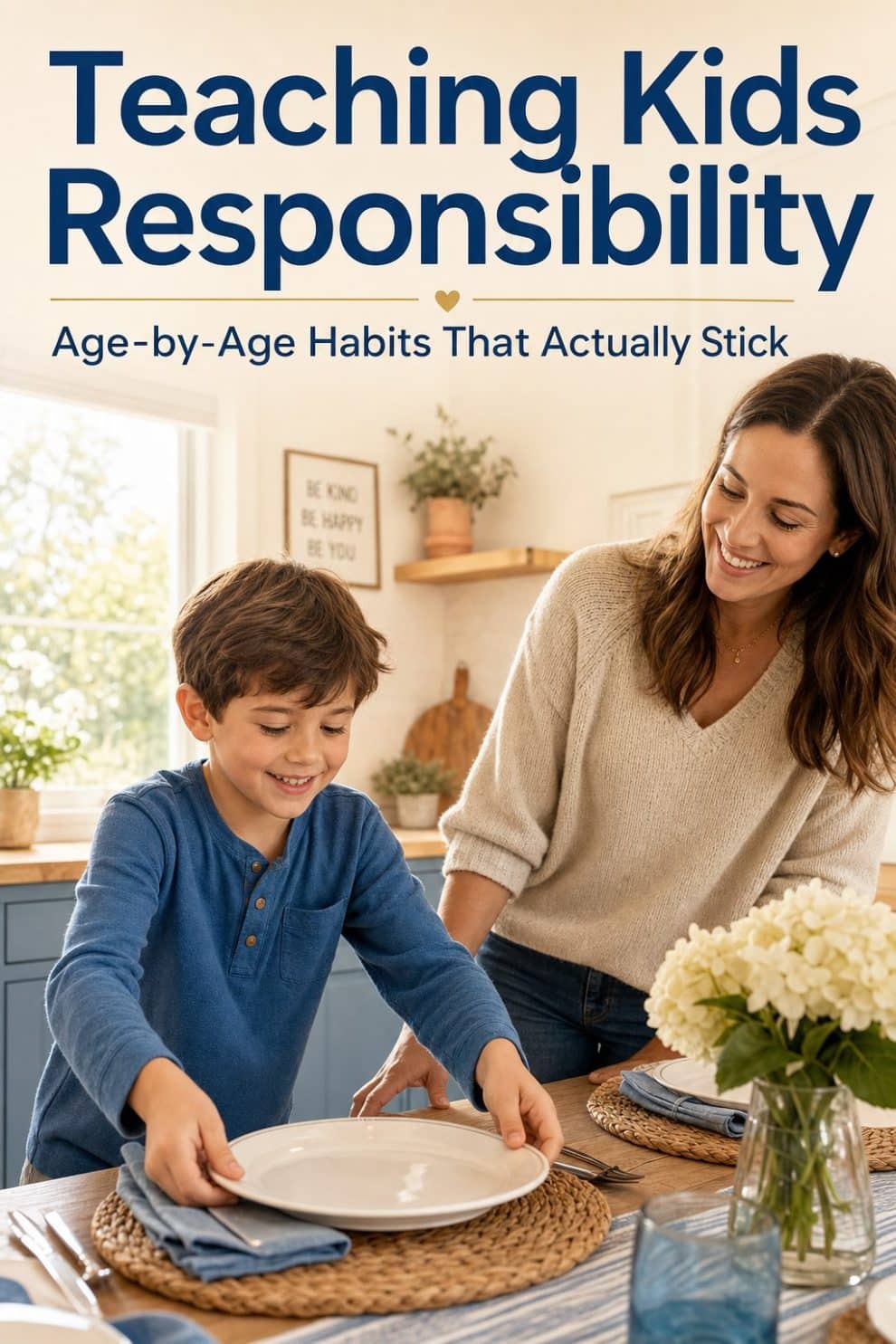
Somewhere around kindergarten, kids can start owning a small, predictable set of jobs. This is the sweet spot for teaching kids responsibility because they’re capable enough to follow through and still young enough to think chores are mildly exciting. Think making their bed (imperfectly), setting the table, packing their own backpack, watering a plant, or clearing dishes.
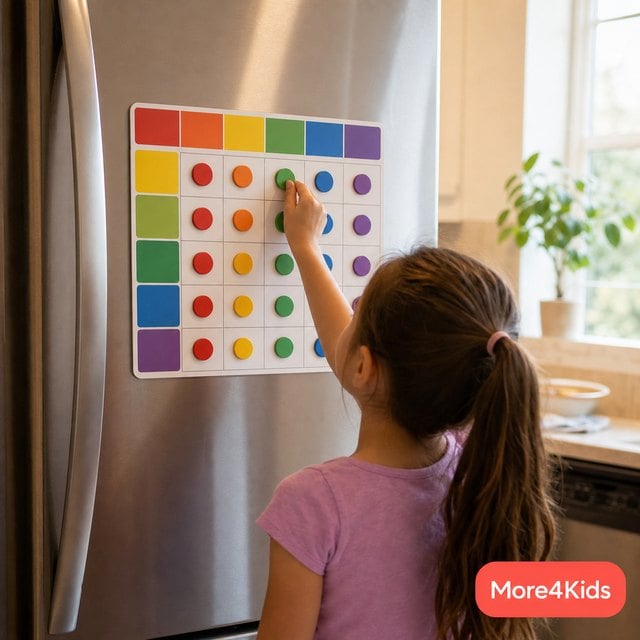
A few things help the habit take root. In my house, attaching a job to a rhythm the kids already had — after breakfast, before bath — was the difference between a chore that happened and one I nagged about all day, so responsibility rides on autopilot instead of a reminder. Keep the list short and stable rather than a rotating menu of ten things. And when it slips, let the natural consequence do the teaching where it’s safe to. If the water bottle didn’t make it into the bag, a slightly thirsty afternoon is a far better teacher than a lecture. Nemours KidsHealth points out that kids feel genuinely competent and proud when they accomplish their own tasks, and that pride is the engine that keeps them going.
Stretch Toward Independence: Tweens (Ages 10–12)

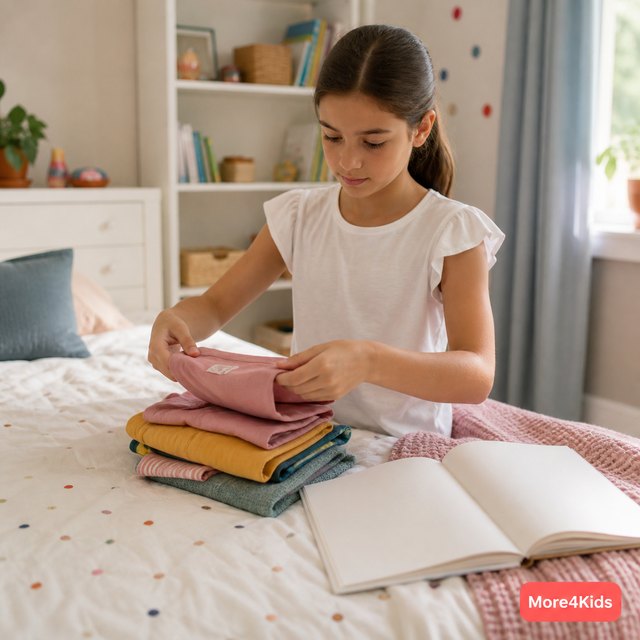
Tweens can handle real, meaningful responsibility, and they need it. This is the age to hand over jobs that visibly matter to the household: doing a load of laundry start to finish, prepping a simple part of dinner, taking out the trash on the right night, managing their own homework and morning routine with lighter supervision.
It’s also the age where money becomes a powerful teacher. Letting a tween manage a small allowance, save toward something they want, and feel the sting of an impulse buy builds a kind of responsibility no chart can. If you want a gentle framework for that, our guide to raising financially literate kids is a good place to start. The trick at this stage is to step back without disappearing. Offer the scaffolding, then let them wobble. A tween who never gets to fail a little never learns that they can recover.
Teens (Ages 13+): Responsibility That Looks Like the Real World
By the teen years, the target shifts from chores to genuine life competence: managing their own schedule, holding down commitments, contributing to the household as a matter of course. The AAP is direct about one thing that trips up a lot of families: even when a teen picks up a part-time job, that’s not a reason to drop their responsibilities at home. Work inside the house is every bit as valuable as work outside it, and saying so out loud matters.
Expect pushback; it’s developmentally on time, not a personal failure. Stay warm but firm, and keep connecting the responsibility to their growing freedom. For more on that particular tightrope, we’ve written a whole piece on teaching teens responsibility that pairs well with this stage.
The Habits That Make It Stick at Every Age
Ages give you the what. These habits are the how, and they matter more than any chore chart.
Let them do it imperfectly. The single fastest way to kill responsibility is to redo their work in front of them. In my family, a lumpy bed that one of the kids made always beat a crisp one that I made, every time. Sitting on my hands was harder than making the bed myself, but it was the whole point.
Encourage the effort, skip the badgering. The AAP is blunt that scolding doesn’t build responsibility; encouragement and noticing success does. Swap “Why didn’t you feed the dog again?” for “The dog’s counting on you at five, buddy.” How we say things shapes how kids hear themselves, which is the whole idea behind the power of our words as parents.
Make it a team thing, not a punishment. Framing chores as everyone pitching in, rather than a sentence handed down, changes the whole tone. This is doubly true with siblings, where shared, fair jobs can actually strengthen the bond between them.
Be consistent and patient. Responsibility is a long game. Some weeks feel like backsliding. Keep the expectations steady and the tone kind, and trust the reps. For more day-to-day support, our parenting section is full of practical help.
Teaching kids responsibility is slow, unglamorous work, and most of it happens in ordinary moments no one photographs. But it adds up. One imperfect bed, one remembered lunchbox, one “I’ve got it, Mom” at a time, you’re raising a person who knows they’re capable. That’s worth every reminder along the way.

Frequently Asked Questions
At what age should I start teaching kids responsibility?
Earlier than most parents think. Toddlers as young as two or three can handle tiny tasks like putting toys in a basket or carrying their plate to the counter, and they usually want to help. Start with simple, playful jobs and grow them as your child does. The point at this age isn’t a clean house; it’s planting the idea that helping feels good and is simply what your family does together.
What are good age-appropriate chores for kids?
Match the job to the stage. Ages 2–5: put away toys, feed a pet with help, toss clothes in the hamper. Ages 6–9: make the bed, set the table, pack a backpack, water plants. Ages 10–12: laundry start to finish, simple meal prep, taking out the trash. Teens: managing their own schedule, cooking, and keeping up regular household jobs. Keep each child’s list short, predictable, and tied to an existing routine.
Should I pay my kids for doing chores?
Families land in different places here, and both can work. Many parents keep basic “we all pitch in” chores unpaid because they’re part of belonging to the household, then offer pay for bigger, optional jobs. For tweens especially, managing a small allowance teaches real responsibility with money. The key is being clear and consistent about which jobs are simply expected and which ones earn something.
How do I get my child to be responsible without constant nagging?
Attach chores to a routine they already have so they run on autopilot instead of reminders, keep the list short and stable, and let safe natural consequences do some of the teaching. Just as important, lead with encouragement rather than scolding — noticing what they did right builds responsibility far faster than pointing out what they missed. Consistency and a warm, steady tone matter more than any single technique.
My child resists every chore. What am I doing wrong?
Probably nothing. Resistance is normal, especially with tweens and teens, and it doesn’t mean your approach is broken. Try shrinking the task, framing it as the family pitching in together rather than a punishment, and offering a little choice (“dishes or trash tonight?”). Stay calm and consistent even when it’s slow. Responsibility is a muscle that builds over months and years, not a habit that clicks into place overnight.
Related Articles
- Parenting Tips Making Sure Your Children Are Financially Literate
- Parenting Teenagers And Responsibility
- The Power Of Words
- Improving Sibling Relationships
- Parenting

Meet Sophia Richards Sophia Richards is an early childhood educator, passionate writer, and the proud mom of three energetic kids. With a degree in Education and over a decade of hands-on classroom experience, Sophia bridges the gap between professional teaching strategies and everyday family life. At More4Kids, she translates complex child development concepts into practical, actionable parenting tips that families can use at home.
Whether she is sharing positive reinforcement techniques, educational crafts, or honest reflections on the chaos of raising three children under one roof, Sophia’s goal is to empower parents to foster resilience and joy in their kids. When she isn't writing or lesson planning, you can find her organizing neighborhood scavenger hunts or trying out new kid-friendly recipes.
Areas of Expertise: Early Childhood Education, Positive Parenting, Sibling Dynamics, Educational Play, Family Wellness.



Add Comment