






By Sophia Richards
If you are quietly Googling why does my child hate school after another tearful drop-off, I want to start with the thing I wish someone had said to me sooner: this is not a verdict on your child, your parenting, or their future. It is a signal. Somewhere between the alarm clock and the classroom door, something is not working for your kid, and their “I hate school” is the loudest, bluntest word they have for it.

I have been on both sides of this. As a mom of three, I have had a child who loved school one year and dreaded it the next. As an early childhood educator, I have sat with plenty of worried parents whose bright, curious kid suddenly went limp and teary at the mention of Monday. Almost every single time, once we got curious instead of frustrated, we found a reason that made complete sense.
That is the hopeful part. “I hate school” is rarely about hating learning. It is about a specific thing that feels too hard, too scary, too boring, or too lonely right now, and specific problems have specific solutions. So instead of arguing your child out of the feeling, we are going to get underneath it. This guide walks through the real reasons a child hates school and, just as importantly, calm and practical ways to help.
Why Does My Child Hate School? Start by Getting Curious, Not Corrective
Table of Contents
When your child says they hate school, the instinct is to correct it. You don’t hate school. You love your friends. Everybody has to go. It’s not that bad. I understand the reflex completely; the words scare us, so we try to talk them away. But arguing with the feeling teaches your child one quiet lesson: that this thing weighing on them is not safe to talk about with you.
The more useful stance is curiosity. “I hate school” is a headline, not the whole story, and your job in the first few days is to be a gentle reporter, not a debater. A child who feels heard will slowly hand you the details underneath: the kid who is being unkind at recess, the reading that makes them feel dumb, the loud cafeteria, the stomach that hurts every morning. Those details are the map.
So when you catch yourself asking why does my child hate school, reframe it as what is school asking of my child that feels too hard right now? That single shift moves you from managing a bad attitude to solving a real problem, and kids can feel the difference. One approach makes them defend the feeling; the other makes them your teammate in fixing it. Everything below rests on that reframe.
The Most Common Reasons a Child Hates School
Before you can help, you need the why. In my experience, most cases where a child hates school trace back to one or two of these, and often the child cannot name it themselves. When a child hates school, the cause is usually hiding in plain sight once you know where to look. Read these reasons a child hates school less like a checklist and more like a set of gentle questions to hold in the back of your mind.
1. Something Social Is Going Wrong
For a lot of kids, school is far more about the other children than the curriculum. A friendship that soured, a lunch table with no seat saved, feeling invisible, or the harder edge of teasing and bullying can turn the whole building into a place they dread. Social pain is real pain, and a child who feels unsafe or alone at recess will happily tell you they hate math when the truth is they hate feeling left out.
Watch for clues: a child who used to name friends and now names none, who suddenly hates recess or the bus specifically, or who is vague and evasive about the social parts of the day. If friendships are the sore spot, our guide on helping your child make friends has gentle, concrete ways in. And if you sense something crueler is going on, our piece on bullying and what actually helps walks through calm next steps that do not make it worse.
2. The Work Feels Too Hard (or Surprisingly, Too Easy)
School is a full day of being asked to do things you cannot quite do yet. For a child who is struggling to read, sit still, or keep up, that is exhausting and, worse, embarrassing. Kids rarely announce “I feel dumb.” They say “school is stupid” or “I hate school,” because hating it feels far safer than admitting it makes them feel small. An undiagnosed learning difference, a skill gap, or simply a hard stretch of material can all live under those words.
The flip side surprises parents: some kids hate school because it is not challenging enough. A bright, understimulated child can be just as miserable as an overwhelmed one, quietly bored to tears and acting out or checking out. Either way, the fix starts with lowering the shame. Praising effort over grades and rebuilding a sense of I can do hard things matters enormously here; our guide on building confidence in a child pairs well with a conversation with the teacher about the right level of challenge.
3. Anxiety Is Wearing an “I Hate School” Costume
This is one of the biggest and most missed reasons a child hates school. Anxiety is a master of disguise. It shows up as morning stomachaches and headaches with no medical cause, as tears at the door, as “my tummy hurts” that mysteriously vanishes by 10 a.m. on a Saturday. The Child Mind Institute notes that school-related anxiety commonly appears as physical complaints and avoidance, often driven by separation worries, social fears, or the dread of something specific like a test or a presentation.
When a child hates school and there is no obvious social or academic reason, anxiety is very often the hidden driver, and in its more persistent form it can tip into school avoidance. An anxious child is not being manipulative or dramatic; their body genuinely feels the alarm. The goal is not to argue them out of the fear but to help them feel safe enough to face it in small, supported steps. Teaching a few calm-down and coping tools during the peaceful hours pays off here; our guide on emotional regulation for kids offers simple scripts you can practice together when nobody is upset.

4. The Sensory Environment Is Too Much
We forget how physically intense a school day is. The cafeteria is deafening, the hallways are chaotic, the lights hum, the schedule never stops, and there is almost nowhere to be alone. For a sensitive or easily overwhelmed child, that sensory load alone can make school something to survive rather than enjoy. They may not hate the learning at all; they hate being “on” for seven straight hours with no quiet.
If your child comes home wrung out, melts down the moment they walk in the door, or specifically dreads the loud, crowded parts of the day, sensory overload may be part of the picture. Small accommodations at school and a calm, low-demand landing at home can make a real difference.
5. Mornings and Transitions Are the Real Battle
Sometimes a child does not hate school so much as they hate the frantic, rushed, stressful getting to school. A chaotic morning with too many steps, too little time, and a parent’s rising voice sets a sour tone before the day even starts, and kids attach that dread to the destination. The transition itself, not the classroom, is the problem.
This one is often the most fixable. A calmer, more predictable morning routine can quietly lift a surprising amount of school dread; our guide on building a calm morning routine for kids breaks down how to shrink the chaos so drop-off feels less like a launch and more like a soft handoff.
6. A Basic Need Is Quietly Running on Empty
Before we reach for big explanations, it is worth checking the simple stuff, because tired, hungry, or under-moved kids struggle everywhere. A child who is not sleeping enough, skipping a real breakfast, or sitting still far longer than their body can handle will experience the whole school day as harder than it needs to be. What looks like hating school can sometimes be a body that is simply depleted.
None of these six live in isolation, and your child may be carrying two or three at once. The point is not to figure it all out perfectly on day one. It is to trade the frustrated why does my child hate school for patient, specific curiosity, because once you know which reason you are dealing with, the how-to-help part gets a lot clearer. Naming which of these reasons a child hates school is the whole battle; the rest is steady, doable steps.
How to Help a Child Who Hates School
Once you have a sense of the why, here is how to actually help a child who hates school move forward. These work together, and none of them require you to have it all figured out first.
Listen First, and Really Let It Land
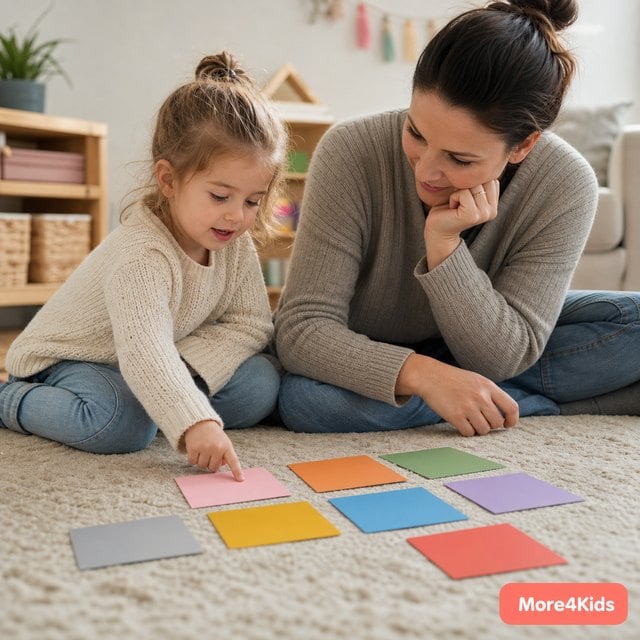
Before any plan, your child needs to feel heard. Pick a low-pressure moment, not the frantic morning or the exhausted after-school meltdown. Side-by-side talks often work best: in the car, on a walk, at bedtime, coloring together. Then ask open, gentle questions and resist the urge to fix or reassure too fast. “What is the hardest part of the day?” “If you could change one thing about school, what would it be?” “Is there a part that isn’t so bad?”
Then just listen. Reflect it back without arguing: “It sounds like lunch is really lonely right now.” A child who feels understood gives you far more to work with than a child who feels managed. If open conversation is hard in your house, our guide on how to get kids to listen and open up has calm-connection strategies that lower the walls.
Partner with the Teacher, Not Against Them
The teacher sees a side of your child you never will, and a warm, curious note usually opens far more doors than a combative one. Come as a teammate: “We’re hearing that school feels really hard right now and I’d love your read on how the day is going.” Ask what they notice at drop-off, at recess, during reading, at transitions. Teachers often spot the friendship dynamic or the skill gap you cannot see from home, and most are genuinely relieved when a parent reaches out to solve rather than to blame.
Solve the Specific Thing, One Piece at a Time
This is where the reasons above turn into action. Match the fix to the cause: a social problem gets a friendship or bullying plan and a check-in with the teacher; a too-hard subject gets support and a lighter load on shame; anxiety gets coping tools and gradual, supported exposure rather than avoidance; a rough morning gets a calmer routine; a depleted body gets earlier bedtimes and a real breakfast. You do not have to fix everything at once. Pick the loudest problem and take one small step, then the next.
Keep School a Steady, Expected Part of Life
When a child begs to stay home, our loving instinct is to grant relief, and an occasional genuine mental-health day is fine. But with anxiety-driven dread, staying home tends to make the fear grow and can harden into full school avoidance, because avoidance quietly teaches the brain that school really was too dangerous to face. The gentler long game is to stay warm and steady: acknowledge the hard feeling, keep the expectation that we go, and shrink the fear with support rather than escape. “I know mornings feel scary right now. I believe you can do this, and I’ll be right here at pickup.” Steady and kind, not harsh, is the sweet spot.
Protect the Relationship Above the Report Card
On the hard weeks, it is easy to let every conversation become about school, and suddenly your child feels like a problem to be solved. Guard some plain, joyful, school-free time together. A child who knows home is a safe, warm place to land copes with a hard school day far better than one who feels the stress followed them right through the front door. You are playing a long game, and the relationship is the foundation everything else is built on.

When “I Hate School” Might Be Something More
Most school dread eases once you find the reason and work it patiently. But you know your child best, and it is always okay to ask for more support. It can be worth a calm conversation with your pediatrician, the school counselor, or a child therapist if the distress is intense or lasts for weeks, if your child is refusing school outright or missing many days, if there are frequent physical complaints with no medical cause, or if the school dread comes bundled with big changes in sleep, mood, appetite, or friendships.
The American Academy of Pediatrics notes that persistent school avoidance usually has an underlying cause worth understanding, such as anxiety, a learning difficulty, or a social stressor, and that a calm, team approach between family, school, and doctor helps most. Reaching out is not an overreaction and it does not mean you failed. It means you are a tuned-in parent gathering the right tools, and there is real relief on the other side of asking.
For most families, though, the path is exactly what we walked through here: get curious instead of corrective, find the specific reason, listen first, partner with the teacher, solve one piece at a time, and keep home a soft place to land. The child who hates school today is very often the same child who, a few patient weeks later, climbs into the car and mentions, almost in passing, that today was actually okay. For more calm, practical support, our full parenting section and education articles are always here.
Frequently Asked Questions
Why does my child suddenly hate school when they used to love it?
A sudden shift almost always points to a specific, recent change rather than a personality flip. Something new is usually in the mix: a friendship that soured, a harder unit at school that dented their confidence, a new teacher or classroom, a bully, or a wave of anxiety. Because it is recent and specific, it is often very solvable. Get curious in a calm moment, ask what changed and what the hardest part of the day is now, and loop in the teacher for the view you cannot see from home.
Is it normal for kids to say they hate school?
Yes, it is extremely common, and on its own an occasional “I hate school” is usually just a child venting a hard day, a boring lesson, or an early wake-up. Most of the time a child hates school for a passing, ordinary reason. The time to pay closer attention is when it becomes a pattern: daily dread, tears or stomachaches every morning, begging to stay home, or a real drop in mood and sleep. Persistent, intense distress is the signal to gently dig for the underlying reason and, if it lingers for weeks, to reach out to the school or your pediatrician.
Should I let my anxious child stay home from school?
An occasional genuine mental-health day is fine, but with anxiety-driven school dread, regularly staying home tends to backfire, because avoidance quietly teaches the brain that school really was too scary to handle and the fear grows. The gentler approach is warm and steady: acknowledge the feeling, keep the expectation that we go, and shrink the fear with coping tools and support rather than escape. If your child is missing many days or the distress is severe, that is the point to bring in the school counselor or pediatrician for a team plan.
How do I talk to my child about why they hate school?
Choose a low-pressure, side-by-side moment, like the car, a walk, or bedtime, rather than the frantic morning. Ask open questions instead of yes-or-no ones: “What is the hardest part of your day?” or “If you could change one thing about school, what would it be?” Then listen far more than you talk, and reflect the feeling back without arguing it away. A child who feels heard, not managed, will slowly tell you the real reason underneath the words.
When should I worry that my child hates school?
Worry less about a one-off complaint and more about a lasting pattern. It is worth reaching out for support if the dread lasts for weeks, if your child is refusing to go or missing many days, if there are frequent stomachaches or headaches with no medical cause, or if the school stress comes with big changes in sleep, appetite, mood, or friendships. Start with the teacher and school counselor, and talk with your pediatrician if it persists. Asking for help early is a strength, not an overreaction.
Related Articles
- How to Help Your Child Make Friends
- Bullying: Strategies That Actually Help
- Emotional Regulation for Kids
- Building a Calm Morning Routine for Kids
- How to Build Confidence in a Child
Related Articles
- How To Help Your Child Make Friends
- Bullying Strategies
- How To Build Confidence In A Child
- Emotional Regulation For Kids
- Morning Routine For Kids
- How To Get Kids To Listen

Meet Sophia Richards Sophia Richards is an early childhood educator, passionate writer, and the proud mom of three energetic kids. With a degree in Education and over a decade of hands-on classroom experience, Sophia bridges the gap between professional teaching strategies and everyday family life. At More4Kids, she translates complex child development concepts into practical, actionable parenting tips that families can use at home.
Whether she is sharing positive reinforcement techniques, educational crafts, or honest reflections on the chaos of raising three children under one roof, Sophia’s goal is to empower parents to foster resilience and joy in their kids. When she isn't writing or lesson planning, you can find her organizing neighborhood scavenger hunts or trying out new kid-friendly recipes.
Areas of Expertise: Early Childhood Education, Positive Parenting, Sibling Dynamics, Educational Play, Family Wellness.

Add Comment