
















By Sophia Richards
Part of our Life Skills by Age guide — this is the deep dive for the tween years.
Ten to twelve is the stretch where your kid stops being a little kid who needs managing and starts becoming a person who can run large parts of their own life — if you let them. A tween can stay home alone for an afternoon, plan and pack for their own week, cook a real meal from a recipe, budget an allowance toward something that’s a month away, and juggle homework from four different teachers without you tracking a single due date. The capability is genuinely there. The life skills for tweens you build now are less about teaching brand-new abilities and more about handing over the controls before the teen years arrive.
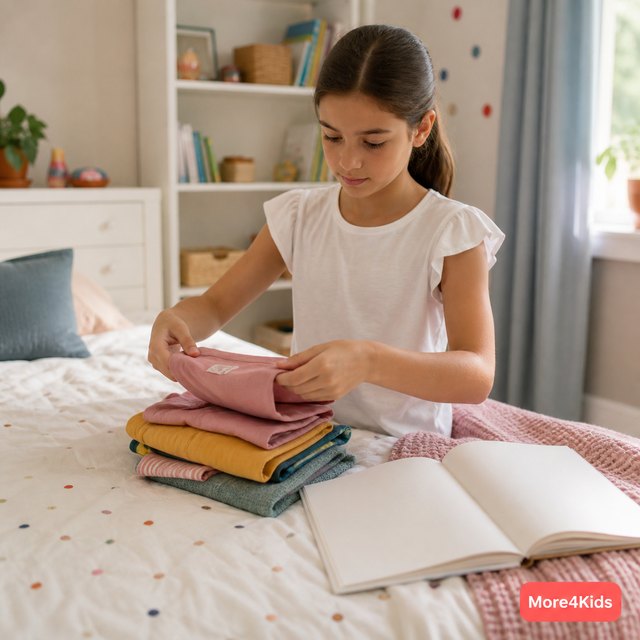
The tween years are the on-ramp to real independence, and they’re the last easy window to install the habits that carry a kid through middle school and high school. A ten-, eleven-, or twelve-year-old can think weeks ahead, manage money as a real budget, handle short stretches of being responsible for themselves, and own the fallout when a plan falls apart. Here’s what’s genuinely realistic in life skills for tweens, why independence and self-management matter more than any chore chart, and exactly how to grow them without either smothering a kid who’s dying for room or handing over more than they’re ready to carry.
Why 10-12 is the age independence has to be handed over
Table of Contents
Eight and nine was about owning a plan. Ten to twelve is about owning themselves for stretches at a time — the afternoon, the workload, the money, the choices — with you further and further out of the frame. That’s the leap, and it’s a big one.
The American Academy of Pediatrics’ developmental guidance (on its parent site, HealthyChildren.org) describes the older grade-school and preteen years as a time of surging independence, deeper friendships, and a strong pull toward doing things themselves and being seen as capable. The CDC’s positive-parenting guidance for young teens (12-14 years), which reaches down into the tween years, points the same way: this is when children push for more independence, care intensely about peers and fairness, start thinking more abstractly about the future, and can take on real responsibility for themselves and others.
Underneath it is a brain and body in transition. Tweens are moving into more abstract, flexible thinking — they can weigh options, imagine consequences that haven’t happened yet, and plan across weeks, not just days. At the same time, puberty is often beginning, which means bigger feelings, a fierce need for privacy and autonomy, and a social world that suddenly matters enormously. That combination is exactly why self-management, being trusted alone, and handling their own money and workload finally become teachable at real scale — and why a tween who’s given no room to practice independence tends to push for it in louder, riskier ways.
Here’s the part worth circling: the habits you hand over at ten, eleven, and twelve are the ones a teenager runs on autopilot. A tween who learns I manage my own assignments, I can be trusted by myself, I save for what I want, I clean up after myself becomes a fourteen-year-old you’re not fighting every night. Miss this window — keep managing it all yourself — and you’re trying to teach basic self-reliance to a sixteen-year-old who never had to, against a wall of “you never let me before.” The tween years are where independence gets built while it’s still welcome.
The life skills for tweens checklist: what a 10-12 year old can really do
Every child develops on their own timeline, and the range is especially wide in the tween years — a mature ten-year-old and a still-little twelve-year-old are both completely normal. Treat this as a menu of what’s possible, not a scorecard. Across the 10-12 years, most tweens can learn to:
Manage themselves and their schoolwork
- Track assignments from multiple teachers and plan a week using a planner, phone, or school app
- Break a long-term project into steps and pace it over one to two weeks without daily reminders
- Get up with their own alarm and run their full morning and bedtime routines solo
- Manage a growing homework load and study for a test with light coaching, not supervision
- Start remembering their own gear — cleats, instrument, library books — and feel the natural consequence when they don’t
Be responsible for themselves and the home
- Stay home alone for planned stretches where that’s age-appropriate and legal locally, following a clear check-in and emergency plan
- Watch a younger sibling briefly with a parent reachable, where appropriate
- Own real household chores start to finish — laundry from hamper to folded, loading and running the dishwasher, cleaning a bathroom, basic yard work
- Cook a simple meal from a recipe using the stove and oven with the safety rules held
- Answer the door and phone safely and take a clear message
Handle money like a real budget
- Manage an allowance or earnings as a genuine budget — save, spend, and give
- Save toward a bigger goal a month or more away and track progress against it
- Compare prices and unit costs, make a real spending decision, and live with it
- Begin understanding wants vs. needs, and that money runs out
- Handle a small amount of their own money in a store or online with guardrails
Grow judgment, safety, and digital sense
- Know their address, parents’ phone numbers, and exactly what to do in common emergencies
- Follow a safety plan for being alone, answering the door, or something going wrong
- Begin using a phone, messaging, or games responsibly with clear family rules and no illusion of total privacy
- Recognize basic online risks — strangers, oversharing, scams — and know to bring problems to a parent
Navigate big feelings and shifting friendships
- Name strong emotions and use self-calming strategies fairly independently
- Work through friendship drama, exclusion, and conflict with coaching rather than rescue
- Handle disappointment, losing, and “no” with growing (not perfect) composure
- Show empathy and pitch in for family and friends without being asked every time
If your tween isn’t doing all of these yet, that’s completely normal — kids this age grow in uneven bursts, and puberty can make a previously capable kid go wobbly for a while. This is a map of the territory, not a race, and effort counts as the win.

The method: how to grow independence without letting go of the rope
Tweens have real capability and a real, developmentally healthy hunger to be trusted. Teaching life skills for tweens is mostly about transferring control in deliberate steps — giving genuine independence while keeping a safety net they can feel but not lean on. A few moves do most of the work.
1. Hand over ownership in real, visible chunks. This is the age to stop managing and start delegating. Give your tween a whole domain to own — their own laundry, their own assignment tracking, their own weekday breakfast and lunch — not a task you supervise. Ownership means you stop tracking it. That’s the scary part and the whole point. When it slips, you resist the urge to jump in; you ask what their plan is to fix it. A skill isn’t handed over until you’ve stopped carrying it.
2. Practice being alone before it’s for real. Staying home alone is one of the biggest tween milestones, and it’s earned in steps, not granted on a birthday. Where it’s age-appropriate and legal where you live, start small: fifteen minutes while you’re on a quick errand, then an hour, with a clear plan — who to call, what’s off-limits (stove, door, pool), how to reach you, what to do if someone knocks. Debrief afterward: “How did that feel? Anything come up?” You’re building both the skill and the judgment, and each successful stretch is evidence you can both point to for the next one.
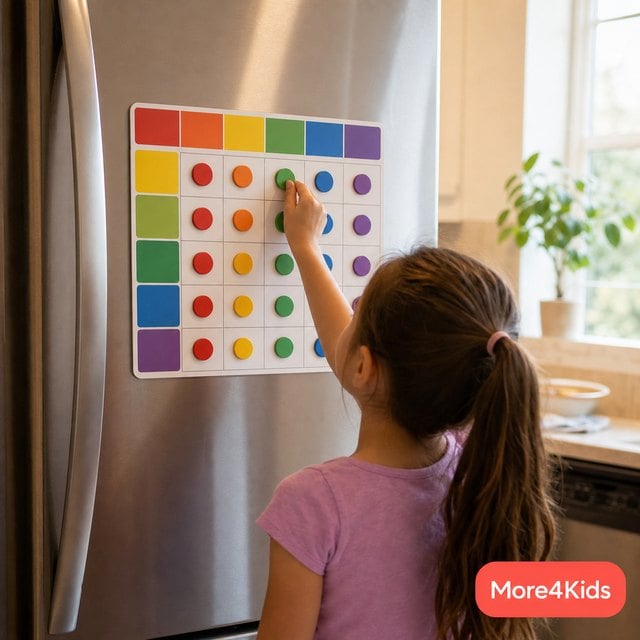
3. Move money into a real budget with real stakes. At eight and nine, money became a save/spend split. At ten to twelve, it becomes a budget they run. Whether it comes from an allowance, earnings, or gifts, help your tween manage it across save, spend, and give, set a goal that’s genuinely a month or more away, and track it. The Consumer Financial Protection Bureau’s Money as You Grow offers age-based activities built on a simple truth: kids learn money by doing — saving toward a goal, comparing two real prices, feeling the tradeoff — not by lectures. When you’re ready to go deeper, our guide to teaching kids about money has age-matched steps.
4. Trade reminders for systems and consequences. The tween instinct in most homes is to keep nagging — planner, cleats, chore, phone charger. Retire the reminders. Help your tween build a system they own (a planner, phone alarms, a launch spot by the door) and then let real, safe consequences teach the rest. A forgotten assignment, a chore that means no screen time, an allowance blown before the thing they wanted — those land harder and stick longer than your voice ever will. Set the expectation once, then let the outcome carry the lesson. Our guide to teaching kids responsibility goes deeper on letting natural consequences do the work.
5. Stay the calm coach as the feelings get bigger. Puberty is often starting, and your steady, capable kid may swing into moody, private, and prickly. Don’t take the pushback as a reason to pull back the independence — it’s the developmental job, not defiance. Keep the warmth, hold the important lines calmly, and coach instead of controlling: “You’ve got this — what’s your plan?” The tween who feels both trusted and safely held is the one who keeps bringing you the hard stuff instead of hiding it. If big feelings are running the show, our guide to emotional regulation for kids has age-appropriate tools.
Word-for-word scripts for the hard moments
Sometimes you just need the words. Here are the ones I reach for most with this age:
When they beg to stay home alone: “I think you’re getting ready for that. Let’s practice — I’ll run to the store for twenty minutes, here’s the plan and the rules, and if it goes well we’ll go longer next time.” You say yes to the independence and build it in safe, provable steps.

When homework and projects pile up: “That’s a lot on your plate. What’s your plan to spread it across the week?” Then hand the planning back. Coaching the plan instead of building it for them is the self-management skill you’re growing.
When they want an expensive thing right now: “Good goal. How much of your own money do you have toward it? If it’s not enough yet, this is what you’re saving for — let’s figure out how many weeks.” You turn a want into a budgeting plan, and “no” becomes “not yet, here’s how.”
When a chore or job gets skipped again: “I’m not going to remind you anymore — that’s yours now. What system would help you remember it?” You hold the ownership, skip the nag, and hand them the problem to solve.
When friendship drama or exclusion hits: “That sounds really hard. Do you want help thinking it through, or do you just need me to listen right now?” You offer support without taking over the problem — and you find out which one they actually need.
When the phone or online world gets complicated: “You can always bring me anything you see or that happens online, even if you think you messed up — you won’t be in trouble for telling me.” You keep the door open, which matters far more than any monitoring app.

Troubleshooting the resistance
“My tween wants total independence but won’t do the responsibilities that come with it.” Extremely common — the desire runs ahead of the follow-through at this age. Tie the two together, calmly and consistently: independence is earned and demonstrated, not declared. The privileges they want (staying home alone, more phone freedom, a later bedtime) grow directly out of the responsibilities they own. Not as a punishment — as the actual way trust works.
“They procrastinate on everything until it’s a crisis.” The planning brain is developing, but the pull of later plus a bigger workload makes tween procrastination almost universal. Don’t rescue it into a system for them — build the system with them (planner, phone reminders, a set work-before-screens block) so it’s theirs, and let one missed deadline land as a small, real consequence. The internal alarm grows from feeling the fallout, not from your reminders.
“I’m scared to leave them home alone.” That’s a fair instinct, and the answer is practice, not avoidance. Where it’s age-appropriate and legal where you live, build it in tiny, planned steps with a clear check-in and emergency plan, and debrief each time. Each successful stretch is real evidence — for them and for you — that they can handle the next one. Skipping the practice entirely just moves the same nervous first time to a later age with higher stakes.
“The attitude and moodiness showed up out of nowhere.” Welcome to the front edge of puberty — the eye-rolls and the door-closing are developmental, not a character change. Keep your own tone steady, don’t match the drama, hold the important limits with warmth, and keep showing up. The tween who feels you can handle their storms without withdrawing your love or your trust is the one who keeps talking to you.
“It’s honestly faster and less stressful if I just handle it myself.” Today, absolutely. But you’re not buying a smooth afternoon — you’re buying a fourteen-year-old who manages their own homework, a sixteen-year-old you can leave for a weekend, and a young adult who can run their own life. The messier, slower tween version is the deposit that pays out through every teen year ahead.
What to relax about
A quick permission slip, because tween-parent worry runs high. Uneven development is the rule, not the exception — a tween who cooks dinner and runs their own laundry might still forget their homework three days running or dissolve over a friendship text, and that’s development, not a red flag. Kids hit independence, money sense, and emotional steadiness on wildly different schedules, and puberty can make a capable kid regress for a while before leaping forward. You also don’t need a rigid contract or a perfect reward system; the whole tween curriculum is hand over real ownership, let natural consequences teach, keep the connection warm, and grow the leash in steps. And the forgotten assignments, blown budgets, and dramatic meltdowns aren’t failures — they’re the reps. A tween who gets to stumble now, inside your safety net, is a teen who stumbles less when the net is gone.
Building the tween who can run their own life
If there’s one thing to pour energy into at 10-12, it’s genuine self-management — because it’s the daily rehearsal for the near-total independence of the teen years. The goal isn’t a kid who does what you say; it’s a kid who sees what needs doing, makes a plan, handles their own stuff, and comes to you for the big things instead of the every-things.
Build it by handing over real domains and stepping back. Give your tween ownership of their laundry, their assignments, their morning, their money — set up the systems together so they own them, then genuinely stop carrying the load yourself. When it slips, ask for their plan instead of supplying yours. Grow the independence in provable steps — a stretch home alone, a bigger budget goal, a project paced over two weeks — and name it out loud when it works: “You ran your whole week and handled it. That was all you.” That sentence, repeated over months, is how a tween becomes a teenager who genuinely runs their own days. For turning helping and follow-through into lasting responsibility, our guides to age-appropriate chores for kids and raising responsible kids dig into the long game.
Frequently Asked Questions
What life skills should a tween (10-12) have?
By the tween years, most kids can manage their own schoolwork from multiple teachers with a planner, run their full morning and bedtime routines solo, and cook a simple meal from a recipe with the safety rules held. Many can also stay home alone for short planned stretches where that’s age-appropriate and legal locally, own real household chores like laundry and dishes start to finish, run an allowance as a genuine save/spend/give budget toward a goal a month away, and begin using a phone or games responsibly under clear family rules. Expect an uneven mix — solid on some, still learning others, and sometimes wobbly during puberty — and count the effort as the win.
At what age can a tween stay home alone?
There’s no single right age — it depends on your child’s maturity, your setup, and your local laws, since some states and regions have specific guidelines. The safer approach is to build it in steps rather than granting it on a birthday: start with fifteen minutes while you run a quick errand, then an hour, always with a clear plan for who to call, what’s off-limits, how to reach you, and what to do if someone comes to the door. Debrief after each try. Each successful stretch is real evidence you can both use to decide on the next one, and practice matters far more than any specific number.
How do I teach my tween to manage money?
Move money from a simple save/spend split into a real budget they run. Whether it comes from an allowance, earnings, or gifts, help your tween divide it across save, spend, and give, set a goal that’s genuinely a month or more away, and track progress toward it. Let them compare real prices and make actual spending choices — then live with the results, including running out. The CFPB’s Money as You Grow framework makes the point that kids build money habits by doing, not by lectures, so the most powerful teacher at this age is letting a blown budget land once without a bailout.
My tween is suddenly moody and wants total privacy. Is that normal?
Yes — moodiness, a hunger for privacy, and pushing hard for independence are core developmental jobs of the tween years, often driven by the early stages of puberty. It’s not a sign something’s wrong or that your relationship is breaking. Keep your own tone steady, don’t match the drama, hold the important limits with warmth, and grant the independence they’ve earned in real areas. Most of all, keep the door open — a tween who knows they can bring you anything without losing your love or your trust is the one who keeps talking to you through the harder teen years ahead.
The takeaway
Ten to twelve is when independence stops being a someday and becomes a now: a tween who runs their own week, cooks their own dinner, budgets their own money, handles an afternoon alone — and, yes, sometimes procrastinates, blows the budget, slams a door, and learns from all of it. Every time you hand over a whole domain instead of managing it, practice being alone in safe steps instead of waiting for “old enough,” and let the missed deadline and the spent allowance stand, you’re telling your child something they’ll carry into every teen year: you are capable, I trust you, and I’m right here.
Hand over real ownership, grow the leash in steps, and keep the connection warm. The life skills for tweens you’re building now — the self-management, the independence, the money sense — are the working foundation for the far more independent teenager just around the corner.
Ready for the next stage? Head back to the full Life Skills by Age guide — the deep dive for teenagers, ages 13-15, is coming next in this series.
Related Articles
- Life Skills By Age
- How To Teach Kids About Money
- Teaching Kids Responsibility
- Emotional Regulation For Kids
- Chores For Kids
- Parenting Tips For Responsible Kids

Meet Sophia Richards Sophia Richards is an early childhood educator, passionate writer, and the proud mom of three energetic kids. With a degree in Education and over a decade of hands-on classroom experience, Sophia bridges the gap between professional teaching strategies and everyday family life. At More4Kids, she translates complex child development concepts into practical, actionable parenting tips that families can use at home.
Whether she is sharing positive reinforcement techniques, educational crafts, or honest reflections on the chaos of raising three children under one roof, Sophia’s goal is to empower parents to foster resilience and joy in their kids. When she isn't writing or lesson planning, you can find her organizing neighborhood scavenger hunts or trying out new kid-friendly recipes.
Areas of Expertise: Early Childhood Education, Positive Parenting, Sibling Dynamics, Educational Play, Family Wellness.

Add Comment