
















By Sophia Richards
How to deal with whining child moments is one of those parenting questions that sounds small until it is 5:42 p.m., dinner is half-made, one shoe is missing, and the same stretched-out voice has asked for a snack eight different ways.
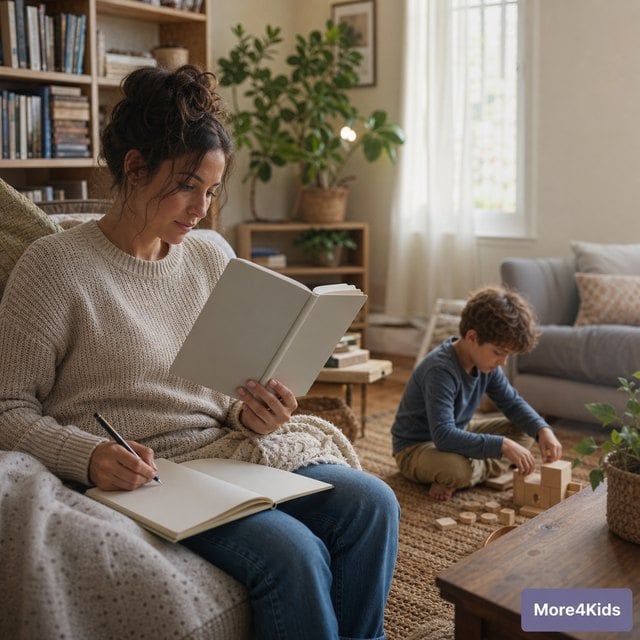
I have been there. With three kids, I have learned that whining can feel like noise aimed directly at a parent’s last calm nerve. But most of the time, a whining child is not trying to ruin the room. They are tired, hungry, disappointed, bored, overstimulated, or missing the words they need. That does not mean we give in. It means we respond like the grown-up who still has the map.
In my early-childhood classroom days, I saw the same pattern. Children often used the whiny voice when they had a real need and a shaky way of asking for it. The work was not to shame the sound out of them. The work was to teach the next skill: a regular voice, a clear request, and a parent who can hold the boundary without turning the whole moment into a power contest.
Why Kids Whine in the First Place
Table of Contents
Whining is usually communication, just not very pleasant communication. A child may be asking for connection, help, food, rest, a choice, or a limit they do not like. Sometimes whining appears because it has worked before. If the tired parent finally says yes after the fifth whine, the child’s brain learns, “That voice gets attention.”
That can happen in loving homes. No guilt required. Every parent has given in once just to survive the grocery line or finish a phone call. The goal is not to replay those moments with shame. The goal is to notice the pattern and decide what you will teach next.
The CDC’s guidance on giving clear directions is helpful here because whining often grows when a child is unsure what the adult expects. Short, specific directions give children less to argue with and more to practice. “Use your regular voice and ask again” is easier to follow than a frustrated lecture about attitude.
In our house, I also try to check the obvious first. Has this child eaten? Are they wiped out? Have I dragged them through three errands and then acted surprised that they are unraveling in aisle seven? Sometimes the best whining plan is a granola bar, a five-minute reset, or fewer transitions next time.
How to Deal With Whining Child Moments Without Giving In
The tricky part of how to deal with whining child moments is that two things can be true at once: your child’s feeling can be real, and the whining voice still does not get to run the house.
Try a simple three-step response:
1. Name what you hear. 2. Ask for the regular voice. 3. Answer the request, not the whine.
It might sound like:
- “I hear that you really want juice. Ask me in your regular voice.”
- “That sounded whiny. Try again: ‘Can I have help, please?'”
- “I can listen when your voice is calm.”
- “I know waiting is hard. The answer is still no.”
This is not ignoring the child. It is ignoring the whining as a strategy while staying connected to the child. That difference matters.
HealthyChildren.org’s page on disciplining your child frames discipline as teaching. I like that word because it changes my posture. I am not trying to win against my child. I am teaching a better way to ask, wait, and handle disappointment.
If your child switches to a regular voice, answer warmly and quickly when you can. “Thank you. I understand you now.” That tiny sentence teaches more than a long speech.
Use a Calm Script Before You Are Annoyed
Parents do not need a perfect speech. We need one calm script we can remember under pressure.
Pick one and use it for a week:
- “Try that again in your regular voice.”
- “I can help when I can understand you.”
- “You may be upset, and the answer is still no.”
- “Use words I can hear kindly.”
- “I will listen when the whining stops.”
The script should be short enough to say while buckling a car seat or chopping vegetables. When I am tired, I do not need a philosophy. I need a sentence.
This is also where positive parenting helps. Positive parenting does not mean permissive parenting. It means you look for the behavior you want and reinforce it when it appears. When a child shifts from whining to a clear request, notice it.
Try:
- “That was much easier to understand.”
- “You asked calmly even though you were disappointed.”
- “Thank you for trying again.”
These little moments are not bribes. They are feedback. Children learn what works by what we respond to.

Do Not Accidentally Reward the Whine
This part is hard because whining can make a parent want to do anything to make it stop.
If the answer is yes, ask for the regular voice before giving the thing. If the answer is no, do not make it yes because the whining got louder. If the answer is “after homework,” keep it “after homework.”
Nationwide Children’s Hospital’s article on stopping a child’s whining makes the same practical point: if whining works, it can become a pattern. The parent job is to teach a clearer way to ask.
In a mom-of-three house, this gets extra interesting because siblings notice everything. If one child gets the cookie after twenty seconds of whining, the others file that away like tiny behavior scientists. Consistency does not have to be cold. It just has to be steady enough that the lesson is clear.
That steadiness also supports better behavior in children because children do better when the expected path is predictable. “Whining does not change the answer, but a calm voice helps me understand you” is a path they can learn. That same steadiness runs through the rest of our parenting guides, if you want to keep building on it.
Meet the Need Under the Noise
Holding a boundary does not mean missing the need.
A whining child may be saying:
- I am hungry.
- I need help starting.
- I want your attention.
- This transition is hard.
- I do not know how to wait.
- I am disappointed and do not like this feeling.
When the room is calmer, try translating the whine together. You can say, “I think you were trying to say, ‘Mom, I need help with my shoe.’ Let’s practice that.” Some kids need the actual words handed to them.
In the classroom, I used to model the sentence and let the child repeat it. At home, I still do. Not because my kids are robots, but because language takes practice. “Can you help me?” and “I’m frustrated” are learned tools.
For a younger child, you might offer two choices:
- “Do you need help or a hug?”
- “Are you hungry or tired?”
- “Do you want to try alone or have me start with you?”
For an older child, you might say, “I want to understand you. Start again without the whine.” That keeps dignity in the room. Nobody likes being mocked for a voice they slipped into when they were overwhelmed.
Build Routines That Prevent Some Whining
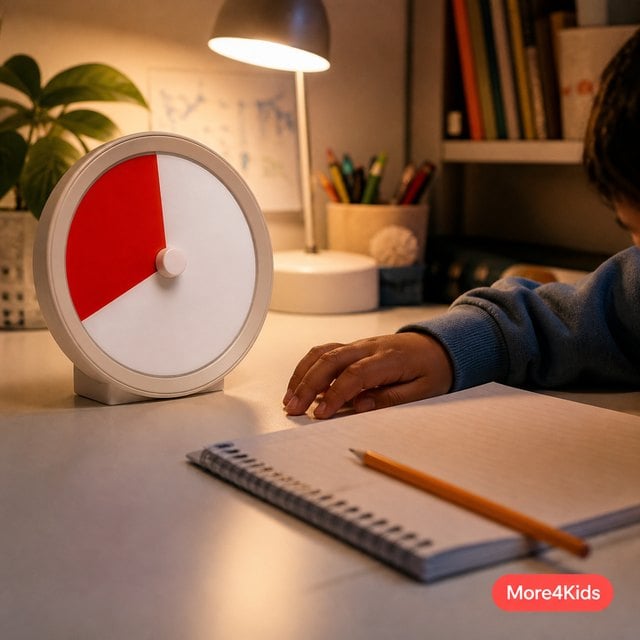
Not all whining is preventable, but some of it is predictable.
The late-afternoon crash. The shoes before school. The screen-time ending. The sibling who touches the exact toy at the exact wrong moment. Families have patterns, and patterns are useful clues. If the end of screen time is a reliable flashpoint in your house, a calm guide to screen time can take some of the heat out of that transition before the whining even starts.
The CDC’s guidance on routines and rules emphasizes consistency, which is one reason routines help. Children do not have to negotiate every step when the step is already known.
You might build a small routine around the whiniest parts of the day:
- Snack first, then homework.
- Ten-minute warning before screens end.
- Shoes by the door before breakfast.
- A bedtime checklist with pictures.
- One approved “ask for help” phrase on the fridge.
A listening routine can also help because children respond better when our directions are specific and timely. I have to remind myself of this all the time. If I call across the house while doing three other things, I should not be shocked when the response is messy.

Stay Warm, Not Wobbly
Warm and firm can live in the same sentence.
Warm says, “I hear you.”
Firm says, “The answer is not changing because of the whine.”
Together, they sound like:
- “You really wanted more tablet time. It is hard to stop. Tablet time is done.”
- “You may be upset about the blue cup. You may not scream at your sister.”
- “I know you want me to carry you. I can hold your hand while you walk.”
- “You can ask again calmly, or you can take a minute and try after.”
Michigan State University Extension’s preschool guidance on responding to whining points parents toward noticing when a child talks instead of whines. That is the part I think many of us skip because we are so relieved the sound stopped. But the moment a child uses the regular voice is the teachable moment.
You do not need to overpraise. Just mark it: “There it is. I can understand you now.”
When Whining Turns Into a Bigger Meltdown
Sometimes a whining child cannot pull it back together with one script. The whine becomes crying, yelling, stomping, or a full tantrum. At that point, keep the goal small: safety, calm, and fewer words.
You can say:
- “I am close. I will talk when your body is calmer.”
- “You are having a hard time. I will not argue.”
- “The answer is still no. I can help you calm down.”
If this sounds like your house right now, you may also find it useful to revisit temper tantrums as a separate topic. Whining and tantrums overlap, but a tantrum usually needs less teaching in the moment and more support after the storm passes.
Afterward, keep the repair simple. “That was hard. Next time, you can say, ‘I’m mad,’ or ‘Help me.'” Then practice once. Do not turn every hard moment into a courtroom recap.
If whining is sudden, intense, constant, paired with big changes in sleep or school, or feels very out of character for your child, it is reasonable to bring it up with your pediatrician or a trusted child-development professional. That is not because whining means something is “wrong.” It is because families deserve support when a pattern is wearing everyone down.
A One-Week Whining Reset
If you want a simple place to start, try this for one week:
1. Pick one script. 2. Tell your child the plan during a calm moment. 3. Check hunger, sleep, and transition points. 4. Ask for the regular voice before answering. 5. Hold the boundary if the answer is no. 6. Notice the regular voice when it appears. 7. Practice one better sentence each day.
You might say at breakfast, “This week, I am going to help us work on whining. If I hear the whiny voice, I will ask you to try again in your regular voice. I will listen when I can understand you.”
That heads-up matters. Children do better when the rule is introduced before they are already upset.
How to deal with whining child moments is really about teaching communication under stress. Your child is learning how to ask, wait, handle no, and try again. You are learning how to stay steady when a sound hits the last nerve in your body.
Nobody does this perfectly. I certainly do not. But a calmer script, a predictable boundary, and a little attention to the need underneath can change the feel of the whole room. The whine may not disappear overnight. Still, the path gets clearer: regular voice, real words, steady parent, try again.

Frequently Asked Questions
Why does my child whine so much?
Children often whine when they are tired, hungry, disappointed, seeking attention, or missing the words to ask clearly. The whiny voice can also become a habit if it often gets a quick response.
What is the best way to answer a whining child?
A calm, consistent script usually works better than a lecture. Ask your child to use a regular voice, then answer the request without rewarding the whining.
Should I ignore whining completely?
You can avoid rewarding the whining voice while still staying connected to the child. A simple line like “I can listen when you use your regular voice” keeps the boundary clear.
How do I stop whining without yelling?
Choose one short script, say it calmly, and repeat it. Then praise or acknowledge the regular voice when your child tries again.
When should I worry about constant whining?
If whining is sudden, intense, constant, or paired with major changes in sleep, school, mood, or daily life, it is wise to ask your pediatrician or a trusted child-development professional for guidance.
Related Articles
- What Is Positive Parenting
- Cultivating Better Behavior In Children
- Easy Steps To Listening Kids
- Temper Tantrums

Meet Sophia Richards Sophia Richards is an early childhood educator, passionate writer, and the proud mom of three energetic kids. With a degree in Education and over a decade of hands-on classroom experience, Sophia bridges the gap between professional teaching strategies and everyday family life. At More4Kids, she translates complex child development concepts into practical, actionable parenting tips that families can use at home.
Whether she is sharing positive reinforcement techniques, educational crafts, or honest reflections on the chaos of raising three children under one roof, Sophia’s goal is to empower parents to foster resilience and joy in their kids. When she isn't writing or lesson planning, you can find her organizing neighborhood scavenger hunts or trying out new kid-friendly recipes.
Areas of Expertise: Early Childhood Education, Positive Parenting, Sibling Dynamics, Educational Play, Family Wellness.

Add Comment