















By Sophia Richards
When my middle one was about six, she stood at the edge of the pool for what felt like an entire summer, toes curled over the lip, wanting to jump and not quite able to. I learned more about how to build confidence in a child watching her on that pool deck than I ever did from a parenting book. I didn't push her in. I didn't tell her there was nothing to be scared of, because to her there clearly was. I just sat close, named what she was feeling, and let her find her own moment. She jumped on day nine. The grin afterward could have powered the whole neighborhood.

I'm a mom of three and a former early childhood educator, and if there's one thing I've come to believe, it's that confidence isn't a personality trait some lucky kids are born with. It's something quieter and more hopeful than that — a thing we help grow, one ordinary day at a time. Here are the gentle habits I keep coming back to.
Praise the effort, not just the gold star
Table of Contents
It's so tempting to say "you're so smart" or "you're a natural." It feels loving, and it is. But when we praise the outcome, kids quietly learn that their worth rides on getting it right. Praise the *effort* instead — "you kept going even when that was tricky" or "I saw how carefully you worked on that." This is the heart of building healthy self-esteem: a child who believes effort matters will try the hard thing again, because trying is the part they got applauded for.
Over time, effort-based praise builds the kind of self-esteem that doesn't shatter the first time a child fails a spelling test. They learn that struggling at something doesn't mean they're bad at it — it means they're still in the middle of learning it. The way we talk shapes how kids see themselves, which is exactly why the words we choose carry so much weight.
Let them do hard things (even slowly)
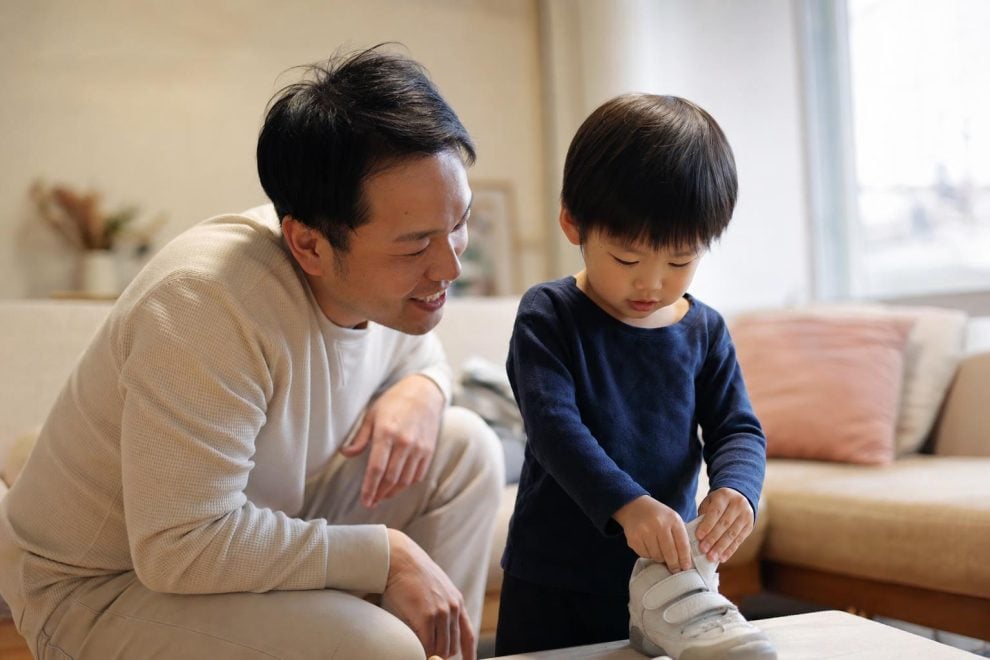
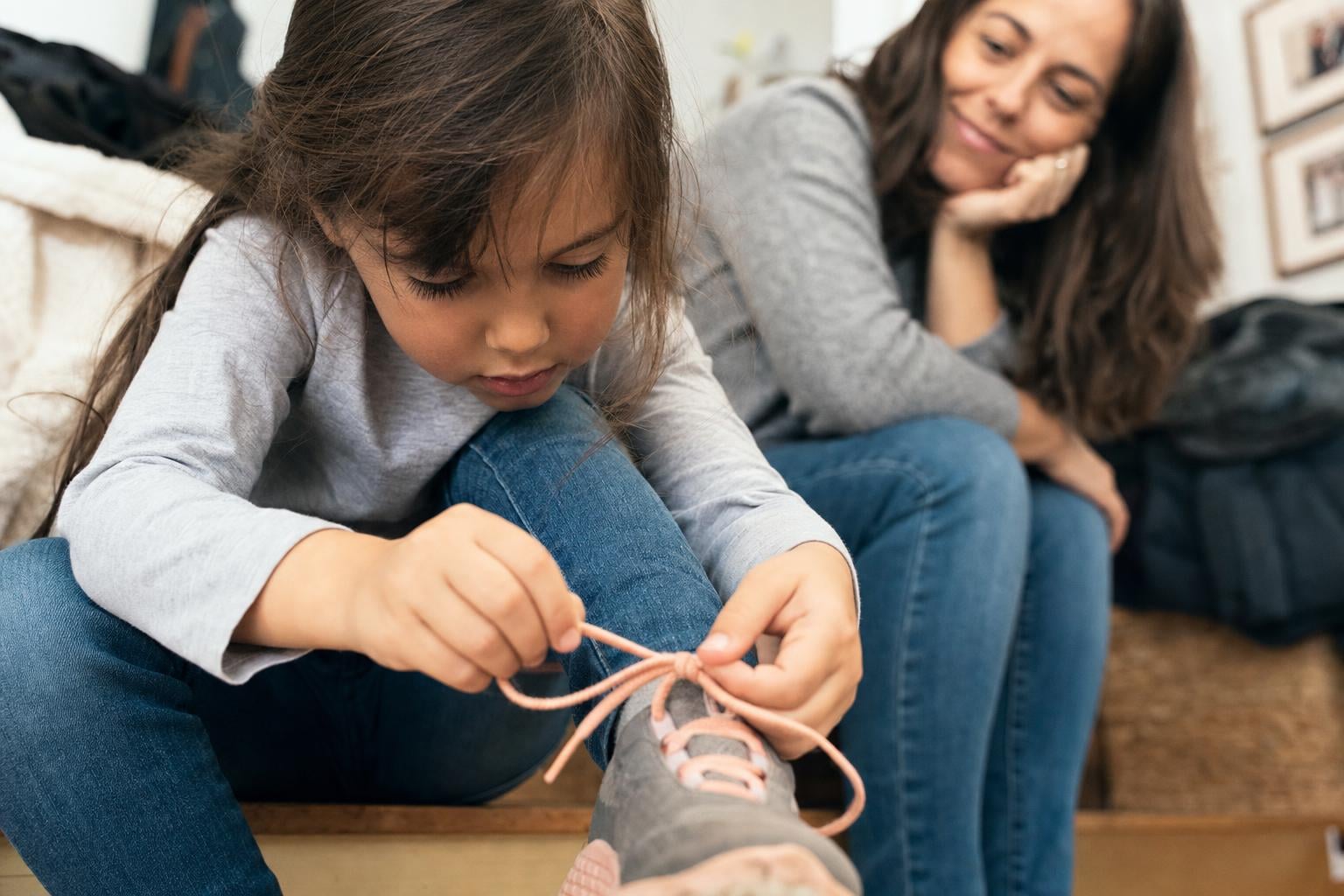
Our instinct is to step in. The shoelaces are taking forever, the cereal is going to spill, we're already late. But every time we rush to do a thing *for* a capable child, we send a tiny message: I don't think you can. Confidence grows in the gap between "I can't" and "I did it myself" — and that gap is full of slow, messy, beautiful effort.
So let them pour the milk. Let them lose to you at the board game sometimes and beat you fair other times. Let them feel the honest pride of a job they finished on their own. It's slower in the moment and so worth it in the long run.
How to build confidence in a child through small, winnable challenges
Here's the practical engine behind most of this: confidence is built from a stack of small wins. A child who has never done something can't leap straight to brave — but they can take one doable step, succeed, and feel a little taller. Then the next step feels possible. That's genuinely how to build confidence in a child without ever pushing them past what they can handle.
Look for the next *slightly* hard thing, not the terrifying thing. If they're shy, that might be ordering their own ice cream while you stand beside them — not giving a speech. Stack enough of those little victories and you've built something sturdy. For more on raising kids who bounce back from setbacks, our piece on raising resilient children walks the same gentle path.
Don't rescue too fast
When your child hits a wall — a tower that won't stand, a friend who won't share, homework that feels impossible — pause before you swoop in. Ask, "What do you think you could try?" before offering the answer. You're not abandoning them; you're handing them the chance to discover they can solve things.
This one is hard for me as a parent, I know. Watching a child wrestle with frustration goes against every protective instinct we have. But rescued kids stay unsure of themselves, while kids who are gently coached through a struggle walk away thinking, *I figured that out.* That belief is worth a hundred quick fixes.
Name feelings instead of fixing them
A confident child is, underneath it all, a child who trusts their own inner world. When we say "you seem really frustrated that it fell down" instead of "don't cry, it's fine," we tell them their feelings make sense and aren't too big to handle. Kids who feel understood at home carry a steadier sense of self out into the world.
The American Academy of Pediatrics, through its HealthyChildren.org guidance on self-esteem, points to exactly this — that feeling loved, capable, and accepted is the foundation a child's confidence is built on. You don't have to fix the feeling. You just have to let them know it belongs.
Give real responsibility
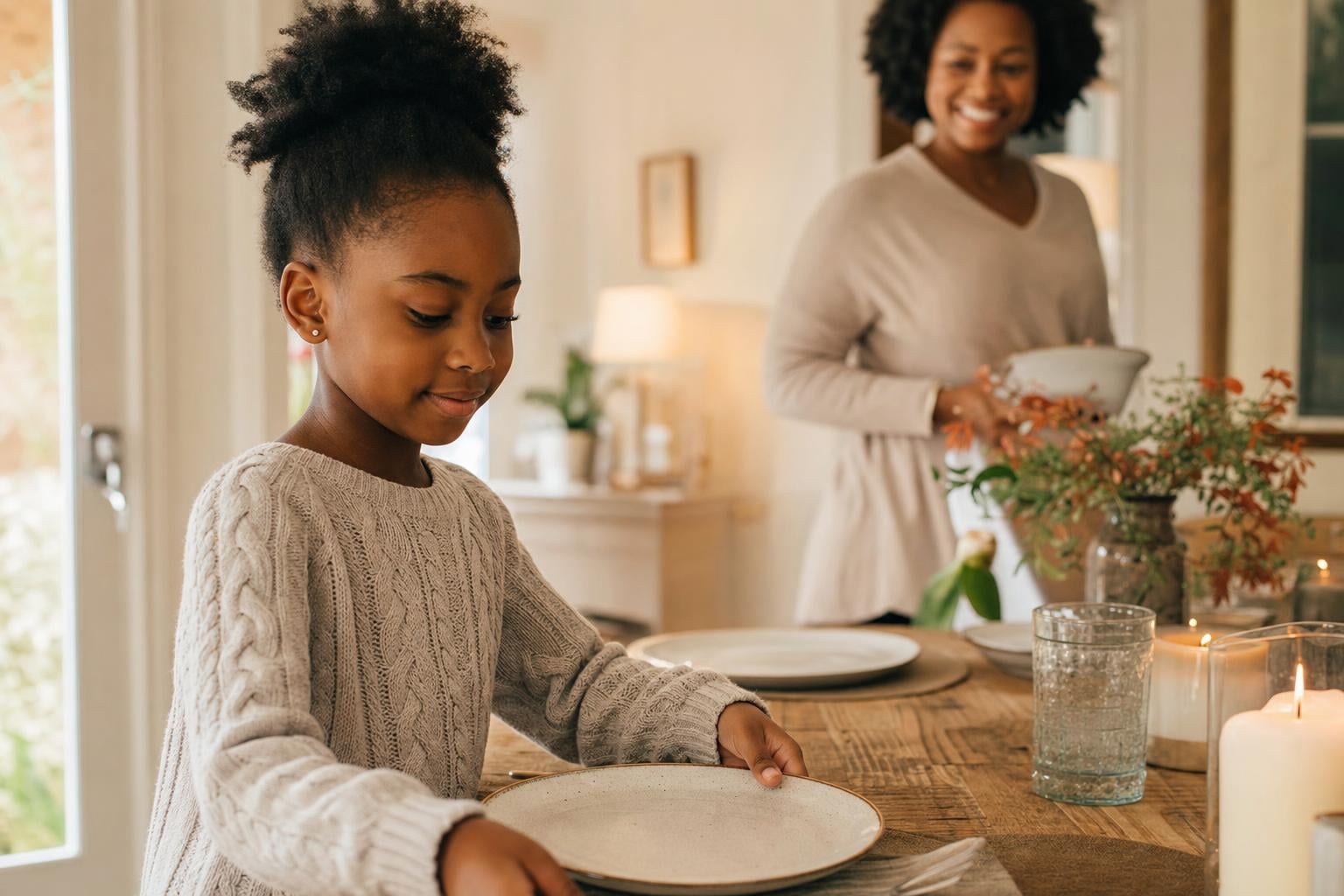
Few things grow self-esteem like being genuinely needed. In my house, the small jobs are everywhere — a four-year-old who feeds the cat, a nine-year-old in charge of the recycling, a tween who makes the family pancakes on Saturday — and they all say *you matter here, and we're counting on you.* Responsibility, handed over with trust, tells a child they're a capable contributor, not just a small person things happen to.
Keep it real and age-appropriate, and resist the urge to redo their work the second they walk away. A slightly lopsided made bed that they made themselves does more for confidence than a perfect one you fixed.
Watch your own self-talk
Kids are always listening, especially when we forget they are. If they hear us call ourselves stupid for a small mistake, or pick apart our reflection in the mirror, they file it away as how grown-ups treat themselves. Modeling gentle, forgiving self-talk is one of the quietest, most powerful confidence lessons we ever teach. Nemours offers a lovely overview of this in their parent guide to children's self-esteem — so much of what our kids believe about themselves, they first hear from us.
Let them be heard
Confidence and feeling valued grow together. When a child knows their opinion counts at home — about the weekend plan, the dinner menu, the color of their bedroom — they learn their voice has weight. Ask for their thoughts and actually listen. So many of the building blocks of a secure, happy child come back to this simple thing: being truly seen and heard by the people they love most.
Love them on the off days
Finally, the most important one. A child's deepest confidence doesn't come from winning — it comes from knowing they're loved completely, on their worst days as much as their best. When your love clearly isn't a prize for good behavior, a child stops performing for it and starts standing on it. That unconditional ground is what lets them take risks, fail, and try again.
A gentle word before you go
You don't have to do all nine of these perfectly, and honestly, none of us do. Pick one — maybe praising effort, maybe biting your tongue before you rescue — and try it this week. Confidence isn't built in a single grand gesture; it's built in a thousand small, ordinary moments where a child feels capable, safe, and loved. That, in the end, is how to build confidence in a child that lasts — slowly, warmly, and right there in the middle of regular life. You're already doing more of it than you think.
Frequently Asked Questions
How do I build confidence in a child?
Confidence is built from a stack of small wins. Look for the next slightly hard thing rather than the terrifying one — for a shy child that might be ordering their own ice cream while you stand beside them, not giving a speech. Each success makes the next step feel possible.
Should I praise my child for being smart?
Praise the effort, not just the outcome. "You kept going even when that was tricky" builds self-esteem that doesn't shatter the first time they fail a test, while "you're so smart" quietly teaches a child that their worth rides on getting it right.
Should I step in when my child is struggling?
Pause before you swoop in. Ask "what do you think you could try?" before offering the answer. You're not abandoning them — you're handing them the chance to discover they can solve things. Gently coached kids walk away thinking I figured that out, while rescued kids stay unsure of themselves.
What builds a child's confidence the most?
A child's deepest confidence comes from knowing they're loved completely, on their worst days as much as their best. When your love clearly isn't a prize for good behavior, a child stops performing for it and starts standing on it — and that secure ground is what lets them take risks, fail, and try again.
Related Articles

Meet Sophia Richards Sophia Richards is an early childhood educator, passionate writer, and the proud mom of three energetic kids. With a degree in Education and over a decade of hands-on classroom experience, Sophia bridges the gap between professional teaching strategies and everyday family life. At More4Kids, she translates complex child development concepts into practical, actionable parenting tips that families can use at home.
Whether she is sharing positive reinforcement techniques, educational crafts, or honest reflections on the chaos of raising three children under one roof, Sophia’s goal is to empower parents to foster resilience and joy in their kids. When she isn't writing or lesson planning, you can find her organizing neighborhood scavenger hunts or trying out new kid-friendly recipes.
Areas of Expertise: Early Childhood Education, Positive Parenting, Sibling Dynamics, Educational Play, Family Wellness.

Add Comment