




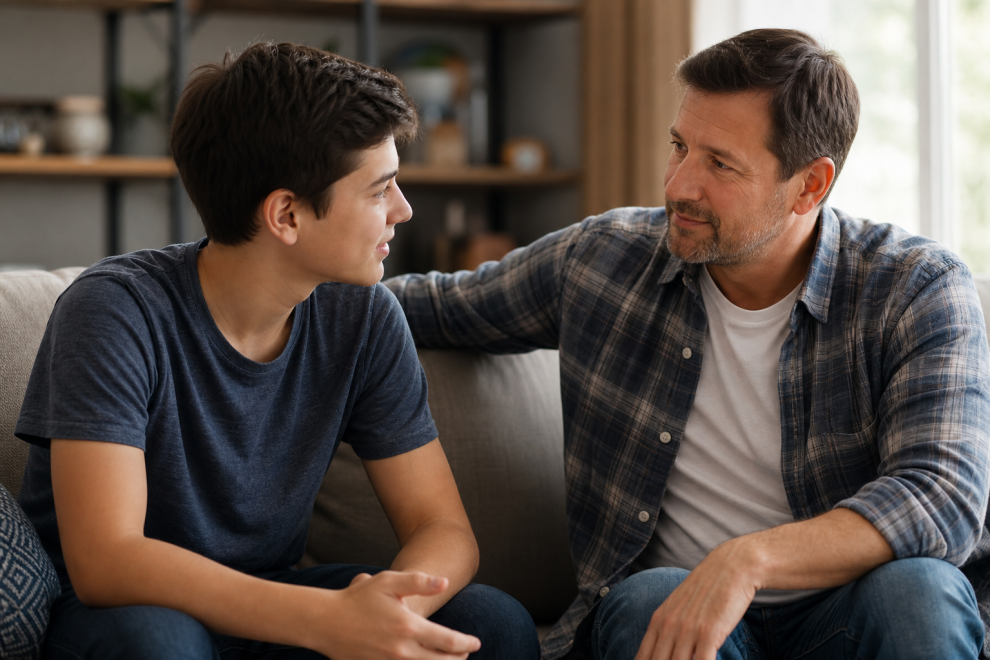


No parent wants to see their teen hurt, abused or manipulated. It our basest instincts to step in and protect our children from harm. However, we can not protect our children from every single hurt and there will be times when you simply aren’t around to shield your child. The best thing that you can do is actually a two prong approach. The first prong is keeping an open, honest and close relationship with your child. Let them know that they can talk to you about anything. The second prong is teaching your child how to handle harmful situations, instilling the confidence to recognize when they are being mistreated and the strength to walk away.
Let yourself be an Example
Table of Contents
Know the Different Types of Abuse
Abuse has many faces. Of course we are probably most familiar with physical abuse, but emotional abuse, verbal abuse, cruel mind games and threatening harm are all forms of abuse. If it makes you feel as if you are not valued, it hurts (physically or emotionally) or makes you feel ugly, stupid or worthless, it most likely qualifies as some sort of abuse. A girlfriend who is constantly putting down her boyfriend, calling him names and making fun of him in front of people is abusive. A boyfriend who cheats on his girlfriend over and over again, yet convinces her that he loves her or that she couldn’t find anyone else who would be with her is abusive.Know the signs of Abuse
Abuse victims become experts at hiding the effects of abuse. Physical abusers will become adept at inflicting injuries where they can’t be seen, they are covered by clothing or hair (my ex used to pinch and twist the back of my neck when we were in public to keep me in line. I always had terrible bruises back there but my hair covered them). The emotional and verbal abuse is more difficult to detect, but there are some tell-tale signs that will tip you off. These should be huge red flags:- Depression, hopelessness, anxiety, lack of confidence, unusually quiet, feelings of worthlessness
- Your child is not the person you know, the spark seems to be gone
- Withdrawal from family, friends and support system
- Marked change in behavior such as dressing a certain way, becoming quieter, change in appearance (a girl who wore make up now does not wear any) Dependence on their boyfriend/girlfriend. Every decision they make is hinged on whether or not that person will like it or approve. They are very anxious to please that person.
- Fear when they may have done something to upset or anger their boyfriend/girlfriend
- Marked decrease in self esteem, develop a poor body image, becomes very self critical
- The boyfriend/girlfriend humiliates or criticizes your child in front of others
- Your child tells you that the boyfriend/girlfriend forces or pressures them to do sexual acts
- The boyfriend/girlfriend seems very controlling, ordering your child around, makes all the decisions, controls who they can and can not be friends with, where they can go, what they can do
- You child talks about the boyfriend’s/girlfriend’s jealousy, possessiveness or bad temper
- You child has injuries like bumps, bruises, broken bones, etc. and gives no explanation or an unlikely explanation
- Your child’s friends don’t like the boyfriend/girlfriend (this is actually a very telling sign – your child will probably be more likely to confide in a friend before they confide in you)
- When questioned, your child vehemently denies any abuse or ill treatment, refuses to talk about it or tries to change the subject After a breakup, former boyfriend/girlfriend calls, texts, shows up at the house, shows up at places where your child goes and, in general, harasses your child.
Call in Reinforcements
Your child’s friends can make a huge difference and strongly influence them. Enlist the aid of one or several of your child’s friends. Set some ground rules before you all get together, but involve them. Now, this does not mean that you blab your child’s personal business to all of their friends, but most likely a close friend is already aware of the abuse.Prevention Starts Early, but it is NEVER too Late
Instilling confidence in your teen is one of the best ways you can prevent them from getting into an abusive relationship. Set a positive example by removing yourself from unhealthy, destructive or abusive relationships and focusing on positive, healthy ones. Set very specific boundaries early on that will help your child distinguish between abusive behaviors and non abusive behaviors. Encourage your child to build a strong support system early on that consists of friends, parents, teachers, siblings, family members and other people they can trust. Encourage them to get involved in school activities, church activities and activities in their community. The better they feel about themselves and the stronger their support system, the less likely they are to become trapped in an abusive relationship; and if they do get in a destructive relationship, they will be much more likely to get out much earlier.Support is EVERYTHING
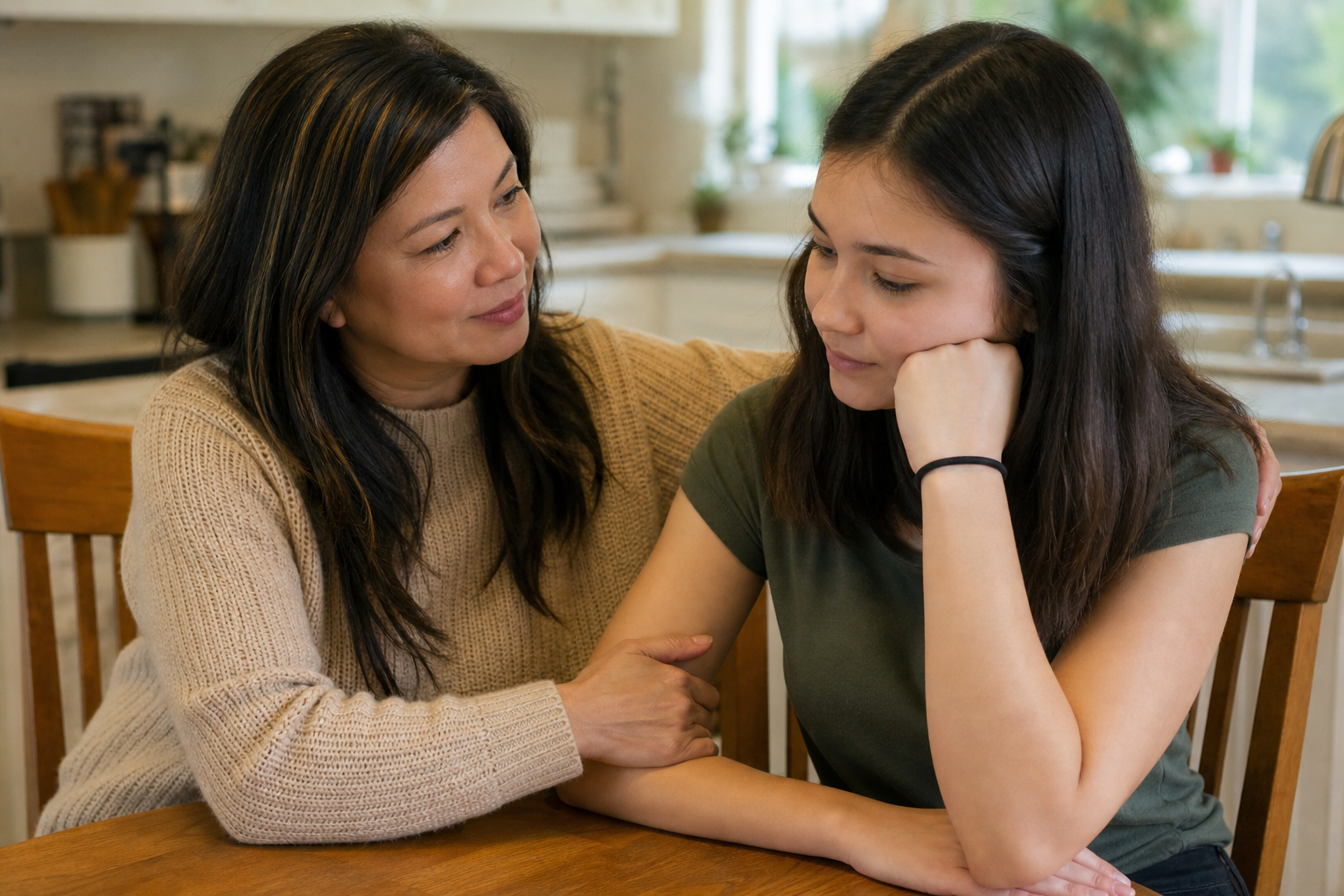
My daughter had a boyfriend who was extremely critical of her, he was jealous and controlling, but I knew nothing of that. What I did notice is that my daughter seemed to be moving away from herself. Normally very smiley and happy, she didn’t smile so much, the spark went out. She became quieter and less talkative. The signs were very subtle, but I picked up on them and after a little general discussion, she began to tell me what he was doing. We called her friend and the three of us sat up one night, talking about what he was doing, what she could do, what she deserved and all of her good qualities. The following day, she asked both of us to be with her while she had him come over. She broke up with him right there. She hurt, but her friend, her brother and I were there for her.Know the Reasons that Victims Return to Their Abusers
- Loneliness
- Economic Factors
- They feel that they can’t get anything else
- They feel they don’t deserve any better
- They are dependent upon their abuser for love, support, acceptance, guidance
Know when to get the Law Involved
If you feel that your child is in physical danger you should not hesitate to contact the police. You may try to talk to the boyfriend’s/girlfriend’s parents, but don’t hang your hopes on that. Also know that it could make things worse. The parents are likely to side with their child and the child is likely to become angry and may take things out on your teen. However, if the boyfriend/girlfriend is hanging around your house or refuses to leave your property, you can have them picked up for trespassing. If you feel that things are really out of hand and you fear harm in any way, then talk to the police and find out what the laws are in your state to protect your child and your family from harm. There are no easy solutions, no magic bullets that will end your teen’s abusive, destructive relationship. But know that your support and love will go a long way in helping them escape. Always love them, always be there for them and never, ever give up. Biography Stephanie Partridge is a freelance writer and photographer as well as a FOIA analyst for a federal agency in Washington, D.C. She is a single mom to Jeffery, 19; Micah Elizabeth, 17 and Benjamin, 15. She is also the author of the ebook, “Diet is a Dirty Word.”Why shouldn’t I just tell my teen to leave an abusive relationship?
Because it usually backfires. Telling a victim to simply leave their abuser rarely works, since they have to make up their own mind and feel some control over their lives. Pushing can send them closer to the abuser or into sneaking around. Instead, tread softly and ask gentle, guiding questions that help them see the relationship clearly for themselves.
What are the warning signs my teen may be in an abusive relationship?
Look for depression, anxiety, or a lost spark; withdrawal from family and friends; sudden changes in behavior or appearance; dependence on a partner’s approval; fear of upsetting that person; a controlling or jealous partner; unexplained injuries; or friends who don’t like the partner. You might notice many of these signs or just a few. Either way, it’s time to gently pay attention and take action.
How should I talk to my teen if I suspect abuse?
Talk, but don’t push, and don’t judge. Keep your own emotions in check, because if your teen sees you upset or angry they’re likely to withdraw. Speak quietly and slowly, listen, and observe. The calmer and less reactive you stay, the more likely your teen is to open up about what’s really going on.
Why do victims sometimes return to an abuser?
There are real reasons: loneliness, economic factors, feeling they can’t find anyone better, feeling they don’t deserve any better, and emotional dependence on the abuser. Knowing this helps you stay patient. Your teen may come to you and return to the relationship several times before they finally stay away, and your steady, unconditional love matters through all of it.
When should I involve the police?
If you feel your child is in physical danger, don’t hesitate to contact the police. If the boyfriend or girlfriend is hanging around your house or refuses to leave your property, they can be picked up for trespassing. If you fear harm in any way, talk to the police and find out what laws in your state can protect your child and your family.




Thankyou , for sharing with us “Helping your teenager escape an abusive relationship”, my daughter is in an abusive relationship for 8 month’s, and I have been searching the internet for way’s to help her, there been some help, but your article has helped so much !! Her boyfriend has taken her away from us 1500 miles and I am so worried. My daughter ring’s everyday, but she’s changed, she doesn’t have a life she work’s and stay’s with her boyfriend all the time and does think’s he like’s to do. This article will help me alot to getting her home. Thankyou from the bottom of my heart!
This is in deed very helpful. My teenage girl is in an abusive relationship and she is hiding it. I am not able to get her to talk but I am giving her unconditional love and wait for her to turn back.