







By Sophia Richards
My youngest discovered Daniel Tiger sometime around age two, and I remember thinking: okay, this one can stay. She’d finish an episode and immediately start narrating her own feelings in that little singsongy way. "It’s okay to feel sad," she’d tell her stuffed bear. That’s the bar I hold every preschool show to now — does it actually leave something behind when the screen goes off?
The honest answer is that not all educational shows for preschoolers earn that label. Some are colorful babysitters dressed up in academic language, and a few of the most popular preschool shows fall into that trap. But the best ones genuinely build skills — early language, math reasoning, emotional vocabulary, scientific curiosity — in a way that feels like play to a three-year-old and intentional scaffolding to anyone who knows child development. I’ve watched a lot of both, first as an early childhood educator and then as a parent of three, and the educational shows below are the ones that have held up.
One note before we dive in: Common Sense Media’s preschool TV reviews are a reliable sanity-check if you want age-by-age ratings and content notes on any specific show. I’ll be focusing here on what each one actually teaches and where to stream it today — because what you can watch matters more than what was once on a defunct cable channel.
A quick word on how we picked these educational shows: we leaned toward shows that teach something specific through story and play, not flashcards — the kind of educational shows that hold up to repeat viewing and leave a preschooler talking, asking, or singing afterward. You’ll find familiar names and a few you might not know, all grouped by the skill each show builds best.
The best educational shows for preschoolers: early literacy and language
Table of Contents
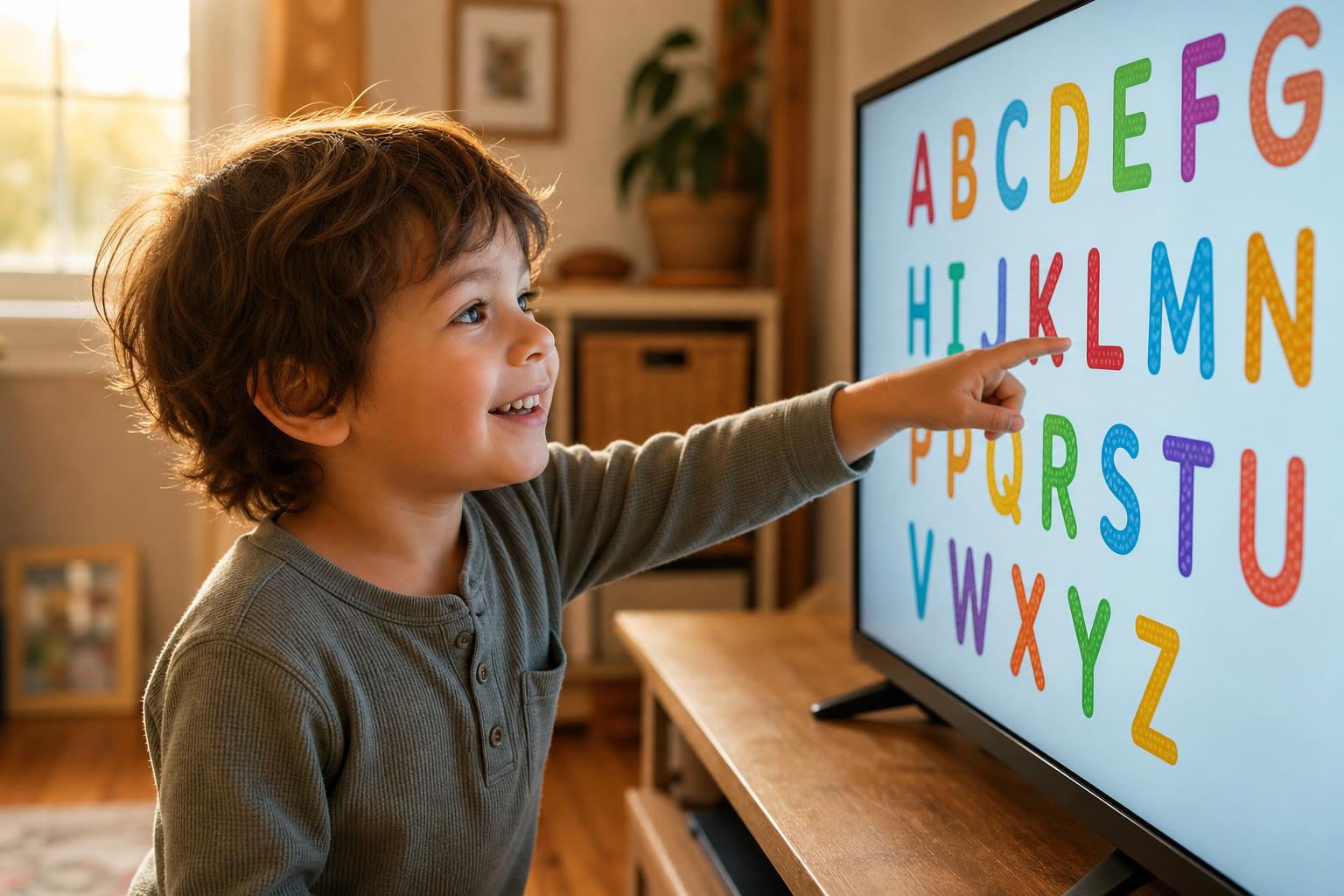
Language is the foundation everything else in school is built on, and the preschool years are the richest window for vocabulary growth — children this age can absorb dozens of new words a week if the input is rich and varied. The best educational shows for preschoolers in this category do more than repeat the alphabet; they immerse kids in story, conversation, and expressive language so the words actually stick. Exposure to a wide variety of sentence structures, emotional vocabulary, and playful wordplay at age three and four pays dividends in reading comprehension years later. These are the shows I reach for first when screen time is on the table.
Daniel Tiger’s Neighborhood. Based on Fred Rogers’ Neighborhood of Make-Believe, this PBS Kids series wraps every episode around a social-emotional lesson delivered through simple, repeating songs ("When you feel so mad that you want to roar, take a deep breath and count to four"). The language is intentionally rich and emotionally specific, which means kids hear words like frustrated, nervous, and disappointed in context long before they’d encounter them in a picture book. Available free on PBS Kids.
Word World. Each character and object in Word World is literally built from its own letters — a dog is made of D-O-G — so phonemic awareness happens visually before it ever touches print. The show sneaks phonics instruction into play in a way that feels like a puzzle, not a lesson. Available on PBS Kids.
Between the Lions. One of the undersung greats of children’s television, this PBS series uses sketch comedy, muppet characters, and animated segments to tackle phonics, decoding, and early reading comprehension. Older episodes are on YouTube and worth seeking out if your child is anywhere near the reading-readiness stage. Available on YouTube.
Sesame Street. Still the standard after more than five decades. The vocabulary range, the diverse characters, the balance of humor and warmth — and the research base behind the curriculum — make this one of the most thoroughly studied and validated educational shows for preschoolers ever made. Available on Max (HBO Max) and PBS Kids.
Super Why! Four main characters — including a girl who can change story endings with her "super writer" pencil — work through reading problems to solve real-world dilemmas. It hits phonics, word families, spelling, and comprehension in a format that preschoolers find genuinely gripping. Available on PBS Kids.
Numbers and problem-solving
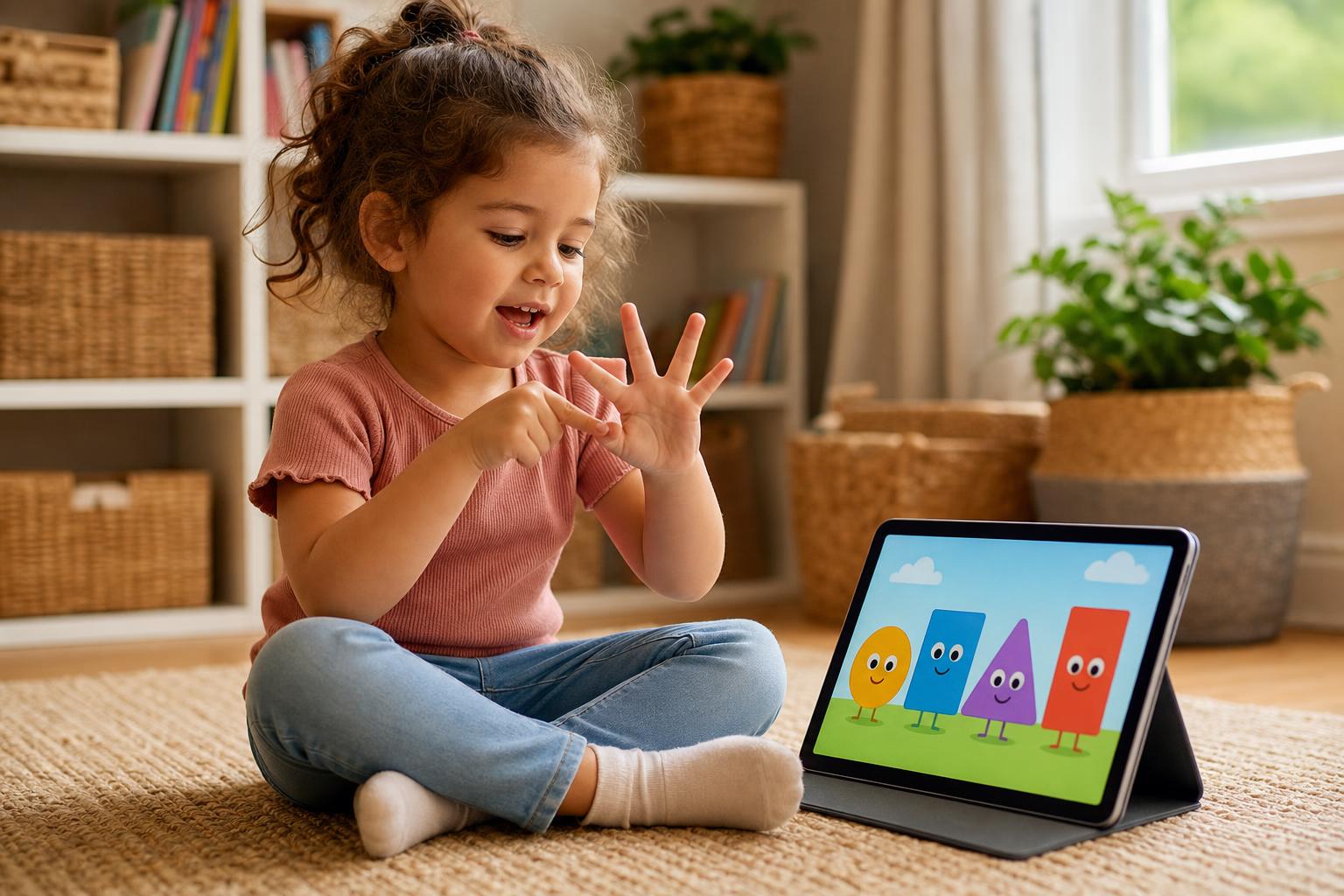
The best educational shows for preschoolers make early math feel like play. Mathematical thinking at this age isn’t about drills — it’s about pattern recognition, logical reasoning, spatial awareness, and the satisfaction of solving a puzzle. Our guide to how children learn through play explains why active, playful problem-solving in these early years builds the cognitive structures formal math instruction will later depend on. The educational shows in this group are sneakily rigorous: they ask kids to predict, compare, count, and reason, which is exactly the kind of mathematical thinking that transfers to school readiness. Turn one on and you’ll notice your preschooler starting to count things that weren’t on screen.
Peg + Cat. Peg and her sidekick Cat solve problems involving numbers, shapes, patterns, and measurement in each episode — often while something is going slightly, comically wrong. The show uses real mathematical language (greater than, equal, estimate) and consistently models the problem-solving process rather than just the answer. Available on PBS Kids.
Numberblocks. A British CBeebies show that has quietly become a cult favorite among parents who know early math education. Each number is its own character, and when they combine or split apart, kids naturally internalize addition, subtraction, and number composition — often before they’ve been formally introduced to these concepts. Available on Netflix.
Bluey. Not marketed as a math show, but Bluey episodes are saturated with spatial reasoning, probability thinking ("what if"), sequencing, and cause-and-effect logic. The bonus is that the show is genuinely excellent television — funny, emotionally honest, and warm — so kids and adults can watch it together without anyone suffering. Available on Disney+.
Odd Squad. Agents in a secret government organization use math skills to solve strange problems. It’s aimed slightly older (closer to kindergarten and first grade) but most sharp four-year-olds can follow it, and the problem-solving modeled — make a plan, test it, adjust — is exactly the kind of executive-function scaffolding preschoolers need. Available on PBS Kids.
Social and emotional skills
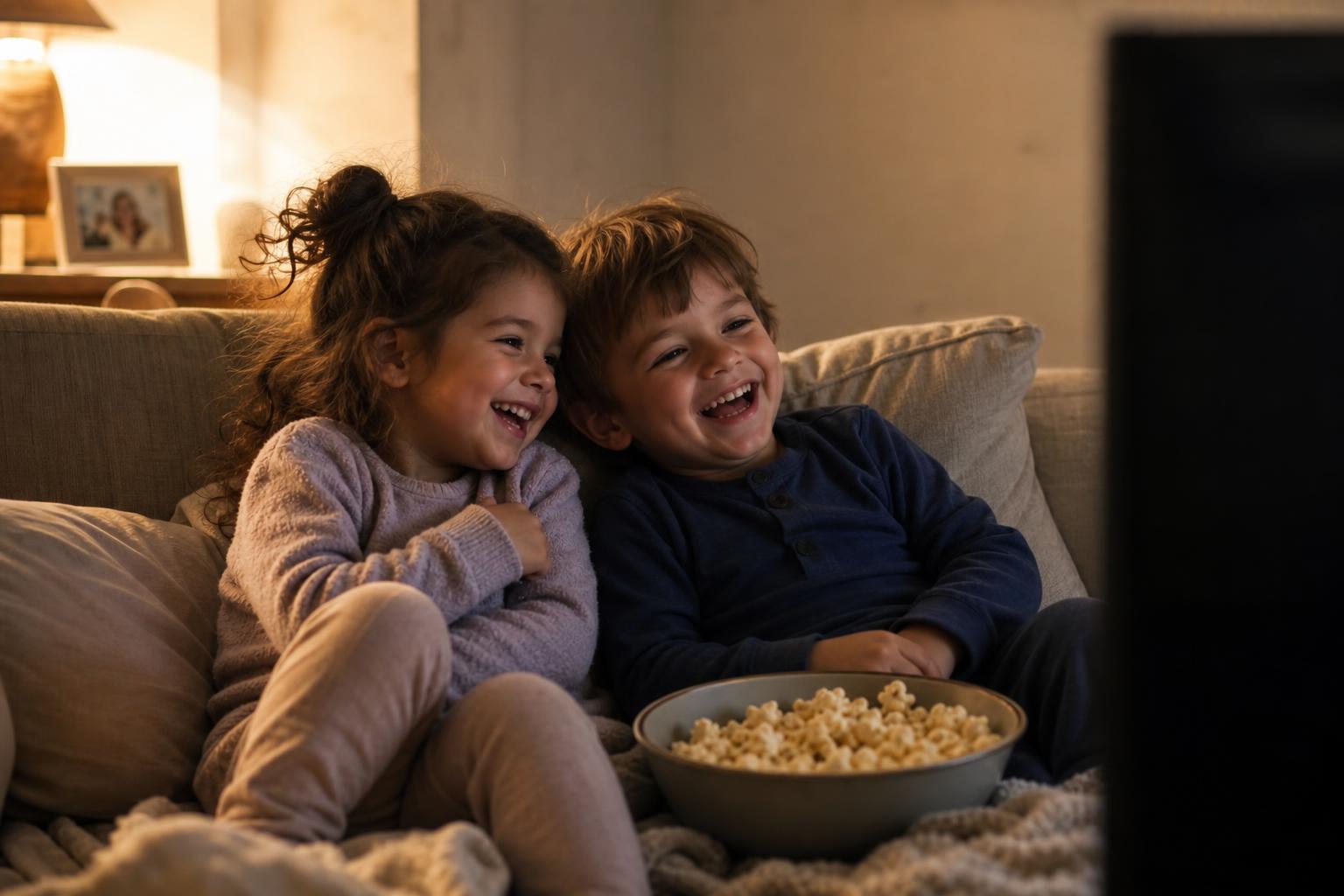
Some of the most valuable educational shows for preschoolers are the ones that quietly teach feelings. The research on social-emotional learning is unambiguous: children who can name their emotions, manage frustration, and read social cues before kindergarten are more likely to thrive academically and socially through school. Our guide to improving kids’ social skills goes deeper on this, but the short version is that preschool is the ideal window, and quality TV can reinforce what you’re already modeling at home. The shows here don’t preach — they show characters navigating real situations: disappointment, conflict, jealousy, fear, repair — and let kids work through those feelings alongside a character they love.
Daniel Tiger’s Neighborhood. (Repeated here intentionally, because it earns a place in both categories.) The emotional vocabulary in Daniel Tiger is unmatched in preschool television. Each episode pairs a specific social skill — taking turns, trying new foods, being brave, dealing with jealousy — with a short musical strategy kids can actually use. My daughter still hums the mad song when she’s upset. Available free on PBS Kids.
Bluey. (Again — because it belongs here too.) Bluey handles big feelings — grief, disappointment, loneliness, jealousy between siblings — with more emotional authenticity than most children’s programming dares. Kids recognize the feelings without being talked down to. Available on Disney+.
Ada Twist, Scientist. Adapated from Andrea Beaty’s beloved picture book, Ada Twist centers a Black girl scientist who asks questions instead of accepting easy answers. The social-emotional thread running through the show is curiosity-as-identity: Ada’s persistence, her willingness to be wrong, and her joy in collaboration model the growth mindset preschoolers are still actively building. Available on Netflix.
PJ Masks. Three friends become superheroes at night and solve problems together — which sounds simple until you notice how deliberately the show handles teamwork dynamics, conflict within the group, and the question of who gets credit. It’s lighter fare than Daniel Tiger, but it gives kids vocabulary for friendship problems in a format they find thrilling. Available on Disney+.
Rosie’s Rules. A newer PBS Kids series following a Mexican-American girl as she navigates bicultural life, family relationships, and preschool situations. The show centers empathy and communication, and the family dynamics are genuinely warm without being saccharine. Available on PBS Kids.
Science and curiosity
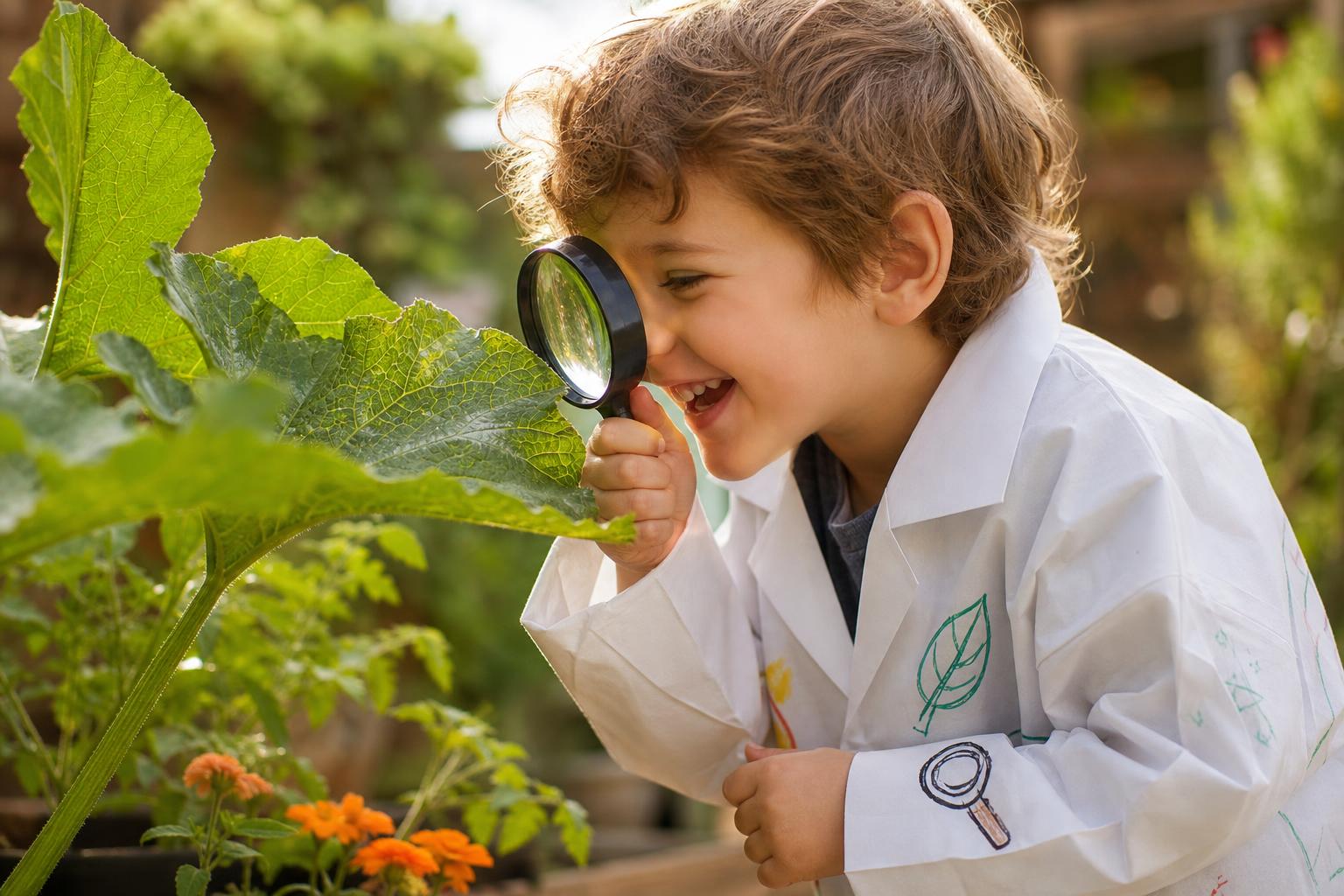
The educational shows in this group lean right into a preschooler’s natural curiosity. One of the best things you can do for a young child’s long-term relationship with learning is to treat why as the most important question in the house. Scientific thinking — forming a question, making a guess, trying something, noticing what happens — is something preschoolers do naturally. The best educational shows for preschoolers in the science category don’t just present facts; they model the process of wondering and discovering. Pair these educational shows with our guide to preventing summer learning loss for ideas on extending that curiosity into everyday life.
Ada Twist, Scientist. (Worth naming again here.) Ada doesn’t just ask questions — she designs experiments, revises her hypotheses, and collaborates with friends. The show directly models the scientific method at a preschool level without making it feel like a lesson. Available on Netflix.
Sid the Science Kid. Sid’s show is built around a specific science concept per episode — temperature, gravity, food decomposition, the life cycle of a butterfly — and always ends with Sid relating the concept back to something in his daily life. The curriculum was developed with guidance from the Jim Henson Company’s education team and is particularly strong on vocabulary and observation skills. Available on PBS Kids.
Wild Kratts. Brothers Chris and Martin Kratt transform into miniaturized versions of themselves to explore animal habitats and behaviors. The zoology content is accurate and rich, and the "creature powers" device gives kids a hook to remember specific animal adaptations. Available on PBS Kids; episodes also on YouTube.
Curious George. The Man in the Yellow Hat might be the most passive caregiver in children’s television, but George’s experiments — almost always involving something getting thoroughly messy before working — are textbook inquiry-based learning. The show consistently models trial-and-error thinking, measurement, and observation. Available on Peacock and PBS Kids.
Nature Cat. A pampered house cat who’d rather explore the outdoors leads his animal friends through nature-based science adventures. Each episode teaches genuine ecology — food webs, seasons, soil types, weather patterns — in a format that’s accessible and funny. Available on PBS Kids.
Making the most of screen time
The difference between educational shows for preschoolers that actually teach and ones that just occupy a child usually comes down to one thing: co-viewing. When you sit down with your child even occasionally and ask "what do you think will happen next?" or "why did Ada try that?" — you turn passive watching into active learning. Our piece on screen time and kids has practical guidance on setting limits and making the time count.
A few things worth knowing about the shows above: PBS Kids content is free, no subscription needed, through the PBS Kids website and app. Netflix, Disney+, and Peacock all have apps with parental controls and kid profiles. None of the shows on this list require anything that wasn’t a standard streaming service as of 2026.
The other thing I’d say: don’t be afraid to rewatch. Preschoolers get more out of a second or third viewing of a good episode than a first viewing of a mediocre one. That’s one reason the shows that endure — Sesame Street, Daniel Tiger, Bluey — are so dense with detail and warmth. There’s always something new to notice when you slow down.
The educational shows I skip — and why
I get asked for the "bad" list more often than the good one, and I understand the impulse. I won’t name shows I haven’t actually sat through with a kid. What I can give you is the set of tells I’ve learned to watch for in the first five minutes — the ones that make me quietly find something else.
The cut is faster than the thought. If the camera changes every two seconds, there’s no room for a preschooler to predict what happens next, and prediction is where the learning lives. Put a frantic show next to an episode of Peg + Cat and watch your child’s face. The difference in how settled they look is not subtle.
The "educational" part is a label, not a design. A show that stops the story to count to ten and then goes back to the story hasn’t taught anything — it has interrupted itself. In the shows that work, the math or the feeling is the plot.
It’s really a toy commercial. Some series exist to move merchandise, and you can usually feel it: the characters have no interior life, and every episode conveniently introduces a new gadget. My rule is simple. If my kid finishes an episode wanting a thing rather than wanting to do a thing, it’s off the rotation.
Autoplay on an open video platform. This is the one I’m actually strict about. Algorithmic kids’ content isn’t curated by anyone, and the next video is always a little louder than the last. If you want the good stuff without that tail, the PBS Kids app is a walled garden — everything in it was made on purpose.
None of this has to become a fight. I’ve found it’s enough to have two or three shows we’ve agreed are ours, and to let the rest simply not be an option. Preschoolers argue with a "no." They rarely argue with a routine.

FAQ
What are the best free educational shows for preschoolers?
PBS Kids is the gold standard for free, no-subscription educational programming: Sesame Street (via the PBS Kids app), Daniel Tiger's Neighborhood, Peg + Cat, Super Why!, Sid the Science Kid, Wild Kratts, Nature Cat, and Odd Squad are all available at no cost. The PBS Kids app also works offline, which is handy for travel.
How much screen time is appropriate for preschoolers?
The American Academy of Pediatrics recommends limiting screen time to one hour per day for children ages 2–5, with a focus on high-quality programming and co-viewing when possible. The what matters as much as the how long — one hour of Daniel Tiger or Peg + Cat is meaningfully different from one hour of fast-paced commercial cartoons.
What makes a show genuinely educational for preschoolers?
The best educational shows for preschoolers are built on an explicit curriculum developed with early-childhood educators, use repetition and music to reinforce key concepts, model process skills (questioning, experimenting, cooperating) rather than just presenting information, and connect concepts back to situations kids recognize from daily life. If a show makes your child ask more questions after the credits roll, that's a good sign.
Are there educational shows that work for both toddlers and preschoolers?
Yes. Daniel Tiger, Bluey, Sesame Street, and Word World all span roughly ages 2–5 effectively. Numberblocks is particularly strong for the 3–5 range. If you have a child on the older end (4–5), Odd Squad and Ada Twist will hold their attention with more complex problem-solving.
My child only wants to watch the same episode over and over. Should I redirect them?
Repetition is developmentally normal and often productive — preschoolers are processing details, building vocabulary, and internalizing sequences through repeated exposure. If it's a high-quality show, let it run. You might use the repetition as an opportunity: "You've seen this part — what do you think Ada is going to try next?"
Related Articles
- Science Of Play Time
- Improving Kids Social Skills
- How To Prevent Summer Learning Loss
- Screen Time And Kids

Meet Sophia Richards Sophia Richards is an early childhood educator, passionate writer, and the proud mom of three energetic kids. With a degree in Education and over a decade of hands-on classroom experience, Sophia bridges the gap between professional teaching strategies and everyday family life. At More4Kids, she translates complex child development concepts into practical, actionable parenting tips that families can use at home.
Whether she is sharing positive reinforcement techniques, educational crafts, or honest reflections on the chaos of raising three children under one roof, Sophia’s goal is to empower parents to foster resilience and joy in their kids. When she isn't writing or lesson planning, you can find her organizing neighborhood scavenger hunts or trying out new kid-friendly recipes.
Areas of Expertise: Early Childhood Education, Positive Parenting, Sibling Dynamics, Educational Play, Family Wellness.

Add Comment