













By Sophia Richards
The first time I found out a toy in my own house had been recalled, I was standing in the kitchen with my phone in one hand and a cup of coffee going cold in the other. My stomach dropped, and then the questions came all at once — which toy is it, is my child okay, and what do I do *right now*? If you're reading this with that same knot in your chest, take a breath. The child product recall steps below are genuinely simple, and you can work through them today.
I'm a mom of three and a former early childhood educator, so recalls land on my radar often — between my own busy household and the families I've worked with over the years. Here's the calm, practical plan I come back to every single time, in the order that actually matters.
First, take a breath — then check one thing
Before you panic-toss anything across the room, you need to confirm two facts: is this really *your* product, and what is the actual hazard? A product recall almost always applies to specific model numbers, date codes, or production batches — not every version a company ever made. The newer one you bought last month might be perfectly fine while last year's batch is the one in question.
So the very first move isn't to throw anything out. It's to slow down for sixty seconds and read the official recall notice carefully. That one habit has saved me from both unnecessary panic *and* from brushing off a warning that really did apply to us.
Stop using the item the moment you hear
If there's any chance the recall applies to a product your child uses, set it aside right away — out of reach, out of the crib, out of the toy bin. You don't need to have every detail confirmed yet. "Stop using it until I know more" is the safest default, especially for anything your baby sleeps in, rides in, or puts in their mouth.
This is the step parents most often skip, usually because we're mid-morning-chaos and figure we'll deal with it after drop-off. I get it. But a recalled product is one of the few things worth interrupting the morning for.
Match it to the recall notice before you worry
Now find the official notice and compare it to the item in your home. You're looking for:
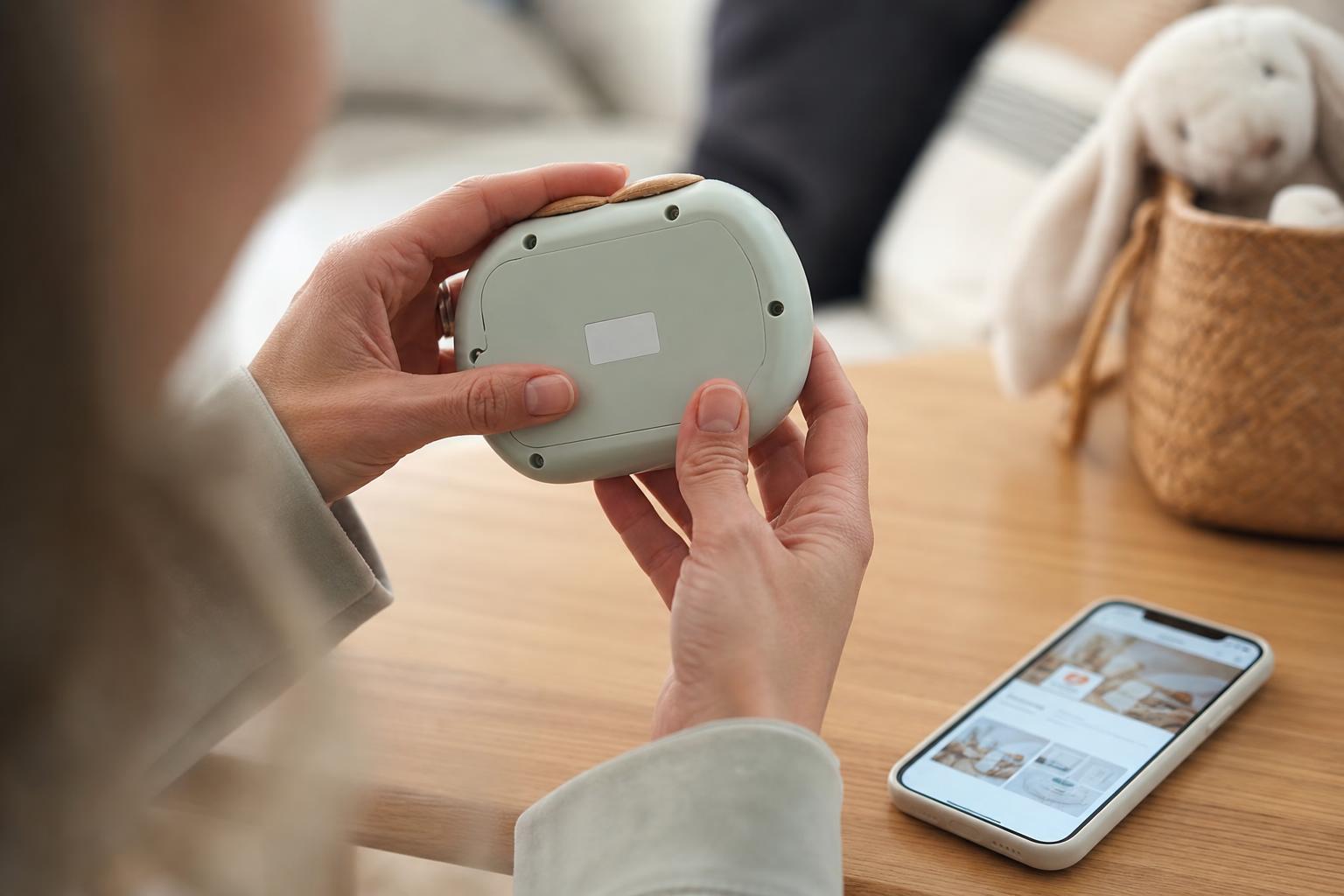
- The **model or item number** (often on a sticker underneath, on the frame, or inside a battery compartment)
- The **date code or batch number**
- The **color, size, or style** named in the recall
- Where and roughly **when you bought it**
If your product matches, you're in the right place — keep going. If it clearly doesn't match, you can usually relax, though it never hurts to keep an eye out. Our Children's Recall Center summarizes these notices in plain English and links straight to the official source for every one, so you're not squinting at agency PDFs at 7 a.m. For the full federal record, the CPSC recall database is the authority.
Don't throw a recalled product away just yet
This one surprises people. Your instinct is to toss the thing immediately — but most remedies (a refund, a free repair kit, a replacement) require you to *have* the product, or at least proof of it. Some programs ask you to mail back a part, cut a cord and send a photo, or keep the item until your replacement arrives.
So before anything hits the trash: read the "what to do" section of the recall notice. It will tell you exactly what the company needs from you. Throwing it out too early can mean leaving a refund on the table — and worse, a discarded recalled product can end up at a yard sale or donation bin where another family unknowingly picks it up.
Claim your refund, repair, or replacement
Here's the good news: once you know it's your product, the remedy is usually free and fairly painless. Recall notices spell out the options, which typically include one or more of these:
- A **full refund** (sometimes you'll need a receipt, often you won't)
- A **free repair kit** mailed to your door
- A **replacement** product or part
Follow the contact instructions in the notice — usually a dedicated phone line or a registration page. Snap a quick photo of the item and its model number first; it makes the call go faster. I keep a little note in my phone with the date I reported it and any reference number they give me, just so I'm not relying on memory three weeks later when the replacement hasn't shown up.
Register new products so you hear about it first
The hardest part of any recall is simply *finding out* about it. The fix is boring but powerful: register your child's gear when you buy it. Car seats, cribs, strollers, and many other juvenile products come with a registration card or an online form for exactly this reason — so the manufacturer can reach you directly if something goes wrong.
It takes two minutes and it's the difference between hearing about a recall the day it's announced and never hearing at all. I'll be honest, I ignored those little cards for years. After that kitchen-counter morning, I started filling them out every time, and I added the recall center to my bookmarks so a quick check is always one tap away.
Magnets and button batteries: when "now" really means now
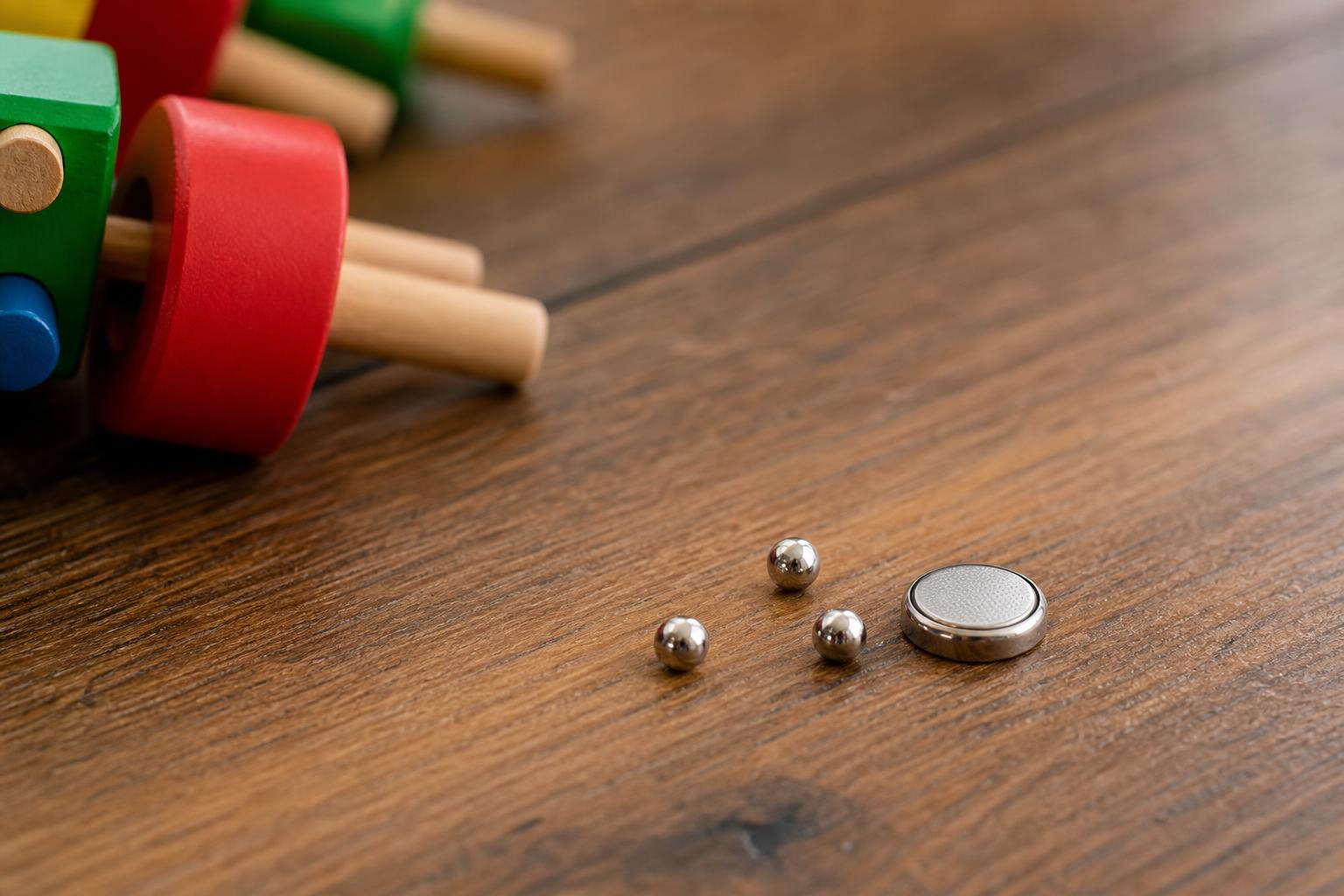
A quick word on two hazards that deserve extra urgency. High-powered magnets and button batteries — the little coin-shaped ones in toys, remotes, and light-up trinkets — can cause severe internal injuries very quickly if a child swallows them. Recent recalls of magnetic toys and bead sets are a regular fixture on the safety feeds for exactly this reason.
If a recall involves magnets or button batteries, treat "stop using it now" as literal. Get it up and away from little hands before you even finish reading the rest of the notice. If you ever suspect your child has swallowed one, this is a call-your-doctor-or-emergency-line situation, not a wait-and-see one.
What about hand-me-downs, resale, and consignment?
So much of children's gear comes to us secondhand — a cousin's old monitor, a consignment-shop high chair, a marketplace stroller. The catch is that recalled products often keep circulating quietly through these channels years after the recall. The baby monitor recalls and similar notices are a good reminder to check.
Before you accept or buy something used, take thirty seconds to search the brand and model against current recall listings. And if *you* are the one passing gear along, please do the same favor for the next family — never sell or donate something you know has an open recall.
A quick recap of the child product recall steps
When a recall lands, here's the whole calm plan in one breath: stop using the item, match it to the official recall notice, hold onto it until you know the remedy, claim your refund or repair, and register your gear so you hear about the next one first. That's it — five steps, no panic required. As a parent, I've found that simply having this plan in my back pocket takes most of the fear out of the moment.
You're already doing the most important thing just by paying attention. If you'd like to keep an eye on what's being recalled for kids and babies, our Children's Recall Center is updated daily from official government sources, in plain, parent-friendly language. Bookmark it, breathe, and trust that you've got this.
Related Articles

Meet Sophia Richards Sophia Richards is an early childhood educator, passionate writer, and the proud mom of three energetic kids. With a degree in Education and over a decade of hands-on classroom experience, Sophia bridges the gap between professional teaching strategies and everyday family life. At More4Kids, she translates complex child development concepts into practical, actionable parenting tips that families can use at home.
Whether she is sharing positive reinforcement techniques, educational crafts, or honest reflections on the chaos of raising three children under one roof, Sophia’s goal is to empower parents to foster resilience and joy in their kids. When she isn't writing or lesson planning, you can find her organizing neighborhood scavenger hunts or trying out new kid-friendly recipes.
Areas of Expertise: Early Childhood Education, Positive Parenting, Sibling Dynamics, Educational Play, Family Wellness.
Latest posts by Sophia Richards (see all)
About the author

Sophia Richards
Meet Sophia Richards Sophia Richards is an early childhood educator, passionate writer, and the proud mom of three energetic kids. With a degree in Education and over a decade of hands-on classroom experience, Sophia bridges the gap between professional teaching strategies and everyday family life. At More4Kids, she translates complex child development concepts into practical, actionable parenting tips that families can use at home.
Whether she is sharing positive reinforcement techniques, educational crafts, or honest reflections on the chaos of raising three children under one roof, Sophia’s goal is to empower parents to foster resilience and joy in their kids. When she isn't writing or lesson planning, you can find her organizing neighborhood scavenger hunts or trying out new kid-friendly recipes.
Areas of Expertise: Early Childhood Education, Positive Parenting, Sibling Dynamics, Educational Play, Family Wellness.




Add Comment