by Jennifer Shakeel
GPS tracking devices are one of the newer devices that parents now have to decide whether to use or not use. Although there are many advantages to using a GPS, especially since statistics have proven how many children go missing every year, you might struggle with the idea of placing a tracking device on your child.
On the plus side, having a GPS tracking unit for your child will reduce the amount of time you spend worrying about them. A personal GPS tracking unit can give you the peace of mind of knowing where your child is at all times, as well as the knowledge that they are where they are supposed to be. A GPS tracking device can be much less intrusive in your child’s life than requiring them to constantly call you to let them know where they are. Instead of needing to rely on your child remembering to “check in” with you on a regular basis, they will simply be able to go on about their play and school tasks. This can take a lot of the worry out of the process for you, as well as letting your child stop worrying that they will forget to call you. Your child can have more freedom, and you will have less worry.
Although many people think of a GPS tracking unit as mainly a defense against child predators and other dangerous situations, they can also be extremely handy for everyday occurrences and problems such as your child getting lost at the mall, or wandering away from you at a sporting event. Instead of the panic that both you and your child go through until you find each other again, the GPS unit can be used to locate your child in much less time than it would take to find him or her on your own. This alone can make a GPS unit useful.
On the negative side, some people feel that using a GPS device on their child is too intrusive, and that it somehow violates their privacy, especially in the case of older children. Sometimes parents also fear that a GPS unit will be interpreted by their child as a lack of trust, or a lack of confidence in them that they can be depended upon to call and check in with you as requested. Parents are often hesitant to do anything that could be misconstrued by their child as a sign that their parents don’t believe in them, or are fearful of making their child feel that their own parents do not trust them.
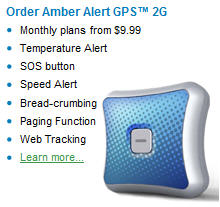
Kids GPS Tracking System Features
If you are considering getting a GPS tracking unit for your child, especially an older child, it can help to sit down and have a frank discussion with them as to why you are considering the purchase of the device. If you let them know that the only reason you want the device is because you love them and worry about their well-being, you can often put their minds at ease. In fact, some children, being fascinated by anything technical, might truly be interested in how these types of devices work, especially if they always seem interested in the GPS unit that you might have for your vehicle.
In the end, you have to decide for yourself what your feelings are about using a GPS tracking device for your child. But, most times the small inconvenience of needing to explain the issue to your child is outweighed by the feeling of security you will have from knowing that you are doing more to help keep your child safe.
What are the main benefits of using a GPS tracker for a child?
A GPS tracking device for a child offers parents real-time peace of mind. Rather than relying on a child to remember to check in, a GPS gives you direct knowledge of their location at any time. It can also be incredibly useful in everyday scenarios beyond crime prevention — if a child gets separated from you at a mall, wanders from a sporting event, or gets turned around on the way home, you can locate them quickly. For many parents, the reduction in worry alone is a meaningful benefit.
Will using a GPS device on my child damage their trust or sense of privacy?
This concern is worth taking seriously, especially with older children and teenagers. Some children — and parents — feel that a GPS device implies a lack of trust or intrudes on a child’s developing sense of independence. The best approach is an open, honest conversation with your child about why you want to use the device: that it comes from love and concern for their safety, not from distrust. Many children, especially younger ones and those interested in technology, can adapt to a GPS device easily once the purpose is explained clearly and calmly.
At what age or in what situations does a GPS tracker for a child make the most sense?
GPS trackers tend to be most valuable for younger children who have some independence — commuting to school on their own, going to a park with friends, or attending activities without a parent present. For situations where a child may be out of direct sight in a large public space, a GPS can reduce the anxiety of separation significantly. For older teens with a track record of responsible check-ins, the device may be less necessary and the conversation about trust becomes more important than the technology itself.
Are kids GPS tracking devices useful beyond protecting against strangers?
Yes — and this is a point many parents miss. While GPS trackers are often discussed in the context of child predators, their everyday value is in far more common situations: a child who gets confused walking home from a friend’s house, gets separated from the group at an amusement park, or simply stays later at a school event than planned. The GPS reduces panic in those ordinary moments, making it as much a practical family logistics tool as a safety device.
Jennifer Shakeel is a writer and former nurse with over 12 years medical experience. As a mother of two incredible children with one on the way, I am here to share with you what I have learned about parenting and the joys and changes that take place during pregnancy. Together we can laugh and cry and rejoice in the fact that we are moms!
Jennifer Shakeel is a writer and former nurse with over 12 years medical experience. As a mother of two incredible children with one on the way, I am here to share with you what I have learned about parenting and the joys and changes that take place during pregnancy. Together we can laugh and cry and rejoice in the fact that we are moms!