


She loved the costume at home. All three days of wearing it around the house, she was thrilled. Then you took her to the first house, someone opened the door in a skeleton mask, and the whole evening became about getting back to the car.
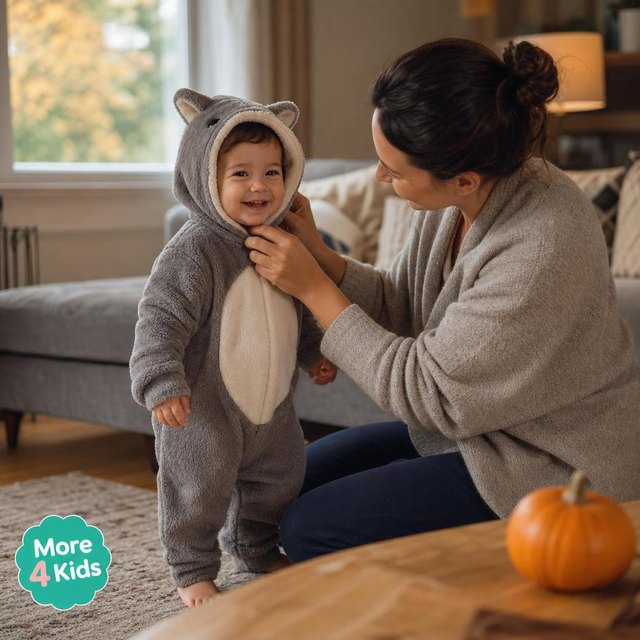
Halloween with a toddler doesn’t have to go that way. The key is adjusting your expectations for what fun actually looks like at this age — and building a low-scare, sensory-friendly version of the holiday your two-year-old can actually enjoy. Here are the halloween ideas for toddlers that hold up in the real world, not just on Instagram.
Why Toddler Halloween Is Different
Table of Contents
Planning halloween for kids under 5 means working with a very short runway between “exciting” and “overwhelming.” They don’t have the emotional regulation to move from overstimulated back to happy on their own — and Halloween is basically a sensory gauntlet: dark streets, strangers in masks, sugar, crowds, and a bedtime that’s been obliterated.
What feels festive to you can feel genuinely alarming to them. That’s not a failure — it’s just where they are developmentally. The good news: scaled-down, toddler-paced halloween for toddlers is often more fun than the full version anyway. Fewer houses. More pumpkins. Home by 7.
Costume Ideas That Actually Work for Toddlers
One rule worth following: no masks. Toddlers don’t like things on their faces, and masks reduce visibility and make them feel trapped. Skip it entirely and go for full-body or head-attached options instead. If you’re pulling something together at the eleventh hour, these last-minute Halloween costume ideas work with what’s already in the closet.
Costume ideas that tend to survive the whole night:
- Pumpkin or vegetable suits — warm, soft, recognizable. No face coverage. Toddlers love them.
- Animals with hoods — lion, bear, bunny, dinosaur. The hood can be pushed back if they get annoyed by it.
- Their favorite character — Elmo, a construction worker, a favorite superhero in a comfy sweatshirt version. Stay away from the vinyl movie-style helmets.
- Something cozy they already own — pajamas + one accessory (a pair of bunny ears, a little cape) counts as a costume at this age. They don’t care; they want to be comfortable.
Let them try on the costume multiple times before the actual day — familiarity makes wearing it for a few hours much more likely.
Comfortable Toddler Halloween Costumes: Picks for Ages 1–3
Comfortable toddler Halloween costumes look different from costumes built for a 4-year-old. A costume that works for a 4-year-old often fails completely for a 1- or 2-year-old. At this age, the wins are about how something feels against skin, whether it fits over a diaper, and whether a stiff waistband or scratchy trim gets pulled at within five minutes. Before anything else, run each option through a quick costume safety check — the same things that matter for a 6-year-old (tripping hazards, breathable fabric, no loose parts) matter even more when a child is still unsteady on their feet.
What actually holds up for this age band:
- Elastic waistbands and snap crotches — anything with a zipper or button in the diaper area turns every changing-table stop into a fight.
- Fleece or cotton-blend fabric — skip anything stiff, sequined, or vinyl-coated. A one-year-old will rub their face on the costume at some point; make sure that’s fine.
- A wide, loose neck opening — nothing that has to be pulled tight over the head or cinched at the throat.
- Full-body or footed styles — a onesie-style costume with attached hood beats separate pieces, since there’s nothing for a toddler to lose, remove mid-outing, or trip over.
As an Amazon Associate, More4Kids earns from qualifying purchases. We only recommend products we would use in our own homes, and we check every brand against current CPSC recall data before it appears here. Our recommendations are never paid placements. We haven’t personally tested the specific listings below — these are the categories and features we’d look for, with links to browse current options.

Hooded animal onesie
This is the workhorse pick for this age. A soft, footed or full-body animal jumpsuit (dinosaur, lion, bear) goes on like pajamas, has no separate pieces to keep track of, and the hood can be pushed back the second a toddler decides they’re done with it. Because it reads as a costume even half on, you’re not fighting to keep it perfectly fastened all night. → Browse toddler animal and dinosaur onesie costumes on Amazon
Pumpkin costume
The pumpkin costume earns its reputation as a toddler classic honestly: it’s usually one soft padded piece with leg holes, no mask, no cape, nothing to snag. It also photographs well without needing your toddler to cooperate for more than a few seconds. → Browse toddler pumpkin costumes on Amazon
Unicorn or hooded fantasy onesie
For toddlers who already have opinions about their clothes, a hooded unicorn or fantasy-animal onesie gives the “I picked this” factor without any of the drawbacks of a tulle dress or a costume with rigid wings. Check that any horn or ear piece is soft and sewn flat — nothing rigid close to the face. → Browse toddler unicorn and fantasy onesie costumes on Amazon
What we’d skip at this age
A few categories that look cute on the hanger and cause the most trouble in person:

- Masks of any kind — beyond the visibility and breathing issues, most toddlers will simply refuse to keep one on.
- Anything with a drawstring around the hood or neck — a strangulation risk that isn’t worth the look. Snap or elastic closures only.
- Long capes or trailing fabric — a genuine trip hazard for a child who’s still working on walking confidently, especially on stairs or uneven yard terrain.
- Costumes with small attached accessories — wands, tiny crowns, or clip-on pieces small enough to fit through a toilet-paper tube are a choking risk for under-3s and tend to come off within minutes anyway.
If a costume fails any of those checks, it’s not worth the argument at 5pm on Halloween — go back to the “something cozy they already own” option above instead.
At-Home Halloween Activities for Toddlers
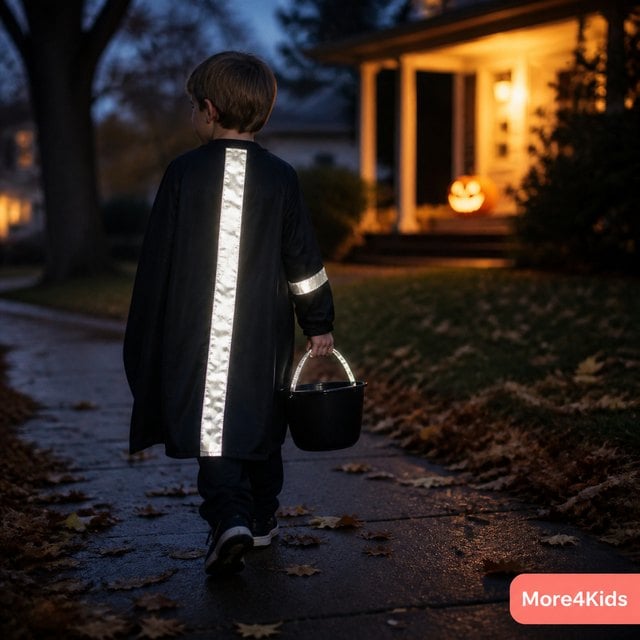
The best halloween activities for toddlers are also the simplest — and the ones they’ll ask to do again. You don’t need a haunted trail or a pumpkin patch outing to make toddler halloween ideas feel special. The holiday is fully achievable in your backyard or living room.
- Paint a mini pumpkin — skip the carving and give them a small, pre-washed pumpkin and a set of washable paints. It’ll occupy them for 30–45 minutes and the result is actually cute on the porch — our pumpkin painting ideas have designs simple enough for little hands.
- Sensory bin — fill a bin with dried corn, small plastic pumpkins, and scooping tools. An under-5 will play in this for longer than you’d expect.
- Decorate a paper bag — for trick-or-treating prep. Stickers, stamps, crayons. They get invested in the container, which makes them more excited about filling it.
- Read Halloween books — non-scary ones. Room on the Broom, Pumpkin Soup, Creepy Carrots. Build the holiday as warm and friendly rather than spooky.
- Make “spider” snacks — banana slices with pretzel stick “legs” and raisin “eyes.” Takes five minutes; they’ll talk about it for days.
Trick-or-Treating with a Toddler: What Actually Works
A few adjustments make trick-or-treating genuinely doable for halloween ideas for toddlers in your neighborhood:
- Go while it’s still light. The 5:30–6:30 PM window is ideal. Familiar daylight, neighbors still home, less chaos on the sidewalks.
- Pick your route in advance. Three to five houses is a real success for a two-year-old. Ten to fifteen for a four-year-old who’s enthusiastic. Don’t let the bucket being “not full enough” push you past their limit.
- Warn them what to expect. “You’re going to walk up, say trick-or-treat, and they’ll put candy in your bag.” Practice it. The social script being familiar reduces the overwhelm at the door.
- Skip the scary houses. If a neighbor’s display looks like it’s designed to frighten, walk past it. No explanation needed.
- Bring a snack. Toddlers mid-holiday who haven’t eaten become a different creature. A pouch or a familiar snack in your pocket gives you an exit strategy and keeps blood sugar stable.
When the Night Gets Big: De-escalation in the Moment
Even a well-planned evening can tip. Something startles them, they get overtired, the sugar catches up — whatever it is, the spiral is fast. The same approach that works for everyday toddler tantrums works here, just with more noise and costumes around you. When it starts:
- Name it without drama. “That was a lot. You got a little scared.” Keep your voice calm and matter-of-fact.
- Move toward the exit early. The moment you see it starting, start wrapping up. “Two more houses and then we head home” is much easier than “one more house” said six times.
- Don’t push the recovery. Once a toddler has tipped into overwhelm, cheerfulness from you makes it worse. Quiet, familiar, and headed home is the goal.
- End on something good. Even if you left early, the pumpkin-painting at home, the decorated bag, the one house where the neighbor made them feel special — those are the things they’ll remember. The meltdown will not be the story they tell.
Halloween Treats for Toddlers
On actual candy: toddlers don’t need very much. A few pieces, enjoyed with you, is plenty. Letting them pick two or three pieces from their haul to eat that night and putting the rest “away for later” works for most kids this age — they’re more interested in the sorting and choosing than the eating.
Toddler-safe alternatives if you want to skip the sugar:
- Raisins, dried mango strips, or fruit pouches
- Cheese sticks with Halloween-themed packaging (lots of brands do this in October)
- Mini pretzels or crackers in a treat bag
- Stickers — many kids prefer these to candy and will trade without complaint
The best halloween ideas for toddlers are the ones calibrated to your specific child, not the one that looks biggest on the street. A short route, a soft costume, one pumpkin they painted themselves, and home before the meltdown — that’s a good Halloween.
For more ideas on keeping toddler events low-stress and fun, the Parenting Tips section has guides on seasonal activities and managing big-feeling days with under-fives. The American Academy of Pediatrics Halloween safety guidelines are also worth a quick read for costume and candy basics.

Elena Marsh is a writer, historian, and lover of names and where they come from. A mom of two, she went down the rabbit hole of name meanings and the cultures and stories behind them, and now writes warm, parent-to-parent guides to baby names from around the world. She researches and sources every meaning, and writes as a curious fellow parent rather than a credentialed linguist.


Add Comment