




By Elena Marsh
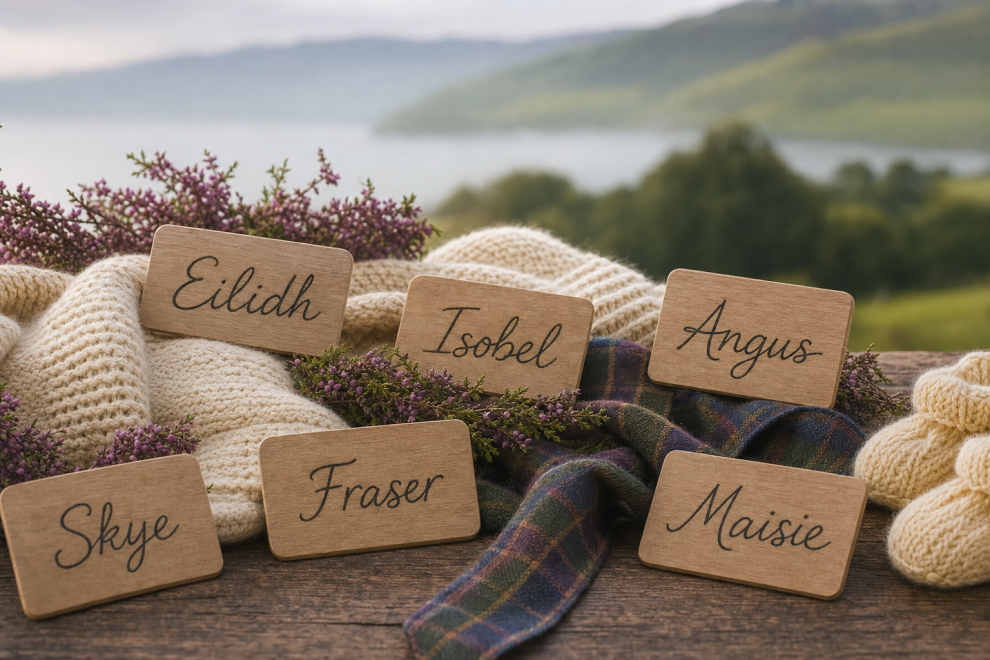
The first Scottish name I ever fell for was on a rainy afternoon, reading a novel where a girl named Eilidh kept appearing on the page. I didn’t even know how to say it yet — I just loved the shape of it. Then I said it out loud, “AY-lee,” and something clicked. That’s the thing about Scottish names for me. They look like weather and stone and old songs, and then you say them and they turn soft and warm in your mouth. As a mom who has fallen down more baby-name rabbit holes than I’d like to admit, I keep drifting back to the Scottish ones, because they carry so much story in so few syllables.
Scottish baby names have a way of feeling rugged and tender at the same time — a loch and a lullaby in one word. That mix is exactly why so many parents start a search and keep circling back to the scottish baby names. Part of it is the sound: those clean single syllables, the soft Gaelic lilt, the roll of a name like Fraser or Isobel. Part of it is the meanings, which lean toward the land itself — hills and valleys, strongholds and rivers, bright light and fair-haired warriors. And part of it is heritage: many of these names traveled through clans, glens, and generations of families, arriving on a modern birth certificate sounding both ancient and completely fresh.
What I love most is how many Scottish names hand your child a little piece of a landscape along with the name itself. Some come from the Gaelic words for light and strength, some from islands and rivers, some from the old clans of the Highlands. I’ve gathered 32 of my favorite scottish baby names below — these scottish baby names run girls first, then boys — each with its true meaning and a simple pronunciation guide, every meaning drawn from our full library of baby names with meanings rather than from my imagination. If you’re still casting a wide net, it’s worth browsing a broader sweep of baby names alongside these, and you can always explore the full collection on our Scottish origin page. But if your heart is leaning toward the Highlands, you’re in wonderful company.
Scottish Baby Girl Names
If you’re searching for scottish baby girl names, you’ll find a lovely thread of light, flowers, the sea, and the islands running through them. Many of the prettiest scottish baby girl names carry a meaning that feels like a small piece of the landscape — a shining light, a bloom on the moor, a star over the water.
Isobel (IZ-uh-bel) — Meaning “pledged to God,” the Scottish form of Isabel. Isobel is a romantic, three-syllable name with deep medieval Scottish heritage, softer and more distinctive than the more familiar spelling. It feels regal without ever feeling stiff.
Maisie (MAY-zee) — Meaning “pearl,” a charming Scottish pet form of Margaret. Maisie is bright, vintage, and full of spark, the kind of name that sounds like a smile. Sweet on a little one and easy to picture growing up.
Eilidh (AY-lee) — Meaning “a bright, shining light,” from Scottish Gaelic. Eilidh is hugely loved in Scotland and still fresh to American ears, with a spelling that looks like a puzzle and a sound that’s pure sunshine. This is the one that started it all for me.
Skye (SKY) — Meaning “sky,” from the Old Norse word for cloud, and shared with the beautiful Isle of Skye. Skye is airy, open, and free, a nature name that feels wide as the Scottish horizon. Simple, luminous, and easy to love.
Paisley (PAYZ-lee) — Meaning “church,” from a Scottish place-name, and forever tied to the swirling paisley pattern. Paisley is playful and pretty, with a soft artistry built right in. It’s climbed the U.S. charts for good reason.
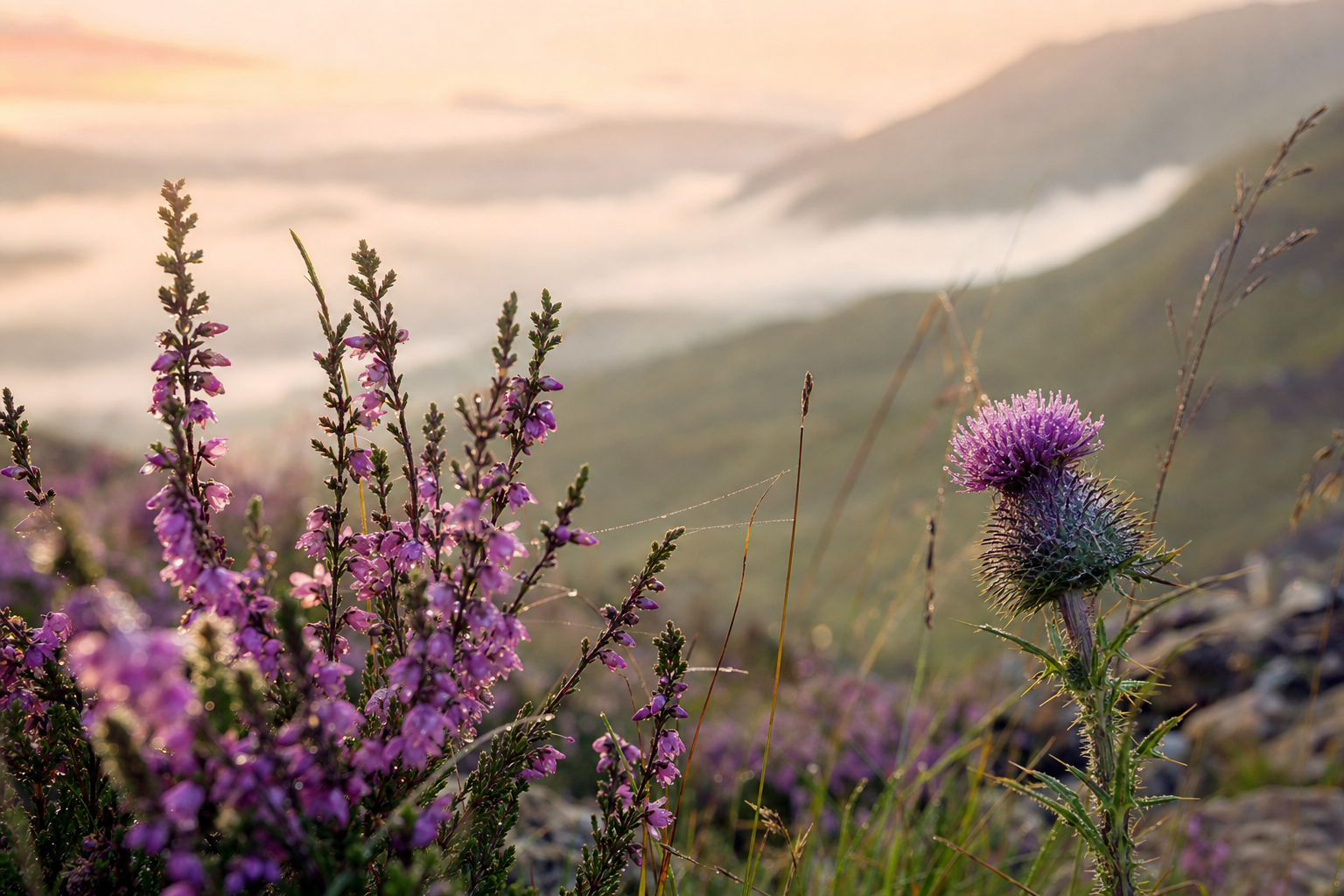
Heather (HEH-ther) — Named for the flowering shrub that blankets the Scottish moors in purple every summer. Heather is a warm, retro nature name that many of us grew up alongside, and it’s coming back around with real charm. It smells like the hills.
Ainsley (AYNZ-lee) — Meaning “one’s own meadow,” from Old English, and a crisp, modern Scottish surname name. Ainsley feels tailored and bright, with the sweet Ains waiting inside. Fresh and a little polished, it wears beautifully on a girl.
Davina (dah-VEE-nah) — Meaning “beloved,” the Scottish feminine form of David. Davina is elegant and understated, with a gentle rhythm and a tender meaning at its heart. Vina or Vivi wait nearby if you’d like a shorter call-name.
Elsie (EL-see) — Meaning “pledged to God,” a sweet Scottish form of Elizabeth. Elsie is dainty and vintage, with Victorian roots and a fresh revival, the kind of name that feels like a hug. Small, warm, and quietly classic.
Bonnie (BON-ee) — Meaning “beautiful and cheerful,” straight from the Scots word bonnie. Bonnie is one of the most openly joyful names on this list — its meaning is right there on the surface. Vintage and full of sparkle, it never stops smiling.
Lorna (LOR-nah) — Coined for the 1869 novel Lorna Doone, drawn from the Scottish place-name Lorne. Lorna has a romantic, literary softness and a vintage charm that’s ready for rediscovery. It feels like a name from a well-loved book, because it is.
Mirren (MEER-in) — Meaning “star of the sea,” a Scottish form of Marion. Mirren is gentle and a little luminous, with a meaning that shines and a sound that stays soft. Fresh, uncommon, and quietly lovely.
Islay (EYE-lah) — A Scottish island name, for the misty Isle of Islay off the west coast. Islay is soft, unusual, and full of atmosphere, evoking sea air and green hills. It sounds like a place you’d want to go, tucked into a name.
Roslyn (ROZ-lin) — Meaning “gentle horse,” from the Germanic roots ros and lind, with echoes of the Scottish chapel at Rosslyn. Roslyn is a classic, two-syllable name with floral resonance and vintage grace. Romantic and grounded at once.
Monroe (mun-ROH) — Meaning “mouth of the River Roe,” a chic Scottish surname turned first name. Monroe is cool and confident, with a river’s meaning and a modern edge. It has that easy, stylish strength that surname names carry so well.
Marsali (MAR-suh-lee) — Meaning “a pearl,” the Scottish form of Marjory. Marsali is soft and lyrical, an old Highland name that feels like a hidden treasure. Distinctive and gentle, with Marsi or Sali waiting inside for everyday.
For more inspiration beyond this list, it can help to browse a wider set of baby girl names and notice which sounds keep pulling at you. Our baby name finder lets you search names by origin or style when you’re ready to narrow the field.
Scottish Baby Boy Names
Scottish baby boy names lean into a wonderful mix of clans, warriors, and the land itself — hills and rocks, rivers and strongholds. Some of the strongest scottish baby boy names on this whole list sit right here, each carrying a story that has lasted for centuries in the Highlands and Lowlands alike.
Angus (ANG-guhs) — Meaning “one strength,” from Scottish Gaelic. Angus is sturdy, characterful, and a little bit charming, a real Highland classic that’s finding new fans today. Gus makes a friendly short form. It sounds like it could carry a kilt or a laugh equally well.
Duncan (DUN-kun) — Meaning “dark warrior,” from Scottish Gaelic. Duncan is strong and steady, carried by an early Scottish king long before Shakespeare borrowed him. It’s handsome and grounded, the kind of name that never tries too hard.
Ewan (YOO-uhn) — A beloved Scottish name traditionally linked to the yew tree, though some trace its roots further back. Ewan is smooth and warm, familiar to many through a certain Scottish actor, yet still feels distinctive on this side of the Atlantic. Easy to say and easy to love.
Fraser (FRAY-zer) — Meaning “of the strawberry,” a storied Scottish clan name. Fraser is crisp and confident, with real Highland pedigree and a surprisingly sweet meaning tucked inside. It sounds capable and kind all at once.
Graham (GRAY-am) — Meaning “gravelly homestead,” from Old English, with deep Scottish clan heritage. Graham is a polished, gentlemanly classic, carried by inventors and statesmen and worn easily by a boy or a grown man. Steady, smart, and timeless.
Hamish (HAY-mish) — Meaning “a supplanter,” the Scottish form of James. Hamish is warm, quirky, and full of Highland character, a friendly name with a real twinkle in it. It feels both traditional and refreshingly uncommon in the States.
Fergus (FUR-gus) — Meaning “man of vigor,” from Scottish and Irish Gaelic. Fergus is hearty and old-soul handsome, with Fergie or Gus waiting nearby. It has a bold, storybook energy that’s easy to picture on a spirited little boy.
Findlay (FIND-lay) — Meaning “a fair-haired hero” or “warrior,” from Scottish Gaelic. Findlay is rugged and romantic at once, a real Highland name with a heroic meaning and the sweet Finn hiding inside. Distinctive and strong.
Iain (EE-un) — Meaning “God is gracious,” the Scottish Gaelic form of John. Iain is a classic given a lovely Highland twist, familiar in sound yet distinctive in spelling. Simple, warm, and full of quiet faith.
Alastair (AL-uh-stair) — Meaning “defender of men,” the Scottish Gaelic form of Alexander. Alastair is distinguished and a little dashing, with Al or Ally nearby. It carries the strength of Alexander with a softer, more storied Highland lilt.
Craig (KRAYG) — Meaning “crag” or “rocky outcrop,” from Scottish Gaelic. Craig is clean, strong, and unfussy, a single syllable that sounds like the land it describes. Grounded and reliable, it never goes out of style.
Kyle (KYL) — Meaning “narrow strait,” from the Scottish Gaelic word caol. Kyle is a crisp, one-syllable name with water in its roots and an easy, friendly feel. Familiar without being overused, it travels well anywhere.
Maxwell (MAKS-wel) — Meaning “Mack’s stream,” from Old English, a Scottish surname name with a scholarly ring. Maxwell is handsome and versatile, giving you the sweet, sturdy Max for everyday. Classic and bright, it grows up beautifully.
Lennox (LEN-oks) — Meaning “elm grove,” from Scottish Gaelic, with earls and boxers in its history. Lennox is bold and cool, a surname name with real strength and a modern edge. It’s climbing fast, and it’s easy to hear why.
Ross (ROSS) — Meaning “headland” or “promontory,” from Scottish Gaelic. Ross is a clean, friendly one-syllable classic, tied to the green county of Ross-shire in the Highlands. Approachable and warm, it wears well on anyone.
Baird (BAIRD) — Meaning “a bard” or “minstrel-poet,” from Scottish. Baird is uncommon and full of character, a surname name that carries music and storytelling in its very meaning. For a family that loves words, it’s a quiet gem.
If a name here catches your eye, browsing a wider set of baby boy names alongside it can help you test how it feels next to your favorites.
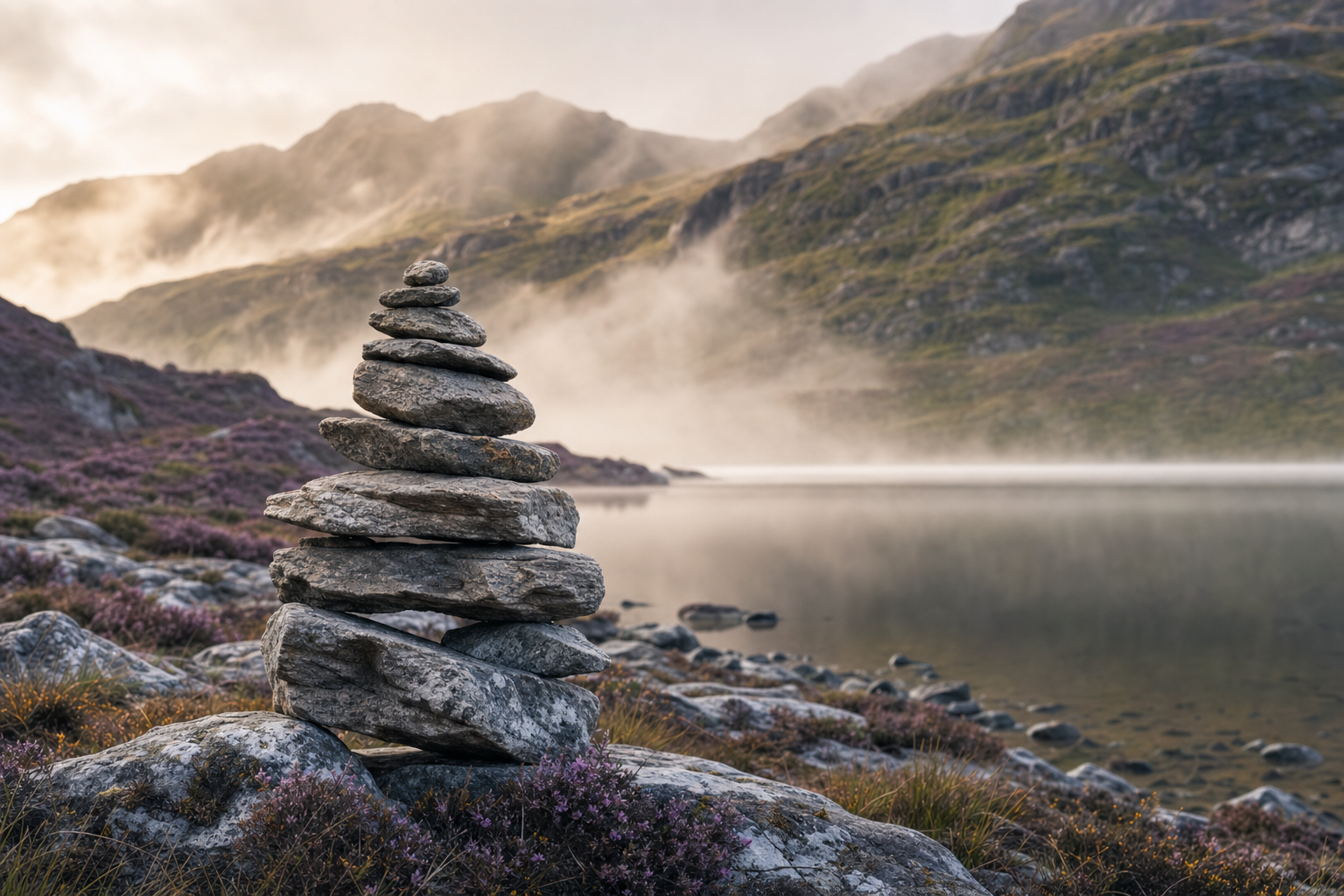
How to Say Scottish Baby Names with Confidence
The thing that scared me off Scottish names at first was the spelling — Eilidh and Iain and Isobel can look like tongue-twisters on paper. But once you learn a few gentle patterns, they become some of the easiest names to say. For deeper reference, Behind the Name keeps notes and pronunciation help for many of these names. Here are the patterns that helped me most.
- The spelling is often older than the sound. Eilidh looks complicated but is simply “AY-lee,” and Iain is just “EE-un.” Scottish Gaelic spelling preserves history, so trust the pronunciation guide over the letters on the page.
- “Ch” is soft, not hard. In names and words like loch, the “ch” is a gentle throat sound, never a hard “k.” It’s one of the most distinctive and lovely features of the language.
- Short and clean is the Scottish way. Craig, Ross, Skye, and Kyle show off how much meaning Scottish names pack into a single, crisp syllable. Say them once and they stick.
- Stress usually lands early. Angus, Fergus, and Isobel all lead with their strongest syllable, which is why they sound so grounded and sure.
- When in doubt, listen. Hearing a name spoken once or twice does more than any written guide, mine included. It’s the quickest way to fall for a scottish baby name that looked intimidating on paper.
Choosing a Scottish Name: What to Consider
Picking any name is part heart, part practicality, and scottish baby names add a couple of gentle things worth weighing. A few questions I’d sit with:
Does the meaning or story speak to you? This is where scottish baby names really shine — a shining light, a strong warrior, a headland, a bloom on the moor. If a particular meaning makes your chest feel a little warm, that’s worth paying attention to. Your child gets to grow up inside that meaning.
How does it flow with your last name and a middle name? Some of these first names sing next to a more familiar middle name — think Isobel Rose or Angus James — which gives your child a built-in option if they ever want one. Say the whole name out loud a few times; your ear will tell you a lot.
Is there a family or heritage connection? Many families choose a Scottish name to honor their roots, a grandparent, or a clan tradition, and that thread of continuity can mean a great deal down the line. It’s a beautiful way to carry that heritage forward.
Will the spelling travel well? Most scottish baby names are easy to say once heard, but a few — Eilidh, Iain, Isobel — are worth spelling out for teachers and grandparents early on. Happily, many fold down to a friendly short form like Finn, Gus, or Max, which keeps even the most distinctive choices approachable from day one.
Frequently Asked Questions
What are the most popular Scottish baby names?
Names like Isobel, Skye, Angus, Graham, and Maxwell are among the most widely recognized and chosen scottish baby names, and several of these scottish baby names sit comfortably on U.S. and U.K. baby-name lists right now. They tend to be the ones English-speaking parents feel most confident saying out loud.
What do Scottish baby names usually mean?
Many scottish baby names describe the land — hills, valleys, rivers, rocks, and the sea — or they honor strength, light, and old clan lines. Names like Eilidh (a bright, shining light), Craig (rocky outcrop), and Ross (headland) are good examples of how the meaning often paints a small piece of the Scottish landscape.
Are Scottish baby names hard to pronounce?
A few look harder than they sound. Once you learn that Eilidh is “AY-lee” and Iain is “EE-un,” the Gaelic spellings stop being intimidating. Most scottish baby names — Skye, Craig, Bonnie, Ross — are wonderfully simple and clear the very first time you say them.
Do Scottish baby names come with nicknames?
Very often, and that’s part of their charm. Findlay gives you Finn, Angus and Fergus both give you Gus, Maxwell gives you Max, and Alastair gives you Al or Ally — so a longer, more traditional name still has an easy everyday version waiting inside it.
Where do the meanings of Scottish names come from?
Most Scottish names trace back to Scottish Gaelic, to Old English and Norse settlers, or to the clans and places of the Highlands and Lowlands. Each meaning on this list is drawn from our own name directory, and where a meaning is uncertain or shared across traditions, I’ve tried to say so rather than guessing.
A Warm Send-Off
However you arrive at it, choosing your baby’s name is one of the first quiet conversations you’ll have about who this little person might be. Scottish baby names give you so much to draw on, and the scottish baby names on this list are only a starting point — misty islands and purple moors, lochs and cairns, bright light and fair-haired warriors, and generations of Highland families who said these same sturdy, tender sounds with love. Don’t let an unfamiliar spelling scare you off a name your heart keeps returning to; a name is learned quickly and carried for a lifetime. Take your time, say your favorites out loud, and trust that you’ll know it when you hear it. And because the Highlands were shaped by settlers from across the North Sea, you might find kindred sounds waiting in Norse names or German names too. Whatever you choose, your little one is going to wear it beautifully.
Related Articles

Elena Marsh
Elena Marsh is a writer, historian, and lover of names and where they come from. A mom of two, she went down the rabbit hole of name meanings and the cultures and stories behind them, and now writes warm, parent-to-parent guides to baby names from around the world. She researches and sources every meaning, and writes as a curious fellow parent rather than a credentialed linguist.

Add Comment