









By Sophia Richards
The first really warm Saturday of the year still gives me a little jolt. The kids are already half out the door — one hunting for the hose, one with a bike helmet on backward, one asking if we can “go to the pool right now this second” — and I’m standing in the kitchen doing the mental math on sunscreen, water bottles, and where on earth everybody’s shoes went. If you’re looking for summer safety tips for kids that actually fit into a real, slightly chaotic family day, you’re in the right place. I’m a mom of three, and before that I spent years as an early childhood educator, so I’ve done summer both with a clipboard and with a diaper bag balanced on one hip. None of what follows requires you to hover or ruin the fun — it just keeps the day from turning into the kind of story you end up telling at the pediatrician’s office.
Summer Safety Tips for Kids: Water Safety Comes First
Table of Contents
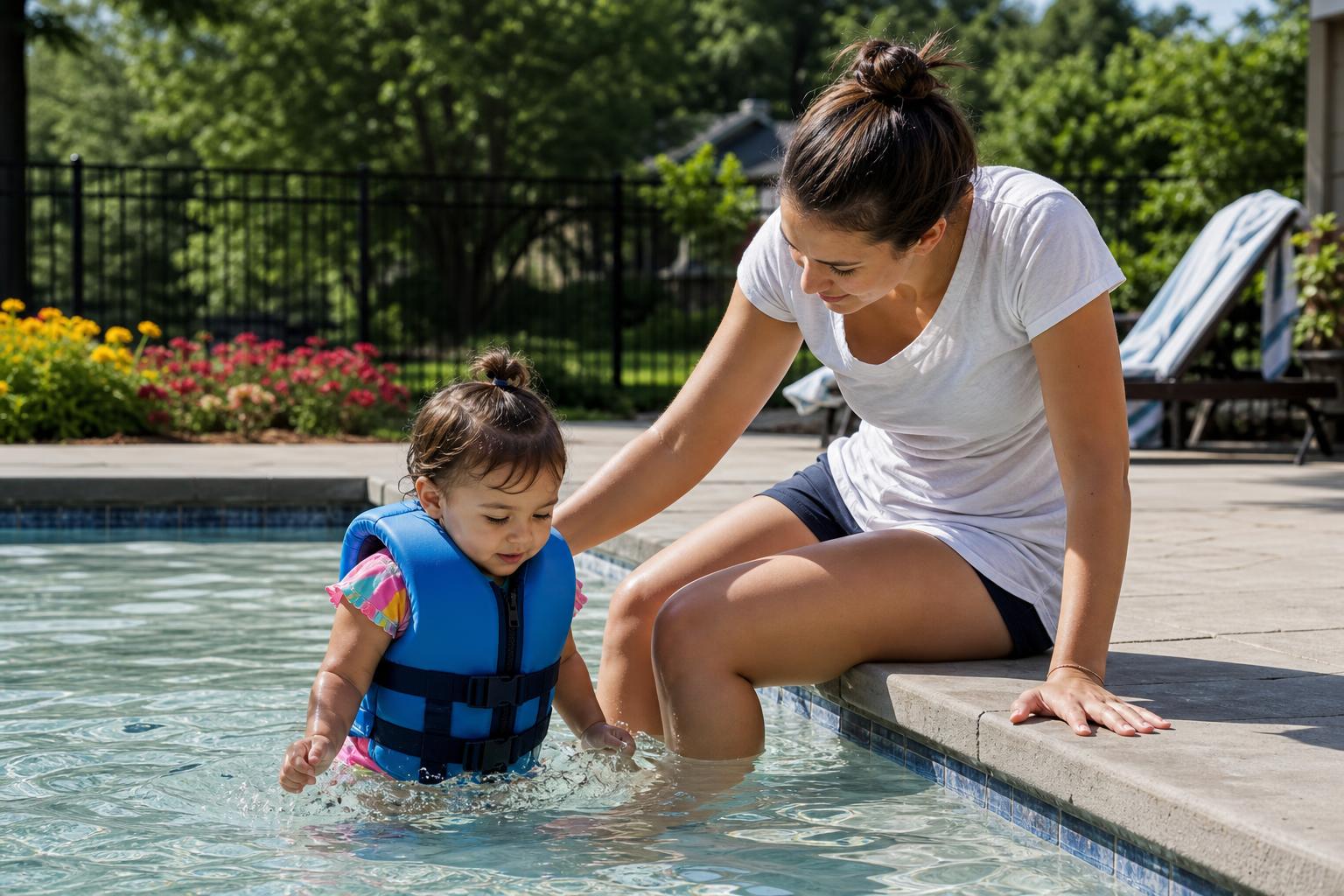
If I could get every parent to lock in on one thing all summer, it would be water. It’s the quiet danger, because drowning doesn’t look like the movies — there’s usually no splashing, no shouting, just a child slipping under without a sound. The Centers for Disease Control notes that drowning is one of the leading causes of injury death for young children, which is exactly why water safety sits at the very top of my list of summer safety tips and not buried somewhere near the bottom.
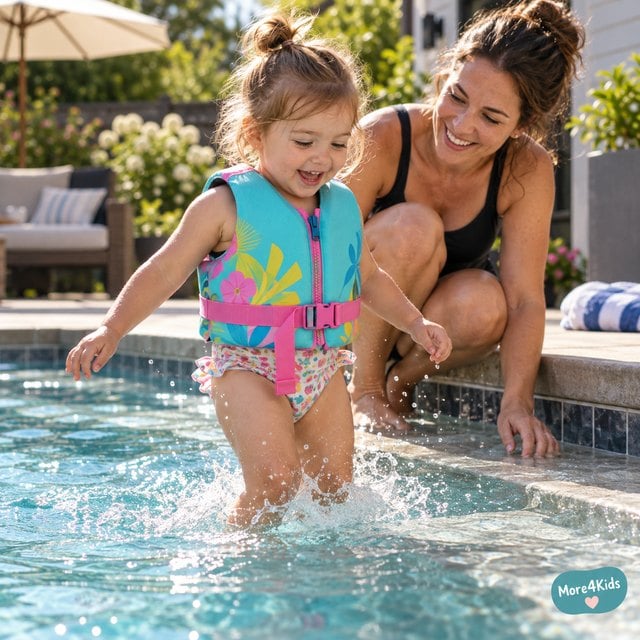
The single best protection is an adult whose only job, for that stretch of time, is watching. For little ones and weak swimmers, that means “touch supervision” — close enough to reach out and grab them. Put your phone in a drawer, not your pocket. If several families are together at a pool, name one “water watcher” for a set block of time so nobody quietly assumes someone else has eyes on the water. Fences with self-latching gates around home pools, life jackets on boats and open water, and swim lessons all stack up into layers, and you want as many layers as you can reasonably get. The American Red Cross has a clear breakdown of water safety basics worth reading before your first big swim day, and if you’re heading somewhere with lifeguards, our take on pools and water parks covers how to make those trips smoother. For the record, a guarded water park is one of my favorite low-stress options — the waterpark fun is real and so is the professional supervision, which frankly lets me relax a little myself.
Sun and Heat: Keep Them Cool and Covered
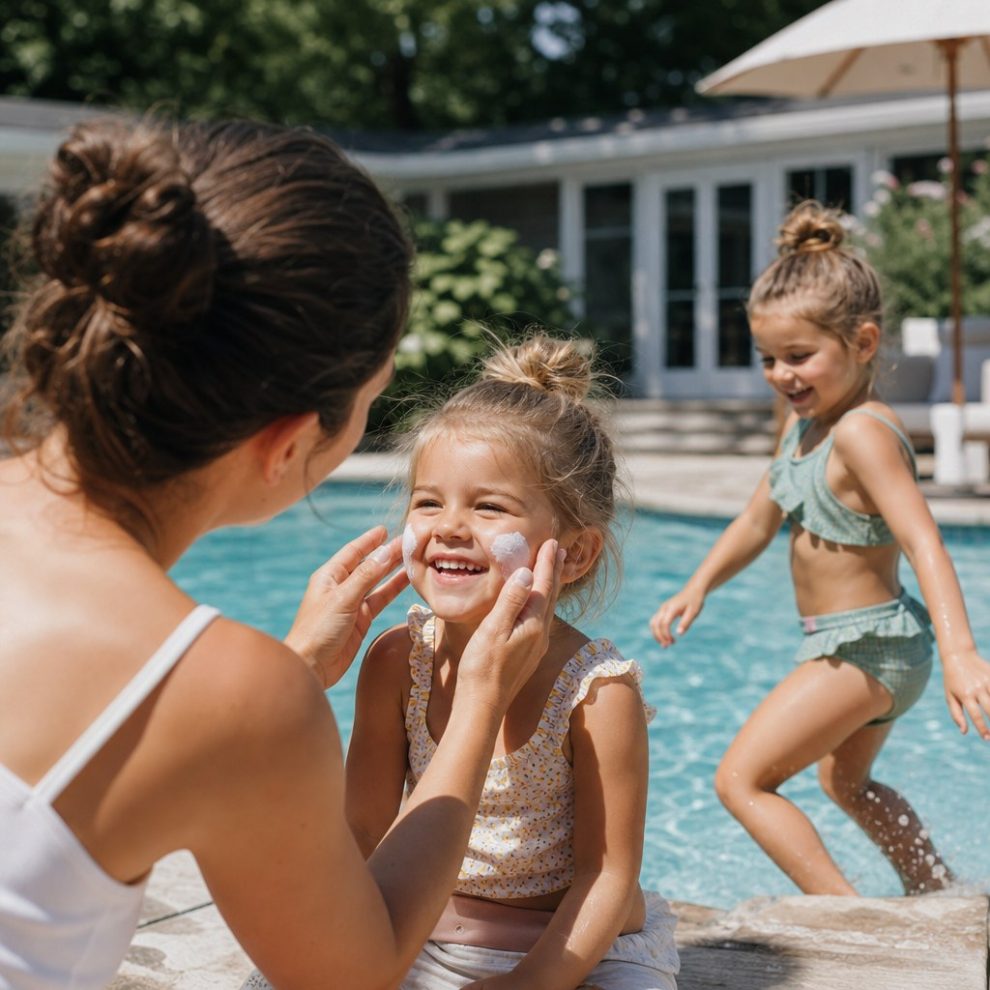
Sunburns aren’t just a rough afternoon; the burns kids get now matter for their skin decades later, which is part of why sun safety gets its own section right alongside water safety. I learned to treat sunscreen the way I treat seatbelts — non-negotiable, every time, before we leave the driveway. Use a broad-spectrum SPF 30 or higher, put it on about fifteen minutes before going out, and reapply every two hours and after swimming or heavy sweating. Hats, sunglasses, and a light long-sleeve rash guard do a lot of the work for you, and shade in the middle of the day is your friend, not an inconvenience. For babies under six months, the guidance is to keep them out of direct sun and lean on clothing and shade first; the American Academy of Pediatrics has thorough sun safety guidance if you want the specifics by age.
Heat is the other half of this equation. Little bodies warm up faster than ours do, and they’re genuinely terrible at noticing they’re overheating until they already feel awful. I keep water bottles by the door and treat them like part of the uniform, right alongside shoes. Watch for the early signs of too much heat — flushed cheeks, crankiness, headache, dizziness — and head for shade, water, and a cool-down before it climbs into anything serious. Safe Kids Worldwide has a useful page on preventing heat-related illness that’s worth a skim at the start of the season, before you actually need it.
The One That Scares Every Parent: Hot Cars
I almost left this one out because it’s hard to read, and then I decided that’s exactly why it belongs on this list instead of getting quietly skipped over. A car in the summer heats up shockingly fast, and a child left inside — even with the windows cracked, even “just for a minute” — can be in real danger before you’d ever guess. It happens to loving, attentive, exhausted parents whose routine got broken on a hard morning, which is honestly what makes it so frightening.
So we build habits instead of relying on good intentions, because good intentions have a bad track record on tired mornings. Never leave a child alone in a parked car, not even for a quick errand that “will only take a second.” Put something you’ll need — your phone, your bag, your left shoe if that’s what it takes — in the back seat so you’re always opening that door. And if you ever see a child alone in a hot car, don’t wait around wondering whether it’s your business; call for help right away. This is one place where a boring, automatic routine genuinely protects your kids.
Wheels and Helmets: Bikes, Scooters, and Skates
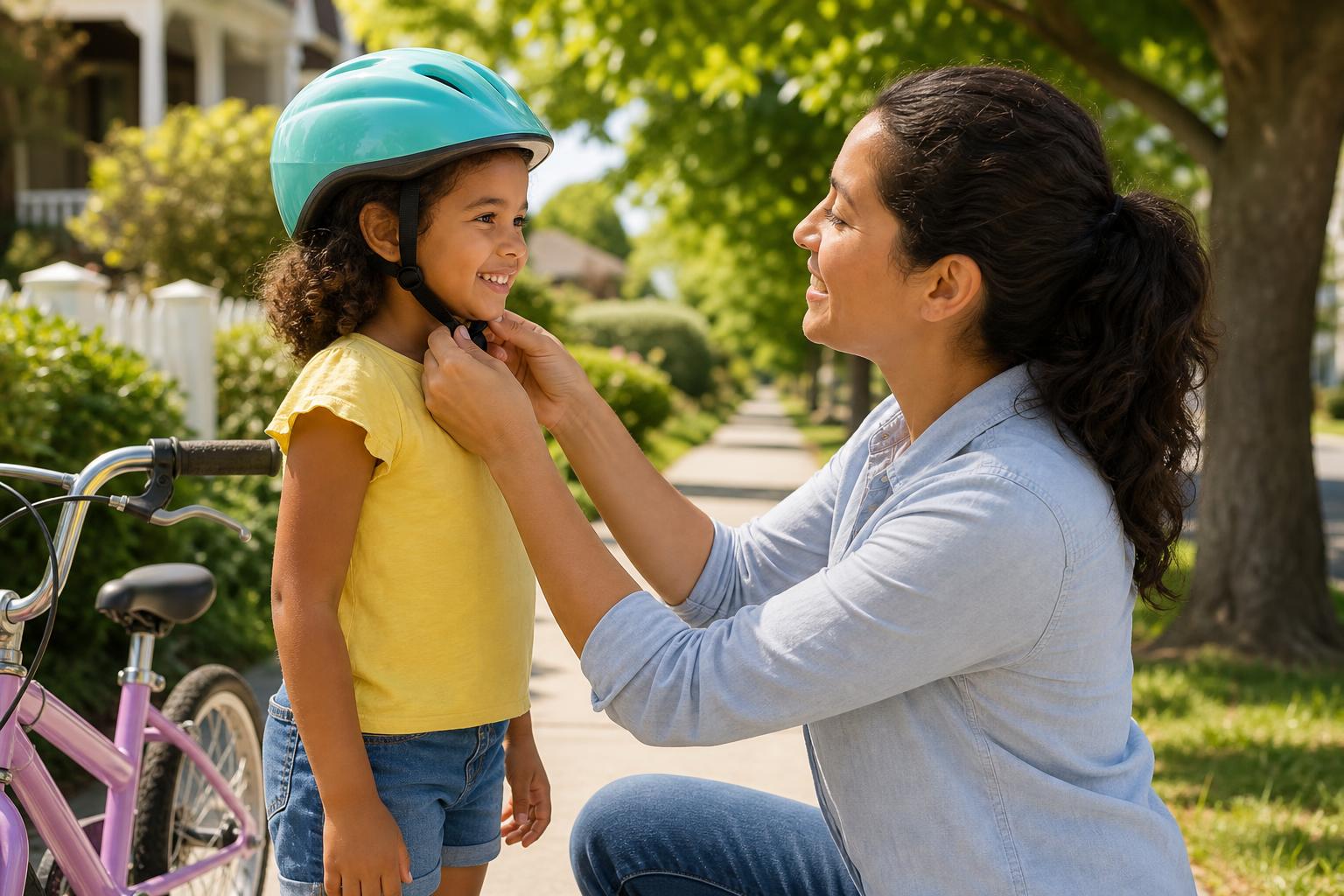
Summer is wheels season — bikes, scooters, skates, the whole driveway derby from dawn until somebody’s called in for dinner. The deal in our house has always been simple and never up for debate: wheels means a helmet, every single time, no exceptions, including the grown-ups. Kids do what we do far more than what we say, so if I want the helmet habit to actually stick, mine goes on too, even for the boring loop around the block.
Fit matters as much as wearing one in the first place. The helmet should sit level, low on the forehead — about two finger-widths above the eyebrows — with the straps making a snug “V” under each ear and just enough room for one finger under the chin strap. Then add the rest: ride in safe spots away from traffic, learn the basic rules of the road together, and check that brakes and tire pressure are working before the season’s first big ride. We dug into all of this in our piece on bike safety for kids, and honestly, out of every one of these summer safety tips, the helmet habit is the easiest win on the whole list.

Playgrounds, Bug Bites, and Scraped Knees
Not every summer hazard is dramatic. A metal slide that’s been baking in the sun can deliver a real burn, so I’ve learned to do the quick “back of my hand on the surface” test before turning a toddler loose on hot equipment. Choose playgrounds with soft surfacing under the climbers when you can, dress kids for the equipment they’re actually going to use, and keep a loose eye on the gap between what they want to climb and what they can actually get down from safely.
Then there’s the small stuff that fills an actual summer: bug bites, splinters, scraped knees, the occasional bee sting drama. Use insect repellent that’s appropriate for your child’s age, do a tick check after time in tall grass or woods, and keep a basic first-aid kit wherever you tend to be — the car, the beach bag, the kitchen drawer, wherever it’ll actually get grabbed. A little outdoor risk is good for them, by the way; the freedom to run, fall, and figure things out is part of why unstructured outdoor play matters so much for development. Safety isn’t the opposite of fun — it’s what lets the fun keep going all season long.
Build Easy Habits So Safety Runs on Autopilot
Here’s the thing I most want you to take away from all of this: you cannot white-knuckle your way through a whole summer of vigilance, and honestly, you shouldn’t try. What actually works is turning the big stuff into small, boring routines. Sunscreen lives by the front door. Helmets hang on the hooks with the bikes. Water bottles get filled the night before, not scrambled for at the last second. The water watcher gets named out loud before anyone gets in the pool. Once these become “just what we do,” your brain stops having to relitigate them on every hot, tired afternoon.
That frees you up for the part that actually matters — the real summer. Plan the outdoor family time and the messy, joyful traditions, whether that’s a backyard water fight or one of these family Fourth of July activities. The goal behind every one of these summer safety tips for kids isn’t a nervous summer; it’s a free one, where you’ve handled the risks ahead of time so everybody — including you — actually gets to relax into the season.
Frequently Asked Questions
What are the most important summer safety tips for kids?
If you only remember a handful, make them these: never leave a child unsupervised near water or alone in a car, use sunscreen and shade every day, keep kids hydrated and watch for overheating, and insist on a properly fitted helmet for anything with wheels. Those four cover the situations most likely to turn serious, and they take far less effort once you build them into your daily routine instead of deciding fresh each time.
How do I keep my kids safe around water in the summer?
Active, undistracted supervision is the heart of water safety — for young or weak swimmers, stay within arm’s reach. Designate one adult as the “water watcher” so no one assumes someone else is watching, fence home pools with self-latching gates, use life jackets on boats and in open water, and get kids into swim lessons. Think of these as layers; the more you stack, the safer everyone is.
How often should kids reapply sunscreen?
Apply a broad-spectrum SPF 30 or higher about fifteen minutes before going outside, then reapply roughly every two hours — and always right after swimming, towel-drying, or heavy sweating, since water and sweat wear it down. Pair it with hats, sunglasses, and shade during the strongest midday hours so the sunscreen isn’t doing the whole job alone.
What are the warning signs that a child is too hot?
Watch for flushed skin, unusual crankiness or fatigue, headache, dizziness, nausea, or a child who suddenly stops sweating despite the heat. If you notice these, move them into shade or air conditioning, offer cool water, and help them rest. Heat illness can climb quickly in children, so it’s better to call your pediatrician or seek medical help early than to wait and see.
Isn't all this focus on safety going to make summer less fun?
I’d argue the opposite. Most of these habits are quick and one-time-per-outing, and once they’re automatic they barely register. What they buy you is the freedom to stop hovering and actually enjoy the day, because you’ve already handled the risks that would otherwise sit in the back of your mind. A safe summer is a relaxed summer — for the kids and for you.
A Gentle Word Before You Go
You don’t need to memorize a manual or turn into the fun police to keep your kids safe this summer. Pick the few habits that prevent the serious stuff — water supervision, the back-seat check, daily sunscreen, helmets on wheels — and let them run on autopilot. Everything else is just paying easy, ordinary attention as you go. As a parent, I’ve learned that the summers I remember most fondly are the ones where I did the boring prep early and then got to be fully present for the cannonballs and the popsicles. Handle the risks once, the way we’ve laid out here, and then go have the actual summer. Your kids will remember the fun; you’ll quietly know why it stayed fun.
Related Articles
- Pools And Waterparks
- Waterpark Fun
- Bike Safety Month
- Science Of Play Time
- Outdoor Family Fun
- 25 4Th Of July Activities

Meet Sophia Richards Sophia Richards is an early childhood educator, passionate writer, and the proud mom of three energetic kids. With a degree in Education and over a decade of hands-on classroom experience, Sophia bridges the gap between professional teaching strategies and everyday family life. At More4Kids, she translates complex child development concepts into practical, actionable parenting tips that families can use at home.
Whether she is sharing positive reinforcement techniques, educational crafts, or honest reflections on the chaos of raising three children under one roof, Sophia’s goal is to empower parents to foster resilience and joy in their kids. When she isn't writing or lesson planning, you can find her organizing neighborhood scavenger hunts or trying out new kid-friendly recipes.
Areas of Expertise: Early Childhood Education, Positive Parenting, Sibling Dynamics, Educational Play, Family Wellness.

Add Comment