














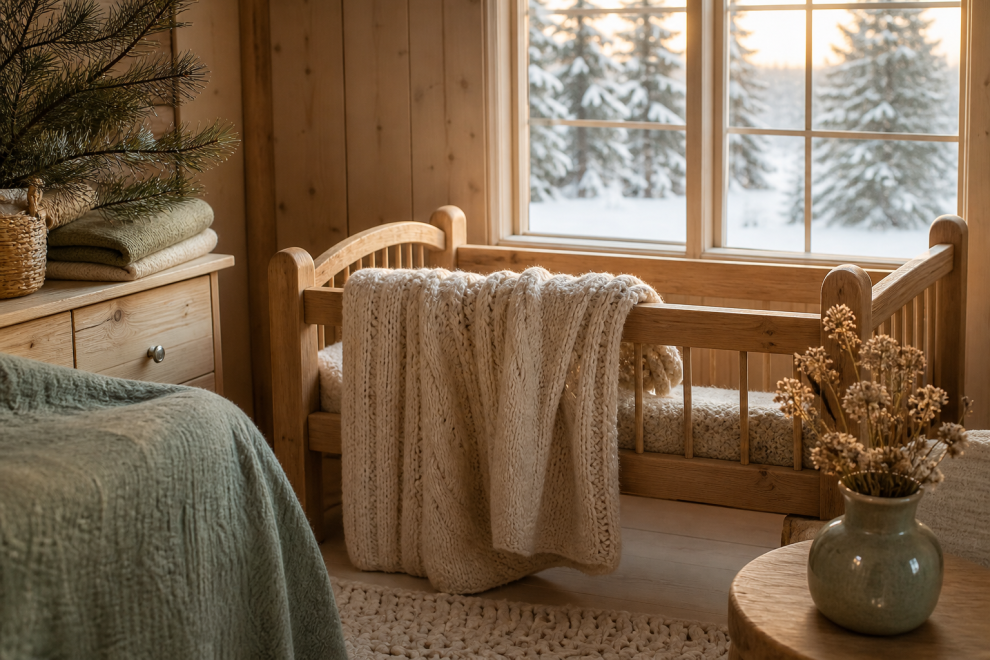
If you’ve been whispering Norse names over a sonogram photo, feeling for the one that sounds like strength and snow and a little bit of saga, I understand the pull completely. There’s something about these names — old as the fjords, warm as a fire in a timber cabin — that makes a baby feel rooted before they’ve even arrived. Here are more than fifty of my favorites, with their real meanings (the mythology is half the fun), the Old Norse forms where they add a little magic, and a link on every one so you can hear it and read its full story.
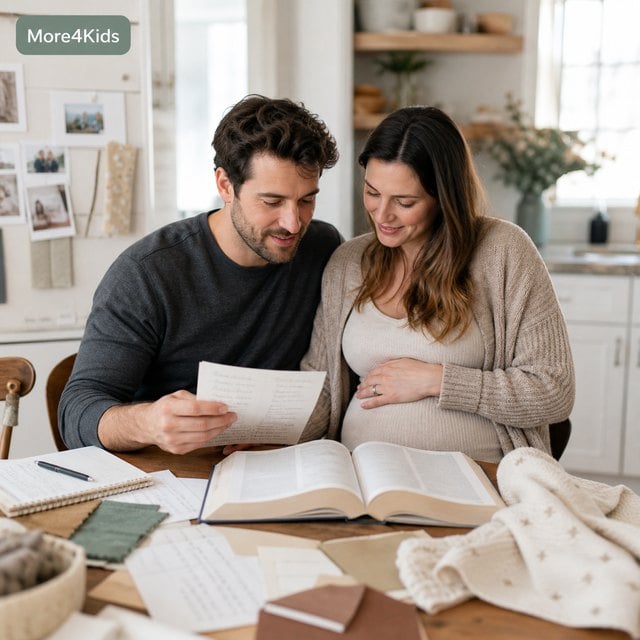
Each name below links to its page in our baby names directory — meaning, origin, popularity, and audio together in one place. You can wander the whole Norse origin hub or the broader Scandinavian hub any time the mood takes you.
In this guide
- Names straight from the myths
- Beautiful Norse girl names
- Strong Norse boy names
- Names from ice, sea, and forest
- Soft and modern Scandinavian picks
- By the meaning you love
- A little about the old language
- Names that pair well with siblings
- Are they popular here, too?
- Saying them out loud
- Questions other parents ask
Names straight from the myths
This is where I always start, because so many of the loveliest Norse names carry a whole story inside them. The most beloved Norse names tend to come from the myths first. The old gods and heroes weren’t distant figures to the people who named their children after them — they were family lore, told around the fire on long winter nights.
- Thor — the thunder god (Old Norse Þórr), protector of gods and humankind, hammer in hand. It means “thunder,” and it’s about as sturdy and warm-hearted as a name can be.
- Odin — the allfather (Óðinn), god of wisdom, poetry, and a restless searching mind. A big name with a thoughtful soul.
- Freya — the goddess of love and beauty (Freyja, “lady”). Soft, golden, and endlessly popular for good reason; spelled Fraya too.
- Thora — a tender feminine of Thor (Þóra), “thunder”; she has all his strength with a gentler music to her.
- Fenrir — the great wolf of the myths; bold and wild, for parents who want a name with real teeth to it.

Beautiful Norse girl names
The Norse names for girls have a way of sounding both delicate and unshakable at once — like frost on a window that won’t melt:
- Astrid — “divinely beautiful” (Old Norse Ástríðr, from áss “god” and fríðr “fair”). A queen of a name, and rising fast.
- Ingrid — “beautiful, beloved” of the god Ing (Ingiríðr); classic, elegant, and never fussy.
- Sigrid — “victory” and “beautiful” together (Sigríðr); a name that sounds like it’s already won.
- Solveig — “sun” and “strength” (Sólveig); luminous, and a little poetic.
- Liv — “life” (from hlíf, “protection”); just one bright syllable, soft as a held breath.
- Frida — “peace, beloved”; warm and a touch artistic.
- Maren — “of the sea”; calm and clear, with a Scandinavian softness.
- Kaia — “pure,” sweet and breezy, beloved across the North.
- Arna — “eagle,” small and fierce in the best way.
- Randi — from a word for “shield”; tender on the surface, steel underneath.
Strong Norse boy names
If you picture your little one as a bit of a force of nature, these strong Norse names carry real backbone — and they age beautifully, from a toddler’s lisp to a man’s signature:
- Erik — “eternal ruler” (Eiríkr); think Erik the Red, who sailed off and named a whole green country. Strong and friendly.
- Leif — “heir, descendant” (Leifr); the name of the Viking who reached North America centuries before anyone else. A little explorer’s name.
- Bjorn — “bear” (Bjǫrn); cozy and mighty at the same time, like a big warm hug with claws.
- Soren — soft, sure, and grown-up from the start; one of the most-loved Scandinavian picks over here.
- Magnus — “great” (from Latin, but worn proudly by Norse kings for a thousand years); regal without trying.
- Einar — “one who fights alone” (Einarr); a hero’s name, weathered and handsome.
- Axel — “father of peace” (from the Hebrew Absalom, long since at home in the North); spelled Aksel too.
- Sven — “young man, lad” (Sveinn); crisp and classic.
- Lars — the warm Scandinavian form of Lawrence; plainspoken and kind.
- Torsten — “Thor’s stone” (Þórsteinn); literally built on the thunder god, solid as bedrock.

Names from ice, sea, and forest
The old Norse world was wind and water and tall dark pines, and a lot of these Norse names still carry that wild, clean air with them:
- Espen — “god bear” (from Ásbjǫrn); a little fairy-tale hero of a name.
- Nils — the Nordic Nicholas, “victory of the people”; clean and quiet.
- Anja — “grace,” soft and luminous.
- Maja — a Scandinavian sweetheart of a name, sunny and gentle.
- Kari — “pure” (and in myth, a personification of the wind); airy and free.
- Elin — the Nordic Helen, “light”; bright and uncomplicated.
- Dane — quite literally “from Denmark”; simple, handsome, and easy on any last name.
- Bo — “to live, to dwell”; one tiny syllable of home.
Soft and modern Scandinavian picks
If you love the heritage but want Norse names that fit right onto a little backpack tag, these softer Scandinavian picks feel fresh and gentle:
- Emil — “rival, eager”; sweet and easy, with old-world charm.
- Henrik — “ruler of the home”; dignified, a little debonair.
- Isak — the Nordic Isaac, “he will laugh”; warm and bright.
- Sander — short for Alexander, “defender”; smooth and modern.
- Stellan — possibly “calm” or “still”; soft, a touch unusual, lovely.
- Annika — “grace”; cheerful and a little bit retro in the best way.
- Sofie — the Scandinavian Sophie, “wisdom”; timeless.
- Jens — the Nordic John, “God is gracious”; plain and warm.
- Anders — “manly, brave”; friendly and grounded.
- Johan — another beloved form of John; gentle and old-fashioned in a way that’s coming back around.
- Annika and Maren make sweet sisters; Karl and Hans are the cozy old grandfathers of the bunch, ready for a comeback.
By the meaning you love
If you’re following your heart toward a particular feeling, here’s a quick way to sort the Norse names above by the wish inside them:
- The gods and myths (Æsir): Thor (Þórr), Odin (Óðinn), Freya (Freyja), Thora, Torsten.
- Strength and victory (sigr): Sigrid, Erik, Einar, Magnus.
- Light and beauty (fríðr): Astrid, Ingrid, Elin, Solveig.
- Sea, wind, and wild (haf): Maren, Kari, Bjorn, Leif.
There are plenty more threads to follow in our names-by-meaning hub whenever you want to keep wandering.
A little about the old language
A bit of background makes the choosing sweeter. Most of these Norse names come from Old Norse, the language of the Vikings, written in a runic alphabet called the futhark — a single rune like ᚠ (fehu, “wealth, cattle”) stood for both a sound and an idea. A few small things worth knowing:
- Those crossed letters are real. Old Norse uses þ (a soft “th,” as in Þórr for Thor) and ð, plus accented vowels that mark a long sound. They look a little mysterious, but they’re just how the language wrote down sounds we still use.
- The names often say a wish. Like a lot of old naming traditions, Norse parents picked words that meant something hopeful — victory, beauty, the protection of a beloved god — and trusted their child to grow into it.
- Many are “kennings” of a kind. Names like Torsten (“Thor’s stone”) fuse two ideas together, which is why they carry such weight in so few syllables.
- They’ve softened over the centuries. The thundering Þórr became our gentle Thor; Ástríðr became Astrid. The heritage is intact, just a little easier on a modern tongue.
Names that pair well with siblings
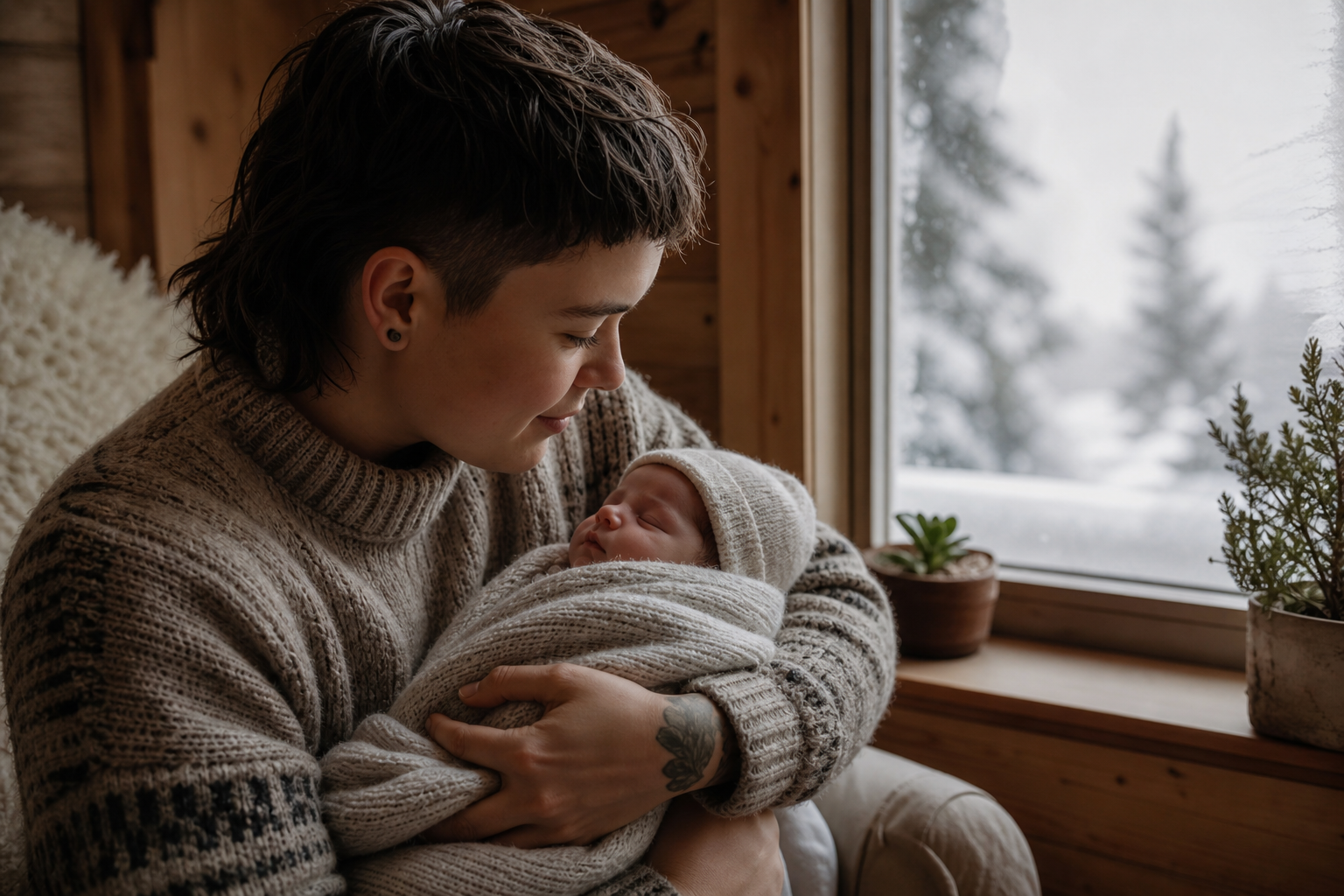
If there’s already a little one at home, or there will be, it helps to picture these Norse names side by side. Norse names sit together especially well when they share a feel rather than a theme. The trick isn’t matching a theme so much as matching the weight and the feel. A few sets that sound lovely together:
- Soft and bright: Liv, Kaia, and Elin.
- Mighty and old: Thor, Bjorn, and Erik.
- Gentle and modern: Emil, Sofie, and Soren.
- Goddesses together: Astrid, Freya, and Ingrid.
One gentle tip: try not to stack two names that lean on the same heavy myth (Thor and Thora in the same house can get tangled at dinnertime). Let each child have a little room of their own.
Are they popular here, too?
More and more, yes. These Norse names are climbing quietly: Astrid, Freya, and Soren have all been on the rise for English-speaking families, helped along by Scandinavian design, Nordic shows, and a growing love of names that feel both old and uncommon. You can watch how any of these Norse names is trending here in the United States through the public records kept by the Social Security Administration — it’s the same data we use to chart each name’s popularity in our directory.
The appeal is easy to understand. These names tuck a lot of meaning and a lot of story into a few strong sounds, and most of them (Liv, Erik, Kaia, Soren) settle right into a classroom roll call without anyone blinking. Whether you’ve got Scandinavian roots you want to honor or you’ve simply fallen for the sound, you’re in wonderful company.
Saying them out loud
A few small things that make deciding among your favorite Norse names easier:
- Listen first. Some Norse names look trickier on paper than they sound — Bjorn is close to “byorn,” Sigrid is “SIG-rid.” Tap the audio on any name page and hear it for real instead of guessing.
- Follow the meaning that moves you. A name that means “victory and beauty” or “life” carries a quiet little blessing; if a particular sense tugs at you, let it lead.
- Say it with your last name. The short, strong ones (Thor, Liv, Sven) pair beautifully with longer surnames, and the longer ones (Astrid, Magnus, Solveig) love a short one.
- Lean toward the spelling that feels easy. Freya or Fraya, Axel or Aksel — for everyday life, the version that’s kindest to spell out at the doctor’s office is usually the right one.
If you’d like to dig deeper into a name’s history and its Old Norse roots, a scholarly reference like Behind the Name sits nicely alongside our own sourced entries and audio.
When you’ve narrowed it to two or three, live with them for a week. Write each one out, say it with your surname and your other children’s names, and call it across an imaginary playground a few times. A name worth keeping feels just as right whispered to a sleeping newborn as it will called home for supper one frosty evening years from now — and the best Norse names for your baby, with their old strength and their gentle music, tend to pass that little test with room to spare.
Questions other parents ask
What are the most popular Norse names?
What’s the difference between Norse and Scandinavian names?
It’s a gentle overlap, really. Norse names come from Old Norse, the language of the Vikings, and often carry mythology inside them — Thor, Freya, Astrid. Scandinavian names are the broader, modern family used across Denmark, Norway, and Sweden today, including softer picks like Emil and Sofie. You can browse both our Norse and Scandinavian hubs side by side.
What are some strong Norse boy names?
What are some beautiful Norse girl names?
Which Norse names come from mythology?
What do the accents and crossed letters in Old Norse mean?
They’re just the old way of writing sounds we still use. The letter þ (as in Þórr for Thor) is a soft “th,” and the accents over vowels mark a long sound. They look a little mysterious, but they don’t change the warm, familiar names we say today — Ástríðr softened into Astrid, and Þórr into Thor.
Are Norse names hard to pronounce in English?
Can our family use a Norse name if we’re not Scandinavian?
Are any Norse names good for either gender?
How do I choose the right Norse name?
Listen to it, settle on the meaning that tugs at your heart, say it with your last name, and pick the spelling that feels easy (Freya or Fraya, Axel or Aksel). Then live with your top two or three for a week — the right Norse name has a way of rising gently to the top on its own.
Find your name
Wherever you’ve landed, take your time — there’s no rush and nothing to buy. Wander the full Norse origin hub and the wider Scandinavian hub, or search all 11,000+ names — each with its meaning, origin, popularity, and audio — over in the More4Kids baby names directory. The right one has a way of finding you.

