
















By Sophia Richards
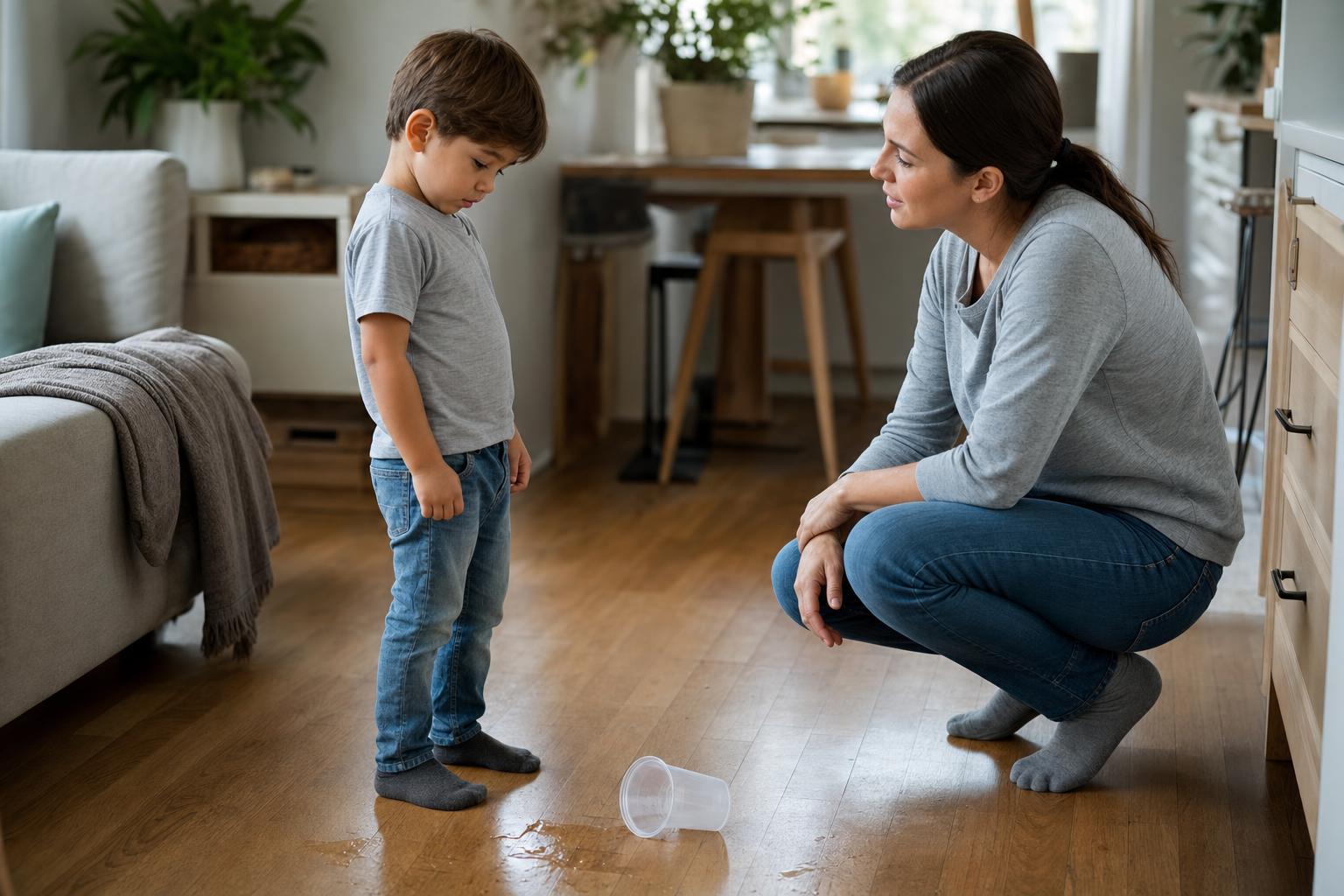
The first time I caught one of my kids in a flat-out lie, I felt this weird mix of panic and almost-laughter. He was about four, standing next to a tipped-over cup with milk running off the table onto his socks, looking me dead in the eye to tell me the dog did it. We don’t have a dog. So if you’ve ever stood over a mess like that wondering why do kids lie, and why they sometimes do it so badly, pull up a chair. I’m a mom of three, and before that I spent years as an early childhood educator, and I promise you that a little lying is one of the most normal, developmentally ordinary things a child can do. It isn’t a sign you’re raising a tiny criminal. It is usually a sign their brain is growing exactly the way it should.

That doesn’t mean we shrug it off, though. Honesty is something we build slowly, over years, and how we react in these small moments matters more than we tend to think. So let us talk about what is really going on when kids lie, what counts as normal at each age, and the kind of calm response that actually grows truth-telling instead of driving it underground.
Why Do Kids Lie? The Real Reasons Behind the Fibs
Table of Contents
Here is the thing most parenting advice skips right past: when kids lie, they’re almost never doing it to be bad. They’re solving a problem, and lying is just the tool sitting closest at hand. Once I started seeing it that way, the milk-and-the-imaginary-dog moment got a lot easier to sit with.
Most lying traces back to one of a handful of reasons. Sometimes a child lies to avoid getting in trouble — the oldest motive there is. Sometimes it is wishful thinking: a preschooler insists she didn’t eat the cookie because she so badly wishes she had not, and at that age the line between wish and fact is genuinely blurry. Kids also lie to get something they want, to avoid disappointing you, to protect a friend or sibling, or just to see what happens when they test whether words can bend reality a little. Older kids and tweens start lying for privacy, to fit in with friends, or to dodge a consequence they have quietly decided isn’t fair.
There is also a quieter, almost hopeful reason behind early lying. Being able to tell a lie at all is a real cognitive milestone. To lie convincingly, a child has to understand that you don’t automatically know what they know — that your mind and theirs hold different information. Psychologists call this “theory of mind,” and the Child Mind Institute has a clear explainer on why kids lie and why early fibbing shows up in almost every household. So the next time a child lies straight to your face, try holding onto this: a brain that can imagine what you don’t know is a brain that is developing right on track.

Lying by Age: What’s Normal at Each Stage
Learning what is typical at each age took so much of the fear out of this for me. A four-year-old’s whopper and a thirteen-year-old’s cover story are completely different animals, and they call for completely different responses.
Toddlers and preschoolers (2–4). This is the magical-thinking era. A child this age lies the same way they tell you about the monster under the bed — half make-believe, half hope. They’re not really deceiving you yet; they’re trying out the idea that saying something can make it so. Gentle and low-drama is the whole game here.
Early school age (5–8). Now the lies get more deliberate, and a lot more obvious. Kids this age lie to dodge consequences or to impress someone, and they’re not very good at it yet, which is honestly a small gift — you can usually see right through it. This is the prime window for teaching that telling the truth, even about a mistake, is safe.
Tweens and teens (9+). Lies get smarter and more about autonomy: privacy, social life, testing limits. The stakes feel higher, so the relationship matters more than ever. If a child lies at this age, the long game is keeping the lines of communication open so the truth still has somewhere to go once it surfaces. Some of what looks like deception is really a kid figuring out who they’re, and our piece on parenting teenagers and responsibility digs into that balance of freedom and accountability.
What Not to Do When You Catch a Lie
I’ll be honest, my worst parenting moments around lying happened when I led with my own frustration instead of my judgment. So let me save you a few of my mistakes.
Don’t set a trap. When you already know the truth, resist the urge to ask “Did you do this?” just to catch them in it. You’re basically handing a scared kid a chance to lie, then punishing them for taking it. Instead, name what you see: “I can see the milk spilled. Let’s clean it up together and talk about what happened.”
Don’t label the child a liar. “You’re such a liar” lands as a verdict on who they are, not what they did, and kids tend to live up, or down, to the labels we hand them. The American Psychological Association’s overview of why children lie makes this point well: how we talk about the behavior shapes whether it grows or fades. Calm words, like the ones in our guide to parenting phrases worth avoiding, protect the relationship while still holding the line.
Don’t overreact to small stuff. If every fib triggers a five-alarm response, you end up teaching your child that the truth itself is dangerous, which makes the next lie more likely, not less. The goal is to make honesty feel safer than hiding ever does.
How to Respond So Honesty Feels Safe
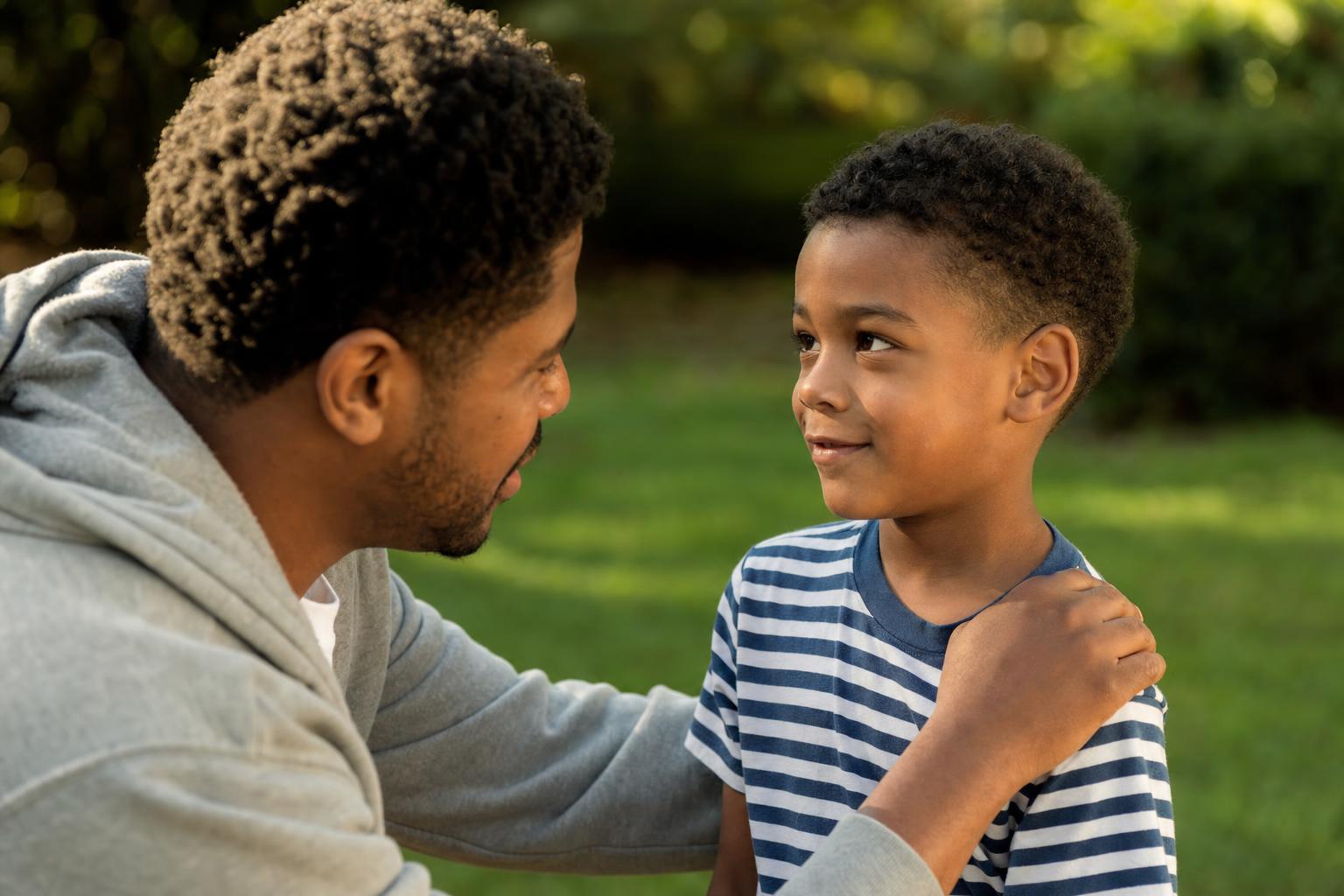
The single most useful shift I made was learning to reward the truth out loud, even when the truth itself was bad news. When my middle child finally admitted she was the one who had colored on the wall, my instinct was to get upset about the wall. Instead I made myself say, “That was really hard to tell me, and I’m proud of you for being honest. Now let’s figure out the wall together.” The mess still got dealt with, but the honesty got the spotlight first.

A few responses that genuinely work, at pretty much any age:
- Praise the telling, then handle the deed. Separate the two. “Thank you for telling me the truth” comes first; the natural consequence for the actual behavior comes second, delivered calmly.
- Keep consequences for the lie and the act proportionate and predictable. A child who knows that owning up leads to a smaller, fairer outcome has a real reason to keep choosing honesty.
- Give a face-saving exit. “Sometimes we say something happened a different way because we wish it had. Want to try telling me again?” lets a young child climb down without humiliation.
- Model it yourself. Let your kids catch you telling the small, awkward truths — admitting you were wrong, apologizing, not fudging the story about the speed limit. They’re always watching, more than we realize. We get into this in teaching honesty and integrity, and it is honestly the piece I come back to most.
Tone carries more weight than any single technique. The exact same conversation, delivered with warmth instead of heat, lands completely differently — something I explore more in our look at the power of words in parenting.
Building a Home Where the Truth Is Easier
Most of the work of raising honest kids doesn’t actually happen in the moment of the lie. It happens in the ordinary days that surround it. Kids tell the truth more freely in homes where the truth is usually safe to tell, where mistakes get met with help instead of shame, where they have already seen that being honest doesn’t blow up the whole afternoon.
That means catching them being honest and naming it out loud. It means keeping your own reactions steady enough that bad news feels survivable rather than catastrophic. And it means remembering that the occasional lie isn’t a character crisis; it is a teaching moment that comes back around again and again, which is actually good, because that repetition is how kids learn anything that matters. If you want a wider frame for the patient, consistency-over-time approach this takes, our guide to cultivating better behavior in children walks through how small, repeated responses add up over months, not days.
So the next time you’re standing over a spilled cup hearing about a dog you don’t own, take a breath first. Your child isn’t broken, and neither are you. They’re learning where the line between story and truth actually lives, and you, calm and steady, are the one helping them find it.
Frequently Asked Questions
Why do kids lie even when they know they'll get caught?
Young children especially lie in the moment to escape an uncomfortable feeling — fear, embarrassment, or the wish that they hadn’t done something — and that urge often overrides their sense of how likely they are to be caught. For little ones, the line between what they wish were true and what actually happened is genuinely blurry. As kids mature, lies become more strategic, but the root is usually still avoiding trouble or disappointment rather than pure deception.
Is lying a normal part of child development?
Yes, completely. Being able to tell a lie actually requires a real cognitive leap — understanding that you don’t automatically know what your child knows — so early fibbing is a sign of a developing mind, not a moral failure. Most children experiment with lying as preschoolers and again at various ages. What matters is how consistently and calmly we guide them toward honesty over time, not whether a lie ever happens.
How should I react when I catch my child in a lie?
Stay calm and avoid setting a trap by asking a question you already know the answer to. Name what you see, invite the truth, and when your child is honest, praise the honesty first before dealing with the behavior itself. Keep consequences fair and predictable so owning up always feels safer than hiding. Reacting with heat or harsh labels tends to drive lying underground rather than ending it.
At what age should I worry about my child lying?
Occasional lying is normal at every age, but it’s worth paying closer attention if the lies are frequent, elaborate, and paired with other changes — trouble at school, aggression, or pulling away from family. In that case the lying is usually a symptom of something else worth exploring, sometimes with help from your pediatrician or a counselor. For ordinary, garden-variety fibs, steady and patient guidance at home is exactly the right response.
How do I teach my child to be honest?
Make honesty the easier, safer choice. Praise truth-telling out loud even when the news is bad, keep your reactions proportionate, model honesty in your own small daily moments, and talk openly about why truth matters in your family. Children learn far more from watching how we handle mistakes than from any lecture about lying, so the calm, consistent example you set day to day does most of the teaching.
Related Articles
- Parenting Teenagers And Responsibility
- 7 Parenting Phrases To Avoid
- Teaching Honesty And Integrity
- The Power Of Words
- Cultivating Better Behavior In Children

Meet Sophia Richards Sophia Richards is an early childhood educator, passionate writer, and the proud mom of three energetic kids. With a degree in Education and over a decade of hands-on classroom experience, Sophia bridges the gap between professional teaching strategies and everyday family life. At More4Kids, she translates complex child development concepts into practical, actionable parenting tips that families can use at home.
Whether she is sharing positive reinforcement techniques, educational crafts, or honest reflections on the chaos of raising three children under one roof, Sophia’s goal is to empower parents to foster resilience and joy in their kids. When she isn't writing or lesson planning, you can find her organizing neighborhood scavenger hunts or trying out new kid-friendly recipes.
Areas of Expertise: Early Childhood Education, Positive Parenting, Sibling Dynamics, Educational Play, Family Wellness.

Add Comment