















By Sophia Richards
Let me clear up the biggest myth first, because it trips up so many well-meaning parents: gentle parenting is not the same as permissive parenting.
When I first heard the term years ago, I pictured a frazzled mom letting her kids run wild while she cooed about their feelings. That is not it at all. Real gentle parenting discipline techniques are about holding firm, loving boundaries while treating your child as a whole person who is still learning how to manage a very big, very new set of emotions. There are still limits. There are still consequences. The difference is in *how* we get there.
As a mom of three and a former early childhood educator, I have leaned on these approaches through tantrums in grocery stores, slammed doors, and the kind of defiance that makes you want to lock yourself in the bathroom for five minutes of peace. They are not magic, and they are not always easy. But they build something that punishment alone never does: a child who behaves because they trust you, not just because they fear a consequence.
What Gentle Parenting Discipline Techniques Actually Mean
Table of Contents
At its heart, gentle parenting rests on a simple idea: discipline means *to teach*, not *to punish*. The word itself comes from the Latin for "instruction."
That reframe changes everything. When my child melts down because the blue cup is in the dishwasher, the goal is not to win the standoff. The goal is to help a still-developing brain learn that disappointment is survivable. The American Academy of Pediatrics (HealthyChildren.org) makes this point clearly: the most effective discipline is built on a warm, secure relationship, consistent expectations, and teaching—not yelling or hitting, which research links to worse behavior over time.
So gentle parenting keeps the boundary. It just delivers the boundary with empathy. "I won't let you hit your brother" is a hard limit. Saying it while staying calm and helping your child name their anger is the gentle part.
Core Gentle Discipline Techniques for Everyday Moments
Here is what actually works in my house, day to day, when things go sideways.
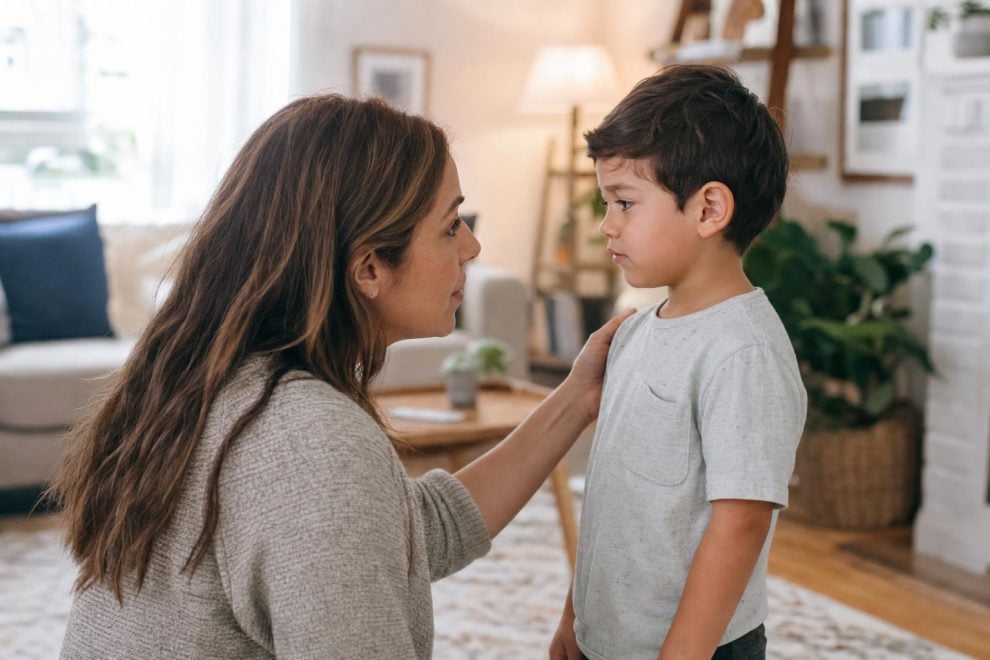
Connect before you correct. A child who is flooded with emotion cannot hear a lecture. Their thinking brain has gone offline. Before any teaching can happen, get down to their level, lower your voice, and acknowledge the feeling: "You are so mad that screen time is over." Connection is not rewarding bad behavior—it is opening the door so your guidance can actually land. Our piece on cultivating better behavior in children leans hard on this same idea.
Offer the limit and the empathy together. You do not have to choose between being kind and being firm. "I know you want to keep playing. It is time to clean up now." Both halves matter. The empathy keeps the relationship intact; the limit keeps you the steady adult in charge.
Use natural and logical consequences. Gentle does not mean consequence-free. If your child throws the blocks, the blocks get put away for a while. If they refuse a coat, they feel chilly on the walk. Consequences that are connected to the behavior teach far better than random punishments. The approach in parenting with love and logic is built almost entirely on this principle.
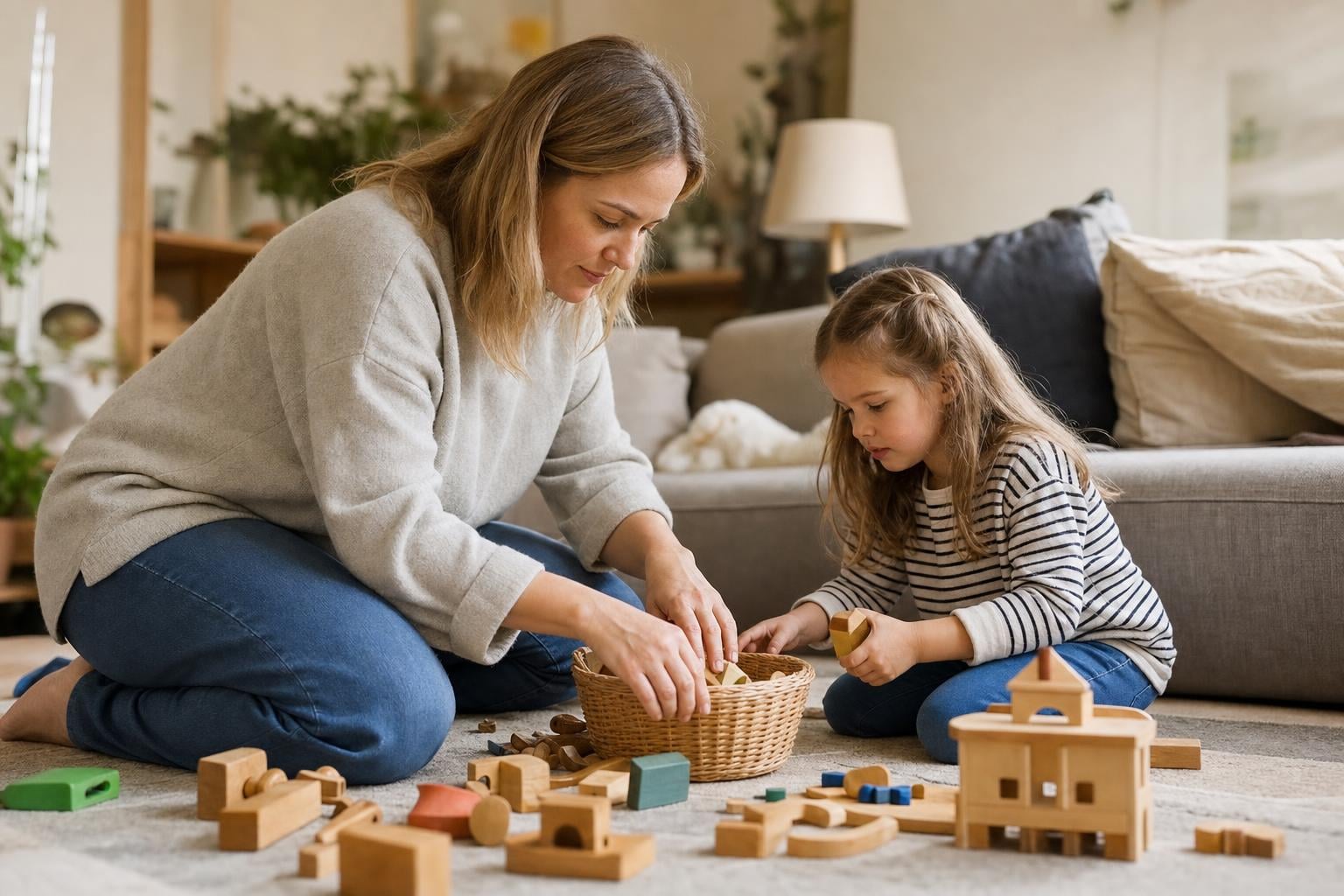
Give choices within your boundary. Toddlers and big kids alike crave a sense of control. Instead of a power struggle, offer two acceptable options: "Do you want to brush teeth before or after pajamas?" The limit (teeth get brushed) is non-negotiable. The choice gives them dignity and usually defuses the fight.
Repair after a rupture. You will lose your temper sometimes. I certainly do. Gentle parenting does not require perfection—it requires repair. Going back later and saying, "I yelled earlier, and I am sorry. I was frustrated, but it is never okay for me to scream," models exactly the emotional honesty we want them to learn.
Staying Calm When Your Child Pushes Every Button
The hardest part of gentle discipline is not the technique. It is regulating *yourself* when your kid is screaming in a parking lot and strangers are staring.
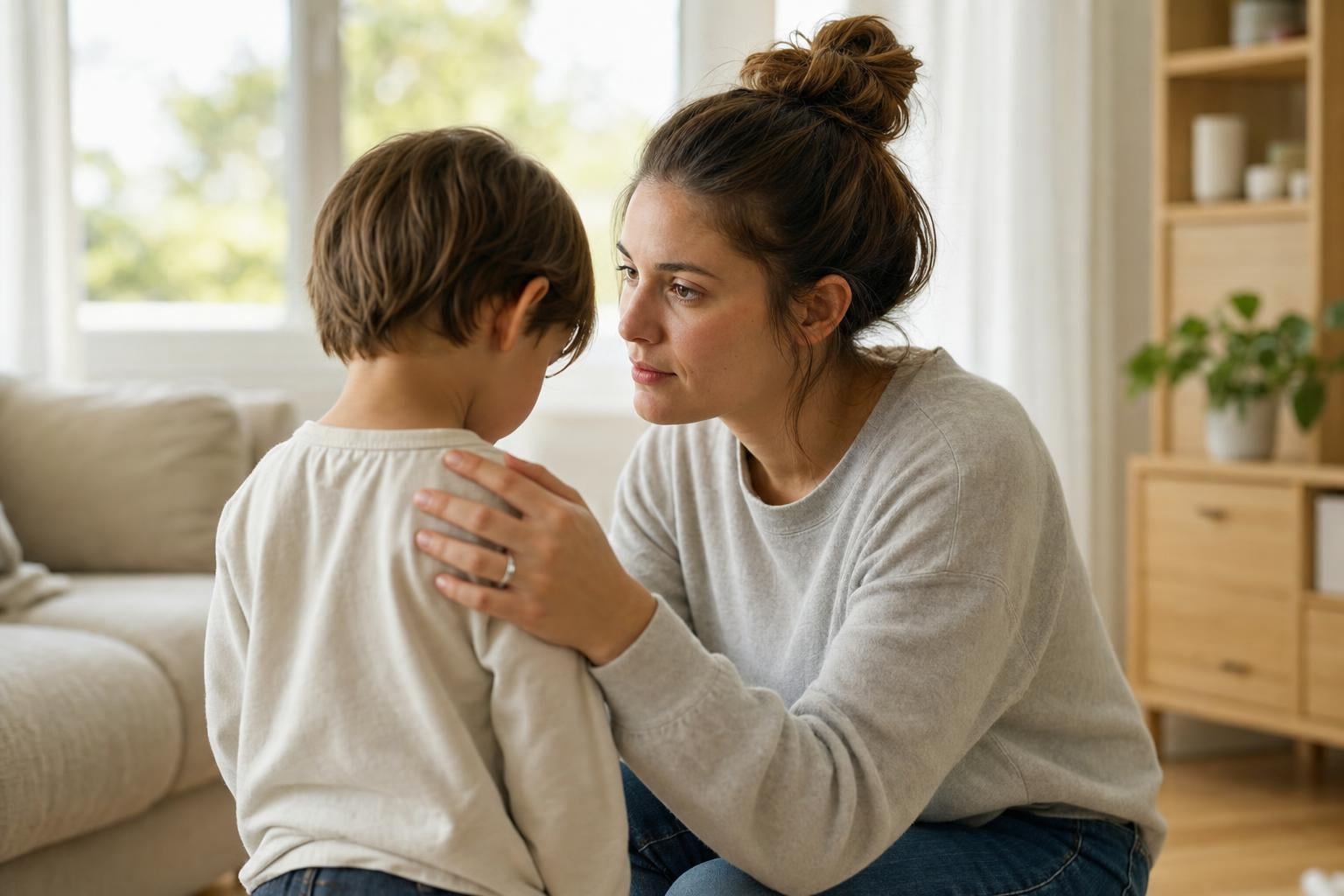
A few things that help me hold it together:
- Name it silently. "He is not giving me a hard time. He is having a hard time." That reframe alone lowers my blood pressure.
- Buy three seconds. A slow breath before you respond is often the entire difference between a calm limit and a regretted reaction.
- Lower your voice instead of raising it. Kids co-regulate off our nervous systems. A quiet, steady voice can pull the temperature down faster than any words. The way we speak in these moments matters enormously, which is something our article on the power of words in parenting digs into.
The CDC's positive parenting resources echo this: clear, consistent, calm responses help children feel secure and actually shorten the rough patches over time.
When Gentle Discipline Feels Like It Is Not Working
Here is the honest part. Some days, you will do everything "right"—connect, stay calm, offer choices—and your child will still fall apart. That does not mean the approach failed.
Gentle parenting is a long game. You are not training a behavior the way you would teach a dog to sit; you are shaping a relationship and a developing brain over years. The payoff shows up slowly: a kid who comes to you when something is wrong, who can name their feelings, who eventually learns to pause before they react because they watched you do it a thousand times.
If your child's behavior feels extreme, persistent, or worrying—aggression that does not ease, anxiety that interferes with daily life, or anything that leaves your gut uneasy—it is always worth a conversation with your pediatrician. Gentle discipline is a parenting framework, not a substitute for support when a child needs more.
For tonight, give yourself the same grace you are trying to give your kids. You are not raising a perfectly behaved child. You are raising a kind, resilient human—and the calm, steady way you guide them through the hard moments is exactly how they learn to do it themselves.
Frequently Asked Questions
Is gentle parenting the same as permissive parenting?
No. Gentle parenting is about holding firm, loving boundaries while treating your child as a whole person who is still learning to manage big emotions. There are still limits and still consequences — the difference is in how you get there, delivering the boundary with empathy instead of yelling.
Does gentle parenting use consequences?
Yes — natural and logical ones. If your child throws the blocks, the blocks get put away for a while; if they refuse a coat, they feel chilly on the walk. Consequences that are connected to the behavior teach far better than random punishments.
What are the core gentle discipline techniques?
Five that work day to day: connect before you correct, offer the limit and the empathy together, use natural and logical consequences, give choices within your boundary, and repair after a rupture when you lose your temper.
How do I stay calm when my child pushes every button?
Name it silently — "he is not giving me a hard time, he is having a hard time" — to lower your own blood pressure. Buy three seconds with a slow breath before you respond, and lower your voice instead of raising it, because kids co-regulate off your nervous system.
Related Articles

Meet Sophia Richards Sophia Richards is an early childhood educator, passionate writer, and the proud mom of three energetic kids. With a degree in Education and over a decade of hands-on classroom experience, Sophia bridges the gap between professional teaching strategies and everyday family life. At More4Kids, she translates complex child development concepts into practical, actionable parenting tips that families can use at home.
Whether she is sharing positive reinforcement techniques, educational crafts, or honest reflections on the chaos of raising three children under one roof, Sophia’s goal is to empower parents to foster resilience and joy in their kids. When she isn’t writing or lesson planning, you can find her organizing neighborhood scavenger hunts or trying out new kid-friendly recipes.
Areas of Expertise: Early Childhood Education, Positive Parenting, Sibling Dynamics, Educational Play, Family Wellness.


Add Comment