







By Sophia Richards
There is a moment every parent of a toddler knows.
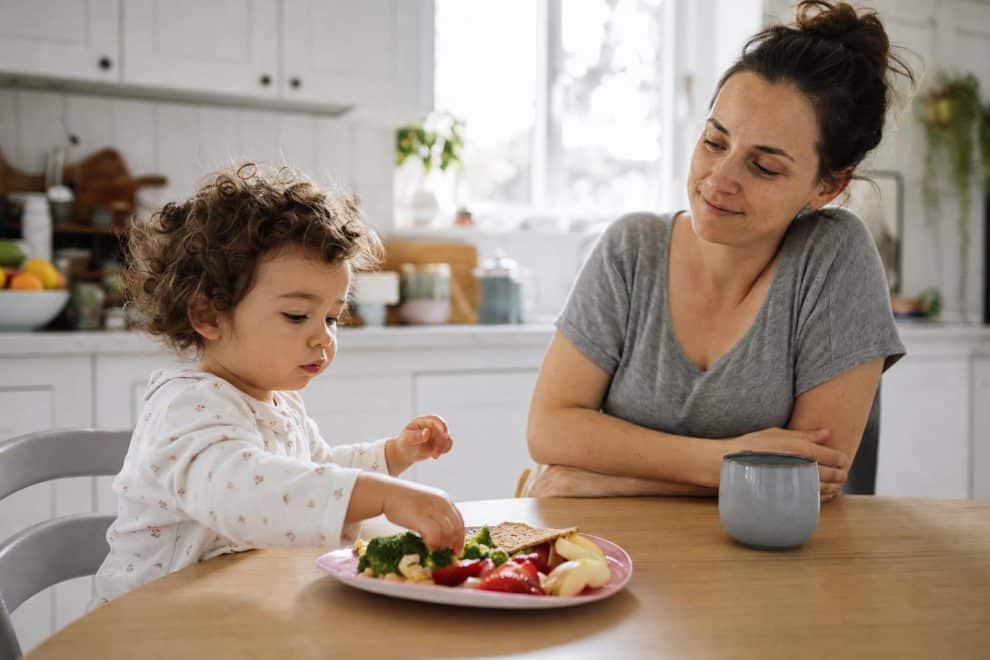
You have made something perfectly reasonable — maybe even something they asked for — and now they are staring at it like you have placed a science experiment in front of them. They push the plate. They say "yuck" before they have even smelled it. They eat only the crackers and leave everything else untouched.
If you have been here, I want to start with this: you are not doing anything wrong.
As a mom of three, I have navigated picky eating in all its forms. One of my kids went through a year where the approved food list was so short it felt like we were catering a very small, very fussy restaurant. As an early childhood educator, I have seen the same pattern in classroom snack time dozens of times. The children who were the hardest to feed at home were often thriving kids with completely normal toddler brains doing exactly what toddler brains do.
These picky eater toddler tips are not about tricking your child or winning a battle. They are about reducing the pressure on everyone at the table.
Why Toddlers Are Picky Eaters (It's Not Personal)
Table of Contents
Toddlers are not being difficult to frustrate you. They are being toddlers.
Between ages one and three, growth slows dramatically compared to infancy. A toddler simply does not need to eat as much as parents expect, and they are wired to be cautious about new foods. This is actually a protective response — early humans who avoided unfamiliar foods were less likely to eat something harmful. Your toddler's pickiness is partly ancient and partly developmental.
The guide to toddler development at More4Kids notes that every child develops at their own pace and that food preferences in the toddler years are highly variable and often temporary.
The American Academy of Pediatrics' guidance at HealthyChildren.org on picky eaters reinforces this: most toddler picky eating is normal, temporary, and not a sign of a nutrition problem when a variety of foods is offered over time.
Understanding this does not make mealtimes easier immediately. But it can take some of the urgency away, and urgency is usually what makes picky eating worse.
What Actually Helps: Picky Eater Toddler Tips That Work
**Offer without pressure.** Put the food on the table. Let it sit there. Do not comment on whether they eat it. Do not bargain or reward. The research consistently supports that pressure — even gentle pressure — makes rejection more likely.
**Serve one familiar food alongside new ones.** If there is always something your toddler will eat on the plate, mealtime does not have to become a negotiation. A safe food takes the stakes down and gives you both somewhere to land.
**Let them touch it first.** Many toddlers need to touch, smell, or push a food around long before they are ready to taste it. That is actually exposure. It counts. In my house, we stopped counting bites and started counting "looks" — just looking at a food with curiosity is a step.
**Keep portions small for new foods.** A tiny portion of a new vegetable is less threatening than a full serving. It also means less food goes in the trash, which helps everyone's mood.
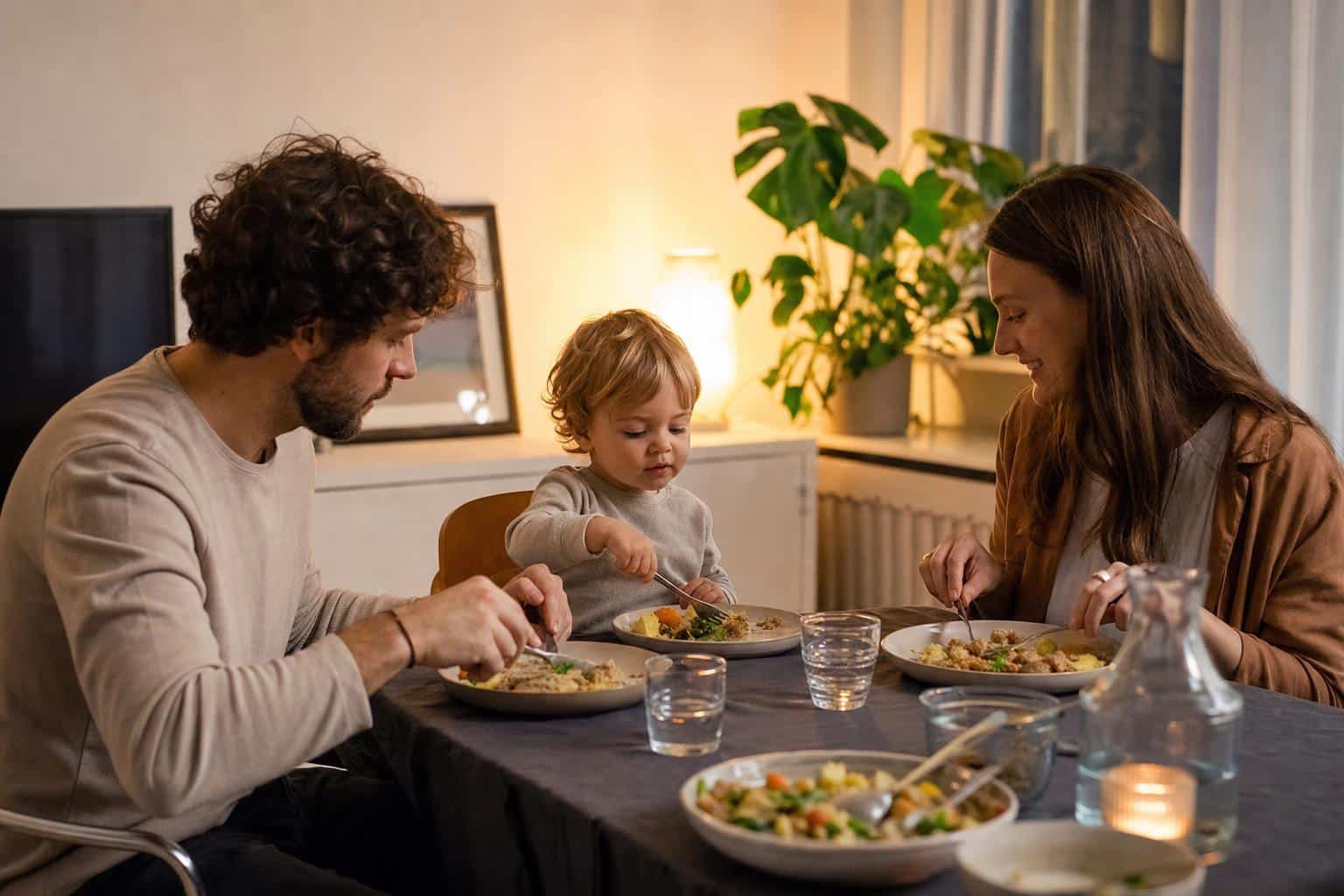
**Eat together when you can.** Toddlers watch adults and older kids. I have seen, in my family and in the classroom, that a toddler who refuses a food one week will reach for it two weeks later after watching someone else eat it calmly.
**Make the table feel safe.** A family dinner that is tense because of food refusal is a dinner where no one enjoys eating. The relationship your child builds with mealtime matters as much as what they eat at any given meal.
Repeated Exposure — The Part Parents Miss
The most consistent finding in child nutrition research is that toddlers often need to see a food many, many times before they accept it.
The CDC's guidance on toddler nutrition notes that offering a variety of foods regularly — even when they are initially rejected — supports healthy long-term eating patterns.
What this means in practice: keep serving the broccoli. Not every night, not as a challenge, just as a regular part of the table. The goal is familiarity, not compliance.
I sometimes remind myself: "familiar" takes longer than I want it to. The first ten times a food appears are often just appearances. The eleventh time might be the one where it gets touched.
Involving Toddlers in Food Prep
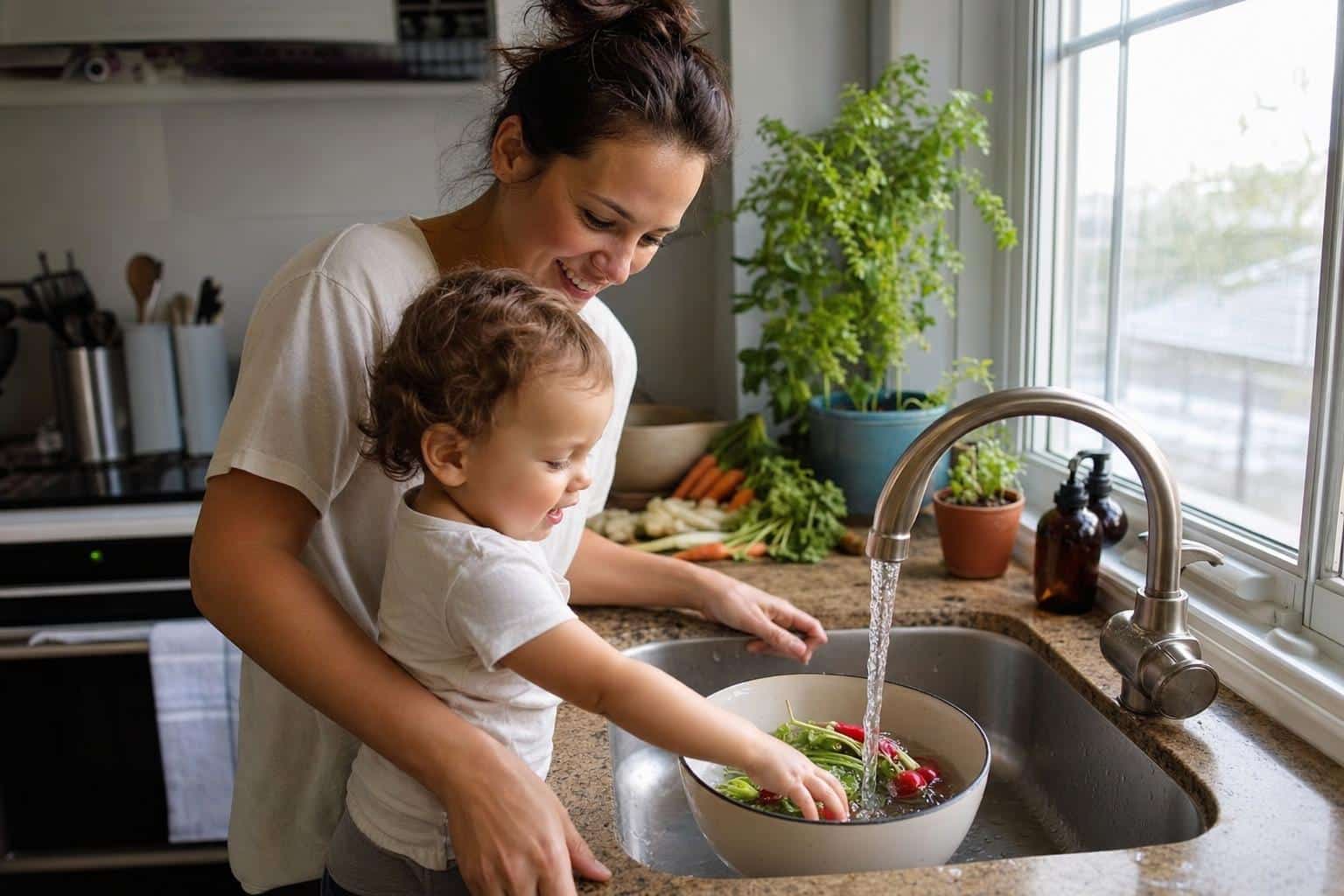
One of the more reliable ways to increase a toddler's interest in food is to let them help make it.
This does not have to be complicated. A toddler can:
- wash fruit or vegetables
- tear salad greens into a bowl
- stir something that is already mixed
- arrange items on a plate
- choose between two vegetables at the store
Children are more likely to try food they feel ownership over. The task does not have to be cooking — even carrying a container from the fridge to the table counts.
This also gives you a moment of connection around food without it being about eating. A toddler who associates the kitchen with fun and involvement is building a different relationship with food than one who only encounters it as something to fight about.
A simple daily routine can help anchor mealtime as a low-stakes, reliable part of the day rather than an unpredictable event. When toddlers know roughly when meals happen and what to expect, transitions to the table tend to go better.
What Not to Do
A few patterns that tend to make picky eating worse:
**Becoming a short-order cook.** Making a separate meal because your toddler refused the family meal teaches them that refusing produces a more preferred option. Once in a while this is fine. As a regular pattern, it tends to narrow the food list further.
**Bribing or rewarding with food.** "Eat your peas and you can have dessert" places dessert on a pedestal and makes peas an obstacle. It tends to increase peas rejection and sweet-food preference over time.
**Making mealtimes stressful.** When meals feel like a test, toddlers feel the pressure — and pressure increases refusal. The best mealtime is a relaxed one where food is just there and the focus is on the family, not the plate.
**Expecting every meal to be balanced.** Over a week, most toddlers' diets average out more than parents expect. Today's all-cracker dinner followed by tomorrow's fruit-and-cheese success is not a crisis.
If you are looking for more general support during these years, the More4Kids picky eater resource has additional perspective on navigating food refusal without turning it into a daily conflict.
When to Talk to Your Pediatrician
Most picky eating is normal. But there are times when it makes sense to bring it up with your child's doctor:
- your toddler is losing weight or not growing
- they will only eat 5 or fewer foods total
- eating seems physically uncomfortable (gagging, retching, or pain)
- mealtimes are extremely distressing for your child, not just reluctant
These can sometimes point to sensory sensitivities or other issues that benefit from professional support. A pediatrician can refer you to a feeding specialist when needed.
Asking questions is part of good parenting — not a sign that something is wrong with you or your child.
A Gentler Way to Think About Mealtimes
The goal of picky eater toddler tips is not to turn your toddler into an adventurous eater by Friday.
It is to take the pressure off, keep the table feeling safe, and trust that consistent, relaxed exposure over time does more than any single mealtime strategy. Children's palates grow. The toddler who will only eat plain pasta sometimes becomes the eight-year-old who eats everything.
I have seen it in my family. I have seen it in the classroom. It takes longer than we want, and it happens with less drama when we stop treating every meal as the moment it has to change.
Keep offering. Keep the table warm. That is what picky eater toddler tips are really for.
Related Articles

Meet Sophia Richards Sophia Richards is an early childhood educator, passionate writer, and the proud mom of three energetic kids. With a degree in Education and over a decade of hands-on classroom experience, Sophia bridges the gap between professional teaching strategies and everyday family life. At More4Kids, she translates complex child development concepts into practical, actionable parenting tips that families can use at home.
Whether she is sharing positive reinforcement techniques, educational crafts, or honest reflections on the chaos of raising three children under one roof, Sophia’s goal is to empower parents to foster resilience and joy in their kids. When she isn’t writing or lesson planning, you can find her organizing neighborhood scavenger hunts or trying out new kid-friendly recipes.
Areas of Expertise: Early Childhood Education, Positive Parenting, Sibling Dynamics, Educational Play, Family Wellness.





Add Comment