





 Allowing children to stay at home alone is a difficult step for parents to take. It is almost a given that children will feel they’re grown-up and able to care for themselves well before they actually are. Whether for a short time or, as in the case of a latch-key child, for several hours, parents are nearly always initially fearful. Rightly so. The world in which children are now growing up is not the same as that of their parents. There are so many more dangers that now seem to be present. In order that both parents and children can know when children are ready for the responsibility of staying at home by themselves, at least for a little while, there are a few things to look for and some preparations to make.
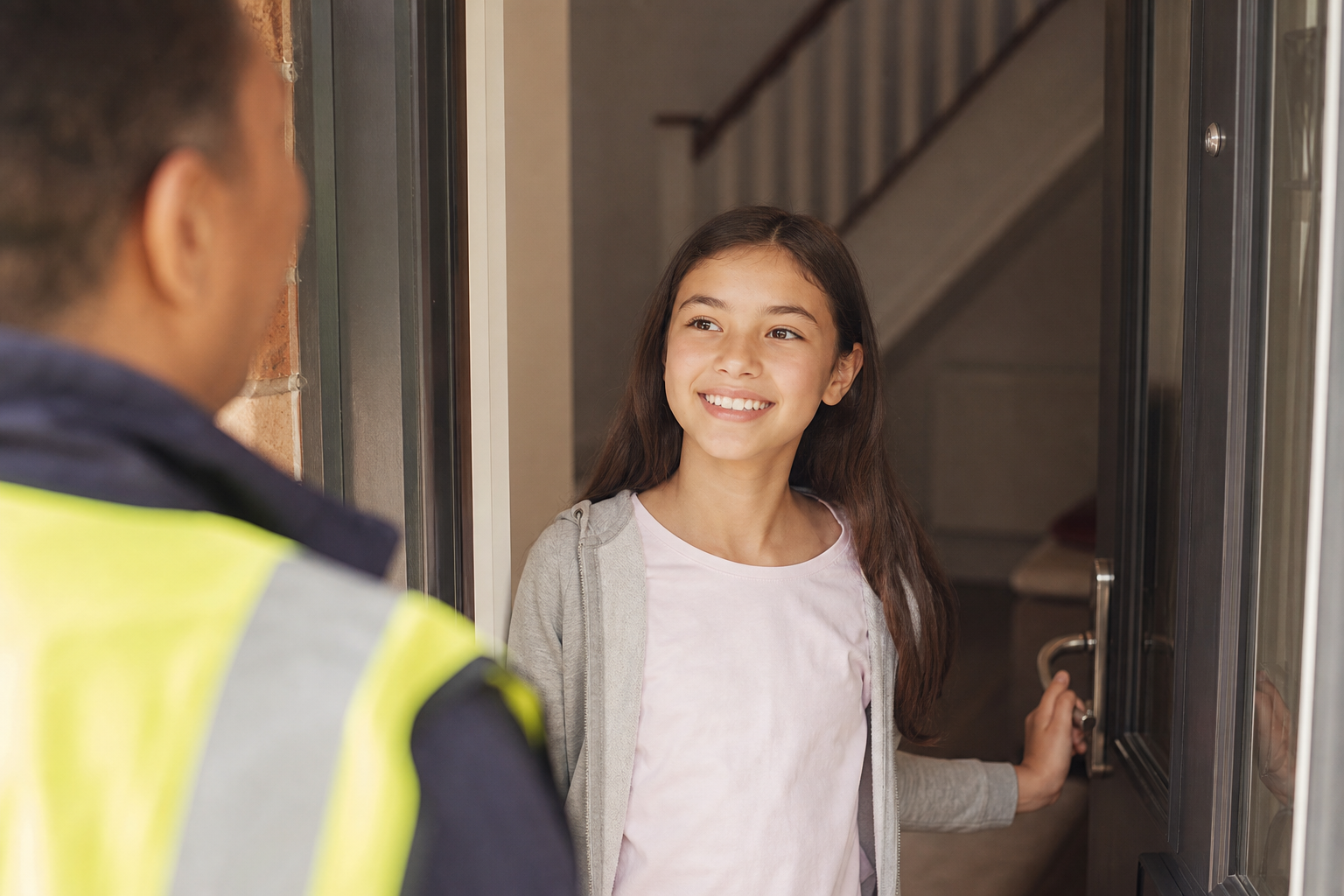
Ensure your child is ready. Identify areas where safety is paramount and teach them the rules. The first that comes to mind are the rules for what a child should do after exiting the school bus. If you ask the child what she should do and you get an answer like “Go in and watch T.V.,” then you have some work to do in explaining what she should do and why. If you have a trusted neighbor, have the child report in with that person upon arrival at home. After checking in with the neighbor, and if the neighbor is away, have the child call you once inside the home. Before entering the home, the child should learn to look for signs indicating whether someone has forced their way inside. Are any doors ajar or appear to have been tampered with? Do any windows or screens seem to have been broken or ripped? Begin to develop their ability to carry a house key with them during the day, because if it is left under a doormat or some other place at home, would-be intruders could be in your home without having left any outward signs.

How do I know if my child is ready to stay home alone?
Readiness shows in how a child handles safety questions — not just whether they know the rules, but whether they can explain them clearly and follow them under pressure. Ask your child what she should do after getting off the school bus. If the answer is to go in and watch television, there is still foundational work to do. Children should be able to check in with a trusted neighbor, call a parent once inside, and recognize signs of a possible break-in such as an ajar door, tampered lock, or broken window screen. Running practice drills for emergency scenarios is another good measure of genuine readiness.
What safety rules should children know before staying home alone?
Cover the most likely risks first. Kitchen appliances are a top concern — children should know the safety rules for the stove, oven, microwave, and toaster, or have a clear instruction not to use them. Teach children to carry their house key on their person rather than leaving it under a doormat or in another easily found hiding spot. Children should also look for signs of a break-in before entering the home and leave immediately to seek help if anything looks wrong.
What emergency information should a child know when home alone?
A child ready to stay home alone should be able to clearly state their full home address, phone number, and give accurate directions to their home if needed. Teach them that calling a parent is not always the fastest response in an emergency — they should also know how to reach local police, the fire department, and how to use 9-1-1 correctly. Practice drills in advance, even informal ones, build the calm decision-making skills that matter most when something actually goes wrong.
Biography
Alan Hammond is a criminal justice professional, writer and former educator. Shonna Hammond is a nationally certified teacher, writer and consultant. They can be reached in care of this publication or at [email protected].
No part of this article may be copied or reproduced in any form without the express permission of More4Kids Inc © 2008 All Rights Reserved

Alan and Shonna Hammond