

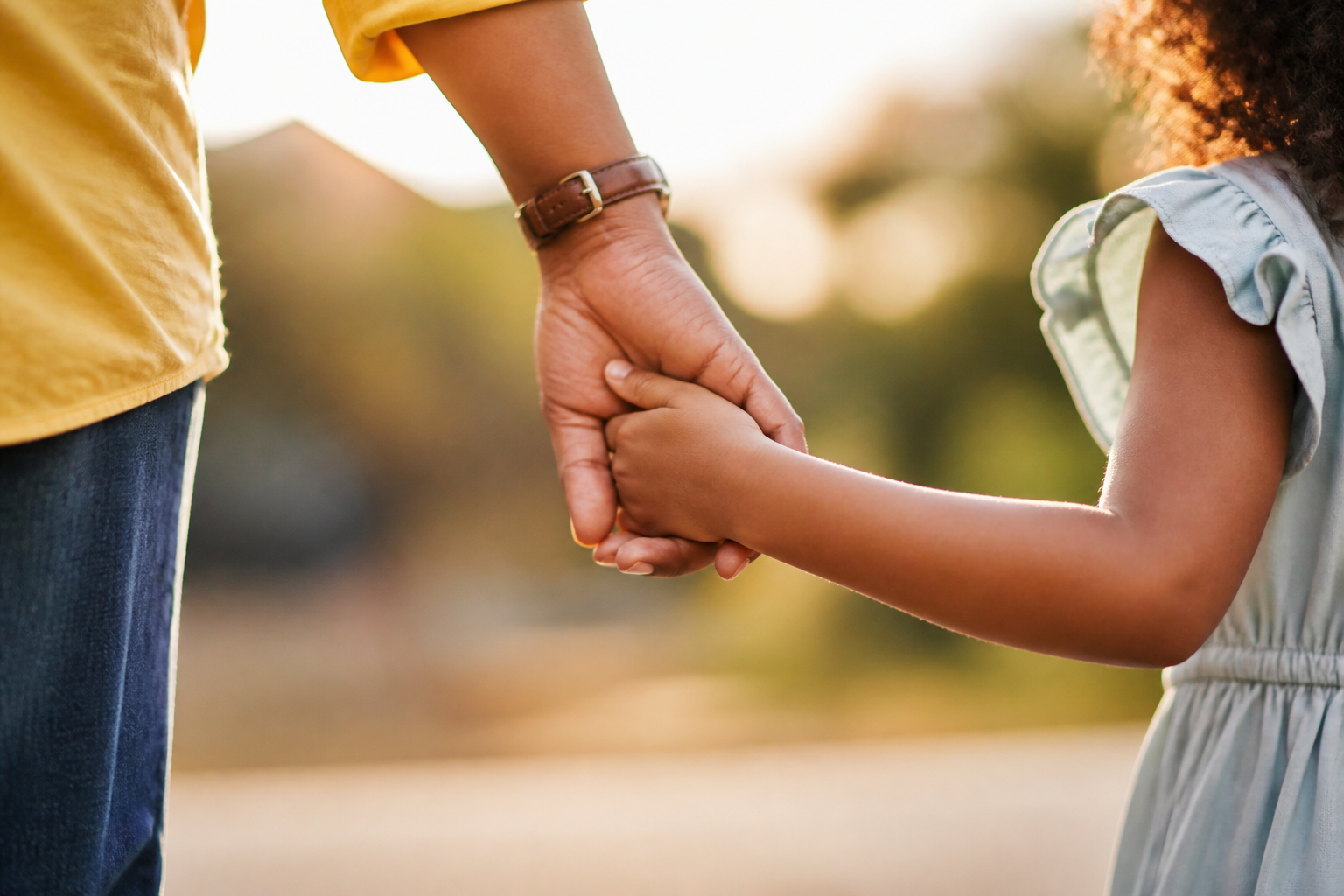
 Child abuse is quickly emerging as a common epidemic around the world. Thousand of children are abused on a daily basis in the United States alone. When looking at this figure on an international basis, the number tops millions. It is your personal responsibility to know and understand what child abuse is, and the signs of child abuse. As a parent, a grandparent, an aunt, an uncle, a friend, relative, and coworker – it should be a priority to make certain that the children are receiving the love, care, and treatment that they deserve!
Child Abuse Defined
There are a number of definitions floating around regarding child abuse. This is a very broad term that can be defined in many different ways. However, the legislation of the United States government has defined child abuse as the act or the failure to perform an act with a child and/or children that ends up resulting in the physical harm to that child, death, sexual violation, emotional burden, and/or exploitation. If an adult places a child at risk for experiencing harm or any of the above situations, that is also considered child abuse.
Types of Child Abuse
Many individuals do not realize that there are many different types of child abuse, but there are! If you are looking to play a part in preventing child abuse, it is absolutely necessary to ensure that you learn about the different types of child abuse. There is child abuse that is considered to be emotional, medical, physical, sexual, and educational. Below are the specifications and examples of each type of child abuse:
- When a child is the victim of emotional abuse, it means that the child is experiencing behaviors from an adult that hinders the ability of that child to develop appropriately on an emotional level. This type of abuse often occurs with another type of abuse and is extremely detrimental to the child that is experiencing it. The child may have a negative self-image due to the fact that they are often criticized, belittled, threatened, and/or rejected.
- Medical child abuse occurs when a caregiver fails to ensure that the child receives the medical treatment that is necessary to ensure their health. This may include failure to ensure the child is up to date on immunizations, failure to enroll the child in mental health counseling if necessary for their mental well-being, and even not ensuring a child takes medicine that is prescribed for their health.
- Physical abuse is when a child experiences physical injuries of any and every kind. These injuries may result in permanent disfigurement, disability, or even death. Legislation has determined that if a child becomes injured it does not matter if abuse was the intention or not. Examples of this kind of abuse include hitting, biting, shaking, or any other type of physical injury.
- Sexual child abuse consists of many different acts – not just intercourse. This type of child abuse may include exposing a child to sexually suggestive material, fondling, indecent exposure, and many other similar activities.
- Educational child abuse occurs when a caregiver fails to ensure that a child is attending school as deemed appropriate by the laws of the state in which they reside, special education needs are not handled, and a child is not assisted in an educational manner.
Signs of Child Abuse
There are many different signs of child abuse. When reading the above description for the definition of the different types of child abuse, you can get an idea of the signs of child abuse. Listed below are many other signs of child abuse that should be taken into consideration:

- A major sign of child abuse is when a child starts to display behavioral changes. These changes may appear in social settings, such as school and church. Many times, it is accompanied by low academic performance.
- If the child seems to worry consistently, or be extremely cautious in situations, this may be a sign of child abuse. Many children experience a sensation of “impending doom”. A good example of this is when the “over protected” child attends a social function, and actually gets physically ill. This may be a direct result of what type of abuse may happen once they get home.
- Children who tend to withdraw from others and social events may be a victim of child abuse.
- Children who show signs of wanting to stay away from the home may be abused.
- Signs of child abuse may be present in the caregivers of the child as well. Many times, when a child is abused, the parent may appear negative towards the child and show very little general concern to their well-being.
- If you display a parent who is playing blame games with a child and making them feel bad, they may be a victim of child abuse.
- If a parent seems to neglect the child in any form or fashion, that child may be abused.
How to Report Abuse
If you are concerned that a child may be a victim of abuse, it is your personal responsibility to report it immediately. You should contact the national hotline for abuse, your local Department of Children and Families, or visit local authorities. Do not wait until you see an actual piece of evidence for yourself, if the signs are there, do your part!
What are the different types of child abuse?
There are five recognized types of child abuse. Emotional abuse hinders a child’s emotional development through consistent criticism, belittling, threats, or rejection. Medical abuse occurs when a caregiver fails to provide necessary healthcare, such as immunizations or prescribed medication. Physical abuse causes bodily injury — hitting, biting, or shaking — regardless of whether harm was intended. Sexual abuse includes a broad range of acts beyond intercourse, including exposure to inappropriate material or fondling. Educational abuse occurs when a caregiver prevents a child from attending school or fails to address special education needs. Many types of abuse occur together.
What are the behavioral signs of child abuse in children?
Key warning signs include sudden behavioral changes at school, church, or other social settings — often accompanied by lower academic performance. An abused child may appear consistently worried, extremely cautious, or have a persistent sense of dread. Social withdrawal, a desire to avoid going home, and appearing ill before returning home from social events can also be signs. Children may also display low self-image, emotional outbursts, or unusual fear of certain adults.
How can I recognize signs of child abuse in a caregiver?
Signs of abuse are not only visible in the child — they may also be present in the caregiver. A parent or guardian who is consistently negative toward the child, shows little concern for the child’s well-being, frequently blames the child for problems, or neglects the child in any form may be an indicator of abuse. One person’s instinct that something is wrong is often enough reason to investigate further.
What should I do if I suspect a child is being abused?
If you believe a child is being abused, report it immediately — do not wait for physical evidence before acting. Contact the national child abuse hotline, your local Department of Children and Families, or local law enforcement. Early reporting can prevent further harm and get the child into a safe environment. Every adult who suspects abuse has a personal responsibility to speak up on behalf of the child.

Latest posts by More4kids (see all)
- The Best Bedtime Stories for Kids, Grouped by Age - September 2
- Kids Jokes and Humor - August 27
- Parenting Teens: Helping Your Teenager Make Good Decisions - August 27