
















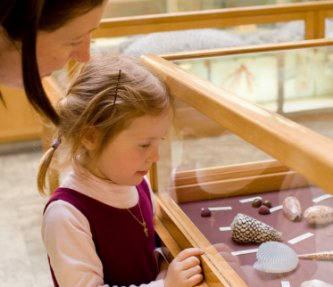
 Museums – maybe now that you’ve had kids, you think the only museums you can visit are the children’s kind with fire poles and mini grocery stores. But while those kinds of museums are certainly fun, you don’t need to cross art or zoological museums off your list until the kids go away to college. Instead, you just need to plan ahead and change your approach.
- No Touching any exhibit
- Use walking feet
- Use inside voice

How do you prepare kids for a museum visit so they actually enjoy it?
Table of Contents
Before you go, visit the museum’s website together and look at photos of the exhibits. Let your children pick two or three things they most want to see and make those a priority. If you can, print out pictures of those items so they have something to hunt for when you arrive — turning it into a scavenger hunt immediately gives kids a sense of purpose and makes the visit feel like an adventure rather than a chore.
How long should a museum visit be with young children?
Shorter than you think. Visit when your children are well-rested — never during nap time or at the end of a long day — and plan to leave before boredom sets in. Leaving while they are still having fun means they will look forward to coming back. An hour of genuine engagement beats two hours of whining and dragging feet, and it preserves everyone’s good mood for the rest of the day.
What are the rules parents should set before entering a museum with kids?
Cover the basics before you walk through the door: no touching exhibits, use walking feet, and use inside voices. Reviewing the rules calmly before you enter — not as a threat but as a shared agreement — sets expectations clearly. When children know what is expected ahead of time, they tend to rise to it. You can also give them a small, positive role, like carrying the map, which helps them feel invested in the visit.
What activities make a museum visit more interactive and fun for kids?
Bring a notebook and let your child sketch the artwork or exhibits they find interesting. Ask open-ended questions as you walk — what do they notice, what story does this painting tell, what does this artifact remind them of? If the museum offers children’s worksheets at the information desk, grab them. End at the gift shop and let your child choose a small souvenir, like a postcard of their favorite piece, to take home as a memory of the visit.




Add Comment