















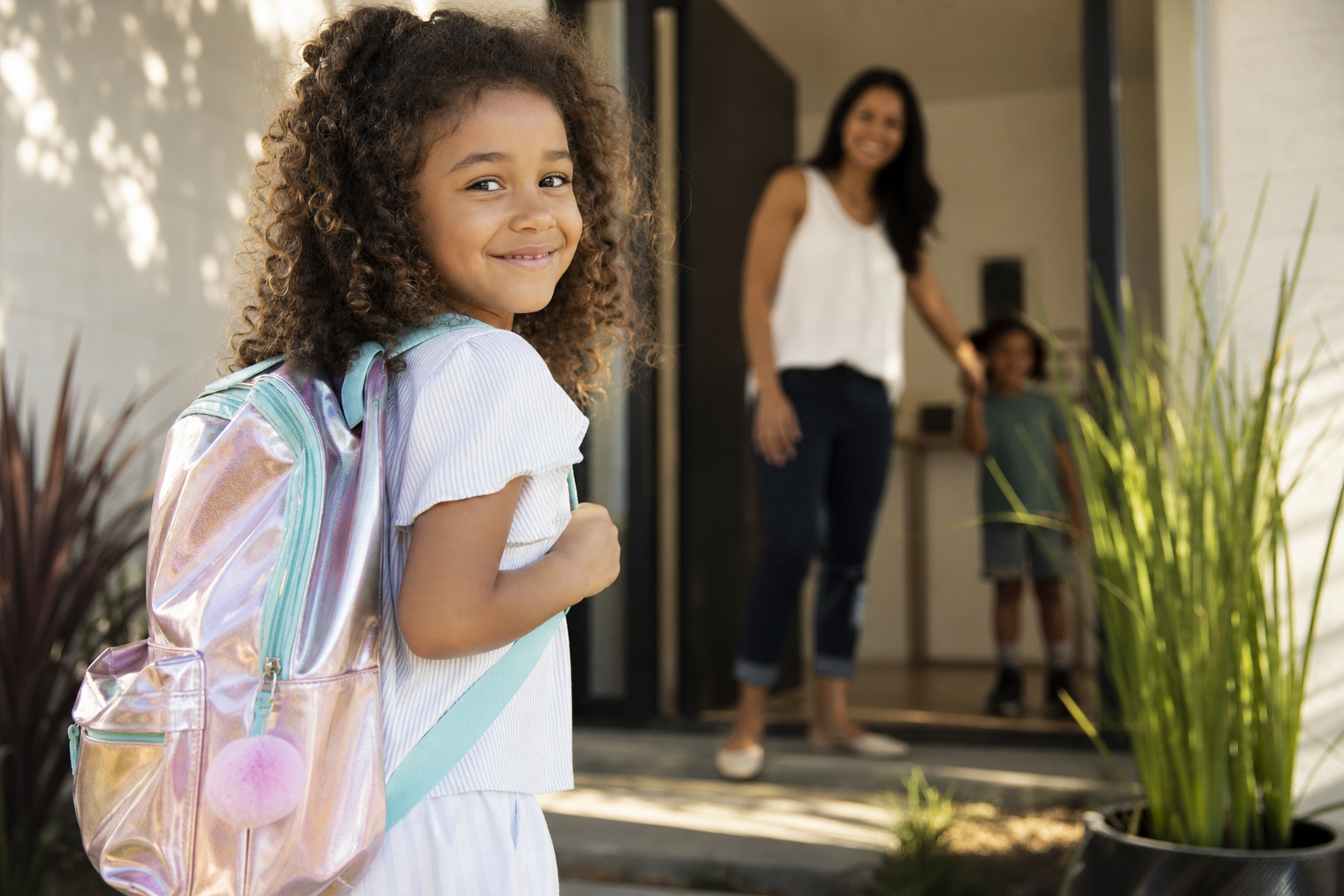
 Many children have already started school, some, like my kids start next week right after Labor Day. Many kids too will be starting a new school. You may have great reasons for moving — a much better job, better schools, closer to family, etc. But whatever your reason, moving is almost always hard on your children. In fact, Cincinnati pediatrician Dr. Mona Mansour found in a study that children who change schools frequently are more likely to have both academic and behavioral issues. Fortunately, you can help your children adjust to their new schools and make the transition easier. Here are a few ideas.
Time Your Move
Moving to a new house is tough in itself. Try to time your move at the beginning of the summer so your child has time to adjust to the new house before having to adjust to a new school. This will hopefully also give your child time to meet some new friends before school starts.

Get Involved
Look for ways to get your child involved in the community and school. Join a church and a neighborhood pool, sign your child up for dance or soccer classes, or look for a mom’s club or newcomer’s group with social activities. As they meet people, encourage older children to invite friends over, and arrange play dates for younger children.
Once school begins, encourage your child to sign up for clubs and other extracurricular activities.
Visit the New School in Advance
If possible, take your children to visit their new school before the school year begins. Find the cafeteria and gym and play on the playground. If your child has made any friends who will also be attending the school, ask them to show your child around.
Your school may have an orientation or Open House night. Be sure to attend so you and your children can meet their teachers and get an opportunity to ask questions.
Check on the Logistics
Your children’s old school should have sent their records to the new school. Call the school office to make sure this happened.
Stay in Touch
Your children may get depressed and lonely sometimes. Encourage them to stay in touch with old friends from home and remind them that it takes time to build new friendships.
Get Help
If you feel your child is not adjusting well to the move, it may be helpful for both of you to talk to someone about how you are feeling, whether a friend, family member, minister, school counselor, or family counselor.
It also helps if the school has a “buddy” program, where a classmate is assigned to help your child meet people and learn the layout of the school. The buddy can clue your child in about rules, procedures, and activities at the new school.
Keep the Communication Lines Open
After a move, you are your children’s stability and lifeline. Ask them how they are doing, but don’t pressure them. Be patient and encouraging. Moving is tough, but you can help your children adjust to their new lives and find happiness in their new home.
How can I help my child stay connected to old friends after a school move?
Encourage your child to actively stay in touch with friends from their previous school. Remind them that building new friendships takes time—it doesn’t mean letting go of the old ones. Depression and loneliness are normal early responses to a school move, and keeping those old connections alive can ease the emotional weight of the transition.
What should I do if my child isn’t adjusting well to a new school?
Talk to someone you trust—a friend, family member, minister, school counselor, or family therapist. Getting outside perspective can help both you and your child process the adjustment. Also ask the school if they have a buddy program: assigning a classmate to help a new student learn the layout, meet people, and understand school rules can make a big difference in how quickly a child settles in.
What is a school buddy program and why does it help?
A buddy program pairs a new student with a current classmate who shows them around—the cafeteria, the gym, classroom locations—and fills them in on school culture, rules, and activities. Having one friendly face from the very first day gives a new child a social foothold that makes the unfamiliar school feel much more manageable.
How do I keep communication open with my child during a school move?
Ask how they’re doing, but don’t pressure them for details. After a move, you are your child’s stability—be patient and encouraging rather than anxious or pushy. Cincinnati pediatrician Dr. Mona Mansour found that children who change schools frequently face higher risks of academic and behavioral issues, which underscores why emotional support and open communication matter so much during this time.

Latest posts by More4kids (see all)
- The Best Bedtime Stories for Kids, Grouped by Age - September 2
- Kids Jokes and Humor - August 27
- Parenting Teens: Helping Your Teenager Make Good Decisions - August 27




Add Comment