












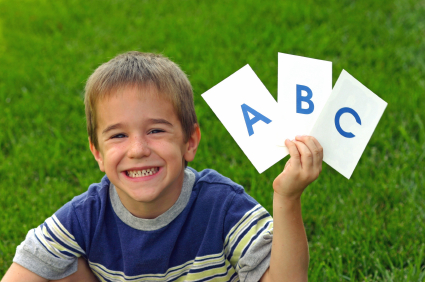
 All parents want their children to learn their ABCs. For both children, and for that matter adults, leaning is a heck of a lot easier, and retention longer when it is fun! Here are some creative ways to teach your toddler their ABCs.
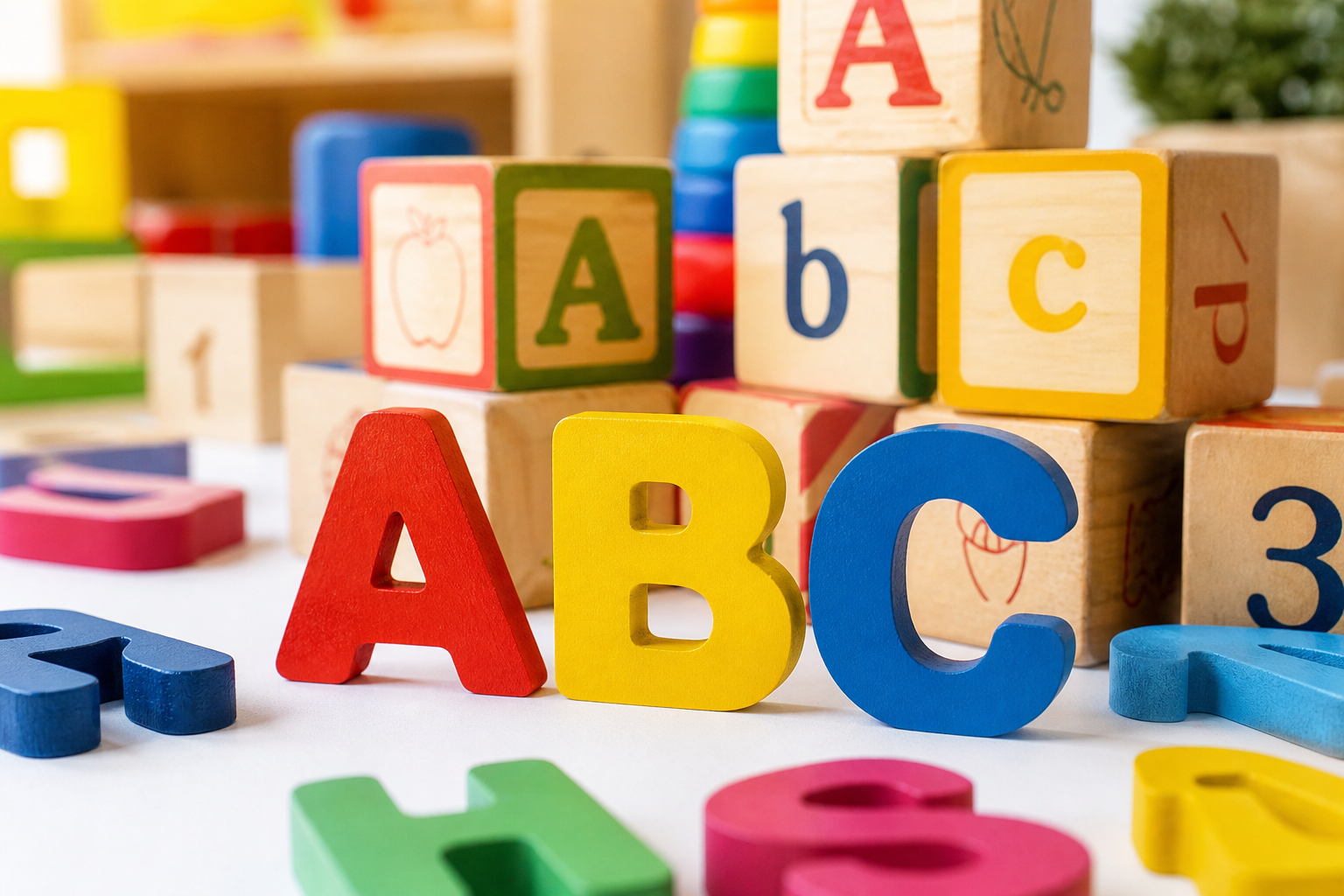
Contrary to what people may think, learning ABCs is not solely relegated to preschool. It begins much earlier than that; in the womb, in fact. We all know that talking to or playing soothing music for the unborn child does, in effect, produce results.
- Sing to your baby when she or he is in the womb. At birth, show the baby books with the letters; babies are like sponges and take in everything.
- Every letter has a keyword. Show the baby picture books and say, “Oh look, this is an A. A is for apple. Include flashcards of the letter A along with an apple when the child gets older. Review and repeat this method for all letters, over and over. Using books as a visual aid is important as well.
When reading stories to your child, point to a letter and say, “What letter is that? B, and B is for baby.”
- At age two or later, take a large tray and add salt to it. Have your baby trace the letters. This is a multi-sensory approach to phonics. (make sure they don’t eat the salt!)
- Sing the alphabet song.
- Use clay to form your child’s name. Have your child trace over the letter with his or her fingers. Use keywords for each letter in the name. For example, whatever your child’s name is, use the letter to indicate an object the child can relate to.
- Have your three year old trace over the dots of letters. There is a neurological connection between the tracing and writing; and the information that is being processed in the brain.
- When you are in the car with your child, tell him or her to look outside at license plates signs. Ask what letters they see; what is the keyword; and what sound does it make.
Nothing makes learning easier when it is fun, and in this context, you can come up with creative ways to teach your toddler their ABCs.
When should I start teaching my child the alphabet?
You can begin before birth by talking and playing soothing music for your unborn baby. At birth, show your baby alphabet books and name the letters — babies absorb everything from the start. Learning the ABCs is a gradual process that begins long before preschool, and the earlier you begin, the more natural it feels for your child.
What are fun hands-on ways to teach a toddler their ABCs?
Fill a large tray with salt and have your toddler trace letters with a finger — a multi-sensory approach that connects movement with letter shapes. Use clay to form the letters in your child’s name and have them trace each one. Have a three-year-old trace dotted letter outlines, since research suggests tracing strengthens the neurological connection between seeing and writing a letter. Singing the alphabet song is also a proven standby.
How can I use everyday activities to reinforce letter recognition?
In the car, point to license plates and road signs and ask your child what letters they spot, what keyword goes with each letter, and what sound it makes. When reading stories together, pause and ask, ‘What letter is that? B — and B is for baby.’ Connecting letters to familiar objects and everyday moments makes recognition feel natural rather than like a lesson.

Latest posts by More4kids (see all)
- The Best Bedtime Stories for Kids, Grouped by Age - September 2
- Kids Jokes and Humor - August 27
- Parenting Teens: Helping Your Teenager Make Good Decisions - August 27


Add Comment