














Why Do We Read?
There are many different reasons associated with why we read. Many simply read to acquire new types and levels of knowledge. There are many that read simply because they enjoy reading. There are some that read to perform various jobs within a professional setting. Many will read on topics that will assist them in obtaining information and skills that are required to enhance their decision making skills and make important choices throughout life. Most people will encounter reading materials that will instruct them on how to perform certain tasks such as cooking, assembling products, installing products, and even acquiring directions in order to travel from one location to another. Reading is participated in to learn about the world around us, as well as to keep contact with those that we are close to.How do you teach a child to read?
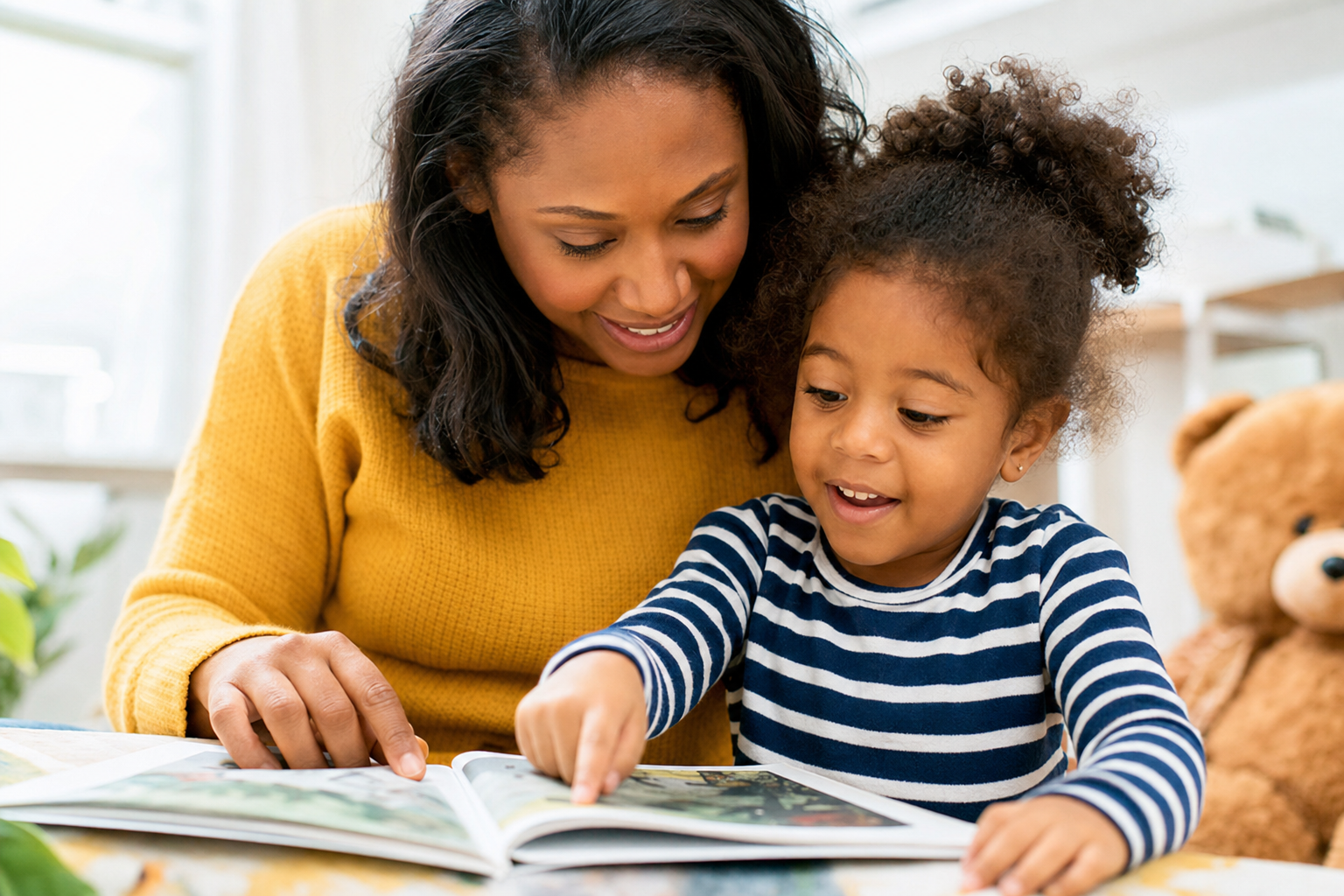
As a parent, guardian, or a professional that works directly with children, it is important to know that there are many different ways to help a child that is new to reading. By assisting the new reader, you are opening up many new worlds, adventures, and experiences for a child. One of the best ways to encourage children to read is to read aloud to them. By showing an interest in books, getting excited over the stories and events that take place in those books, and sharing the pure joy associated with reading those books, a child will take notice and will eventually want to get in on all the excitement. Eventually, a child will come to a point, after a little practice and repetition, in which they will be able to delve into the many worlds, adventures, and experiences all on their own! When a child is learning to read, it is important to explain to them that by doing so, they will be able to easily gather information pertaining to the people, plants, animals, places, and situations that occur in the world around them. It is important to inform them that the amount of knowledge that they may obtain through books is virtually endless. Children love to gain their own share of independence. When teaching them to read, it is important to be certain that you inform them that once they know how to read on their own, they may learn about anything and everything that they have an avid interest in. Many kids find this very exciting. When a child is learning to read, there are certain concepts that they should gain an understanding of. One of the main concepts is that each story has a beginning as well as an ending. They should understand that most stories involve a problem that needs to be solved. It is also important that they understand that the people and animals in the stories that they read are called “characters”. It is important to cover the concept of “theme” when a child is learning to read. They should be encouraged to observe the pictures, ask questions, and answer questions pertaining to the situations, characters, events, and conflicts within the story. By making sure all of these concepts are addressed, a child not only learns to read, but they also learn how to be observant, inquisitive, and comprehend the material that they are dealing with. Many parents, guardians, and those that work with children make the mistake of believing that reading is all about memorizing. Yes, repetition and memorization do play a role in the art of learning to read, but in all actuality, it is a very small role. Reading is more than just memorizing sight words. It is about learning to hear sounds and observe them in action. It is about listening to complex mixtures of letters. It is about taking letters that stand alone as certain sounds and uniquely blending them in order to create a beautiful sounding word that has meaning. Language – a unique collaboration of characters, sounds, patterns, and words – is complex within itself, but necessary in order to communicate effectively. Learning to read is about gaining an appreciation of all the components that make up a language. When assisting a new reader, it is important to talk to them as much as possible. The knowledge of the oral aspects of languages is a core component for success when it comes to reading. It is important to avoid simply reading stories to the child all the time. You should tell them stories as well – about yourself, situations that you and others have experienced, and even about those areas in which you possess a lot of knowledge. Be certain to ask the new reader a lot of questions and encourage them to do the same. Engage in fun activities too! These may include singing, sharing rhymes, and even sharing riddles with them. It is also important to make learning to read a daily activity. Adults should take an avid interest in spending quality time with the child that is new to reading. Sharing stories, reading together, and simply sharing the value of reading with a child will motivate them and allow them to develop the self-confidence that they require to be successful readers. It is important to know and understand completely that reading is more than a basic skill. It is a core component for success. It is essential for communication. It is a gift. By following the tips listed throughout this guide, you will be successful when it comes to assisting a child that is learning to read.

Why is learning to read so important for children?
Reading is the single most important academic skill a child can master. It opens up knowledge about people, places, events, and the world around them, and it builds the independence and self-confidence that carry into every other area of school and life. A child who reads well has the tools to learn virtually anything — and that advantage compounds over a lifetime.
What is the best way to teach a child to read at home?
One of the most effective approaches is to read aloud to your child regularly and make it genuinely exciting — react to plot twists, ask questions, share the joy of what you’re reading together. Beyond books, talk with your child as much as possible; oral language skills are the core foundation for learning to read. Singing, sharing rhymes, and telling stories all wire the brain for literacy in ways that flash cards alone cannot.
Is learning to read mostly about memorizing sight words?
No — and this is one of the most common misunderstandings parents have. Memorization plays a small role, but reading is really about learning to hear sounds, blend letters into words, and understand meaning. It involves critical thinking and comprehension, not just pattern recognition. A child who understands why words sound and look the way they do becomes a far stronger reader than one who has simply memorized a list.
How do I help my child understand what they read, not just decode the words?
Teach your child that every story has a beginning, a middle, and an end, and that stories involve characters facing a problem to solve. Encourage them to look at pictures, ask questions as they go, and tell you in their own words what just happened. Building the habit of thinking about meaning — not just getting through the words — is what turns a beginning reader into a lifelong one.

Latest posts by More4kids (see all)
- The Best Bedtime Stories for Kids, Grouped by Age - September 2
- Kids Jokes and Humor - August 27
- Parenting Teens: Helping Your Teenager Make Good Decisions - August 27




Add Comment