













by Stacey Schifferdecker
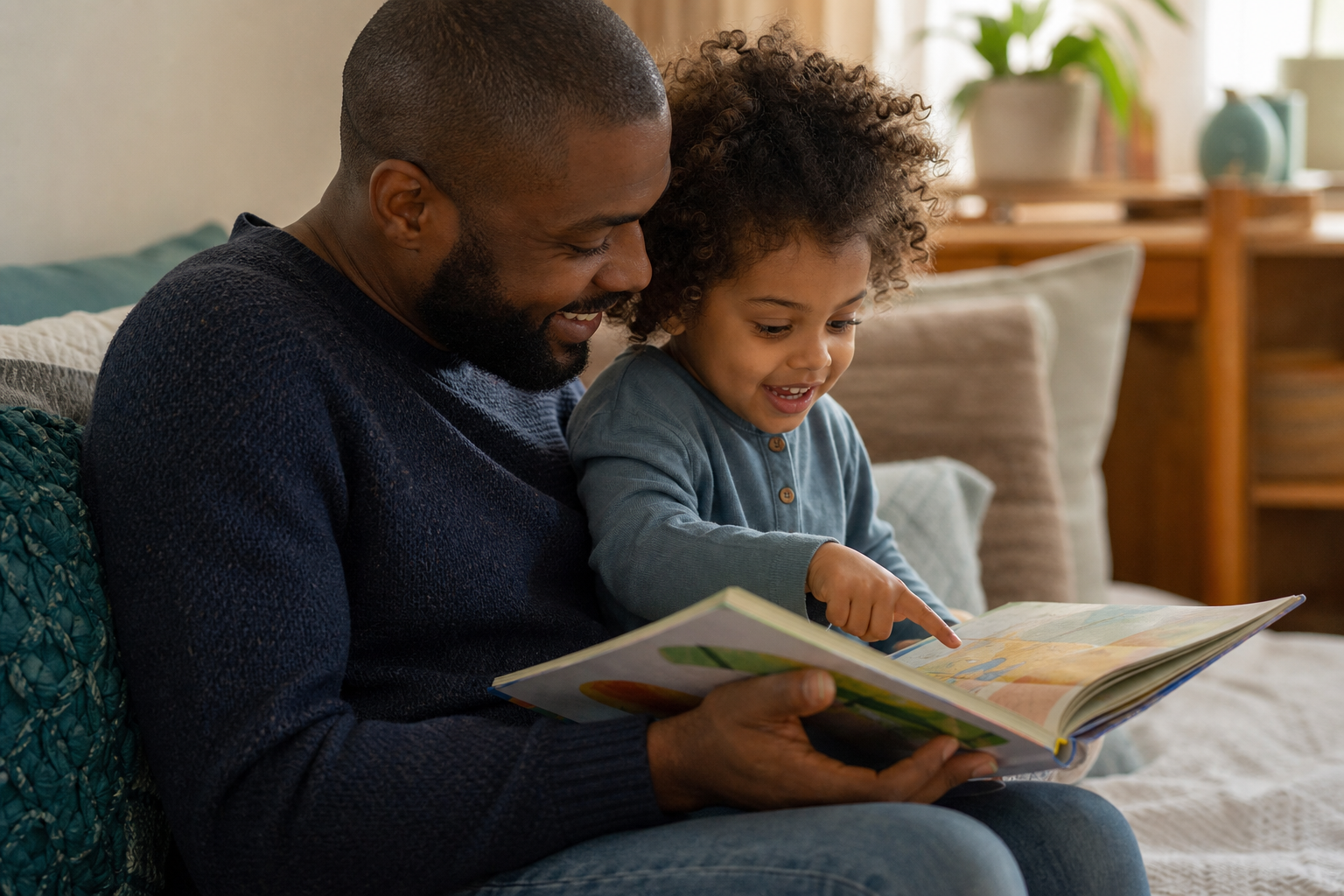
Reading readiness is defined as the time when a child transforms from being a non-reader to a reader. This can be a tough transition but is very rewarding. Not only are your children very proud of themselves as they learn to read, but children who learn to read well are better learners throughout their school years. Here are some tips to help your young elementary student become a better reader.
New readers
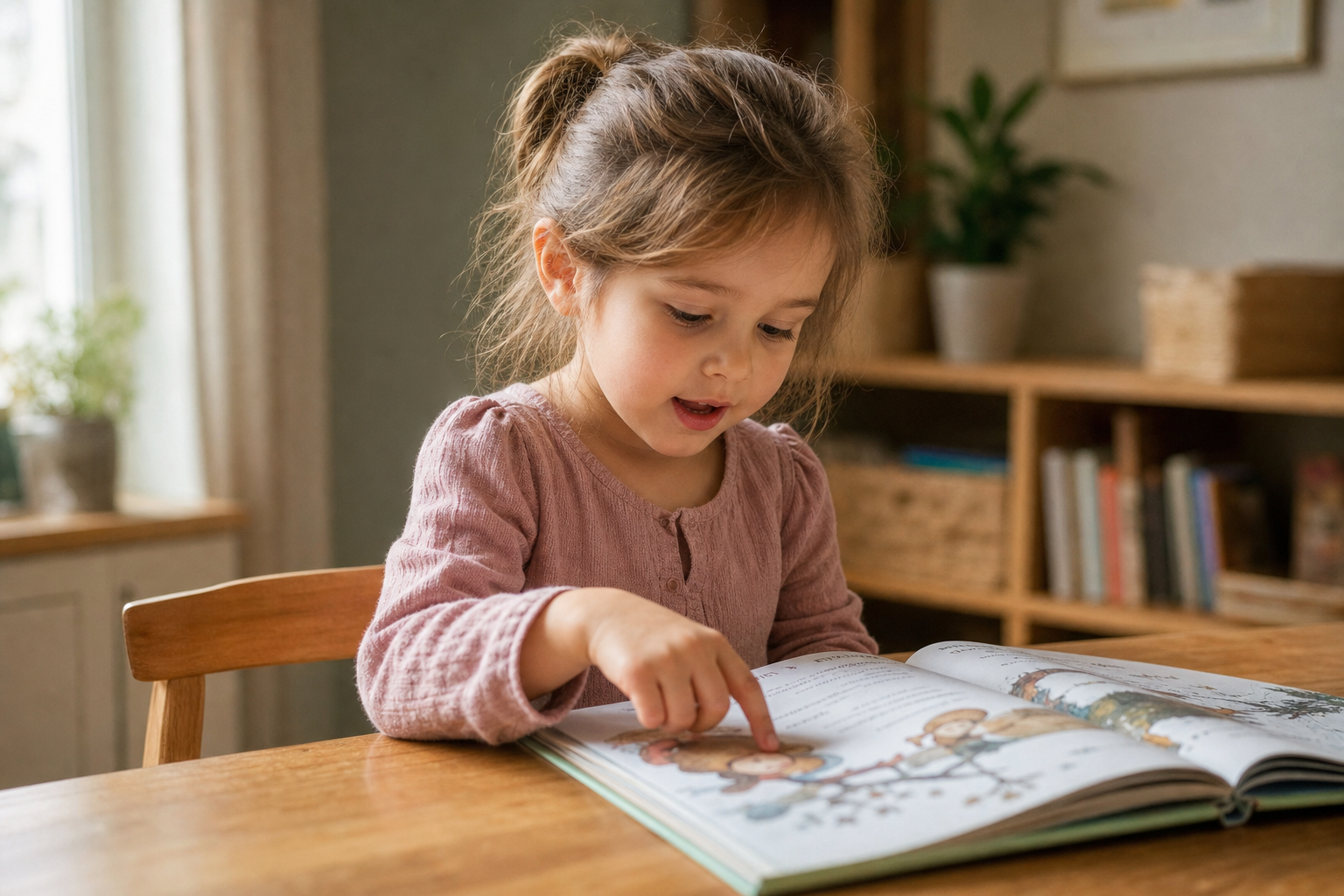
Children who are in kindergarten and first grade are just beginning to learn to read. You can help children this age by
• Playing with rhymes. Read books with rhymes and teach your child rhymes, poems, and songs. You can also play rhyming games, such as taking turns rhyming words.
• Creating stories.
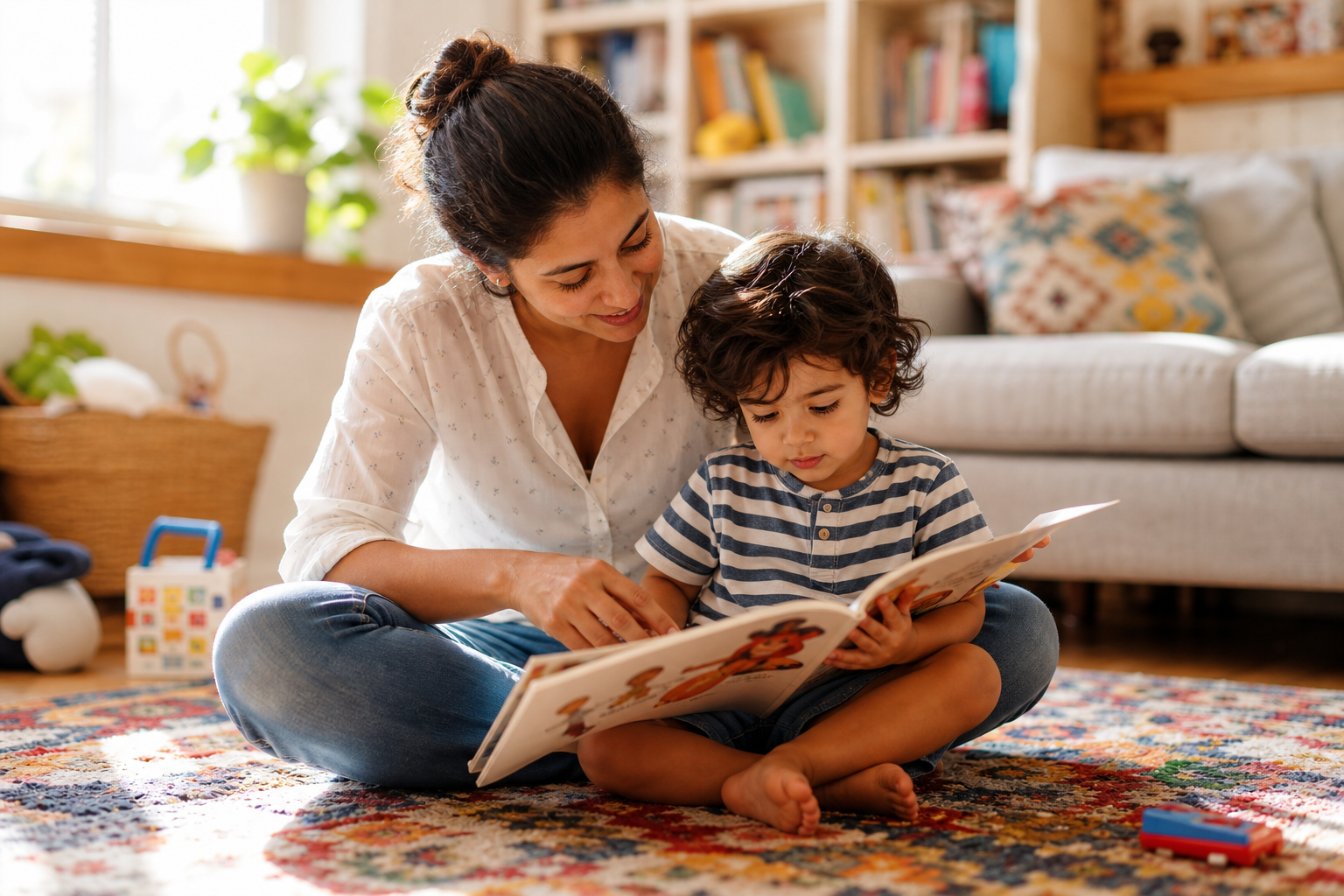
Ask your child to make up stories for a picture book.
• Practicing the alphabet. Play the alphabet game in the car, where you try to find all the letters of the alphabet on passing signs. A variation we made up is to spell out words or names from signs. You can also read alphabet books, make letter cookies or pretzels, make play-dough letters, look for letters in newspapers and magazines, etc.
• Listening to your child read. Be patient and listen as your child practices. Help sound out words as necessary, and let your child know you are proud.
• Reading together every day.
Show your child that reading is important by making it a habit. Make it exciting by being expressive and using different voices for the characters.
As you read, pause before words in a familiar story and let your child fill in the blank. Also point to the words on the page as you read so your child learns that sentences consist of separate words and can begin to identify sight words.
Also, don’t limit yourself to reading stories. Read information books, magazine articles, newspapers, comic books, cereal boxes, etc.
• Talking together regularly. Children learn words when they hear them used, so introduce new and interesting words at every opportunity.
Improving readers
Children in second or third grade have hopefully learned the basics of reading but still need lots of practice and encouragement. To help children this age, you can
• Reread familiar books. You may get bored, but rereading familiar books gives children needed practice with books they enjoy and are comfortable with.
• Build reading accuracy. As your child reads, gently point out missed words and give the correct pronunciation.
• Build reading comprehension. Talk with your child about what is happening in a story or book.
• Encourage your child to read individually, but also continue to read to your child.
Spend time talking about stories, pictures, and words.
Children acquire reading skills through a long series of “little steps,” so when your child reads, even a few words, show your pride! When your child shows the signs above, our guide to the first steps in teaching reading at home walks through the phonics sequence one rung at a time.
What activities help young children become reading-ready?
For kindergartners and first graders, play rhyming games, read aloud together every day, and practice the alphabet through fun activities like the car alphabet game or making play-dough letters. Point to the words on the page as you read so your child begins to see that sentences are made up of separate words, and let your child try to fill in familiar words when you pause during a story.
How can I help my second or third grader improve their reading?
Encourage rereading familiar books for fluency, since comfort with a known story builds confidence and stamina. Gently correct missed words to build accuracy, talk about story events to build comprehension, and continue reading aloud together even as your child begins reading independently. Keeping the conversation about books alive helps your child internalize what they read.
When is the best time to start building reading readiness?
As early as possible. Even before a child starts school, everyday habits build the foundation — reading aloud, pointing to words, playing rhyming games, and talking together regularly. Show that reading is part of daily life by reading cereal boxes, magazine articles, and non-fiction books, not just bedtime stories.
How should I react when my child struggles to read?
Be patient and encouraging. Listen quietly as your child practices, help sound out difficult words without taking over, and celebrate every small step — even reading a few words is worth praising. Children acquire reading skills through a long series of little steps, and your steady, positive presence matters far more than rushing the pace.
Stacey Schifferdecker is the happy but harried mother of three school-aged children—two boys and a girl. She is also a freelance writer, a Children’s Minister, a
PTA
volunteer, and a Scout leader. Stacey has a Bachelor’s degree in Communications and French and a Master’s degree in English. She has written extensively about parenting and education as well as business, technology, travel, and hobbies.
No part of this article may be copied or reproduced in any form without the express permission of More4Kids Inc © 2007

Stacey Schifferdecker




Add Comment