












 Reading readiness is defined as the time when a child transforms from being a non-reader to a reader. This can be a tough transition but is very rewarding. Not only are your children very proud of themselves as they learn to read, but children who learn to read well are better learners throughout their school years. Here are some tips to help your young elementary student become a better reader.
- Playing with rhymes. Read books with rhymes and teach your child rhymes, poems, and songs. You can also play rhyming games, such as taking turns rhyming words.
- Creating stories. Ask your child to make up stories for a picture book.
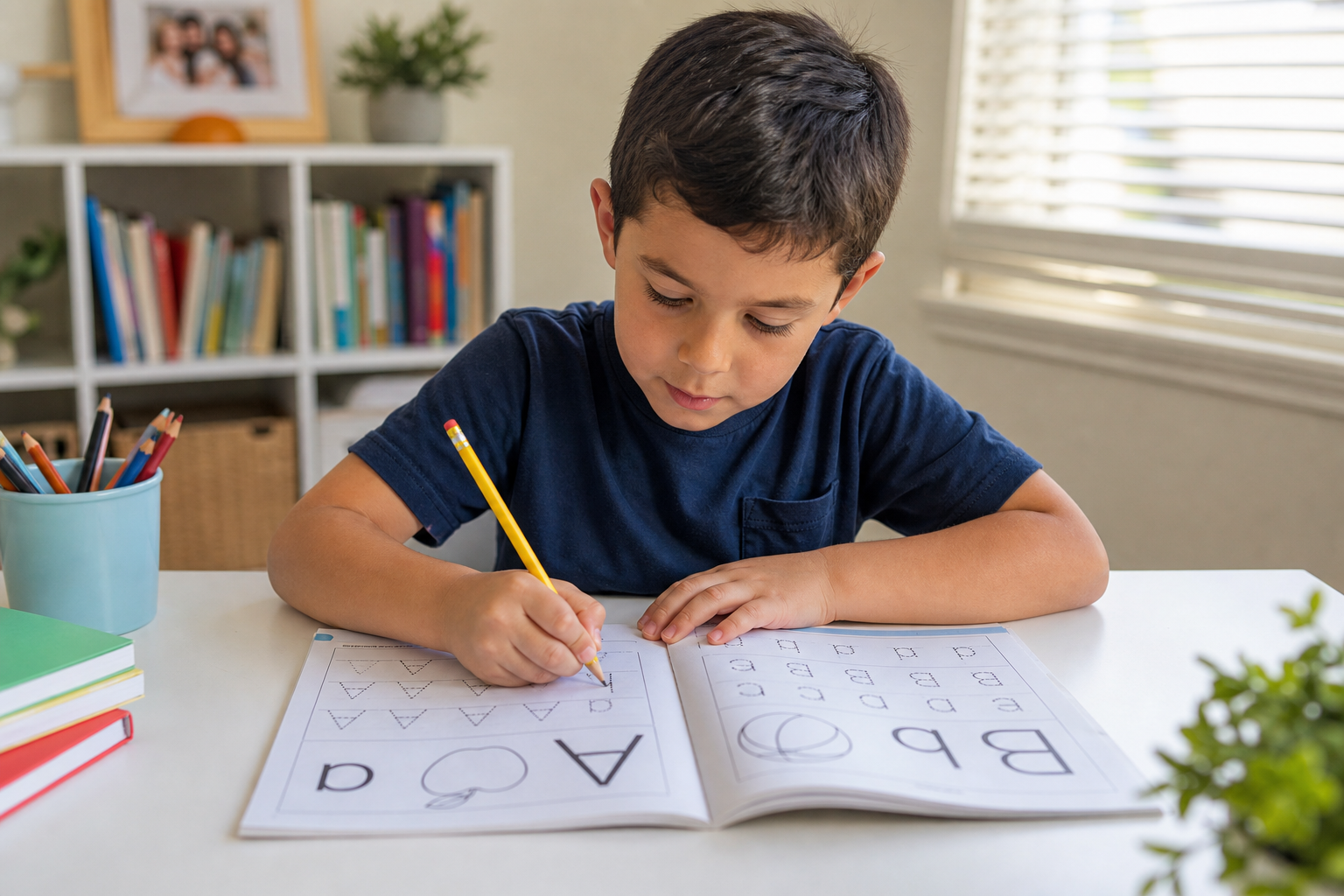
- Practicing the alphabet.
Play the alphabet game in the car, where you try to find all the letters of the alphabet on passing signs. A variation we made up is to spell out words or names from signs. You can also read alphabet books, make letter cookies or pretzels, make play-dough letters, look for letters in newspapers and magazines, etc.

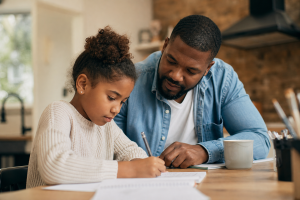
Consistent daily practice is one of the most effective ways to improve your child's reading skills. - Listening to your child read. Be patient and listen as your child practices. Help sound out words as necessary, and let your child know you are proud.
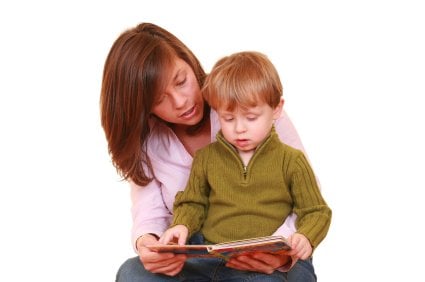
- Reading together every day.
Show your child that reading is important by making it a habit. Make it exciting by being expressive and using different voices for the characters.
As you read, pause before words in a familiar story and let your child fill in the blank. Also point to the words on the page as you read so your child learns that sentences consist of separate words and can begin to identify sight words.
Also, don’t limit yourself to reading stories. Read information books, magazine articles, newspapers, comic books, cereal boxes, etc.
- Talking together regularly. Children learn words when they hear them used, so introduce new and interesting words at every opportunity.
- Reread familiar books. You may get bored, but rereading familiar books gives children needed practice with books they enjoy and are comfortable with.
- Build reading accuracy. As your child reads, gently point out missed words and give the correct pronunciation.
- Build reading comprehension. Talk with your child about what is happening in a story or book.
- Encourage your child to read individually, but also continue to read to your child. Spend time talking about stories, pictures, and words.
Children acquire reading skills through a long series of “little steps,” so when your child reads, even a few words, show your pride!
How can I help my kindergartner or first grader learn to read?
New readers benefit most from playful, consistent practice. Try playing rhyming games, reading alphabet books, making letter shapes out of play-dough, and listening patiently as your child sounds out words. Point to words on the page as you read together so your child learns that sentences are made of separate words and begins to recognize sight words.
What everyday activities improve a young child’s reading skills?
Reading together every day is one of the most powerful habits you can build. Use expressive voices for characters, pause before familiar words and let your child fill in the blank, and don’t limit yourself to storybooks—cereal boxes, comic books, magazine articles, and signs all count. Talking regularly and introducing new vocabulary words also helps, since children learn words by hearing them used.
How do I help my 2nd or 3rd grader become a stronger reader?
Children in 2nd and 3rd grade still need plenty of practice and encouragement. Rereading familiar books builds fluency and confidence, even if it feels repetitive for you. Gently correct missed words to improve accuracy, and talk about what’s happening in stories to build comprehension. Continue reading aloud to your child even as they begin reading independently.
How does playing with rhymes help children learn to read?
Rhyming builds phonological awareness—the ability to hear and manipulate the sounds in words—which is a foundational reading skill. Reading books with rhymes, teaching songs and poems, and playing rhyming games like taking turns naming words that sound alike all strengthen the ear-to-print connection that early readers need.

Latest posts by More4kids (see all)
- The Best Bedtime Stories for Kids, Grouped by Age - September 2
- Kids Jokes and Humor - August 27
- Parenting Teens: Helping Your Teenager Make Good Decisions - August 27




Add Comment