















by Ann Bowers
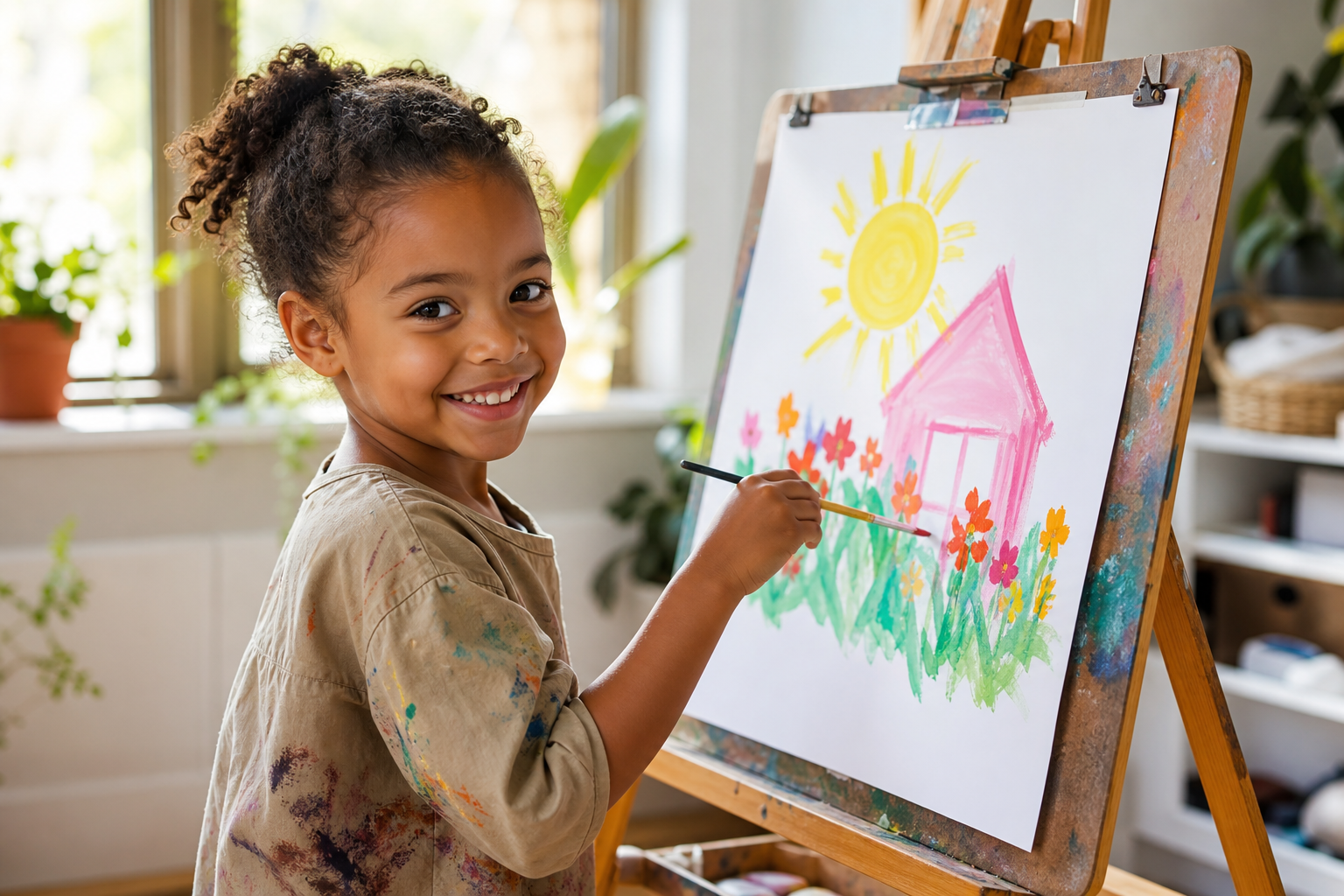
One of the biggest worries for homeschooling parents is that they feel they have no artistic abilities and, therefore, no talent for teaching fine arts to their homeschooled children. There are a number of good home school art curricula that can support parents in this area. Select one that has basic, easy instructions on how to draw, paint, and so forth. Be sure the one you choose has the type of projects you wish your children to participate in: crafts, drawing, painting, art appreciation, etc. The curriculum should also address several age levels, including those of your children. You need to direct the lessons and encourage your children. You will find many art and craft lessons and projects online. If you participate yourself, you can teach the children that perfection, or even minimal talent, isn’t necessary. The most important lesson for them to learn is that trying and enjoying are goals in themselves, regardless of the quality of the products produced.
Art History and Art Appreciation
Children enjoy learning about artists and their lives, as well as the times and countries they lived in. It’s fun for youngsters to try and mimic the work of renowned artists. Many books for children have been written about artists that are great for “kicking off” a study of a particular artist or type of art. There are excellent videos that introduce artists and/or art themes to children. These are great kickoffs for activities. Many have art lessons, complete with objectives. Some recommend extended activities in writing or other subjects. Visit art museums, galleries, and art shows with your children. Encourage your children to describe art they’ve seen in words or in writing and tell why they did or didn’t like the work.
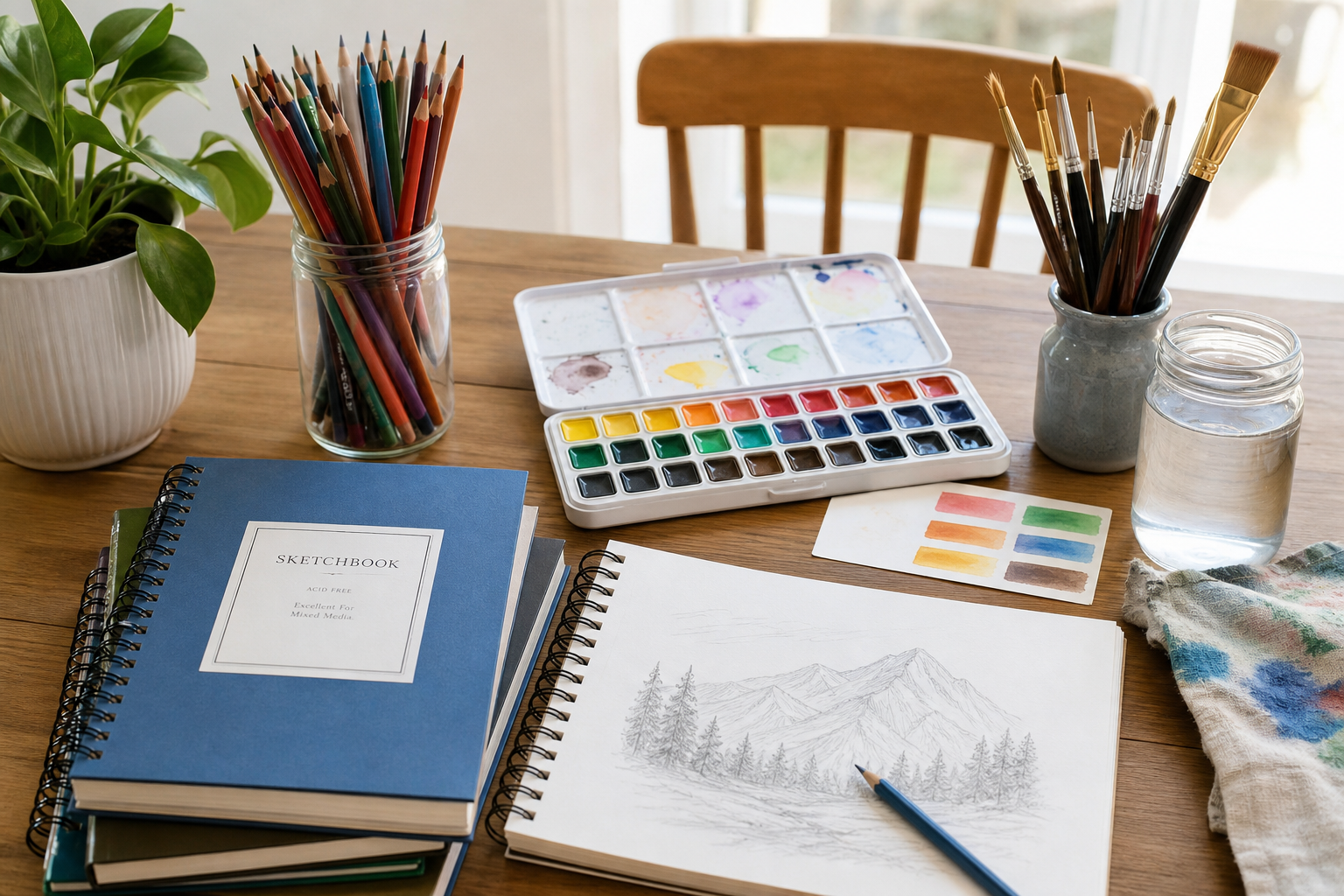
Drawing
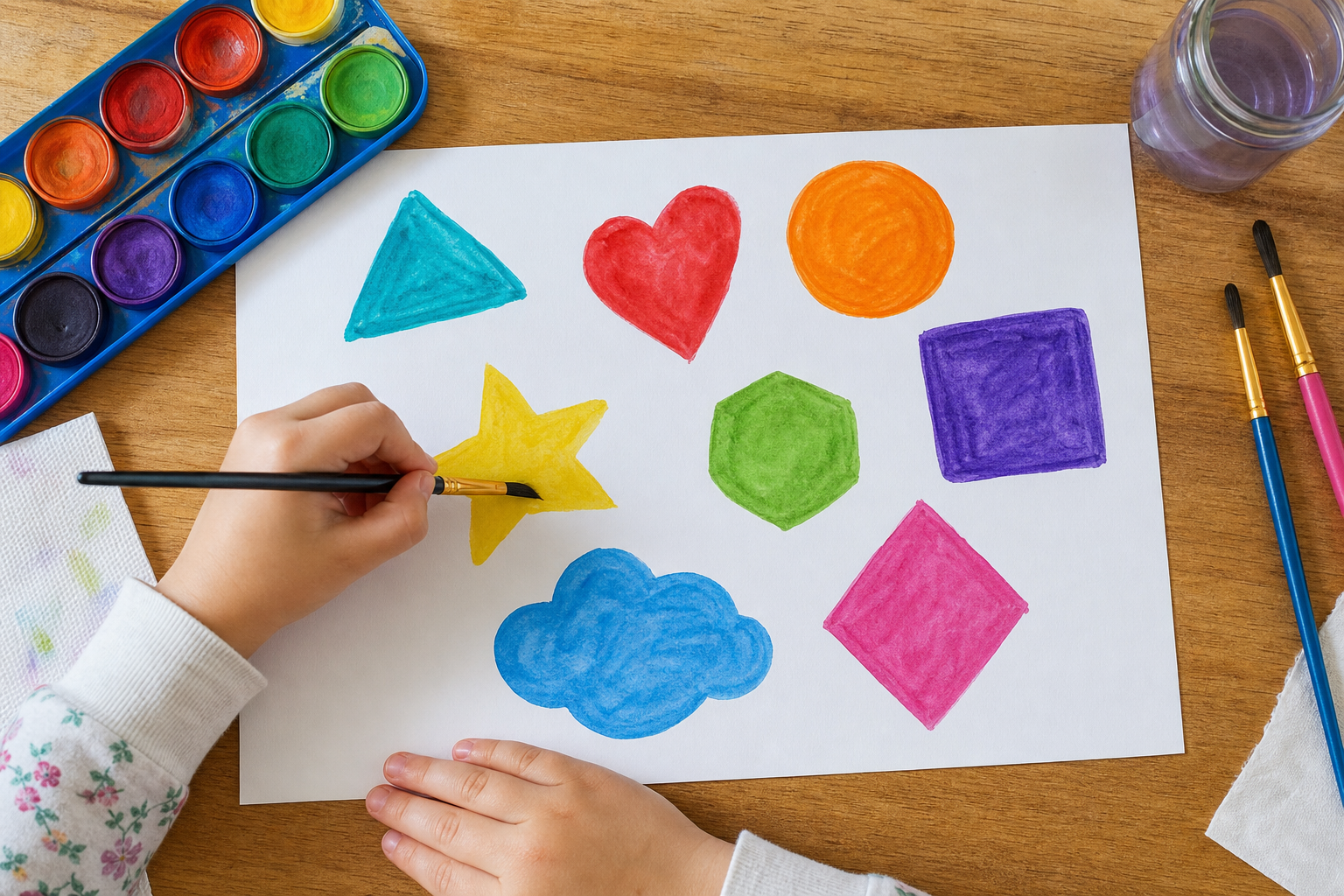
Painting can be done just for fun, using tempera, water colors, or oils, or it can be taught. Usually, it is best to teach drawing first. Even if a child can’t draw at all, there are pictures available for children to paint so that they can learn to mix colors, study the color wheel, keep a palette, hold a brush, and make various kinds of strokes. Murals are fun for children to make and each child can use their strengths to contribute to the final product. Abstract compositions are also an enjoyable way to participate in painting. Be sure the children wear old “painting clothes” which can get paint on them without anyone caring. If possible, have the children work outdoors. If you work indoors, spread tarps and cover furniture because painting is messy!
Learning about art should be fun, as well as academic. Start with one or two lessons per week. Play various kinds of music as you create art. Patience, practice, and enjoyment are the keys. Display the children’s work at home, in albums, send it to relatives, put it on your computer, create greeting cards with it, and enter it in contests.
The most important lesson for children to learn is that enjoying the fine arts and making an effort to participate in them are goals in themselves, regardless of the quality of any products produced. So, parents who doubt their abilities to teach fine arts to homeschooled children should not worry about whether or not the children have talent, but focus on learning about fine arts in an environment of enjoyable endeavor.
How can I teach fine arts at home if I have no artistic ability?
Choose a home school art curriculum that provides basic, easy instructions for drawing, painting, and crafts, and covers the age levels of your children. When you participate yourself — even without skill — you show your children that trying and enjoying are the real goals, not perfection. Many free art and craft lessons are also available online to supplement any curriculum.
What are good ways to introduce art history to homeschooled children?
Read children’s books about famous artists, watch educational videos that pair artist biographies with hands-on activities, and try mimicking the style of a well-known work together. Visit art museums, galleries, and local art shows as a family. Afterward, encourage your children to describe what they saw in words or in writing and share what they did or didn’t like about the work.
Should homeschoolers learn to draw before they learn to paint?
It is generally best to teach drawing first, but even a child who cannot draw can learn painting fundamentals — mixing colors, studying the color wheel, holding a brush, and making different strokes — by working from pre-drawn outlines or templates. Murals and abstract compositions are also great options because every child can contribute their own strengths without needing technical drawing skill.
How often should fine arts be scheduled in a homeschool week?
Start with one or two lessons per week to keep the experience enjoyable rather than overwhelming. Play music while creating art, display finished work at home or use it for greeting cards, and consider entering pieces in local contests. Celebrating effort and output — however the work looks — builds a lasting appreciation for the arts.
No part of this article may be copied or reproduced in any form without the express permission of More4Kids Inc © 2007

Ann Bowers




Add Comment