













by Stacey Schifferdecker
 Childhood moves at a much faster pace now than it did when we were kids, and music lessons are just one example. While we may have started piano lessons in late elementary school, kids now toddle up to the piano bench for lessons when they are still in preschool. When is the right age for music lessons and are condemning your child to a lifetime of musical mediocrity if you start too late?
In addition, your child must be able to
- Understand and follow directions
- Focus on a particular subject for a given time period
- Practice regularly
Finally, it helps if your child is really interested in taking music lessons.
Other alternatives
If you decide your child isn’t ready for private music lessons yet, there are plenty of other ways to introduce him to the joy of music:
- Attend a concert together and point out the different varieties of instruments and what sounds they make. Children are more likely to stick with and practice an instrument if they like its sound.
- Look into group musical activities, such as a “Mommy and Me” music class or a local church choir.
- Listen to lots of different types of music together. Dance and move your bodies to the music.
- Play rhythm games.
- Make music together. Sing simple songs, bang on pans, or make shakers out of plastic eggs filled with beans or popcorn kernels.
There is no harm in waiting until your child is developmentally ready for music lessons. Beginning a child on a musical instrument in preschool does not ensure that he will grow up to be a gifted adult musician. In fact, starting children too early or pushing them too quickly is just frustrating for the child and can make him hate both music and music lessons.
What is the right age to start music lessons?
There is no single right age—it depends on the child. One child may be ready at five, another not until 11. Rather than looking at age alone, look at your child’s physical development (gross and fine motor skills, a sense of tone and rhythm) and mental development (ability to follow directions, focus, and practice independently). Pushing a child to start before they’re ready often leads to frustration and can turn them off music entirely.
Which instruments are suitable for children under 10?
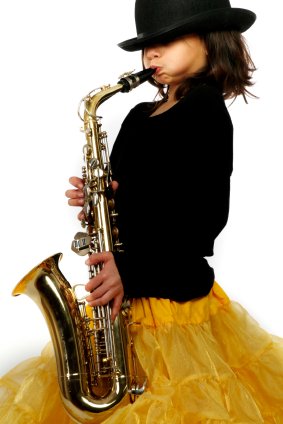
For children younger than 10, the most practical choices are piano and violin, since violins come in smaller sizes scaled for young children. Woodwinds (clarinet, saxophone) and brass instruments (trumpet, trombone, tuba) are not made in child-sized versions, so most children under 10 won’t be physically able to play them yet. Instrument choice should account for your child’s hand size and physical readiness.
What does my child need to be ready for private music lessons?
Most private music teachers prefer that children be able to read before starting lessons, so they can practice more independently at home. Beyond reading, your child should be able to understand and follow directions, focus on a task for a set period of time, and commit to regular practice. Genuine interest in learning an instrument also matters a great deal—children are far more likely to stick with an instrument they actually want to play.
How can I introduce my child to music before they’re ready for formal lessons?
Plenty of musical experiences don’t require lessons. Attend a concert together and let your child hear different instruments. Look into group music classes like ‘Mommy and Me’ sessions or a children’s church choir. Listen to and dance to a variety of music at home. Play rhythm games or make simple instruments—shakers from plastic eggs filled with beans or popcorn kernels work beautifully for young children.
Stacey Schifferdecker is the happy but harried mother of three school-aged children—two boys and a girl. She is also a freelance writer, a Children’s Minister, a PTA volunteer, and a Scout leader. Stacey has a Bachelor’s degree in Communications and French and a Master’s degree in English. She has written extensively about parenting and education as well as business, technology, travel, and hobbies.
No part of this article may be copied or reproduced in any form without the express permission of More4Kids Inc © 2007 All Rights Reserved

Stacey Schifferdecker




Add Comment