















By Dr. Caron B. Goode
Kevin’s comment: This is an excellent article that can be applied to children of all ages. Reading and reflecting on it really helps one understand not only your child but also yourself. If you ever wonder why you and your child continually butt heads, this article can help. It provides insight in understanding not only your childs personality but your own. It has given me a whole new perspective in understanding my children.
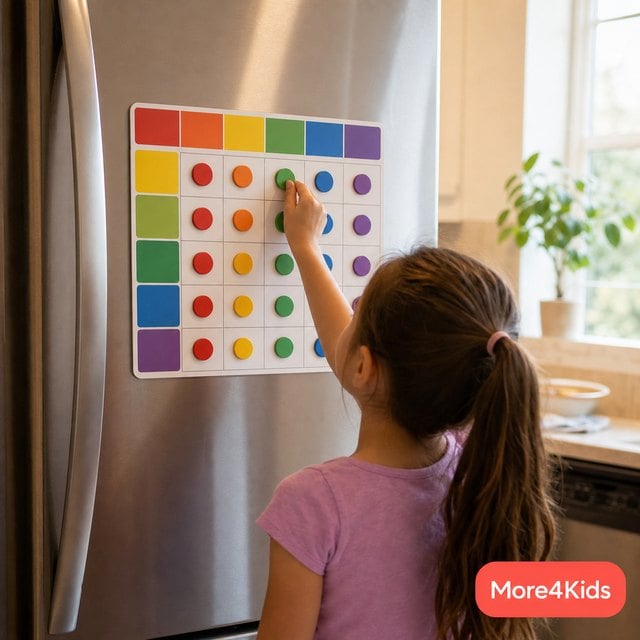
 Tweens have a lot on their plates. They have school, friends, extracurricular activities, and impending puberty. It’s no wonder they have a hard time remembering their chores!
|
Style
|
Traits
|
Likes
|
Dislikes
|
Approach
|
|
Cognitive
|
*Analytical
*Orderly
*Organized
*Disciplined
*Serious
*Consistent
*Critical
*Logical
*Persistent
*Stubborn
|
*To be told how to do chores first
* Having plenty of time to complete chores
* Being given a deadline
|
*Not being given ample time to finish a chore
*Feeling as if efforts are unappreciated
* Being rushed or surprised
* Being interrupted
|
*Tell your child what chore you want her to do and how to do it. Then give her a deadline, making sure she has more than enough time to finish.
|
|
Behavioral
|
*Independent
*Productive
*Competitive
*Results-oriented
*Impatient
*Problem- solver
*Quick Acting
*Walks to her own drummer
|
*A fast pace
*Cooperation
*To be given freedom
*To be told what to do and when to do it
*They are allowed to find shortcuts
*Being rewarded
|
*Wasting time
*Dealing with details
*Others trying to control them
*When others talk too much
*When others are act and react emotionally
|
*Tell your child what chore to do and when. That is all the instruction she needs. Don’t try to control her- allow her to complete the chore in her own way.
|
|
Affective
|
*Enthusiastic
*Energetic
*Creative
*Gregarious
*Undisciplined
*Easily loses track of time
*Intuitive
|
*Being challenged in a fun way
*Flexibility
*A fast pace
*Having fun
*Enthusiasm
*Affection
*Playing games
|
*When others are too task oriented
*Being confined
*Dealing with details
*When her achievements go unrecognized
|
*Tell your child what chore to do and give her a deadline. Since she tends to lose track of time, give her a generous timeline as a guide.
|
|
Interpersonal
|
*Laid back
*Dependable
*Persistent
*Mature
*Cooperative
*Helpful
*Practical
*Patient
*Loyal
*Tenacious
*Introverted
|
*To be trusted with important tasks
*A factual and practical approach
*To be asked instead of told what to do
*Others to define expectations
|
*When others don’t respect boundaries
*When her efforts are unappreciated
*Overbearing and forceful individuals
*When others take advantage of her helpful nature
|
*Ask her to do a chore and give her practical and proven instruction. Be sure to thoroughly outline your expectations so she knows exactly what you expect of her.
|
Why don’t tweens remember to do their chores?
Table of Contents
Because chores genuinely are not important to them. A tween already has school, friends, extracurricular activities, and the early stirrings of puberty filling their world. Chores can seem pointless from where they’re standing, which is part of why reminders and notes only go so far — the motivation has to come from somewhere else.
What do chores actually teach tweens?
Quite a bit, when done consistently. Regular chores introduce tweens to responsibility, a sense of belonging, teamwork, and time management. They can also build self-esteem — there’s real pride in finishing a job well. The catch is that the lessons only stick when tweens are actually doing the chores, which means finding the right way to motivate them matters.
What is the most effective way to get a tween to do chores without constant fighting?
Match your approach to their personal style. The article describes four types: the Cognitive tween who needs clear instructions and ample time; the Behavioral tween who just needs the what and when, then wants to handle it their own way; the Affective tween who responds to fun and needs a generous timeline since they lose track of time; and the Interpersonal tween who cooperates far better when asked rather than told. Working with the style instead of against it dramatically reduces friction.
How can I make chore time less stressful for both of us?
Pay attention to how your tween actually responds to tasks — not just what they say, but how they behave when something is expected of them. Once you identify their dominant personal style and adjust your approach accordingly, add in genuine praise for their efforts. The combination of working with their nature and acknowledging what they do right can turn a daily battleground into something much more manageable.


Greetings! I'm Kevin, the founder and chief editor of More4Kids International, a comprehensive resource for parents worldwide. My mission is to equip parents with the tools and insights they need to raise exceptional children.
As a father to two incredible sons, I've experienced the rollercoaster of parenthood, and it's these experiences that drive my dedication to making More4Kids a trusted guide for parents. Our platform offers a wealth of information, from time-saving parenting hacks to nutritious meal plans for large families, and strategies for effective communication with teenagers.
Beyond my professional role, I'm a devoted parent who champions the concept of an abundance mindset in raising resilient, successful children. I'm committed to fostering this mindset in my own children and am passionate about inspiring other parents to do the same.
Join me on this rewarding journey as we explore the complexities of parenthood together. Through More4Kids, we're raising the next generation of remarkable children and strengthening families, one parenting tip at a time.
More4kids is written for parents by parents.


1 Comment