














 As Parents it is up to us to help provide financial prowess in teaching kids how to handle money. We are our childs first teachers. Here are some tips on how to accomplish this difficult process.
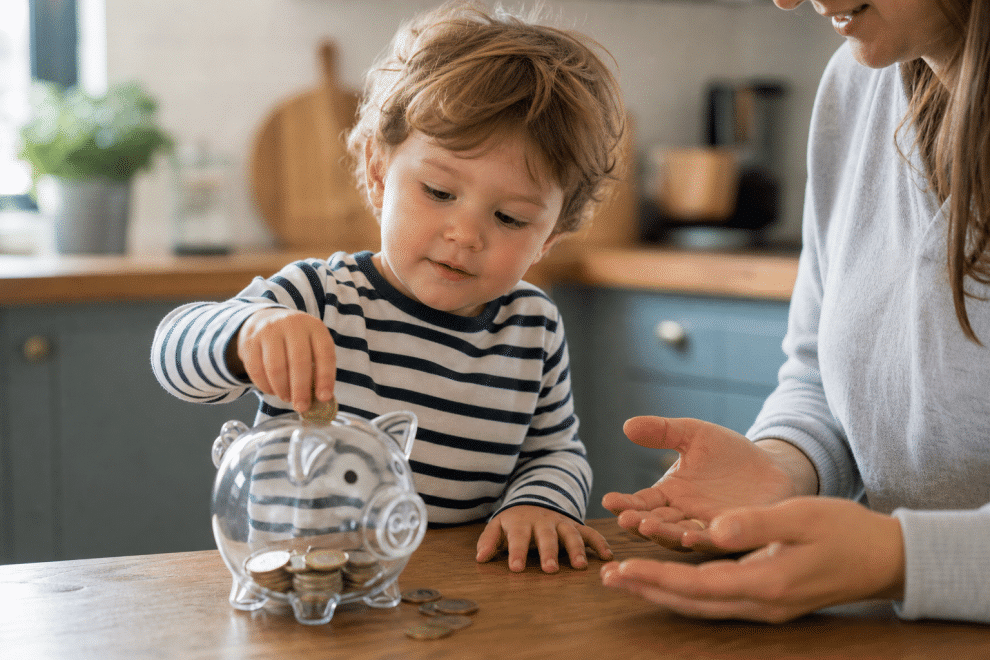
 Kids learn by example. If you are in debt, odds are they will be too. You need to teach fiscal responsibility at an early stage. The earlier you discuss money with your kids, the better prepared they will become. Open up a savings account with your kids; allow them to deposit and make withdrawals. Give them the option to use the account in whichever way they decide. By allowing them this freedom to choose, you are also giving them the opportunity to make mistakes and learn from them. Always be there in case they need your advice in this regard.
Give them an allowance. If they run out of money before the following week; do not replenish it. This will teach them about choices; the good and the bad. This is especially true if they are saving to buy something special. If they use their money unwisely, and cannot buy that which they were saving for, a valuable lesson will be learned.
Do not spoil your [tag-ice]kids[/tag-ice] by giving them everything they want. Give them just enough money via a weekly allowance and no more. If they choose to buy something you think is not appropriate, discuss it with them. Teach them about the importance of saving money and what they can look forward to as they get older. Give them examples of your own experience as a child, particularly if you had a problem handling money.
Finally, teach them the pitfalls of borrowing. If they ask for [tag-tec]money[/tag-tec] to buy a certain item; inform them they will have to pay it back with interest. Tell them exactly how much they will have to pay back and figure out together how long it would take. Undoubtedly, they may change their mind; but if not, stick to the terms you set. Teaching your kids how to handle money begins with you. Whether you were a saver or a spender, it is incumbent upon you to pass on to your child all the tools he or she needs to make worthwhile decisions; now and in the future.
When should I start teaching my child about money?
Table of Contents
The earlier the better. As parents, you are your child’s first teachers, and the earlier you open conversations about money, the better prepared your child will be. Starting with a savings account where they can deposit and withdraw their own funds is a natural first step that makes money real and tangible for young kids.
Should I give my child an allowance?
Yes — and equally important: if they run out of money before the following week, don’t replenish it. Running out teaches children about the consequences of choices, especially when they are saving toward something special. If they spend unwisely and can’t afford the item they wanted, that lesson sticks far better than any lecture.
How do I teach my child to save money?
Open a savings account together and let your child make the deposit and withdrawal decisions themselves. Giving them the freedom to choose — and to make mistakes — builds real financial judgment. Be available for guidance, but let the experience do the teaching.
How can I teach my child about borrowing and debt?
If your child asks to borrow money, tell them they’ll need to pay it back with interest — and calculate together exactly how much that adds up to and how long it will take. Many children change their minds once they see the real cost. If they still want to borrow, stick to the terms you agreed on. It is one of the most practical ways to teach the true cost of debt.




Add Comment