















By Sophia Richards
The first summer my oldest finished kindergarten, I made a wall chart with little reading boxes to color in, and I think we filled in exactly four before it quietly disappeared behind the couch. I'd gotten it into my head that if I didn't run a tiny home-school all June and July, my kids would tumble backward and start September behind. Three kids and a lot of slower, saner summers later, I've learned that the question of how to prevent summer learning loss has almost nothing to do with worksheets — and almost everything to do with keeping curiosity alive while everyone's shoulders finally come down.
I'm a mom of three, and back in my early-childhood-educator days I watched plenty of kids come back in the fall a little rusty and bounce right back within a couple of weeks. So let me hand you the calmer version: what the "summer slide" actually is, what really helps, and how to do it without turning your kitchen into a classroom.
What the "summer slide" really is (and isn't)
Table of Contents
First, a deep breath. The summer slide is real, but it's usually more of a gentle dip than a cliff. Researchers who track this — like the team at NWEA, whose overview of what we actually know about summer learning loss is refreshingly honest — find that the average loss is modest, varies a lot from child to child, and tends to show up most in math facts and reading fluency. The skills that fade are the ones that simply went unused.
That's the reframe I wish someone had handed me sooner. Learning loss over the summer isn't a sign you slacked off; it's just what happens to any skill that sits untouched for ten weeks. And the fix isn't intensity — it's keeping a few small embers warm so nothing has to be relit from scratch in September.
How to prevent summer learning loss without flashcards
Here's the heart of it: kids hold onto what they keep *using*, and they'll happily keep using almost anything if it's woven into a day they enjoy. You don't need a curriculum. You need a handful of low-effort habits that fit your real life.
In our house, that came down to four quiet anchors: read most days, keep numbers in play, let them be bored, and follow their questions. None of it looks like school. All of it keeps the machinery running.
- Reading, most days, their choice. Twenty minutes of comic books, cereal boxes, and graphic novels counts. The goal is the habit, not the reading level.
- Numbers in the wild. Doubling a recipe, counting change at a yard sale, keeping score at the pool — math facts stay sharp when they're useful, not drilled.
- Protected boredom. The empty afternoon is where kids invent, build, and problem-solve. That's learning too.
- Following their curiosity. One genuine question — "why is the sky orange tonight?" — chased down together teaches more than a packet ever will.
Reading is the single biggest lever
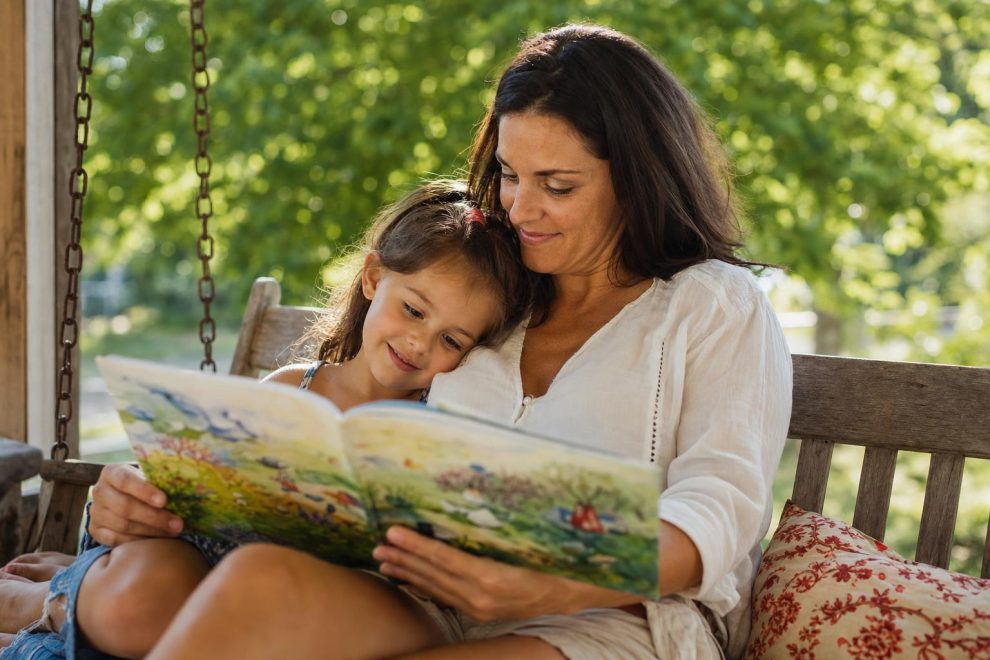
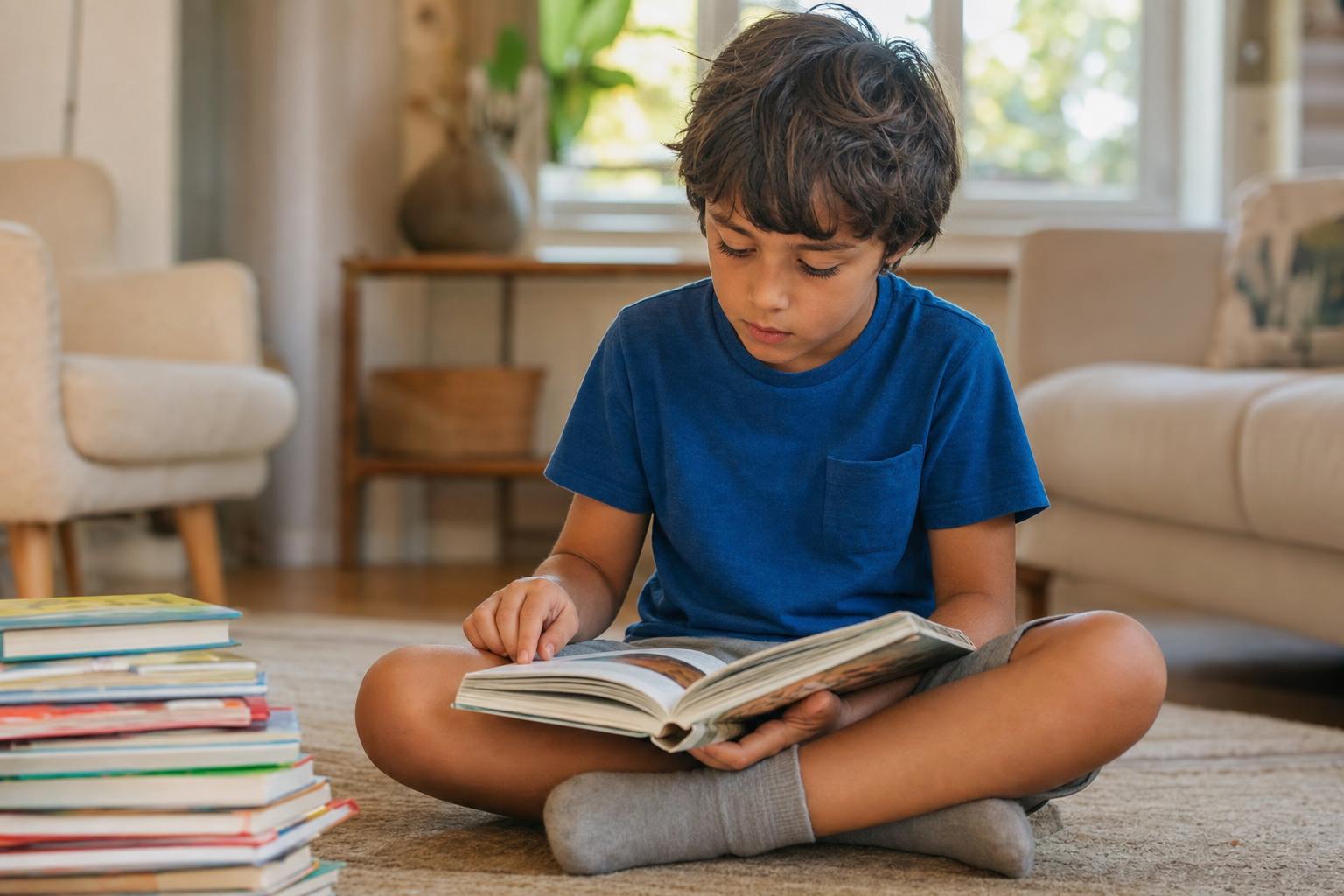
If you only protect one thing, protect reading. It's the skill most tied to long-term school success, and it's the easiest to keep alive because it can ride along with summer instead of competing with it. We'd read on the porch after dinner, in the car on long drives, in a blanket fort on a too-hot afternoon.
Make it easy and make it theirs. Let them pick the books, even the "too easy" ones, and keep a stack within arm's reach. A simple daily rhythm helps more than any reading log — the same gentle approach in our piece on 10 ways to help kids fall in love with books works just as well in July as in January. And if bedtime is the only slot that sticks, that's plenty; reading aloud at night, the way we talk about in why bedtime stories matter so much, does double duty as wind-down and literacy.
Your local library is the unsung hero here — most run free summer reading programs with little prizes that turn pages into a game. Reading Rockets keeps a warm, practical collection of summer reading ideas if you want a few fresh angles.
Let learning hide inside ordinary days
This is the part former-teacher me loves most: the best summer learning rarely looks like learning. A trip to the farmers market is counting, budgeting, and a botany lesson. Baking is fractions and following a sequence. A walk is science class if you're naming bugs and clouds along the way.

Free, unstructured play deserves its own mention, because it does serious developmental work that no app or workbook replaces — something I dug into in our look at why free play matters so much. When you hear "I'm booored," try to resist rescuing them too fast; boredom is fertile ground, and the kids who learn to fill it are building real skills, as our piece on the child with a million toys who's still bored gets into. The empty afternoon is often where the best summer learning happens.
Keep a light rhythm, not a schedule
Kids do better with a loose shape to the day than with a rigid timetable — or with no shape at all. We landed on a simple, unwritten rule: something for the body, something for the mind, something just for fun, most days. A bike ride, twenty minutes of reading, and then whatever they wanted. That was the whole "plan."
You can write a few easy defaults on the fridge if it helps — reading happens before screens, library day is Wednesday — and let the rhythm carry it so you're not negotiating every morning. The aim isn't to recreate school. It's to keep just enough structure that the days don't dissolve and the skills stay warm.
Go easy on yourself, too
Here's the honest truth I'd tell my younger, wall-chart-making self: a slower summer is not a wasted one. Rest, long days outside, and unhurried time with the people they love are doing quiet work of their own. A little rustiness in September is normal and fixable, and no child's whole year hinges on a perfect July.

So if you've been losing sleep over how to prevent summer learning loss, let me lift that weight a little. Keep them reading, keep numbers in play, guard some boredom, and chase the odd question down a rabbit hole together. Do that, and you can stop running a summer school you never signed up for — and get back to the much better work of just enjoying the long, bright days with your kids.
Frequently Asked Questions
Is summer learning loss real?
It is real, but it is usually a gentle dip rather than a cliff. Researchers who track it find the average loss is modest, varies a lot from child to child, and shows up most in math facts and reading fluency — the skills that simply went unused over the break.
How can I prevent the summer slide without worksheets?
Lean on a few small habits woven into days your kids already enjoy: read most days (their choice), keep numbers in play through things like recipes and counting change, protect some unstructured boredom, and follow their curiosity. You do not need a curriculum, just a handful of low-effort anchors.
What is the single most important thing to keep up over the summer?
Reading. It is the skill most tied to long-term school success and the easiest to keep alive, because it can ride along with summer instead of competing with it. Let kids pick their own books, keep a stack within arm's reach, and use your library's free summer reading program.
How long does it take kids to catch up in the fall?
Usually just a couple of weeks. A little rustiness in September is normal and fixable, and most kids bounce right back once their skills are back in regular use, so a slower summer is not a wasted one.
Related Articles
- Unleashing The Magic Of Reading 10 Tips For Kids To Love Books Forever
- Importance Of Bedtime Stories
- Science Of Play Time
- Is Your Child Bored

Meet Sophia Richards Sophia Richards is an early childhood educator, passionate writer, and the proud mom of three energetic kids. With a degree in Education and over a decade of hands-on classroom experience, Sophia bridges the gap between professional teaching strategies and everyday family life. At More4Kids, she translates complex child development concepts into practical, actionable parenting tips that families can use at home.
Whether she is sharing positive reinforcement techniques, educational crafts, or honest reflections on the chaos of raising three children under one roof, Sophia’s goal is to empower parents to foster resilience and joy in their kids. When she isn't writing or lesson planning, you can find her organizing neighborhood scavenger hunts or trying out new kid-friendly recipes.
Areas of Expertise: Early Childhood Education, Positive Parenting, Sibling Dynamics, Educational Play, Family Wellness.

Add Comment