















It’s helpful if parents understand the causes of anxiety and panic attacks and to have tools and strategies to support their children through these experiences. By implementing simple techniques, parents can help their children manage anxiety and reduce the frequency and severity of panic attacks.
What are Anxiety and Panic Attacks?
Table of Contents
Anxiety disorders are characterized by excessive worry, fear, and distress that interfere with daily activities and functioning in school, work, or social settings. Panic attacks involve intense physical symptoms such as racing heart rate, chest pain, dizziness, difficulty breathing, and trembling or shaking. These episodes can be short-lived, lasting only a few minutes, or can last for more than an hour.
Common signs and symptoms of anxiety and panic attacks in children may include:
- Irritability
- Difficulty concentrating
- Avoidance behavior
- Sleep disturbances
- Physical complaints (such as stomachaches)
- Restlessness or feeling keyed up
- Talking excessively about worrisome topics
- Frequent worrying or ruminating
It’s important to take any signs of anxiety seriously and seek help from a professional if needed. It is also important for parents to be aware of their own reactions and responses when their child is experiencing an episode, as it can have a significant impact on their emotional well-being.
If your child is showing signs of anxiety or panic attacks, seek help from a mental health professional. A qualified therapist can help you and your child develop strategies for managing symptoms and finding ways to cope with stress. With the right support, children can learn to manage their anxiety and enjoy life again.
How to Support Your Child Through an Anxiety or Panic Attack
When your child is experiencing an anxiety attack, do your best to stay calm and provide emotional support. It can be helpful to provide reassurance and remind them that they are safe. The goal is to help them manage the physical symptoms of their attack, so you may want to encourage relaxation techniques such as deep breathing or stretching.
It’s also helpful to set boundaries, such as not allowing them to engage in behaviors that could become maladaptive over time (e.g., avoidance of certain situations). Additionally, you can help your child develop healthy coping skills for managing stress and anxiety by engaging in problem-solving activities and positive self-talk.
Finally, it’s important to provide your child with unconditional acceptance and love. Acknowledge any progress they have made in managing their anxiety and provide encouragement when needed. This can help them feel more confident in their ability to cope with future episodes of anxiety or panic attacks.
Tips for Managing Anxiety in Children
One of the most effective ways to help children manage their anxiety is to create a safe, supportive environment. Establishing healthy routines and fostering open communication can help your child feel more secure.
You can also help your child develop problem-solving and coping skills by teaching them relaxation techniques such as deep breathing, progressive muscle relaxation, visualization, or mindfulness. Engaging in positive activities together – such as outdoor play, art projects, or sports – can also be beneficial.
Finally, encourage healthy lifestyle habits such as getting enough sleep, eating a balanced diet, and engaging in regular physical activity. These practices can help reduce stress and anxiety levels, allowing your child to better manage their symptoms.
When to Seek Professional Help
If you are concerned that your child’s anxiety is having a negative impact on their life, it may be time to seek professional help. A mental health professional can provide an evaluation and develop a treatment plan tailored to your child’s needs.
Seeking help from a qualified therapist can be beneficial in many ways, as they have the expertise to identify underlying causes of anxiety and develop effective strategies for managing symptoms. Additionally, therapy can help your child build resilience, manage stress more effectively, and foster healthy relationships with others.
If you are unsure of where to start, your child’s primary care provider can refer you to a mental health professional in your area.
How to Talk to Your Child About Anxiety
Have open and honest conversations with your child about their anxiety. Start by asking how they are feeling, then provide reassurance that it is okay to feel anxious. Explain that everyone feels anxious sometimes, but talk about the importance of being able to manage those feelings.
Let your child know that it is okay to ask for help if they need it, and open up about any experiences you might have had with anxiety. This will help them feel more comfortable discussing their own feelings and show them that it’s normal to experience these emotions.
Be sure to listen carefully and provide a safe space to express their feelings without judgment. Encourage your child to talk about their experiences and validate what they are saying – this will show that you understand and support them.
Talking openly with your child can go a long way in helping them manage their anxiety – it may also help strengthen the bond between you. With understanding, acceptance and appropriate support, your child can learn to cope with their anxiety and lead a happy and fulfilled life.
Model Healthy Habits
Children learn by example – so it’s important for parents to model healthy habits when it comes to managing stress and anxiety. Show your child that you are able to recognize your own anxious feelings, identify the root of the problem, and use calming techniques to manage them.
If they see you taking steps to reduce stress, such as exercising, meditating, or talking with someone about your feelings, they may be more likely to do the same. Involve your child in activities you enjoy and let them know it’s okay to take breaks when needed.
Conclusion
Anxiety and panic attacks can be difficult to navigate, especially for children. By recognizing the signs and symptoms, modeling healthy habits, involving your child in activities they enjoy and seeking professional help when needed, you can help your child cope with their anxiety in a positive way. Your support and understanding can make all the difference in helping them lead a happier and more fulfilling life.
What are the signs of anxiety or panic attacks in children?
Common signs include irritability, difficulty concentrating, avoidance behavior, sleep disturbances, frequent physical complaints like stomachaches, restlessness, excessive worrying or ruminating, and talking repeatedly about worrisome topics. Panic attacks can also bring intense physical symptoms such as a racing heart, chest tightness, dizziness, and difficulty breathing. If these symptoms interfere with your child’s daily life at school, home, or with friends, speak with a mental health professional.
How should I respond when my child is having an anxiety or panic attack?
Stay as calm as possible and remain physically close. Remind your child they are safe and that the feelings will pass. Encourage slow, deep breathing or gentle stretching to ease the physical symptoms. Avoid reinforcing avoidance behaviors — gently staying present with the situation rather than removing it builds resilience over time. Unconditional acceptance and a steady, reassuring voice make a significant difference.
What relaxation techniques help children cope with anxiety?
Deep breathing, progressive muscle relaxation, guided visualization, and mindfulness are all effective tools. Engaging in outdoor play, art, or sports together can also lower anxiety levels between episodes. Establishing predictable daily routines, ensuring enough sleep, and encouraging a balanced diet further support your child’s ability to manage anxious feelings day to day.
When should I seek professional help for my child’s anxiety?
If anxiety is disrupting your child’s school performance, friendships, sleep, or daily activities, it is time to reach out to a mental health professional. Your child’s primary care provider can refer you to a qualified therapist who can identify underlying causes and develop an effective, personalized treatment plan. Early intervention consistently leads to better long-term outcomes for children with anxiety.



https://rediscoveringsacredness.com/
Dominica Applegate is an author, writer, and transpersonal spiritual mentor. Earning her BA in Psychology and MA in Counseling, she worked 12 years in the mental health field before diving full-time into writing.
She has authored many popular articles and a series of guided journals on the topics of inner healing work, conscious relationships, and spiritual awakening. She runs Rediscovering Sacredness, an online platform that offers inspiration, essays, resources, and tools to help heal emotional pain and increase peace and joy.
Check out these Books by Dominica on Amazon:
Into the Wild Shadow Work Journal: Reclaim Your Wholeness
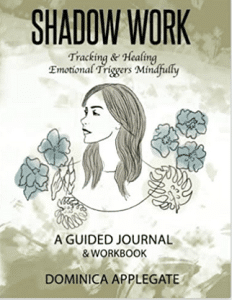
Shadow Work - tracking & Healing Emotional Triggers Mindfully: A Guided Journal & Workbook
Awakening Self-Love: An Open-Hearted, Inner Healing Journaling Adventure (90-Day Guided Journal




Add Comment