Is natural parenting a natural course of life? There are many factors that bond us to our natural born baby.
Does Natural Parenting Come Naturally?
Is natural parenting a natural course of life? There are many factors that bond us to our natural born baby and some of them are listed below:
Oxytocin – a bonding hormone in natural parenting
Oxytocin is a chemical released by the brain when mainly in contact with the skin or in response to social interaction. This hormone like chemical promotes bonding patterns and is health beneficial creating a desire to bond with the person in contact, in this case your baby. This is looked upon as one of the main tool in creating a mother.
Oxytocin first important role is during labor; high oxytocin makes the new mother get familiar with baby smells and once she gets to recognize it, oxytocin makes the brain like these odors the best above all other babies. The same course takes place in the baby with the mother’s odor.
Vasopressin another natural parenting bond
This process is more active in father and baby bonding even if it is present in the mother and baby. It is a hormone that promotes brain recognition towards parental behavior during male cohabitating with the pregnant mother; this makes the father more protective and dedicated towards the mother and baby. Vasopressin induces the same feelings of protection and loving between the father and the mother or the father and the baby by the touch of the skin. While the testosterone wants to prowl, vasopressin promotes family bonding.
Prolactin in natural parenting
All of us release prolactin in our sleep (those of us that are healthy at least); this helps in maintaining the reproductive organs and immune system function. Mothers also release prolactin when suckling take place promoting maternal behavior. Prolactin besides promoting maternal behavior also helps the parental instincts develop; this takes place during the mother’s pregnancy and after the father cohabitation with the baby.
Above is some of the natural parenting bonding that is created by nature and happens without any control from us whatsoever. Even though many of these reaction are already present in our body to help us be better parents, there is no doubt that natural parenting comes to most naturally.
Some of us may not be natural parents to our children does that mean that we cannot create that special bond? Of course we can as love in itself is the greatest feeling and it is best shown in parent child relationship whether you are the natural parent or not.
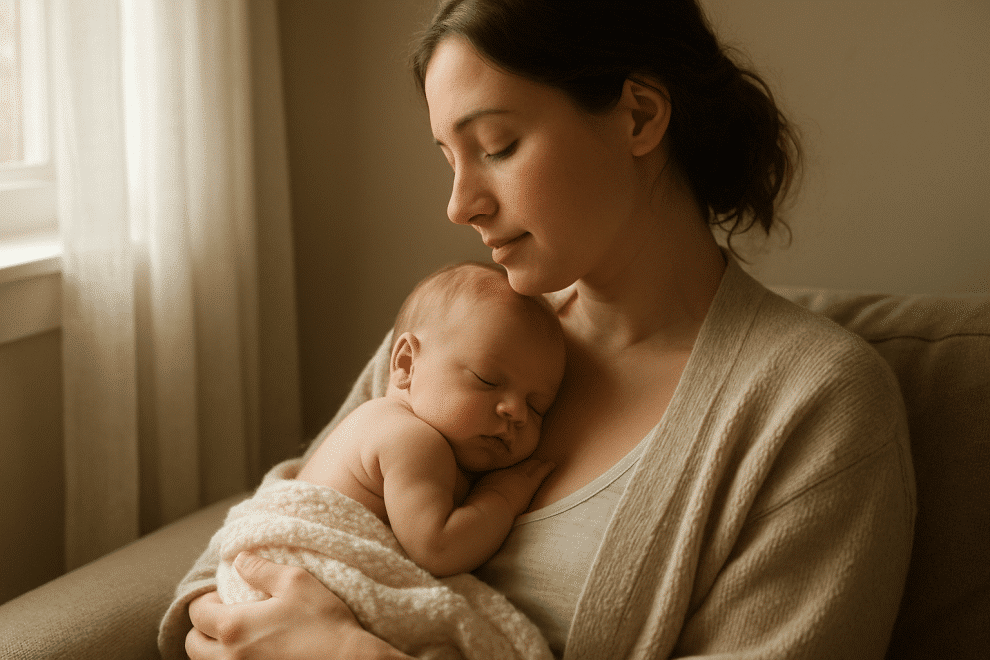
Natural parenting is beneficial for everyone in the family but just getting to be a parent, which ever way that is, is an experience one is assured not to forget for a lifetime.Posting Search Tags: ParentingNatural ParentingNatural parenting means staying close and responsive to your baby's cues.Babywearing keeps your baby close and supports the natural parenting bond wherever you go.
What is natural parenting?
Table of Contents
Natural parenting refers to the instinctive bond between parent and child that is partly driven by biology. The body releases several hormones — including oxytocin, vasopressin, and prolactin — that actively encourage closeness, protection, and nurturing behavior in both mothers and fathers. These hormonal processes begin during pregnancy and continue through skin-to-skin contact and breastfeeding, helping the parent and baby recognize and prefer each other.
What role does oxytocin play in the parent-baby bond?
Oxytocin is sometimes called the bonding hormone because the brain releases it during skin contact and social interaction. For new mothers, oxytocin peaks during labor and helps them quickly learn to recognize their baby’s smell — and once that recognition forms, the brain responds most positively to that particular baby’s scent above all others. The baby goes through a similar process, learning to recognize the mother’s odor. This mutual recognition is one of the first building blocks of the parent-child bond.
Does natural parenting bonding apply to fathers too?
Yes. Vasopressin plays a key role in father-baby bonding. It is a hormone that responds to a father cohabitating with a pregnant partner, making him more protective and devoted to both the mother and the baby. Vasopressin promotes feelings of love and protection through physical closeness and skin contact — working alongside, rather than against, testosterone to draw fathers into the family bond.
Can adoptive or non-biological parents form the same natural bond?
Absolutely. The hormonal bonding processes described here are one path to connection, but they are not the only path. Love itself is the foundation of the parent-child relationship, and it develops fully regardless of biological connection. Adoptive parents and non-biological parents form deep, lasting bonds with their children — the experience of becoming a parent, in whatever form it takes, is one no one forgets for a lifetime.









Add Comment