
















By Sophia Richards
If your toddler melts into tears because the bath is over, the blocks have to be cleaned up, or it is time to leave the playground, you are not raising a difficult child. You are watching a small person do one of the hardest jobs of early childhood: stop one interesting thing, shift their body and attention, and trust that the next thing will be okay. That is a lot of mental work for someone who still needs help finding both shoes.
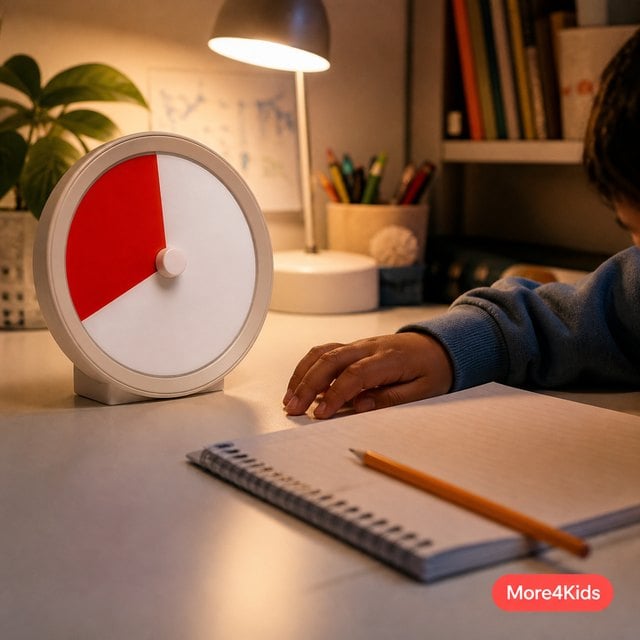
I have had this play out in my own house with three kids moving at three very different speeds. One child could hear, “Five more minutes,” and glide right into cleanup. Another needed a song, a job, and my hand on their back before the switch felt possible. As an early childhood educator, I have seen the same thing in classrooms. Toddler transitions are not tiny inconveniences. They are real skill-building moments, and when adults plan for them, the whole day feels steadier.
The good news is that toddler transitions between activities can get easier without bribes, threats, or endless negotiating. When toddler transitions get messy, the goal is not to make your child cheerful about every change. The goal is to help them know what is coming, feel connected while it happens, and practice the next tiny step until it becomes familiar.
Why Toddler Transitions Feel So Hard
Table of Contents
Adults change tasks all day without thinking much about it. We close a laptop, start dinner, answer a message, buckle a car seat, and move on. Toddlers are still building the brain skills that make those shifts possible. They are learning how to hold a plan in mind, stop an impulse, manage frustration, and use words when their body wants to drop to the floor.
Head Start’s early childhood guidance explains that infants and toddlers experience transitions every day, from small ones like moving from playtime to lunch to bigger ones like starting a new program or welcoming a sibling. The same brief names three supports that help children through change: caring relationships, consistent routines, and flexibility for the individual child. That combination is a helpful lens for home, too. Your toddler needs structure, but they also need you to notice whether this particular transition is happening when they are hungry, tired, overstimulated, or deeply invested in what they are doing.
That last piece matters. A child who is building a tower is not simply refusing dinner. In their world, they are interrupting a project, losing control of a plan, and possibly giving up something that took real effort. A child who screams when it is time to leave the park may be saying, in toddler language, “I was not ready,” “I do not know what happens next,” or “My body is too tired to cooperate.” Behavior has meaning, especially before communication and self-control are fully developed.
When I remember that, my voice changes. Instead of treating toddler transitions like obedience tests, I treat them like teaching moments. We are not lowering the bar. We are showing the steps.
Toddler Transitions Work Better When the Day Has a Rhythm
One reason routines help so much is that they make the world feel less surprising. ZERO TO THREE puts it beautifully: consistent routines give babies and toddlers comfort, safety, and emotional stability because knowing what happens next helps them trust the caring adults around them. That trust frees them to play, explore, and learn.
In my house, the hardest transitions usually happen when the day has gone loose around the edges. We stayed too long at the store. Lunch slid late. Screens ran past the agreed stopping point. Everyone is a little hungry, and then I expect a toddler to calmly shift gears because I suddenly announced it. That is not impossible, but it is a big ask.
A simple rhythm gives your child a mental map. It does not have to be rigid or fancy. It might sound like: breakfast, get dressed, play, snack, outside, lunch, rest. Or after preschool: shoes off, snack, outside time, dinner helper job, bath, books. When those anchors repeat, your child starts to feel the pattern before you even say it, and toddler transitions stop feeling quite so random. That is why a simple daily routine can make behavior feel calmer without adding more rules.
Routines also reduce power struggles because they shift the message from “I am making you stop” to “this is what comes next in our day.” There is a difference between “Because I said so, clean up now” and “After blocks, we wash hands for lunch. Do you want to park the blue truck or the red truck first?” The second version still holds the boundary, but it gives your toddler a small piece of control inside it.
Step 1: Preview the Transition Before It Arrives
Toddlers often struggle less with the change itself than with the suddenness of it. A preview gives their mind time to catch up. Head Start recommends talking about what is coming, including first/then language such as, “First, we’ll put on your shoes and coat, then we’ll head outside.” That tiny sentence does a lot of work. It names the current step, the next step, and the reason the current activity is ending.
For daily toddler transitions, I like to keep previews short and concrete:
- “Two more trips down the slide, then we walk to the car.”
- “First pajamas, then two books.”
- “When this song is done, blocks go in the basket.”
- “After snack, we get in the car for preschool pickup.”
Notice that these are not speeches. A toddler who is already disappointed cannot process a lecture. They need a few words they can hold. If your child tends to panic at the first warning, try pairing the preview with reassurance: “The trains will stay here. We can build again after nap.” For some kids, knowing the activity is not disappearing forever is enough to loosen their grip.
Countdowns can help, too, but they work best when they are honest. If I say five minutes, then give twenty because I do not want a meltdown, I teach my child that the warning does not mean much. I do not need to be harsh; I do need to be clear. “Five minutes” should mean close to five minutes, followed by the next loving step.
Step 2: Use Visual Cues for Toddler Transitions
Words are not always enough, especially for very young toddlers, tired children, or kids who process language more slowly. Visual cues give the transition something your child can see. The Head Start transition brief specifically points to pictures, visual schedules, and showing the next item or place as supports for young children, including children who cannot rely on language cues alone.
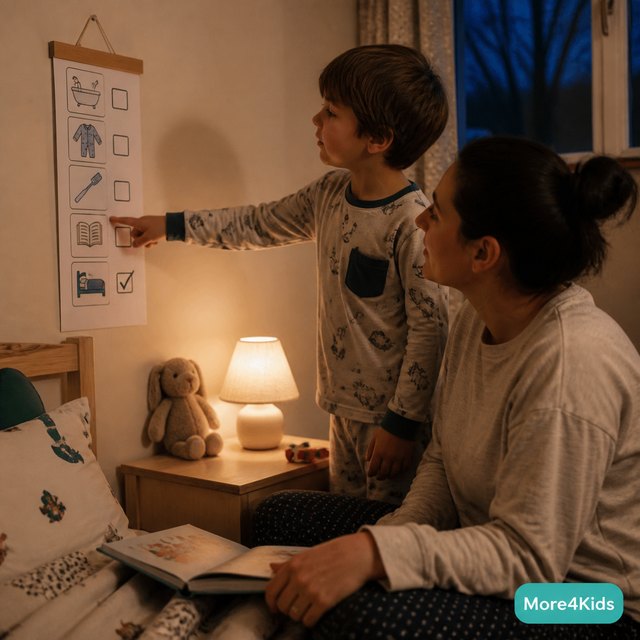
At home, this can be wonderfully simple. You do not need a laminated classroom chart unless that makes your life easier. A few phone photos printed on paper can work: breakfast, shoes, car seat, playground, lunch, nap. You can tape them to the fridge or slide them into a small ring. Point to the picture and say, “We are here. Next is car seat.”
For toddler transitions between activities, real objects work well, too. Hold up pajamas before bedtime. Bring the lunch plate into view before cleanup. Show the grocery bag before errands. Use a small basket by the door for shoes, socks, and a comfort item so leaving the house becomes a familiar sequence instead of a scavenger hunt.

In the classroom, I often used the same cue every day: a little song for cleanup, a picture card for the next center, or a bell that meant “freeze and look.” At home, you can borrow that same idea. The cue becomes a bridge. Your child learns, “When I hear this song, I know what to do next.” Familiarity lowers the emotional temperature.
Step 3: Build a Tiny Ritual Around the Hardest Switch
If one transition goes wrong every day, do not try to fix the whole day at once. Pick that one moment and give it a ritual. Rituals help because toddlers love predictable sequences. They also turn an ending into something your child can participate in.
Leaving the playground might become: one last swing, high-five the slide, wave goodbye, hold the car snack. Bath ending might become: pull the plug, sing the drain song, wrap in the dinosaur towel. Cleanup might become: trucks park in the basket, blocks sleep on the shelf, toddler presses the timer button.
ZERO TO THREE notes that some families use timers, warnings, books, songs, games, or special rituals to prepare toddlers for a change in activity. The magic is not the timer itself. The magic is repetition plus relationship. You are giving your child a known path through a moment that used to feel abrupt.
In my family, bedtime rituals have saved us more times than I can count. One of my kids needed the exact same order for a season: pajamas, teeth, two books, water, tuck blanket, door cracked. If I rushed or skipped around, the whole room got wobbly. That did not mean my child was controlling the house. It meant the routine was doing its job. If bedtime is your hardest switch, creating bedtime rituals is one of the kindest places to start.
Step 4: Give a Job, Not Just an Order
Many toddler transitions improve when a child has something useful to do. A job gives their body a place to put all that energy and gives their mind a next step. It also preserves dignity. “Carry the napkins” feels different from “stop playing and come here.”
Try jobs like:
- Put three blocks in the basket.
- Push the stroller button.
- Carry the small grocery bag.
- Choose the first bedtime book.
- Put the bath toys in the net.
- Hand everyone a spoon for snack.
The Vanderbilt CSEFEL brief on helping children make transitions between activities describes adults planning what children and adults will do during transition times instead of treating those moments as empty waiting. That is a smart shift for home. A waiting toddler often becomes a climbing, whining, grabbing toddler. A toddler with a simple job has a route.
This is also why a buddy can help. In a classroom, teachers may pair a child who struggles with a transition with a peer who moves easily. At home, a sibling can sometimes be that gentle bridge: “Can you show your brother where the shoes go?” Use this carefully, of course. Siblings are not substitute adults, and nobody should be responsible for managing a meltdown. But a cheerful shared job can make a switch feel less lonely.
Step 5: Balance Connection and the Boundary
Warmth without a boundary turns into endless bargaining. A boundary without warmth turns into a power struggle. Toddler transitions need both.
A helpful script is: validate, boundary, next step.
“You really wanted more blocks. Blocks are done for now. First blocks in the basket, then lunch.”
“You are sad to leave the park. We are leaving now. You can hold my hand or ride in the stroller.”
“The show is over, and stopping feels hard. Tablet goes on the charger. Come help me stir the pancake batter.”
That first sentence matters. It tells your child, “I see you.” It does not mean you are changing the plan. Then the boundary stays short and steady. Then you offer the next doable action. This is the same spirit behind gentle parenting discipline techniques: connection is not the opposite of structure. Connection is what helps structure land.
When a toddler transition still turns into crying, try to keep your body boring and your voice low. You do not need to win the moment with more words. Sit near, repeat the simple boundary, and help with the next physical step if needed. “I will help your hands put the blocks in.” “I will carry you to the car because it is time to go.” Calm help is different from punishment. It says, “This is happening, and I am still with you.”
Step 6: Reduce Waiting Wherever You Can
Some toddler transitions go sideways because adults accidentally create too much waiting. CSEFEL points out that transitions can take a great deal of time when adults do not plan for them, and young children may spend long stretches waiting for the next activity to begin. In a classroom, that might mean waiting for every child to finish the bathroom before anyone moves on. At home, it might mean your toddler is told to put on shoes and then stands by the door for ten minutes while you look for keys.
I say that with love because I have been the key-searching parent. The fix is not perfection. It is noticing where the bottleneck lives.
Before a hard transition, ask yourself:
- Can I gather my adult things first, then call the toddler?
- Can this child move to the next safe step instead of waiting for everyone?
- Can I give a seated activity while we wait, like a book in the stroller?
- Can I avoid stacking three hard transitions back-to-back?
- Can I move from high-energy play to a calmer bridge before lunch or nap?
That last one is surprisingly powerful. Going straight from wild chase games to the table is harder than moving from outside play to handwashing to a small helper job. CSEFEL suggests thinking about activity sequence, including gradual increases or decreases in activity level and a balance of active and quiet play. At home, that might mean bubbles on the porch before coming inside, a cleanup song before lunch, or two quiet books before nap instead of expecting an instant drop from full speed to stillness.

Step 7: Praise the Specific Thing You Want to Grow
After a transition goes well, do not let it vanish unnoticed. Head Start encourages adults to focus on the positive and praise children specifically when transitions go well, with examples like, “You were patient while I got your bottle ready” or “I like how you cleaned up by putting your toys in the basket.”
Specific praise teaches. “Good job” is sweet, but “You stopped playing and came to wash hands when the song ended” names the actual skill. Toddlers learn what to repeat because you pointed a little light at it.
In my house, I try to praise effort more than mood. A child does not have to be happy about leaving the park to be doing something brave. I might say, “You were sad and you still walked to the car. That was hard work.” Or, “You wanted more tablet time and you put it on the charger. That took self-control.” Those words build a child’s picture of themselves as capable, and that is part of how to build confidence in a child without turning every moment into a performance.
If the transition was rough, praise the smallest honest step. “You screamed and then you let me help with your shoes.” “You came back to the basket after running away.” We are not pretending the whole thing was smooth. We are marking the piece that moved in the right direction.
What to Do When a Transition Becomes a Meltdown
Even with every gentle support in place, toddlers will still melt down sometimes. That is not failure. It is development meeting a hard moment.
First, make the boundary safe and simple. If you are leaving the street, buckling into the car, ending screen time, or moving toward sleep, the adult has to hold the line. A toddler’s protest can be real, and the transition can still happen.
Second, lower the demands. A melting-down toddler cannot suddenly process five choices. Use fewer words, softer volume, and one next action. “Shoes. Then car.” “Tablet rests. Come sit.” If your child is safe but flooded, pause beside them for a minute. If the situation requires movement, help their body move while staying as kind as possible.
Third, repair afterward. Once your child is calm, talk briefly: “Leaving was hard. Next time I will give the five-minute warning, and you can choose one last slide.” Keep it short. The lesson lands better when nobody is still buzzing.
If tantrums are happening all day, not just around transitions, it may help to look at the bigger pattern. Hunger, sleep, sensory overload, separation stress, and too many adult errands can all pile up. Our guide to handling toddler tantrums walks through those bigger emotional storms in more detail.
A Simple Transition Plan You Can Try Today
If you want a practical starting point for toddler transitions, choose one daily switch and build a three-part plan around it.
Let’s say cleanup before lunch is the hard one.
1. Preview: “When this song is over, blocks go in the basket. Then lunch.” 2. Visual or object cue: Put the lunch plate where your child can see it, or point to a simple play-cleanup-lunch picture strip. 3. Job: “You park the trucks. I will stack the blocks.” 4. Connection: “You were building such a tall tower. It is hard to stop.” 5. Boundary: “Blocks are done for now.” 6. Bridge: Sing the same cleanup song every day. 7. Praise: “You put the red truck in even though you wanted to keep playing. That was helpful.”
Try that for a week before deciding it does not work. Toddlers learn through repetition. Adults do, too. The first day may still be messy because the pattern is new. By day five or six, your child may begin reaching for the next step before you finish the sentence.
The point is not to script your whole life. It is to make one rough patch predictable enough that your child can practice success.
When to Ask for Extra Help
Most toddler transitions improve with time, routine, and steady adult support. But it is okay to ask for help if the struggle feels bigger than everyday toddler frustration.
Consider talking with your pediatrician, early intervention program, preschool teacher, or a child development professional if your child seems distressed by most changes, cannot recover for long periods, loses skills, has intense reactions to sounds/textures/crowds, or if transitions are making ordinary family life feel unmanageable. This is not about labeling your child from one behavior. It is about getting more ideas and support for the child in front of you.
Head Start’s guidance is careful to note that some children need extra support during transitions, including children with disabilities or suspected delays, and that visual cues can be especially helpful when children cannot rely on language alone. That is a compassionate frame. Extra support is not a punishment. It is just a better fit.

Frequently Asked Questions
Why are toddler transitions so hard?
Toddler transitions are hard because young children are still developing self-control, memory, language, and emotional regulation. Stopping a fun activity can feel like losing control, especially when a child is tired, hungry, overstimulated, or unsure what comes next. Predictable routines, warnings, visual cues, and calm adult support make the change easier to understand.
How many warnings should I give before switching activities?
Most toddlers do well with one or two clear warnings, such as “five minutes” and then “one more turn.” Some children need an additional visual cue or first/then reminder. Too many warnings can become background noise, so keep them short, honest, and tied to a clear next step.
What is the best way to help toddler transitions between activities?
The best way to help toddler transitions between activities is to combine preview, connection, and a simple action. Tell your child what is coming, validate the feeling, hold the boundary, and give them a small job such as putting blocks in a basket or carrying shoes to the door. Repeating the same cue or ritual each day helps the skill grow.
Should I use a timer for toddler transitions?
A timer can help if your child understands it and it does not make them more anxious. Use it as a neutral helper, not a threat: “When the timer beeps, we clean up.” Pair the timer with your presence, a visual cue, or a first/then statement so your toddler knows what to do when the sound happens.
What if my toddler has a meltdown every time we leave somewhere?
If your toddler melts down every time you leave, shorten the language and make the leaving routine very predictable: preview the last activity, choose one goodbye ritual, offer a simple choice, and then help their body move calmly. Afterward, repair and try again next time. If the distress is intense, long-lasting, or happens across many kinds of transitions, it is reasonable to ask your pediatrician or an early childhood professional for support.
Related Articles
- A Secret To Happy Kids Daily Routines
- Creating Bedtime Rituals
- Gentle Parenting Discipline Techniques
- How To Build Confidence In A Child
- How To Handle Toddler Tantrums

Meet Sophia Richards Sophia Richards is an early childhood educator, passionate writer, and the proud mom of three energetic kids. With a degree in Education and over a decade of hands-on classroom experience, Sophia bridges the gap between professional teaching strategies and everyday family life. At More4Kids, she translates complex child development concepts into practical, actionable parenting tips that families can use at home.
Whether she is sharing positive reinforcement techniques, educational crafts, or honest reflections on the chaos of raising three children under one roof, Sophia’s goal is to empower parents to foster resilience and joy in their kids. When she isn't writing or lesson planning, you can find her organizing neighborhood scavenger hunts or trying out new kid-friendly recipes.
Areas of Expertise: Early Childhood Education, Positive Parenting, Sibling Dynamics, Educational Play, Family Wellness.

Add Comment