















by Stacey Schifferdecker
Discipline techniques may come and go, but one constant in all discipline techniques is that parents must set boundaries for their children. Boundaries let children know what behavior is acceptable and what behavior is not. For young children, boundaries keep them safe—don’t cross the street alone, don’t talk to strangers, etc. For older children, boundaries make them pleasant people to live with, work with, and play with. Without boundaries, children will have problems getting along with others their entire life.
How do you set boundaries for your children? First of all, the boundaries must be reasonable and age-appropriate. You should begin setting boundaries when your children are [tag-tec]toddlers[/tag-tec], but you will obviously set different boundaries for a 2-year-old than for an 8-year-old or a 16-year-old. In fact, boundaries should gradually shift as your children grow older so they can develop more [tag-ice]responsibility[/tag-ice].
Boundaries will be most successful if you and your children work together to set them, especially older children and adolescents. This doesn’t mean that you let your children set their own boundaries, but that you listen to their input and expect them to listen to your explanations. Even with young children, you can explain why they shouldn’t cross the street alone or touch the hot stove. And by encouraging and expecting older children to think of logical reasons as to why their boundaries should be stretched and to talk to you calmly and reasonably, you are teaching them valuable negotiation skills.
You also want to make sure the boundaries you set are clear and easy to understand. Don’t make too many rules or they will be hard to enforce. A few simple boundaries such as these cover a lot of territory:
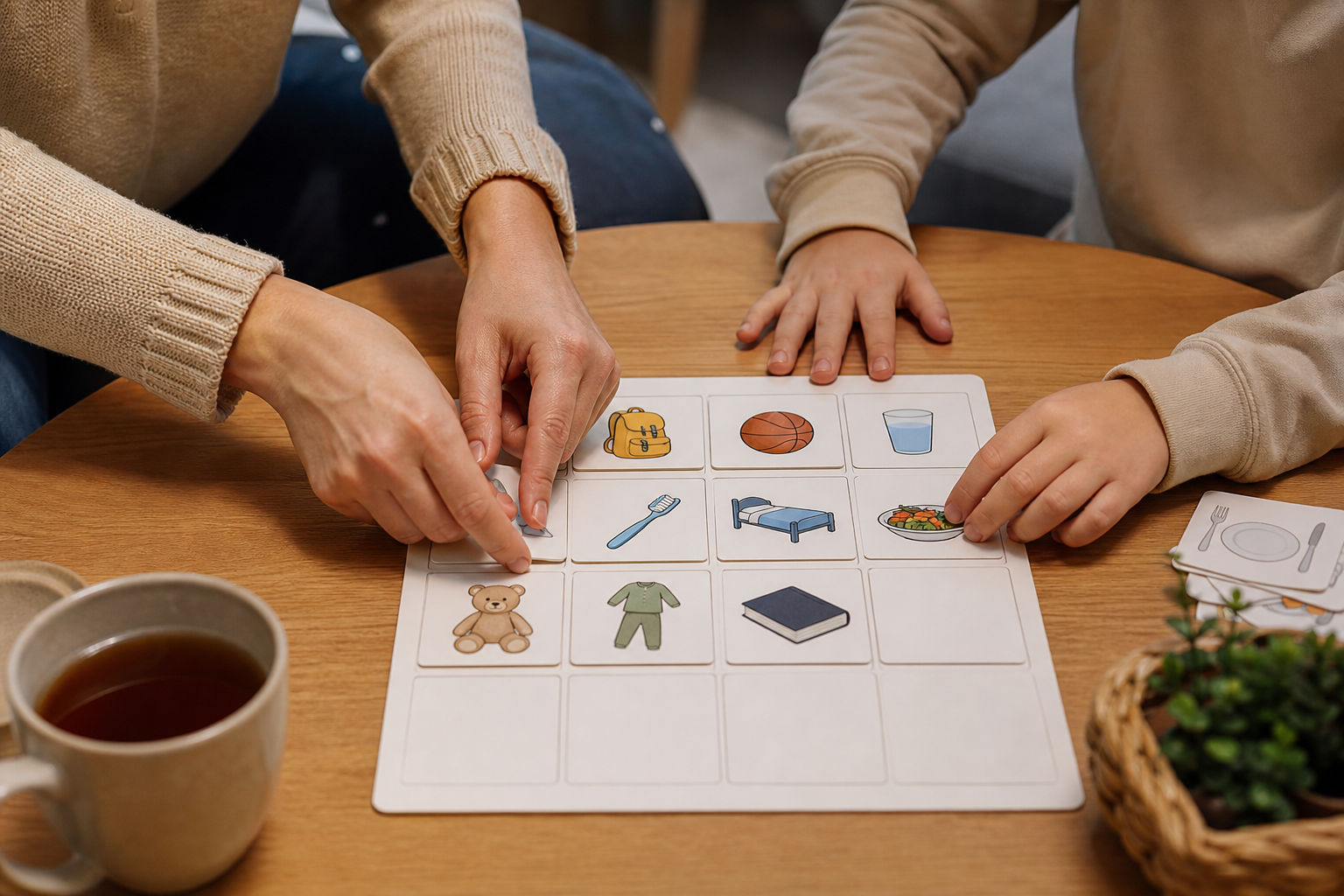
- We stay safe and healthy—no hurting ourselves or other people.
- We look after our things—no destroying property or leaving messes.
- We speak nicely to each other—no yelling, taunting, name-calling, or put-downs.
- We respect and honor each other—no bad manners or poor sportsmanship
Whether they realize it or not, your children need boundaries to feel safe. However, they will test the boundaries—it is a natural part of growing up. As a parent, you must provide consistent and reasonable consequences when your children step over a boundary line. For some children and some offenses, a simple reminder may be enough. For other, more serious offenses or for repeated offenses, you will need more severe consequences, such as removing privileges. It is best to think about consequences ahead of time so you won’t be caught by surprise. Then, apply the consequences consistently every time so your children know you mean what you say.
It is also important that you model appropriate boundaries for your children:

- Respect your children. If you don’t want your children coming into your room without knocking, then knock before you enter their rooms.
- Share your opinions with your children and encourage them to think for themselves and develop their own opinions.
- Take responsibility for your own actions.
- Don’t over-commit yourself. Let your children see you say “no” sometimes.
- Talk about the choices you make and explain why you made them.
- Be assertive when dealing with other people. You can kindly but firmly ask people to be quiet in a movie theater, to use child-friendly language at the playground (no swearing), and to wait their turn in line.
To children, the world can be big and scary. You can help your children feel more in control by providing them with the safety and security of boundaries.
Frequently Asked Questions
Table of Contents
Why do children need boundaries?
The article explains that boundaries help children know what behavior is acceptable and what behavior is not. For younger children, they also provide basic safety, while older children learn how to live, work, and play well with others.
How should parents set age-appropriate boundaries?
Start with reasonable limits that match your child’s age and maturity. The article notes that a toddler, an 8-year-old, and a 16-year-old all need different boundaries, and those boundaries should gradually shift as children grow in responsibility.
Should children help set family boundaries?
Yes, especially older children and adolescents. Parents still guide the final limits, but listening to children’s input and explaining your reasoning helps them practice calm negotiation and understand why the boundary matters.
What makes a boundary easier for children to follow?
Clear, simple boundaries work best. The article recommends a few broad family rules, such as staying safe, caring for belongings, speaking kindly, and respecting one another, instead of creating so many rules that they become hard to enforce.
What should parents do when a child tests a boundary?
Testing limits is a normal part of growing up. The article advises parents to plan reasonable consequences ahead of time and apply them consistently, whether that means a reminder or, for repeated or serious behavior, removing a privilege.
Stacey Schifferdecker is the happy but harried mother of three school-aged children—two boys and a girl. She is also a freelance writer, a Children’s Minister, a PTA volunteer, and a Scout leader. Stacey has a Bachelor’s degree in Communications and French and a Master’s degree in English. She has written extensively about parenting and education as well as business, technology, travel, and hobbies.
No part of this article may be copied or reproduced in any form without the express permission of More4Kids Inc © 2006



Boundaries are essential to psychological health. Children will test boundaries and need a consistent response from adults. When I was a child this sometimes meant physical chastisement and although this method is currently out of favour, I felt cared for and secure enough to learn and develop.