















 I am sure that you care about your son or daughter as much as I do, and that you may from time to time been have been guilty of spoiling them. Unfortunately this practice is not a good way of empowering our kids. We need to help nurture their abilities, not take them away. And of course we do this out of love, but there comes a time when as parents we must learn to never do for their kids what they can do for themselves. The earlier one starts, the easier it will be.
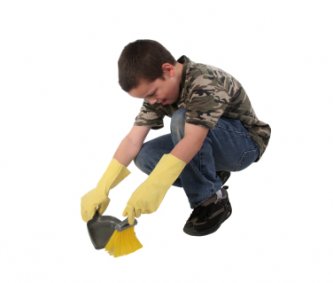
It’s tough at times, I know, but well worth it when you start thinking in terms of the future. For example, you must start instituting little chores around the house and other smaller responsibilities as soon as they are old enough. This well teach them to be respectful of their atmosphere and to start learning that life takes a little “maintenance” each day. Whatever you do don’t start off by just giving your [tag-ice]kids[/tag-ice] chores and expecting them to do it, then it will seem more like a chore! Teach through example, say things like ‘lets put away the cloths’ or ‘lets pick up the toys’. Set a good example, make it fun for them and show them how important chores are. Before you know it they may just start helping out on their own.
As good way to teach about money is giving your kids an allowance for their chores. As they reach the age where they can actually work, then you must learn not to give them money every time they ask. Teach them how to earn for themselves. And if they are still too young for a [tag-tec]part time job[/tag-tec] then allow them to earn money at home from mowing the yard, doing daily chores around the house, or by extra activities on the weekends. When they want a new toy for example, have them help out with some of their allowance, this will help teach them the value of money.
What is the best way to teach children responsibility at home?
Table of Contents
The most effective way is to teach through example rather than just assigning chores. Instead of handing your child a task list, do it alongside them — say “let’s pick up the toys together” and make it a shared activity. Over time, they learn that keeping up the house is just part of daily life, not a punishment. Starting early is key: the younger they are when responsibility becomes normal, the more naturally it sticks.
At what age should children start doing chores?
As soon as they’re old enough to participate in a simple task, they can start — even toddlers can help pick up toys or put items away. The goal at young ages isn’t efficiency; it’s building the habit and the mindset. As they grow, expand their responsibilities to match their abilities. The earlier you start, the less resistance you’ll encounter, because they’ll simply grow up seeing contribution as normal.
Should I give my child an allowance for doing chores?
Tying a small allowance to age-appropriate chores is a great way to teach the connection between work and money. When your child wants a toy or a treat, have them contribute some of their own allowance — it changes the dynamic immediately. As they get older, stop handing out money freely and let them earn it instead. This builds not just responsibility, but an early understanding of the value of effort.


Add Comment