
















by Stacey Schifferdecker
 Positive peer pressure? How can peer pressure be positive? After all, it is peer pressure that often lures our children and teenagers into skipping classes, experimenting with drugs and alcohol, and becoming sexually active. True, but peer pressure can also encourage your kids to strive for better grades, try a new positive activity such as a sport or drama club, and say no to dangerous activities.
Positive versus negative peer pressure
You have probably used the power of positive peer pressure with your children many times in their lives without realizing it. I remember a lunch play date when my children were toddlers and one of them did not want to eat his banana. Positive peer pressure won the day: when I pointed out his friend enjoying a banana, my son began to chow down too.
Peer pressure is when your child or teen tries something because “everyone else is doing it.” The difference between positive and negative peer pressure is the situation and the outcome. Peer pressure is POSITIVE when it encourages kids to
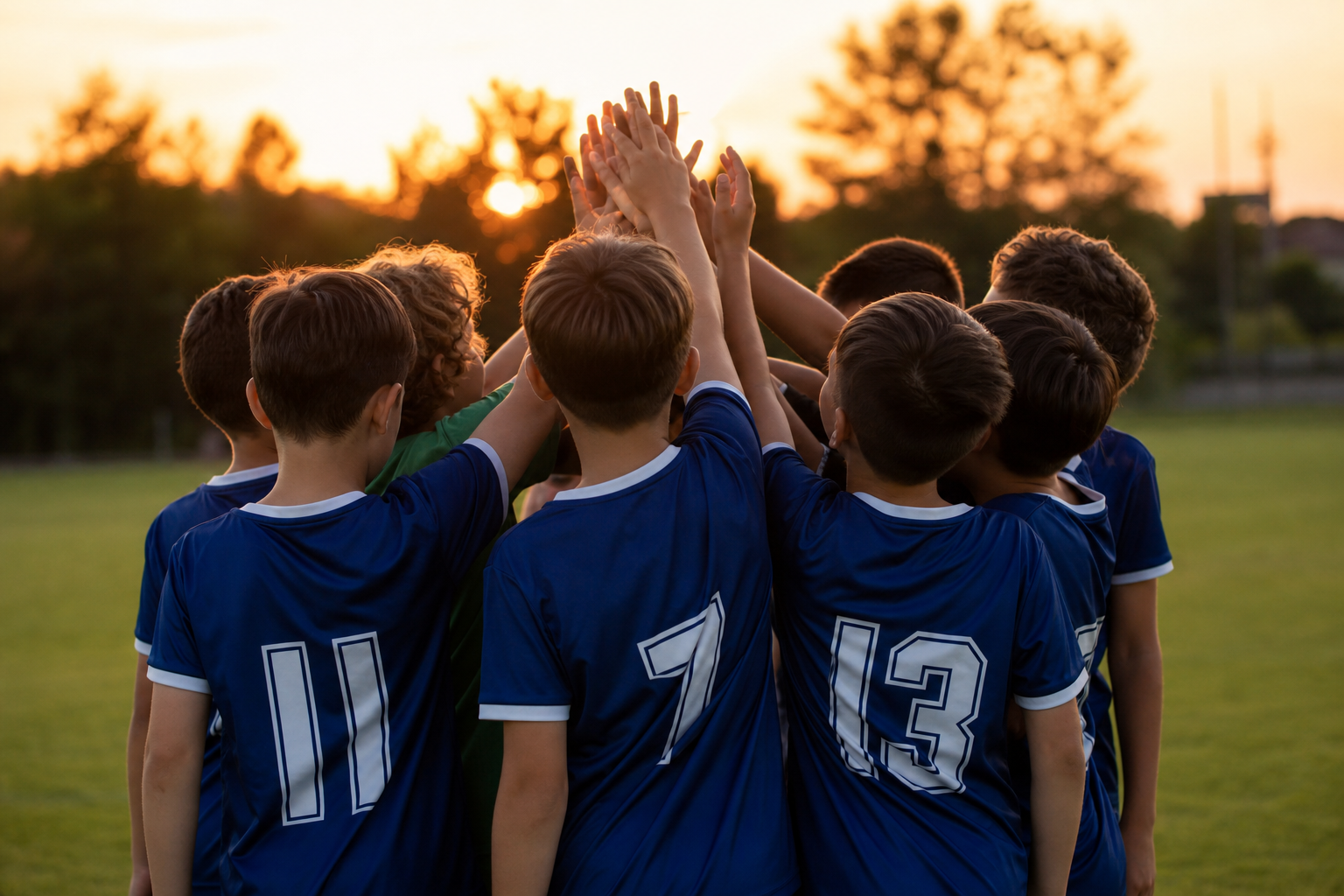
- Develop healthy values and positive attitudes and habits
- Respect others
- Try new positive activities in a safe environment
- Work hard
Negative peer pressure, on the other hand, encourages kids to miss school, develop bad habits and attitudes, get into trouble, and bully or alienate other kids.
Using positive peer pressure
A key element of harnessing the power of positive peer pressure is to encourage your child to choose friends who are supportive and will be a positive influence. Talk to your children about what makes someone a good friend. Reinforce that a friend never tries to force you to do something you don’t want to do and stands up for you if someone else tries you to force you to do something.
It is also important that you don’t overuse positive peer pressure. It may be all right to encourage your child to, for example, try out for the tennis team because his friends are also trying out. But while peer pressure can be a positive force in your child’s life, one of your ultimate parenting goals should be for your children to develop independent thinking skills. While you want your children to have friends and be socially capable, you also want them to make decisions for themselves. Friends trying out for the tennis team should only be one reason your child should try out — other good reasons might be that he or she
- Enjoys playing tennis
- Has time for another extracurricular activity
- Wants to get more exercise
By teaching your children to be independent and to think decisions through on their own, you will equip them to deal with all kinds of peer pressure.
Stacey Schifferdecker is the happy but harried mother of three school-aged children—two boys and a girl. She is also a freelance writer, a Children’s Minister, a PTA volunteer, and a Scout leader. Stacey has a Bachelor’s degree in Communications and French and a Master’s degree in English. She has written extensively about parenting and education as well as business, technology, travel, and hobbies.
No part of this article may be copied or reproduced in any form without the express permission of More4Kids Inc © 2008 All Rights Reserved
What is positive peer pressure?
Table of Contents
We usually think of peer pressure as a bad thing, but it can work in your child’s favor too. Positive peer pressure is when friends encourage your child toward good things, like striving for better grades, trying a new sport or drama club, or saying no to dangerous activities. It can nudge kids to develop healthy values and attitudes, respect others, try new positive activities in a safe setting, and work hard.
What is the difference between positive and negative peer pressure?
Both come from the same pull of ‘everyone else is doing it.’ The difference is the situation and the outcome. Peer pressure is positive when it encourages kids to build good values, respect others, try healthy new activities, and work hard. It’s negative when it pushes them to skip school, pick up bad habits, get into trouble, or bully and leave out other kids. Knowing the difference helps you steer your child toward the good kind.
How can I encourage positive peer pressure for my child?
A key step is helping your child choose friends who are supportive and a good influence. Talk together about what makes someone a good friend, and reinforce that a real friend never forces you to do something you don’t want to do, and stands up for you if someone else tries to. Surrounding your child with that kind of friendship lets positive peer pressure do its quiet, helpful work.
Can positive peer pressure be overused?
Yes, and it’s worth being mindful of. It might be fine to encourage your child to try out for the tennis team because friends are trying out, but one of your bigger goals is helping them develop independent thinking. So friends doing it should be just one reason among others, like genuinely enjoying tennis, having time for another activity, or wanting more exercise. Teaching kids to think decisions through on their own equips them to handle every kind of peer pressure.




Good morning:
Thanks for contributing this post to this week’s Carnival of Family life, hosted at Health Plans Plus!
Great post on a largely overlooked subject.
Be sure to stop by the Carnival tomorrow and check out the other wonderful entries!
JHS
Colloquium
Just realized – we keep telling our kids to ‘do what johnny’s doing”, “all your friends like it, go ‘there’, do ‘that’. Then, when they are teenages, we tell them ‘we don’t care what your friends say, do, eat, etc., just do what we tell you.
No wonder they’re confused.