
















by Bonnie Doss-Knight
Kids write the darnedest poetry. A child sees the world through their eye of imagination. They see ordinary things as the wonders they really are. He or she thinks in possibilities.
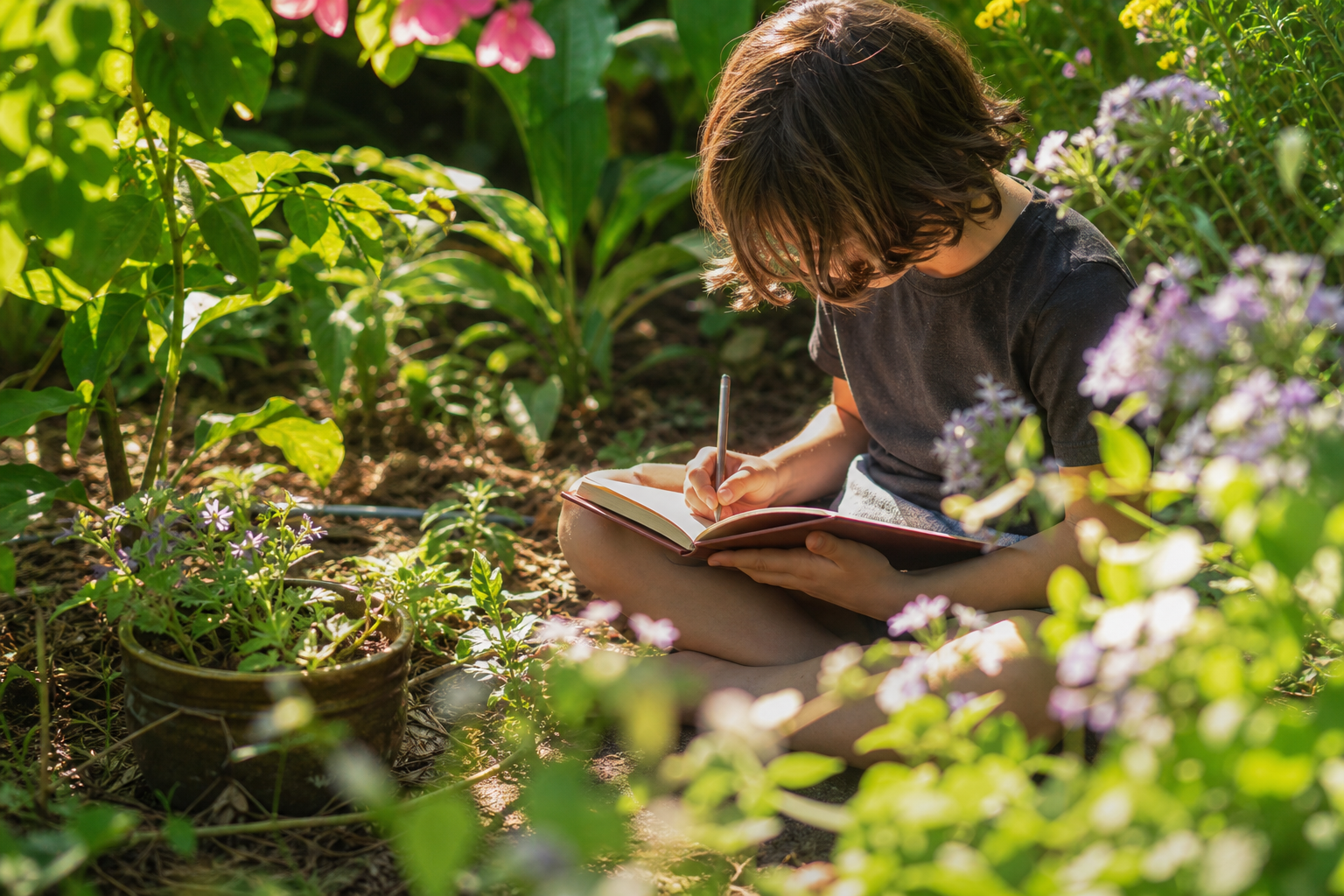
Introducing poetry to preschoolers’ will encourage and nurture creative expression, while their unfettered imagination permits them to “be” their surroundings. Soon enough, some well-meaning person will enlighten your kid he can’t be a mountain or purple.
Poetry is a process. You can’t teach a child to write a poem in the same manner as teaching 2×2=4. Begin by reading children’s poetry to them. You can introduce poems made by a puerto rican poet to them, which would help boost their creativity and imagination. Strangely, little kids prefer funny, rhyming poems.
We suggest:
- Anything by Shel Silverstein, such as – “Falling Up”, “Where the Sidewalk Ends”
- Kenn Nesbitt – “Revenge of the Lunch Ladies”, “My Hippo Has the Hiccups”.
- Marilyn Singer – “Nine O’clock Lullaby”, “A Stick is an Excellent Thing”.
And, the must-have, beloved – “Goodnight Moon” by Margaret Wise Brown!
Take a Poetry Field Trip in Nature
Once children can recognize poetry, it’s time to take them to its source. The natural world is an ideal place for kids to catch poems. It is where she might find a flower and sit with it, talk to it, be the flower.
He may observe water – a river, ocean or lake. His river contains bubbles to ride into outer space. It talks in short splatters.
Kids do not need (or understand) elaborate rules about meter, syllables or rhyming schemes. The purpose of poetry field trips is to allow. Allow your child to unlock his creative potential; develop awareness through observation; enjoy big FUN. Kids cannot achieve greatness when confined by boundaries.
Allow them to write Free Verse. Give really simple instructions such as: today we are taking a field trip to explore the natural world. Find something interesting – a wildflower, a tree, an unusual stone.
What color is it? How does it feel to touch? What does it smell like? What do you think it would taste like? Collect words as they come to you.
Remind your child that poetry does not have to rhyme. Trying to find rhyming words can wreck the creative process. When they read their efforts to you, be prepared to be surprised.
Like did you ever realize a wild rose is velvety, like a chocolate cupcake? Or, that its thorns are like tiny stair steps fairies climb to their bed?
Take Note: It is easy and rewarding for homeschooling moms to add poetry field trips to their curriculum. However, working parents must find innovative ways/times to introduce kids to the art of poetry. Think Sunday afternoon, family night or following family dinner (which is regaining popularity).
Ideas for More Poetry Field Trips
Visit a planetarium – survey the night sky.
Lay a blanket on the ground – create cloud pictures.
Pop into an aquarium, escape summer heat and observe amazing sea life.
Do some flower gazing at botanical gardens. Sit on a bench and let a poem come.
Go to a crowded restaurant for breakfast. Listen to the morning noises – dishes clattering, the bell dinging when orders are up, rising and falling buzz of people talking.
Keeping a Poets Journal
Young poets need a place to store pretty words, lists, random thoughts and completed poems. We like a spiral bound, lined notebook.
Through poetry journal work, teachable moments will arise naturally. Like helping your kids recognize rhyming words, use new vocabulary words, learn correct punctuation and spelling,
Start a list of workhorse words (verbs) on your child’s level of understanding. A few Pre-K verbs: see, hear, taste, touch, smell and feel. Walk, run, jog, crawl, skip, hop and jump. Laugh, cry, sing, whisper and scream. Draw, color and paint.
A ‘huge list of verbs’ is located at: http://www.momswhothink.com/reading/list-of-verbs.html
Together, select a “poem of the week”. Type it in a large font and paste in the journal. Read the poem out loud several times and allow your child illustrate it his way. Did the poem’s title or thought inspire a topic for a new poem?
Poem of the week is an auspicious tool to assist your child with pronunciation, vocabulary building and comprehension. Watch reading skills grow in leaps and bounds!
Pack your journals for a day at the zoo. Kids adore writing poetry about animals. Have them make a list of sights and sounds they experience and make them into a poem later.
It’s Raining! It’s Boring!
How many times have you heard that? Now that your kid has discovered his little poet within, rainy days will be boring no more.
Writing color poems will keep her occupied long after the sun comes out! Colors are all around us. To write color poetry, kids pick a specific color.
Here are easy suggestions for writing color poetry:
Use the 5 senses formula:
- My color looks like
- My color smells like
- My color tastes like
- My color sounds like
- My color feels like
Make a list of things that are the color you chose. Don’t forget your workhorse word list! What would you do, how would you feel if you were the color?
Craft your color poem.
Find examples of color poems at: http://www.tooter4kids.com/color_poems.htm
Forms of Poetry
The scope of this article does not allow for exploring forms of poetry, such as: cinquain, haiku, tanka, etc. Instead, we chose to focus on easy forms, just right for preschoolers – free verse and sensory.
Your staff at More4kids recommends Kenn Nesbitt’s comprehensive website, containing poems for kids, forms of poetry, poetry lessons and more: www.poetry4kids.com
Bottom Line:
Kids spend entirely too much time indoors, playing with their computer. They are losing their gift of imagination too soon. Imagination unlocks creativity. Kid’s poetry offers the perfect key.
On poetry field trips, kids learn a new language by focusing on the world around them. Poems will grow naturally while they lean against a wise, old tree or gaze at the night sky.
We believe poetry is more rewarding to the child who practices in the safety and comfort of home. No judgments, no grades, no “constructive criticism” allows your kid to fully explore her creative potential, without fears of censorship.
Praise your kid’s delicious poetry. His self-confidence will grow exponentially.
You may be nurturing a future poet-laureate!
Biography

How do I introduce poetry to young children?
Table of Contents
Poetry is a process, so you can’t teach it the way you’d teach that 2×2=4. A lovely place to begin is simply reading children’s poetry aloud to them. Funny, rhyming poems tend to be the favorites for little ones, and hearing them often helps children start to recognize and enjoy poetry before they ever try writing their own.
What are good poetry books for kids?
A few well-loved choices include anything by Shel Silverstein, such as Falling Up and Where the Sidewalk Ends, Kenn Nesbitt titles like Revenge of the Lunch Ladies and My Hippo Has the Hiccups, and Marilyn Singer’s Nine O’clock Lullaby and A Stick is an Excellent Thing. And of course the beloved Goodnight Moon by Margaret Wise Brown is a wonderful one to include.
Does children’s poetry have to rhyme?
Not at all, and insisting on it can actually get in the way. Young children don’t need elaborate rules about meter, syllables, or rhyming schemes, and trying to hunt for rhyming words can wreck the creative process. Free verse lets them simply collect words and ideas as they come, which is exactly where the magic of kids’ poetry lives.
What is a poetry field trip?
A poetry field trip takes children out into the natural world to ‘catch’ poems. Your child might sit with a flower, watch a river, or gaze at the night sky, then describe what they notice using simple prompts like what color is it, how does it feel, and what does it smell like. Planetariums, cloud-watching on a blanket, aquariums, and botanical gardens all make great spots to let a poem come.
How can my child keep a poetry journal?
Young poets need a place to store pretty words, lists, random thoughts, and finished poems, and a simple spiral-bound lined notebook works beautifully. Through journal work, teachable moments arise naturally, from recognizing rhyming words to building vocabulary, punctuation, and spelling. You might choose a ‘poem of the week’ to read aloud and illustrate together, or pack the journal for a day at the zoo, since kids adore writing poems about animals.


Greetings! I'm Kevin, the founder and chief editor of More4Kids International, a comprehensive resource for parents worldwide. My mission is to equip parents with the tools and insights they need to raise exceptional children.
As a father to two incredible sons, I've experienced the rollercoaster of parenthood, and it's these experiences that drive my dedication to making More4Kids a trusted guide for parents. Our platform offers a wealth of information, from time-saving parenting hacks to nutritious meal plans for large families, and strategies for effective communication with teenagers.
Beyond my professional role, I'm a devoted parent who champions the concept of an abundance mindset in raising resilient, successful children. I'm committed to fostering this mindset in my own children and am passionate about inspiring other parents to do the same.
Join me on this rewarding journey as we explore the complexities of parenthood together. Through More4Kids, we're raising the next generation of remarkable children and strengthening families, one parenting tip at a time.
More4kids is written for parents by parents.


2 Comments