












What is RSV? RSV or respiratory syncytial virus causes respiratory infections among infants and small children. Is your newborn at risk for RSV?
Most likely to occur during the winter months, RSV is characterized by cough and cold like symptoms. However, an infant who is exposed to anyone who has a cold can develop a severe infection in their lower respiratory tract. Because newborns are susceptible in the first few weeks of their being born, developing RSV can result in their having to be hospitalized.
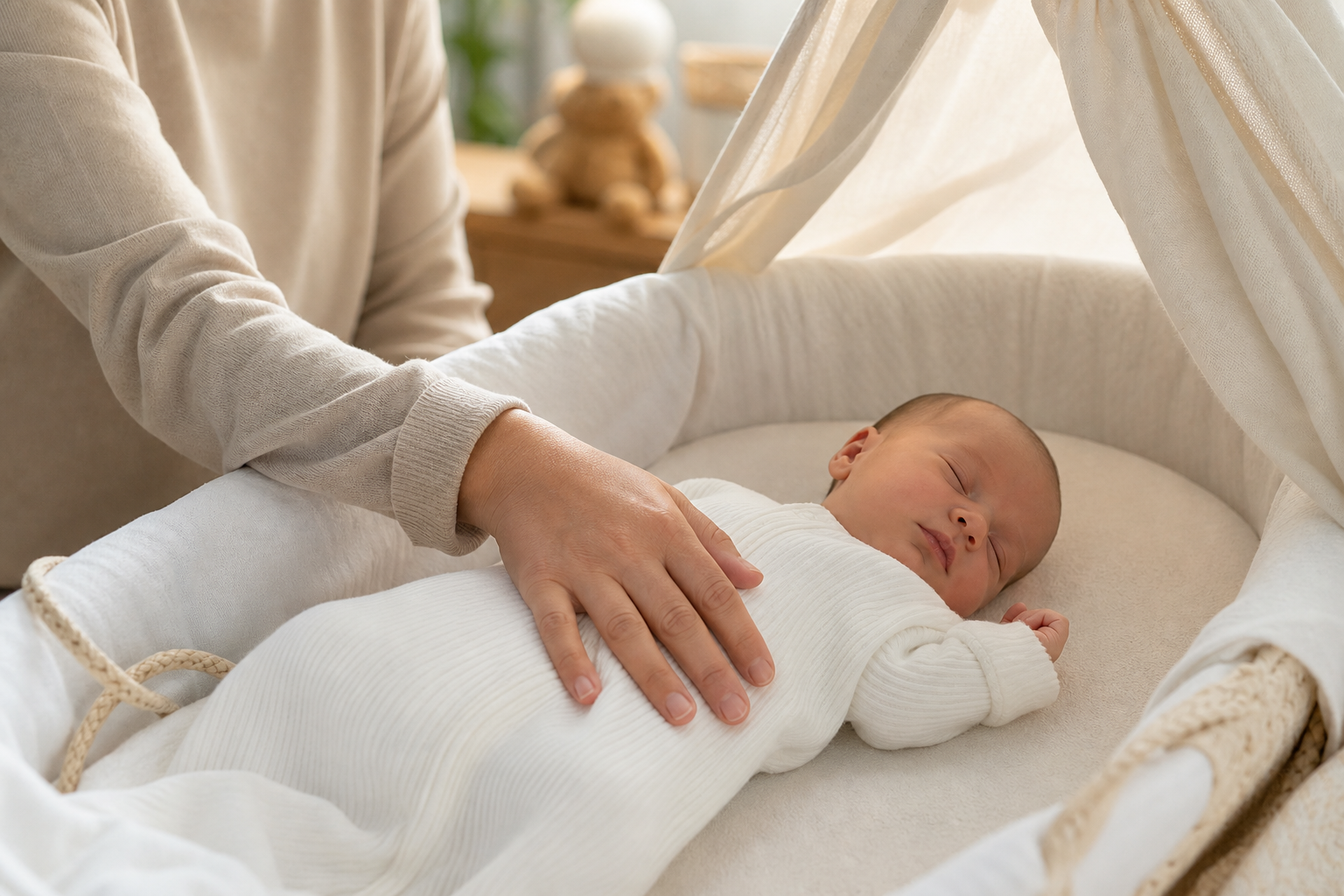
If you notice your baby is having problems breathing; appears to be less active and listless; is not too interested in eating; take the baby to your doctor as soon as possible. Your pediatrician will prescribe medication immediately. If your doctor feels that your baby merely has a stuffy nose or cough, treatment may not be required as the [tag-tec]RSV[/tag-tec] is not severe.
In order to ensure your baby does not become infected with RSV, keep the baby away from anyone who has a cold. Since RSV affects adults as well, it is advisable to ensure that anyone who comes in contact with your baby has clean hands and, if necessary, wears a face mask to avoid transmitting any kind of infection to your baby.
Keep in mind, too, that once RSV has cleared up, it is unlikely any damage to the lungs has occurred. During the winter months, keep your child at home. Use preventative measures to ensure anyone with a cold or virus does not come in contact with your baby. While all [tag-ice]newborns[/tag-ice] are at risk for different types of infections, in addition to RSV, the rule of thumb is to wait until the baby is a few months old before venturing out.
As a mom, you may have other children attending school. Try not to take your [tag-cat]baby[/tag-cat] to a school or any other public place where germs and other factors can be a contributory factor. Keep your home relatively free of germs. As always, if any symptoms begin to appear or you have any concerns, don’t hesitate to call your doctor.
What is RSV and why is it dangerous for newborns?
RSV, or respiratory syncytial virus, causes respiratory infections in infants and small children. In newborns it can lead to a severe infection in the lower respiratory tract, sometimes requiring hospitalization. Newborns are especially susceptible in their first few weeks of life, making prevention and early recognition particularly important.
What are the warning signs that my baby may have RSV?
Watch for a persistent cough and cold-like symptoms, along with more serious signs including breathing problems, unusual listlessness or inactivity, and a significant drop in interest in feeding. If you notice any of these, take your baby to the doctor as soon as possible — your pediatrician will examine the baby and prescribe medication if needed.
When is RSV most common and how can I reduce my baby’s risk?
RSV is most likely to occur during the winter months. To reduce your newborn’s risk, keep the baby away from anyone with a cold, require clean hands from all visitors, and consider having anyone with symptoms wear a mask. Limit trips to public places like schools and try to wait until the baby is a few months old before venturing out regularly.
Will RSV cause lasting damage to my baby’s lungs?
Once RSV has cleared up, it is unlikely that any lasting damage to the lungs has occurred. The virus is serious in the short term for very young babies, but most recover fully. If symptoms appear or you have any concerns, do not hesitate to call your doctor.

Maya Bennett
Latest posts by Maya Bennett (see all)
About the author

Maya Bennett
Meet Maya Bennett Maya Bennett is a pregnancy and parenting writer and a mom of two. After navigating two very different pregnancies of her own — and years spent reading, researching, and trading stories with other expectant parents — she fell in love with helping families feel ready for what's ahead. At More4Kids, Maya turns the big questions and quiet worries of pregnancy into warm, practical guidance, from the first positive test through the tender early days with a newborn. She believes every parent-to-be deserves clear answers and a little reassurance along the way.




Add Comment