










Figure out about how many diapers you use in a week and times it by 52. Next time you go to buy diapers, look at how much they cost. You’ll find that it’s a lot of diapers, translating to a lot of money. The average parent spends two to three thousand dollars diapering their child up to age three. Now go look at the cost of cloth diapers. Sure, they’re a little more expensive, but you don’t have to buy them every week at the grocery store. Cloth diapers have the added expense of doing extra laundry every week, but it still doesn’t compare to the cost of disposable diapers.
Now, go back to the number of diapers you calculated earlier and times that by how many other people in the world use disposable diapers every year. Pretty big number isn’t it? In the U.S. alone, 18 billion diapers are thrown into landfills every year. Not only do they take up tons of space, they don’t biodegrade. Plus, they’re just sitting there full of hazardous waste. Urine and feces can contain harmful bacteria; which can work their way into the environment and even your water supply. Sure, animals go to the bathroom in the wild, but all the animals in an area don’t go in one place like used diapers.
When I was a baby, my mom used cloth [tag-tec]diapers[/tag-tec]. Not because they were cheaper or environmentally friendly, but because whenever she used disposables I’d break out in a horrible rash. If you switch to cloth diapers, you may find that some of your child’s diaper rash is actually caused by the irritation from plastic diapers. Even if your kids aren’t allergic, diapers contain toxic chemicals including [tag-ice]Dioxin[/tag-ice], which can cause cancer, birth defects, liver damage, skin diseases, and genetic disorders. And you know those absorbent crystals you see when you rip open up a diaper? Those are the same chemicals removed from tampons because they were linked with toxic shock syndrome in women. Sure, the chances these chemicals might harm your child is low, but why risk it?
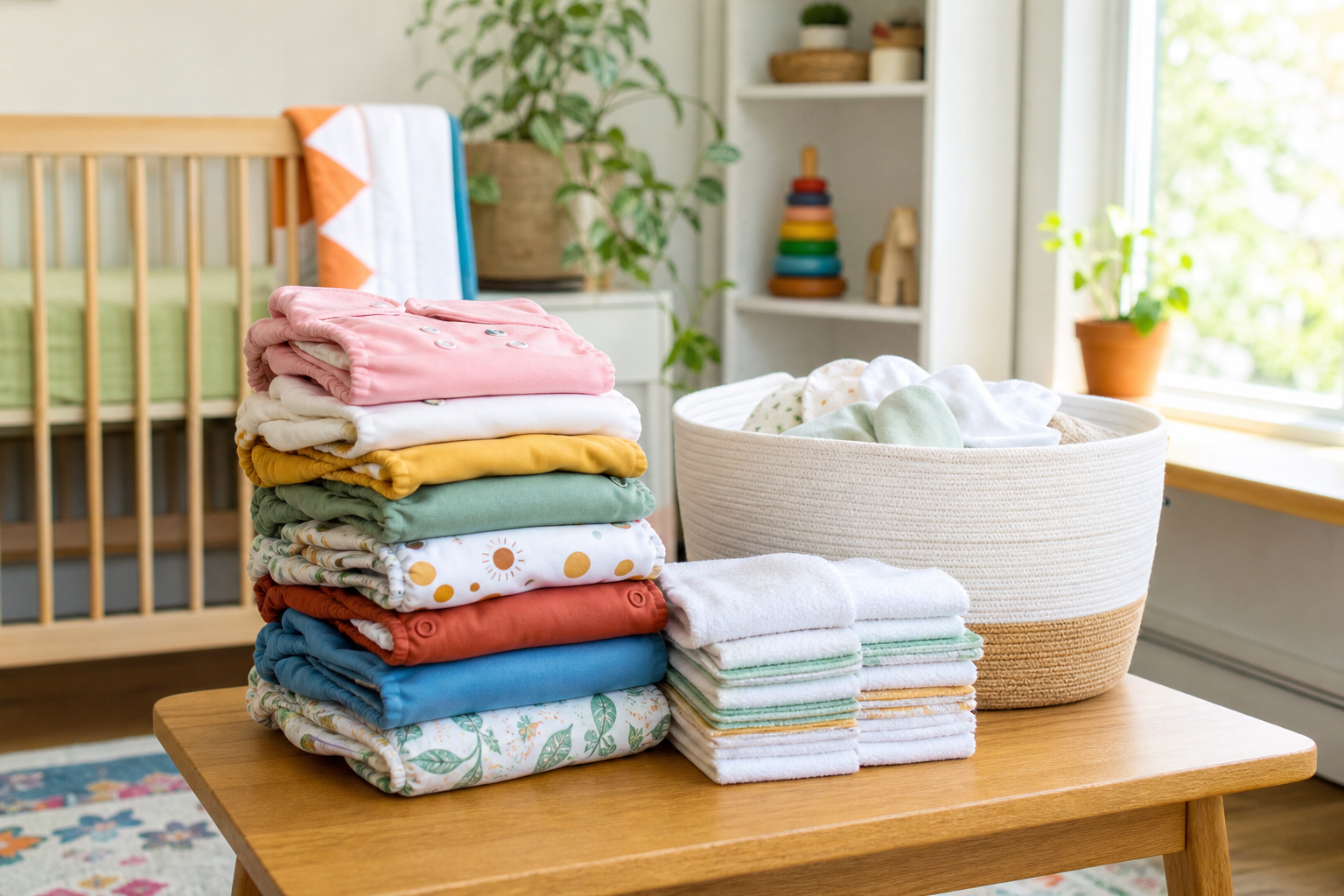
Most moms choose disposables for their [tag-self]babies[/tag-self] because they think cloth diapers are annoying and inconvenient. What they don’t realize is that cloth diapers have changed since we were kids. Diaper pins have been replaced with convenient snappies and Velcro-like materials (Velcro itself isn’t flexible enough). You can also get fitted diapers to help keep out leaks. If you don’t like those annoying plastic covers, you can get wool ones; these are especially fun because you can find them in great colors and pattern. Wool is also more comfortable than plastic covers, but works just as well. If you just like the convenience of disposable diapers, there are now all in one cloth diapers that require no folding, no liners, and can just be thrown straight in the wash.
So, why not save the environment, save some cash, and help your kids stay healthy by using good old, dependable cloth diapers.
Are cloth diapers really cheaper than disposable diapers?
Yes. The average parent spends two to three thousand dollars on disposable diapers from birth to age three. Cloth diapers have a higher upfront cost, but you do not buy them every week, and even with the added cost of doing extra laundry they are significantly cheaper over time.
Are cloth diapers better for my baby’s skin?
They can be. Some babies experience diaper rash that is actually caused by irritation from plastic disposables. Disposable diapers also contain chemicals including Dioxin, which has been linked to serious health concerns, and the same type of absorbent crystals that were removed from tampons due to links with toxic shock syndrome. Cloth diapers avoid these chemical concerns altogether.
Are modern cloth diapers difficult to use?
Modern cloth diapers are much easier than the folded cloth and diaper pins of previous generations. Today you can get diapers with snappies or velcro-style fasteners, fitted styles to prevent leaks, wool covers in fun colors and patterns, and all-in-one designs that require no folding and go straight into the washing machine.
Are disposable diapers really that bad for the environment?
In the U.S. alone, 18 billion disposable diapers are thrown into landfills every year. They do not biodegrade, and they sit in landfills full of hazardous waste — urine and feces contain bacteria that can work their way into the environment and water supply. Switching to cloth diapers eliminates that ongoing contribution to landfill waste.

Maya Bennett
Latest posts by Maya Bennett (see all)
About the author

Maya Bennett
Meet Maya Bennett Maya Bennett is a pregnancy and parenting writer and a mom of two. After navigating two very different pregnancies of her own — and years spent reading, researching, and trading stories with other expectant parents — she fell in love with helping families feel ready for what's ahead. At More4Kids, Maya turns the big questions and quiet worries of pregnancy into warm, practical guidance, from the first positive test through the tender early days with a newborn. She believes every parent-to-be deserves clear answers and a little reassurance along the way.




Add Comment