











Our mothers did not have the choice they have today when choosing cloth [tag-ice]diapers[/tag-ice]. It involved folding, pins, plastic covers, and a lot of frustration. Many of us have simply switched to disposable diapers because they’re more convenient. Well, most cloth diapers today are not only convenient, they’re also more attractive and sometimes work better than disposable. The key to using and sticking with cloth diapers is choosing the one that works best for you. Here are some of the cloth diaper options on the market.
* All-in-Ones. These are basically cloth versions of [tag-tec]disposable diapers[/tag-tec]. They come in once piece and require no inserts or outer coverings; they’re already built in. You can also get wool versions of these that have a softer cover layer. These diapers are great for busy parents, but you may have cleaning problems because you have to wash them as one piece.
* All-in-Twos. These are just like all-in-ones except the absorbent layer is an extra piece that fits in the diaper. They are almost as convenient, but they’re more hygienic because it’s easier to clean the inserts.
* Fitted Diapers. These look a lot like plastic diapers because they are fitted at the edges to prevent leaks. Unlike all in ones, they do require a diaper cover. You can also get contour diapers that are shaped to fit the baby, but not elasticized to fit tight.
* Flat and Prefold Diapers. These are basically old fashioned diapers. Many have been made more convenient using snaps instead of pins, but they still require folding and aren’t fitted. Prefold diapers provide extra layers of fabric for better absorption. While these may seem archaic, they’re the cheapest option for cloth diapering.
* Pocket Diapers. These diapers are similar to two-in-ones because you can add your own inserts, but instead of sitting in the diaper, the inserts are put into a special pocket. This is great if you need varying levels of protections and absorbency. Another great feature is that you can use almost any naturally absorbent material to put in the pocket, including old flat and prefold diapers.
* One-size Diapers. While most diapers need to be replaced as your child grows, one-size are exactly as they sound: one size fits all. This means you can not only use the same diapers from infancy up, but you can also use the same diapers for your older and younger kids and avoid tedious diaper sorting.
You may think that choosing a diaper type is a big enough decision for you to make, but there are other variables you must consider.
* Diaper Liners. This is what keeps excrement from getting into the main fabric of the diaper. These can be fabric, which you wash, or paper, which you can throw away or flush down the toilet.
* Diaper Covers. It used to be you have to cover cloth diapers in annoying plastic. Now there are new materials being used including wool. Wool offers the added benefit of being warm. You can also get wool covers in pant form for a great looking, easy outfit.
* Organics. You now have the option of getting your diaper, liners, soakers, and everything else, made from organic materials. They’re better for the environment and for your baby.
While sifting through the many diapering options can be overwhelming, it’s better to take the time. This way you can find cheap, environmentally friendly diapers that fit into your life and make for a happier [tag-cat]baby[/tag-cat].
What are the main advantages of cloth diapers?
Cloth diapers are free of the chemicals found in many disposables, which can help reduce diaper rash. They can save around $1,000 over the diapering years, tend to be cooler and more comfortable for babies, and children who use cloth often complete potty training up to six months earlier — because cloth does not mask wetness the way disposables do.
What types of cloth diapers are available today?
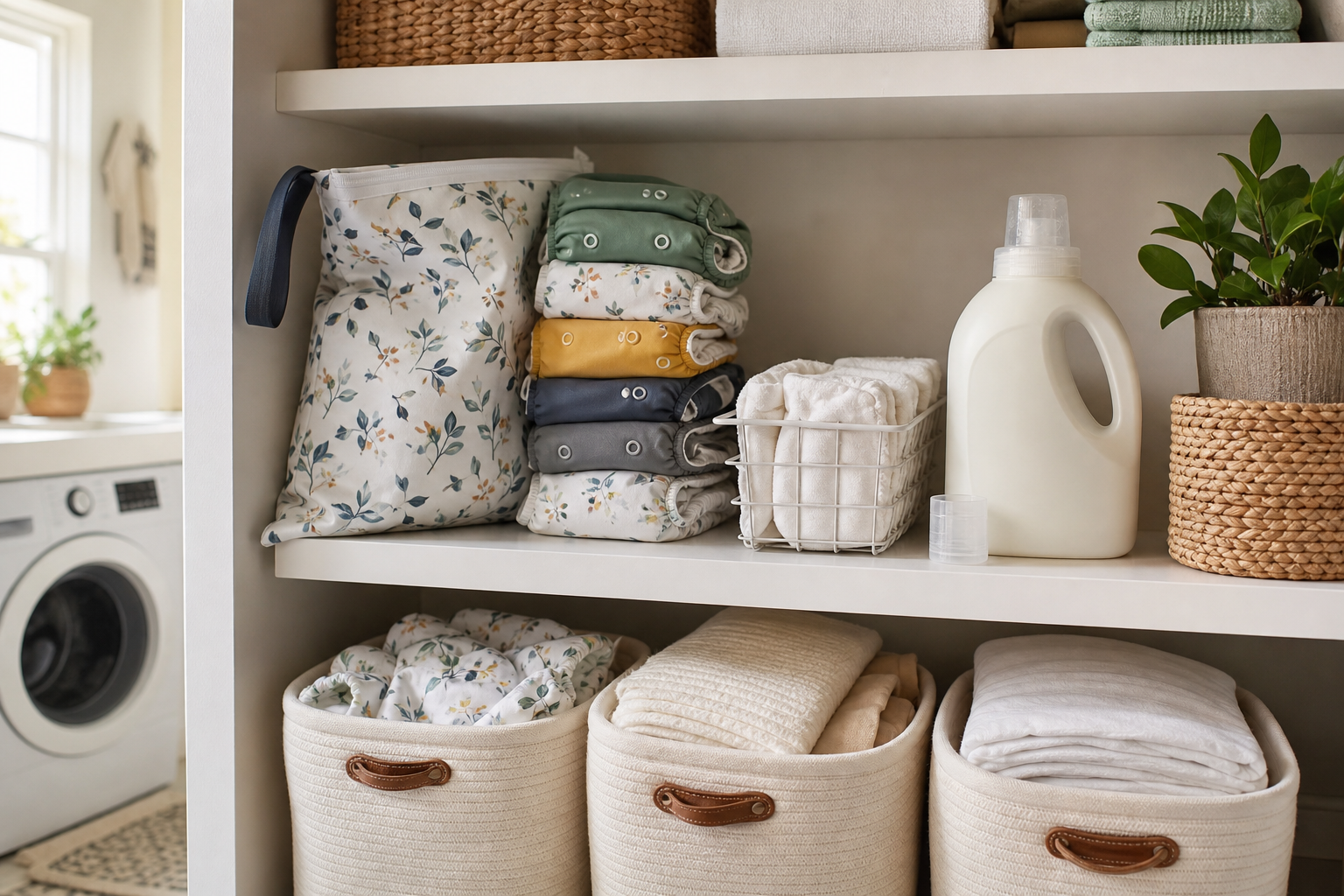
The main options are: all-in-ones (the closest thing to a disposable — one piece, no inserts needed), all-in-twos (same but with a removable absorbent layer for easier washing), fitted diapers (elasticized edges, require a cover), flat and prefold diapers (most affordable, still require folding), pocket diapers (a cover with a pocket for custom inserts), and one-size diapers (adjustable from infancy through toddlerhood so you avoid buying multiple sizes).
Do I need extra accessories when using cloth diapers?
Most setups also need diaper liners to catch solid waste — available in washable fabric or disposable paper — and diaper covers to prevent leaks. Wool covers are a warm, natural option and now come in pant form for a simple, finished look. Organic versions of diapers, liners, and covers are widely available if that matters to your family.
Are cloth diapers really practical for busy parents?
Modern cloth diapers are far more convenient than the pins-and-plastic-covers setups parents used in the past. All-in-ones and pocket diapers in particular snap or velcro shut like a disposable. The key is choosing the style that fits your lifestyle — once you find what works, most parents find the routine straightforward to maintain.

Maya Bennett
Latest posts by Maya Bennett (see all)
About the author

Maya Bennett
Meet Maya Bennett Maya Bennett is a pregnancy and parenting writer and a mom of two. After navigating two very different pregnancies of her own — and years spent reading, researching, and trading stories with other expectant parents — she fell in love with helping families feel ready for what's ahead. At More4Kids, Maya turns the big questions and quiet worries of pregnancy into warm, practical guidance, from the first positive test through the tender early days with a newborn. She believes every parent-to-be deserves clear answers and a little reassurance along the way.




Add Comment