






Speech Development: Birth to Three Months
Communication is more than just talking. It also includes the ability to hear and understand the things that are being said. From the time that a child is born to three months of age, there are many baby language milestones that are experienced. It is quite common for a baby to make noises that display that they are experiencing pleasure. The sounds may include “cooing”, for example. In addition to this, the child will cry when they need their needs met. Many children will learn to recognize the voices of those around them during this early stage of life. In some cases, smiling is even observed on a child. When the baby hears noises, they may suck their pacifiers or bottles more quickly or more slowly. In addition to this, they may even become startled at certain noises. Four to Six Months of Age When a baby reaches four to six months of age, you will notice that they start to move their eyes when they hear a sound. They will actually make an attempt to look toward the sound. You may also hear them make sounds as if they are babbling. Many parents notice that their children will respond to changes that occur with the voice – such as tone changes. When a child this age experiences emotions such as pleasure, and even annoyance, they will begin to verbally express it. When music is played or when the television is on, many babies will respond to the sounds. It is at this stage of life that many children will pay attention to noises that are emitted from the toys that they play with. Seven Months to One Year of Age When a baby reaches the age of seven months to one year of age, they will start to engage in games of communication such as “Peek-A-Boo”. The babbling sounds that they make will start to sound more like clusters of letters put together rather than just individual letter sounds. Many children will actually make an attempt to talk at this point in their lives. They may say simple words like “Da Da” and maybe even a phrase like “Bye Bye”. Children will typically start to associate words with objects such as “Cup”, “Toy” , and so on. In addition to this, it is also common for children to respond to the requests that are made of them. You may be able to say “Bring me your cup” and they will do so successfully. One to Two Years of Age At one to two years of age, a child will begin to point to objects that they are familiar with. They may even point to objects in an inquisitive manner. Babies are this age will also start to ask questions. When asked about the different areas on their body, they are able to point to them. Many will follow commands that are simple in nature. In addition to this, they are usually able to put more than one word together. At this stage in life, children will also listen to stories, rhymes, and even songs. In Summary As mentioned before, this is simply an estimation of baby language milestones. While many children may be right on target and possibly even ahead of the game, there are many children that will appear to reach these milestones much after the targeted age frame. It is important to understand that this is typically normal. However, if you feel that your child is not experiencing the baby language milestones as appropriate, it is important to discuss your concerns with a pediatrician. They will be able to arrange for special testing to determine if there are speech, auditory, and/or developmental delays.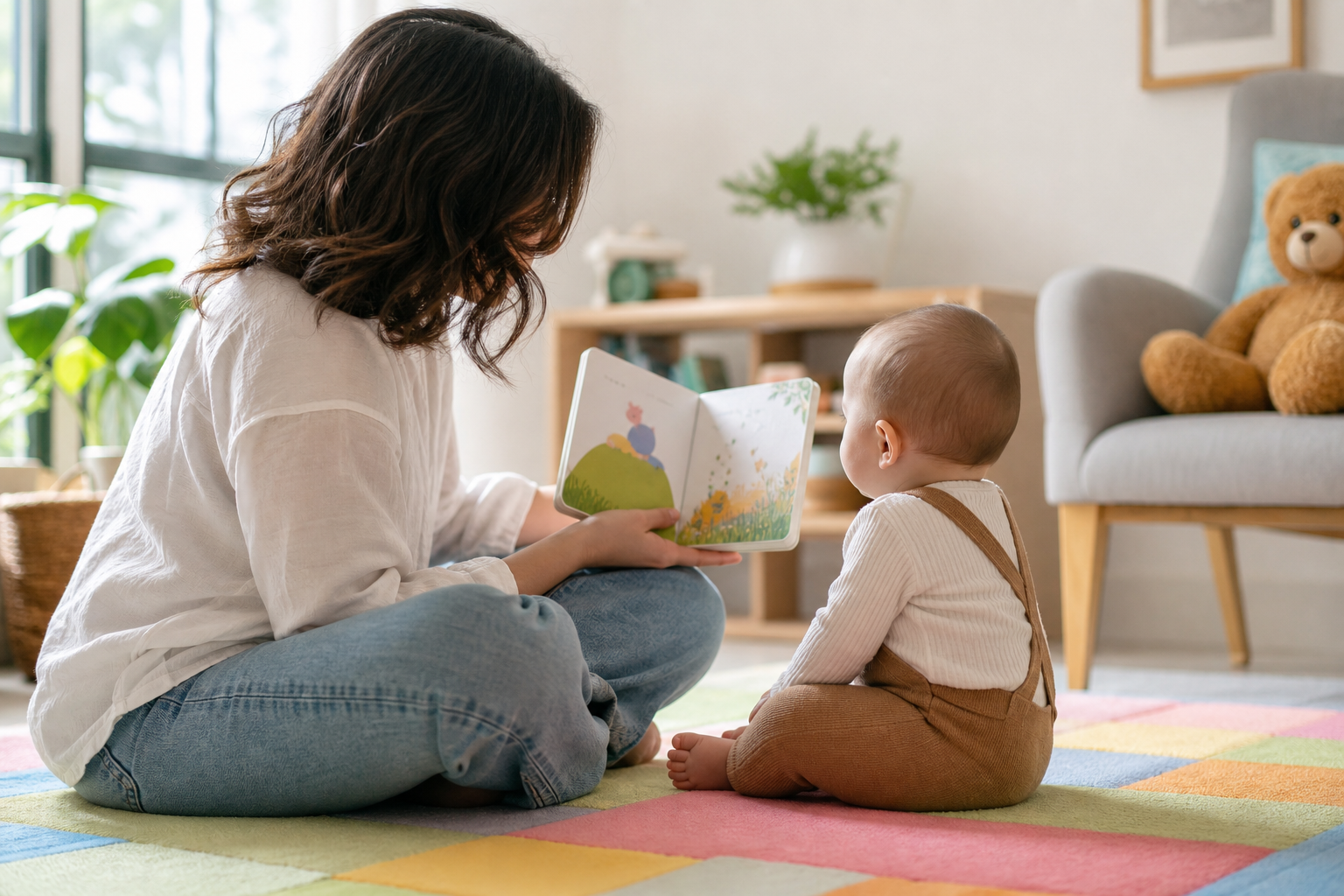
What baby language milestones happen from birth to three months?
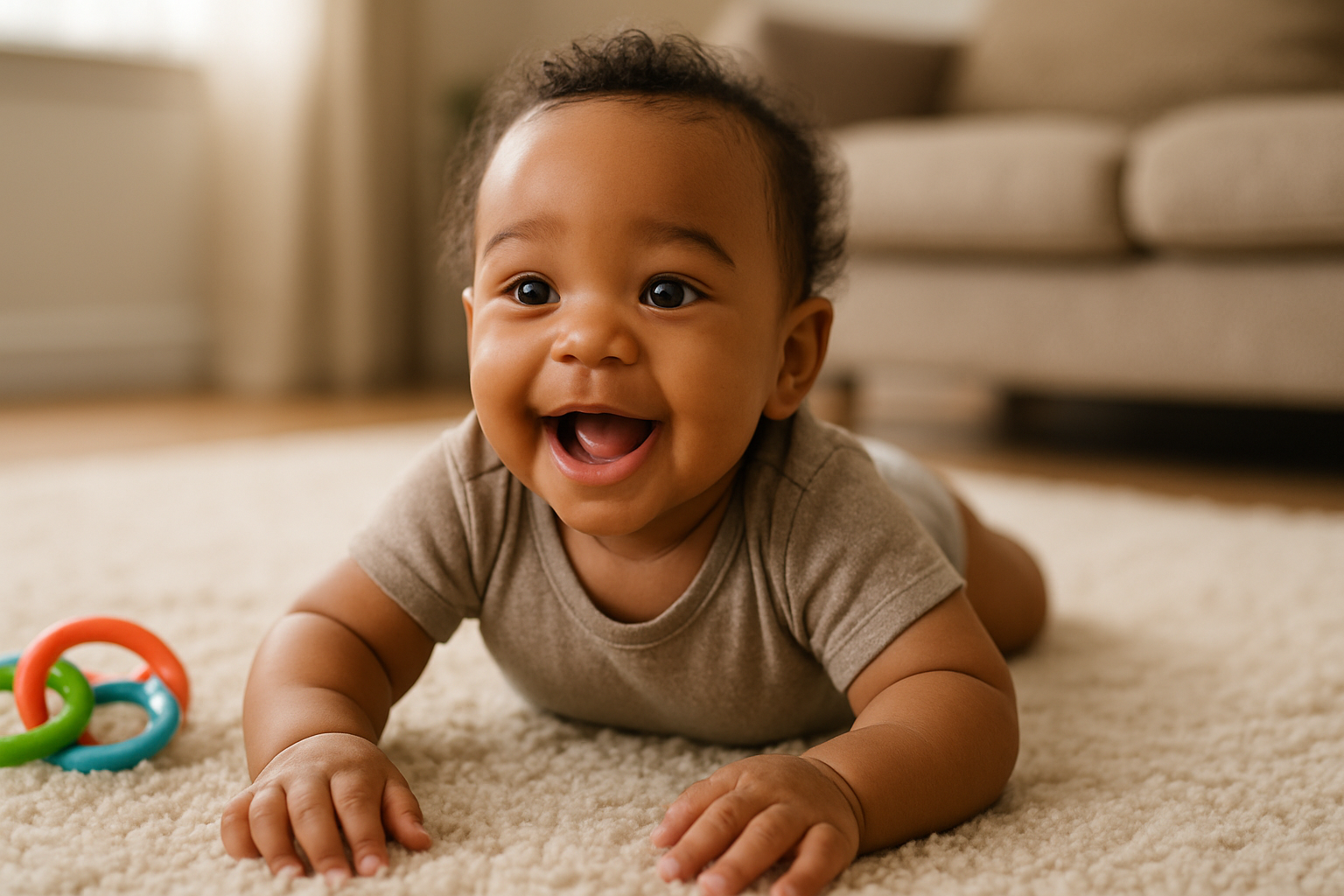
From birth to three months, the article says communication includes sounds, hearing, and understanding. Babies may coo, cry to get needs met, recognize familiar voices, smile, react to noises, and change sucking speed when they hear sounds.
When do babies start babbling and responding to sounds?
Around four to six months, many babies begin turning their eyes toward sounds, making babbling noises, reacting to changes in tone, and responding to music, television, or toy sounds. The article frames this as an early stage of expressive communication.
When do babies usually say first words or follow simple requests?
Between seven months and one year, the article says many babies begin games like peek-a-boo, make more word-like sounds, and may try simple words such as “Da Da” or “Bye Bye.” From one to two years, many children point to familiar objects, ask questions, follow simple commands, and combine more than one word.
Should I worry if my baby misses a language milestone?
The article reminds parents that children develop speech at their own rate, so the timeline is only an estimate. If you feel your child is not experiencing language milestones appropriately, discuss your concerns with a pediatrician, who can arrange testing for speech, hearing, or developmental delays if needed.

Maya Bennett
Latest posts by Maya Bennett (see all)
About the author

Maya Bennett
Meet Maya Bennett Maya Bennett is a pregnancy and parenting writer and a mom of two. After navigating two very different pregnancies of her own — and years spent reading, researching, and trading stories with other expectant parents — she fell in love with helping families feel ready for what's ahead. At More4Kids, Maya turns the big questions and quiet worries of pregnancy into warm, practical guidance, from the first positive test through the tender early days with a newborn. She believes every parent-to-be deserves clear answers and a little reassurance along the way.




Add Comment