












by Patricia Hughes
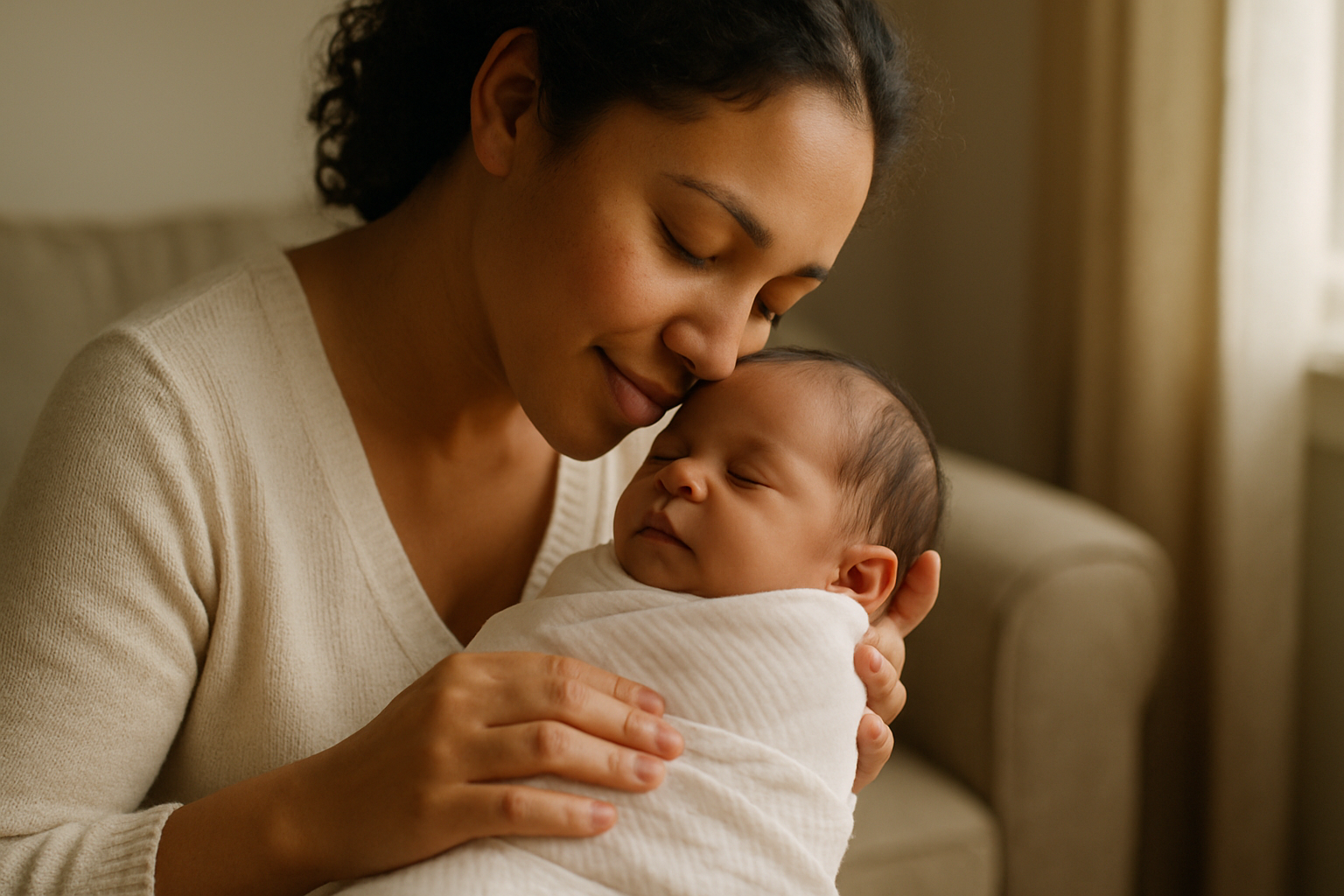
If your baby is born in the hospital, chances are she will be swaddled when she is given to you. Hospital nurses are masters of swaddling newborns. The reason behind the nearly universal use of swaddling in hospitals is the belief that babies sleep better and cry less when they are swaddled. Those adorable, jerky newborn motions interrupt sleep, leading to tears.The Benefits of Swaddling
Babies sleep longer: Babies are used to being snuggled tight in the womb. While being wrapped tightly in a blanket doesn’t sound great to most adults, it is for a new baby. Hospital nurses, friends and your mother will all tell you that babies do sleep better when they are wrapped. Less crying: The movements of his arms and legs cause the baby to startle. This is upsetting to the baby and causes over stimulation. When they are over stimulated, newborns cry in an attempt to block out the stimuli. When they are swaddled, the jerky arm and leg movements are kept to a minimum, resulting in less crying. Fewer scratches: Newborn nails are sharp and grow fast. Nearly all babies scratch their faces with those jerky movements in their sleep. When the baby is swaddled, she is less likely to scratch up her face the night before you have her portraits taken.How to Swaddle Your Baby
- Spread a receiving blanket flat on the bed or other flat surface.
- Fold one corner of the blanket over a few inches.
- Lay the baby with her head on the corner of the blanket you just folded.
- Wrap the left corner over his arm and body and tuck it under the other side of his body.
- Take the bottom corner and bring it up over his feet.
- Take the right corner and wrap it around his body and bring it around to the back.
- Only the baby’s head and neck should be exposed when you are finished.
What are the benefits of swaddling a newborn?
Swaddled babies tend to sleep longer and cry less. Newborns are used to the snug feeling of the womb, and swaddling mimics that comfort. Wrapping the arms and legs also minimizes the sudden jerky movements that startle babies and disrupt sleep, and reduces the chance of facial scratches from those sharp newborn nails.
How do I swaddle my baby correctly?
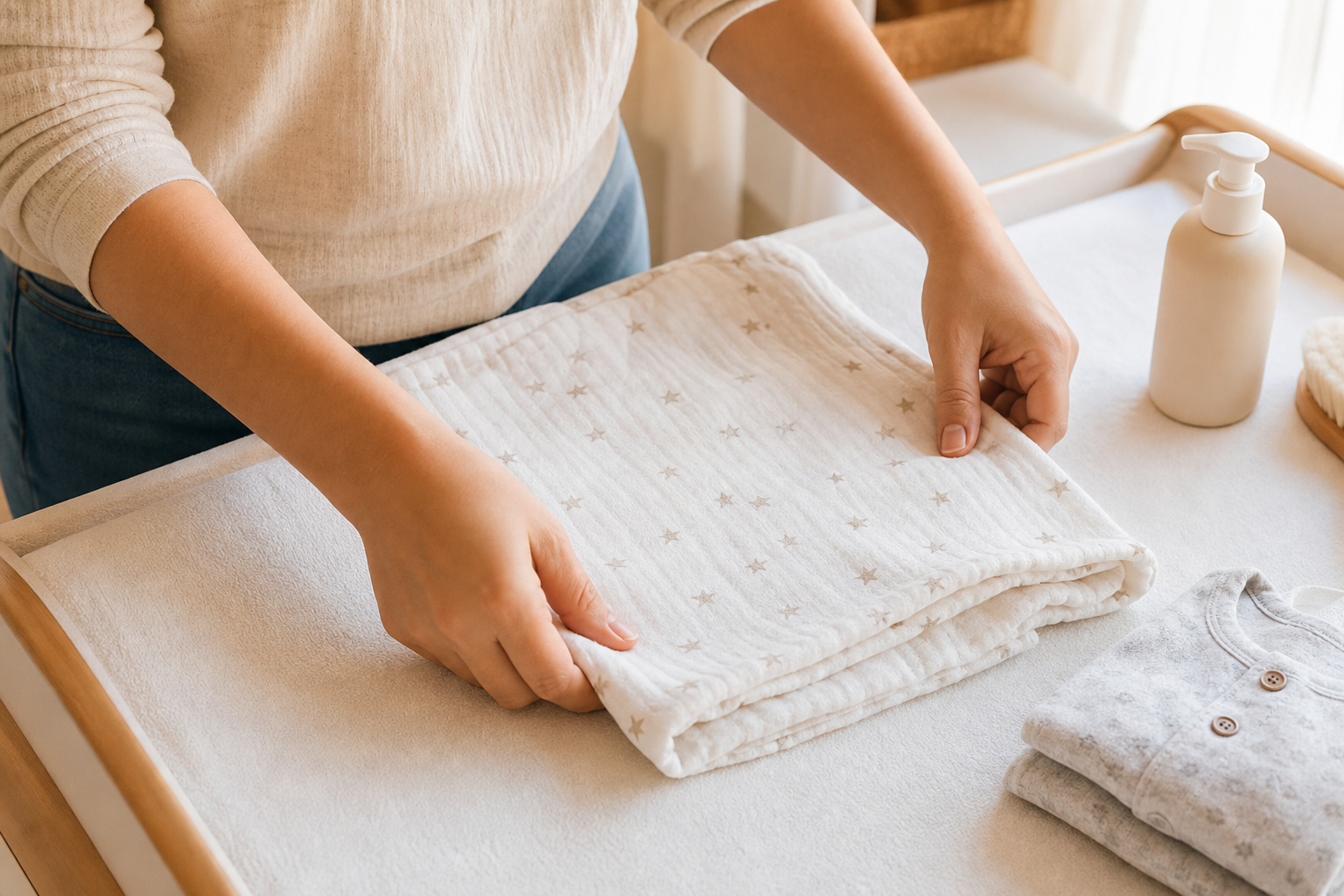
Spread a receiving blanket flat, then fold one corner over a few inches and lay your baby with her head on that folded edge. Wrap the left corner over her arm and body and tuck it under her opposite side. Bring the bottom corner up over her feet, then wrap the right corner around her body and bring it to the back. Only the head and neck should be exposed when you are done.
Are there any risks to swaddling a baby?
Research is mixed. While a 2002 Washington University study found swaddled babies slept better and longer, other studies noted a higher rate of pneumonia in babies who were swaddled extensively. Earlier research also raised concerns about hip joint development from prolonged tight swaddling. Using swaddling at sleep times and leaving your baby unswaddled when awake lets you balance the benefits while limiting any potential risks.
When should I stop swaddling my baby?
Most parents begin easing out of swaddling when their baby starts showing signs of rolling over, since a swaddled baby who rolls cannot easily push up. While many people stop after a few months, some research suggests the practice can have benefits beyond the newborn stage. Transition gradually when your baby starts to resist the wrap or regularly breaks free of it.

Patricia Hughes
Latest posts by Patricia Hughes (see all)
About the author

Patricia Hughes
Patricia Hughes is a freelance writer and mother of four. Patricia has a Bachelor’s Degree in Elementary Education from Florida Atlantic University. She has written extensively on pregnancy, childbirth, parenting and breastfeeding. In addition, she has written about home décor and travel.




Add Comment