















by Dr. Caron Goode
 Perseverance – the art of going on at all costs
Part of good parenting is helping your children to develop the skills required to persevere in a task and see it through will hold them in good stead in all walks of life. Whether the situation requires physical endurance or emotional maturity, the ability to ‘go on’ ensures success.
There are various points to keep in mind while modeling and encouraging this skill in younger kids.
Have the confidence that it can be done
Many people are unaware of the power of the mind and self-suggestion. If you believe that it can be done, it surely can be. To ensure that your child has the confidence to take on tasks and see them successfully to their completion, demonstrate your faith in their ability to do so.
Honest feedback and support along the way
Positive and honest feedback goes a long way in boosting confidence or helping your child see situations realistically. At times when the task appears overwhelming, you can show support in several ways. Affirmation helps in providing reassurance that what the child is doing is in the right direction. Your presence, even if silent, lends support. Being available to talk through obstacles puts problems into perspective.
Keep the end objective in mind
Not losing sight of the gratification at the end of the tunnel needs focus. Remind them of the goal every now and then. If your child is trying to learn the bicycle, talk through visualizing each step in his mind. Create images of him riding on the sidewalk on a breezy evening with his friends to motivate him. Imaging the end result helps him stay the course.
Work around obstacles
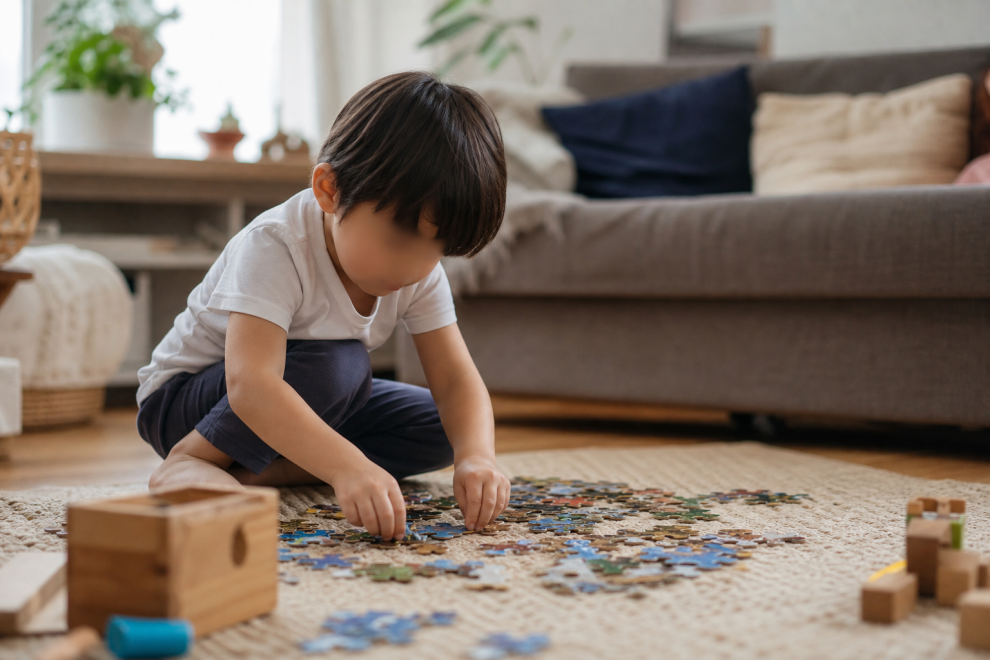
If a task seems incredibly unmanageable to start, break it into small achievable goals. For example, if your child is trying to put a large jigsaw puzzle together, start with creating a part of the picture that is complete by itself like a house or a tree for instance. For a child who is learning swimming, celebrate at each step when he learns to float, breathe, do proper leg movements and hand movements and ensure a grand finale when the whole task is achieved.
Adopting this approach ensures that at each step, there is a sense of achievement that infuses more confidence and the ability to move on to the next level.
Instill the resilience to overcome minor setbacks
There are bound to be some tough hurdles on first trials that diminish your child’s resilience or confidence. For instance, if your kid is taking part in a race, he may fall and lose his rank in the race. But does that mean he should give up the race and not complete it?
The importance of completing a task once undertaken should be stressed. A resilient child will get up and do his best to regain his lost position rather than giving up after a fall. Even if he does not eventually win the race, encourage his attempt and share with him the significance of having tried his level best.
Success comes to those who work for it! And this quality of perseverance can ensure that you child meets the goals that he sets out to achieve.
EDUCATION
Post Doctoral Work: (1996-1998) Institute of Transpersonal Psychology; focus on Women’s Psychology and on Wellness
Doctorate of Education: (1979-1983) The George Washington University, My degree is in Counseling Psychology, with the major, Human Development and Leadership and a minor in Special Education.
Masters of Communication: (1972-73) Our Lady of the Lake University, San Antonio TX. Major was language and minor was learning disabilities.
Bachelor of Science: (1971) Oklahoma University of Liberal Arts, Major was Speech Therapy and Deaf Education.
No part of this article may be copied or reproduced in any form without the express permission of More4Kids Inc © 2006
Posting Search Tags: Parenting Children Emotional Development
A mother of 5 shows how avoid some of the stumbling blocks and pitfalls. Her eBook, Parenting Secrets will not only help you, but also your children who will be able to grow up with the kind of coaching and mentoring they need from you in order to blossom to their fullest potential. You will also grow into your fullest potential as the wonderful parent you are. Judge for yourself, visit Parenting Secrets for more information.  |
How can I help my child develop perseverance?
Table of Contents
One of the most powerful things you can do is show genuine confidence in your child’s ability to see a task through. Offer honest support along the way — your calm presence, a word of affirmation, and being available to talk through obstacles all help your child feel that the goal is within reach, even when it feels hard.
What should I do when my child wants to give up?
Help your child keep the end goal in mind. For example, if they’re learning to ride a bike, talk through what it will feel like when they’re cruising down the sidewalk with friends. Breaking the task into smaller, more manageable steps also helps — each small win builds the confidence to move to the next level.
How do I teach my child to handle setbacks without giving up?
Emphasize the importance of finishing what you start. If your child falls in a race, encourage them to get up and keep going rather than quitting. Even if they don’t come in first, celebrate the attempt itself — learning to keep trying after a setback is one of the most valuable lessons a child can learn.
Is it helpful to break big tasks into smaller goals for kids?
Absolutely. When a task seems overwhelming, divide it into small, achievable steps and celebrate at each milestone. For instance, if your child is learning to swim, cheer when they learn to float, then when they master arm movements, and so on. Each step brings a sense of accomplishment that fuels the confidence to keep going.



This is helpful advice, and so true.
Parents can encourage a child to have the mindset to persevere beginning in infancy. When a baby is allowed to encounter some age-appropriate struggles (like rolling from back to tummy without assistance, sitting himself up all on his own, or finally grasping a toy that he has been reaching for while playing on the floor) he is deeply rooted in the knowledge that struggle is just a part of life. When we allow an infant these situations, he sees frustration as a path to achievement, not something to be feared or avoided.