Caring for your baby’s teeth is important, even though she will ultimately loose them all anyway. Preventing painful tooth decay is another good reason to clean baby’s teeth every day. Here are some basics of baby tooth care...
Caring for your baby’s teeth is important, even though she will ultimately loose them all anyway. The baby teeth act as spacers for the grown teeth. They also help babies eat a variety of food textures and help speech develop properly as baby grows. Preventing painful tooth decay is another good reason to clean baby’s teeth every day.
You don’t have to wait for the first tooth to sprout to begin good oral hygiene. You don’t need a toothbrush and toothpaste just yet. A soft washcloth or gauze is all you need to get started on the road to healthy dental habits. Dampen the washcloth with a bit of lukewarm water and gently wipe the gums, both upper and lower. The best time to do this is after a meal.
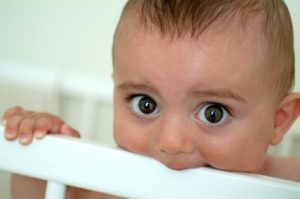
As baby gets older, you will be able to start using a toothbrush to clean the teeth. You can start with a toddler toothbrush at about one year of age. A good way to introduce the idea of the toothbrush is to let your baby watch you brush your teeth. Let your baby hold and even chew on the brush to get used to the feel of it in her mouth.
Sit with the baby on your lap for tooth brushing. Sometimes babies resist the toothbrush, especially for the back teeth. If this is a problem, start with the front teeth and gently move to the back teeth. Letting your child hold the brush with you and “help” you clean her teeth may also work.
Babies don’t really need toothpaste, a little water is fine. If you feel you really need to use toothpaste, avoid fluoride. There are infant toothpastes on the market which don’t contain fluoride. These are a good choice for toddlers who may need more cleaning since they are eating more solid foods.
Fluoride toothpastes are avoided for a few reasons. One is the danger of getting too much fluoride. If the baby drinks fluoridated water, takes vitamin supplements and uses toothpaste, this can lead to discoloration of the tooth enamel. After two years of age, toothpaste can be used, but teach your child to spit and not swallow. Fluoride rinses should be avoided until your child is in school, since toddlers and young kids will drink the liquid.
An important step to healthy teeth is getting regular dental care. You should start taking your child to the dentist as soon as she gets some teeth. The earlier and more often you visit the dentist, the fewer cavities your child will have. In addition, the baby will get used to the dentist and be less resistant to visits as she grows.
Cleaning your baby’s teeth is only part of the battle. To really encourage good oral hygiene and prevent cavities, pay attention to your baby’s diet. Avoid foods that are sugary or sticky on the teeth. These foods cause plaque to form, which leads to tooth decay.
One of the best things you can do for your baby is to breastfeed her. Breastfeeding helps encourage healthy jaw alignment, proper tooth alignment and prevents malocclusion. This may save you a fortune at the orthodontist’s office later in life.
When should I start cleaning my baby’s gums and teeth?
You don’t have to wait for the first tooth. Start oral hygiene before teeth appear by using a damp soft washcloth or gauze to gently wipe the upper and lower gums after meals. Once teeth come in, introduce a toddler toothbrush at around one year of age — let your baby hold it and chew on it first to get comfortable with the feel.
Should I use toothpaste on my baby’s teeth?
Babies don’t really need toothpaste — a little water works fine. If you prefer to use toothpaste, choose one formulated for infants without fluoride. Fluoride toothpaste is generally avoided until age two because babies tend to swallow rather than spit, and combining fluoridated water, supplements, and fluoride paste can lead to discoloration of the tooth enamel.
Why do baby teeth matter if they are going to fall out anyway?
Baby teeth serve important purposes beyond just chewing. They act as spacers that hold room for incoming permanent teeth, support proper jaw development, and help your baby eat a variety of food textures as she grows. They also play a role in speech development. Preventing painful tooth decay is a strong reason to clean them daily from the very start.
When should my baby have her first dentist visit?
Take your child to the dentist as soon as she gets her first teeth. The earlier and more regularly you start dental visits, the fewer cavities your child is likely to have. Starting early also helps your baby get used to the dentist, making future appointments much easier as she grows.
The time you spend caring for your baby’s teeth will benefit her long after childhood has ended. For more tips on dental care, visit the American Academy of Pediatric Dentistry
Meet Maya Bennett Maya Bennett is a pregnancy and parenting writer and a mom of two. After navigating two very different pregnancies of her own — and years spent reading, researching, and trading stories with other expectant parents — she fell in love with helping families feel ready for what's ahead. At More4Kids, Maya turns the big questions and quiet worries of pregnancy into warm, practical guidance, from the first positive test through the tender early days with a newborn. She believes every parent-to-be deserves clear answers and a little reassurance along the way.
Meet Maya Bennett Maya Bennett is a pregnancy and parenting writer and a mom of two. After navigating two very different pregnancies of her own — and years spent reading, researching, and trading stories with other expectant parents — she fell in love with helping families feel ready for what's ahead. At More4Kids, Maya turns the big questions and quiet worries of pregnancy into warm, practical guidance, from the first positive test through the tender early days with a newborn. She believes every parent-to-be deserves clear answers and a little reassurance along the way.












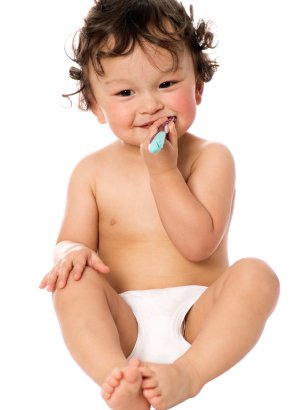
 Caring for your baby’s teeth is important, even though she will ultimately loose them all anyway. The baby teeth act as spacers for the grown teeth. They also help babies eat a variety of food textures and help speech develop properly as baby grows. Preventing painful tooth decay is another good reason to clean baby’s teeth every day.




Add Comment