










Choosing the right Sippy Cup
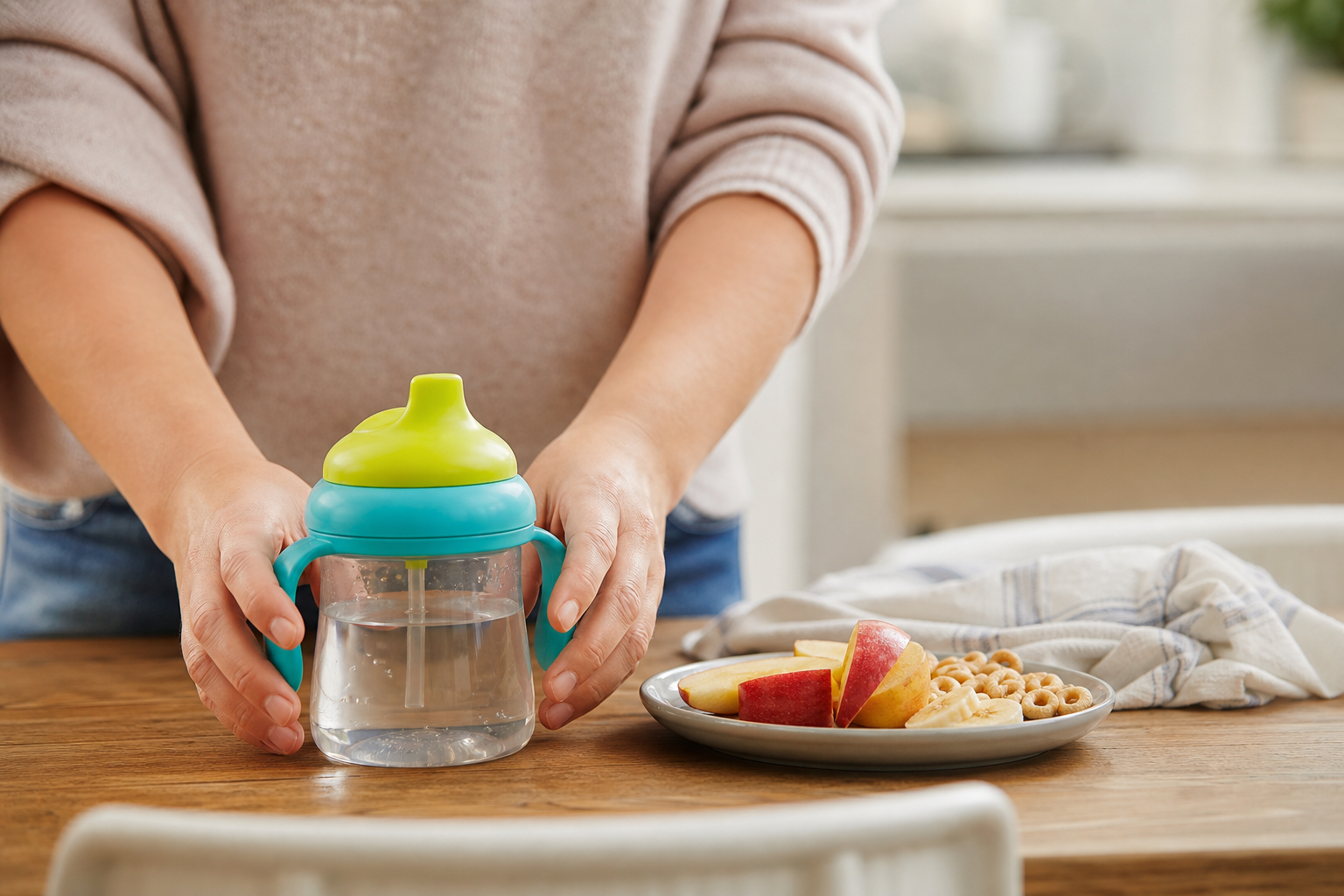
When you go shopping for a sippy cup, you will be amazed at the sheer number of choices. There are literally dozens of styles to choose from. The good news is that the type of cup isn’t really important. The choice will boil down to preference—– yours and your baby’s. Many parents prefer spill proof cups. These have a valve in the top of the lid that prevents liquid from spilling out if the cup is turned upside down. This is great news for your new sofa, but baby may have trouble learning to suck from it at first. With my younger babies, I took out the valve for the first few times, until they got the hang of it. Some sippy cups, often labeled as first cups, have a soft nipple on the top of the cup. These are easier to suck than the hard plastic lids on toddler cups, particularly for younger babies. Many parents find success with these soft lids, even after the baby has refused others.Introducing the Sippy Cup
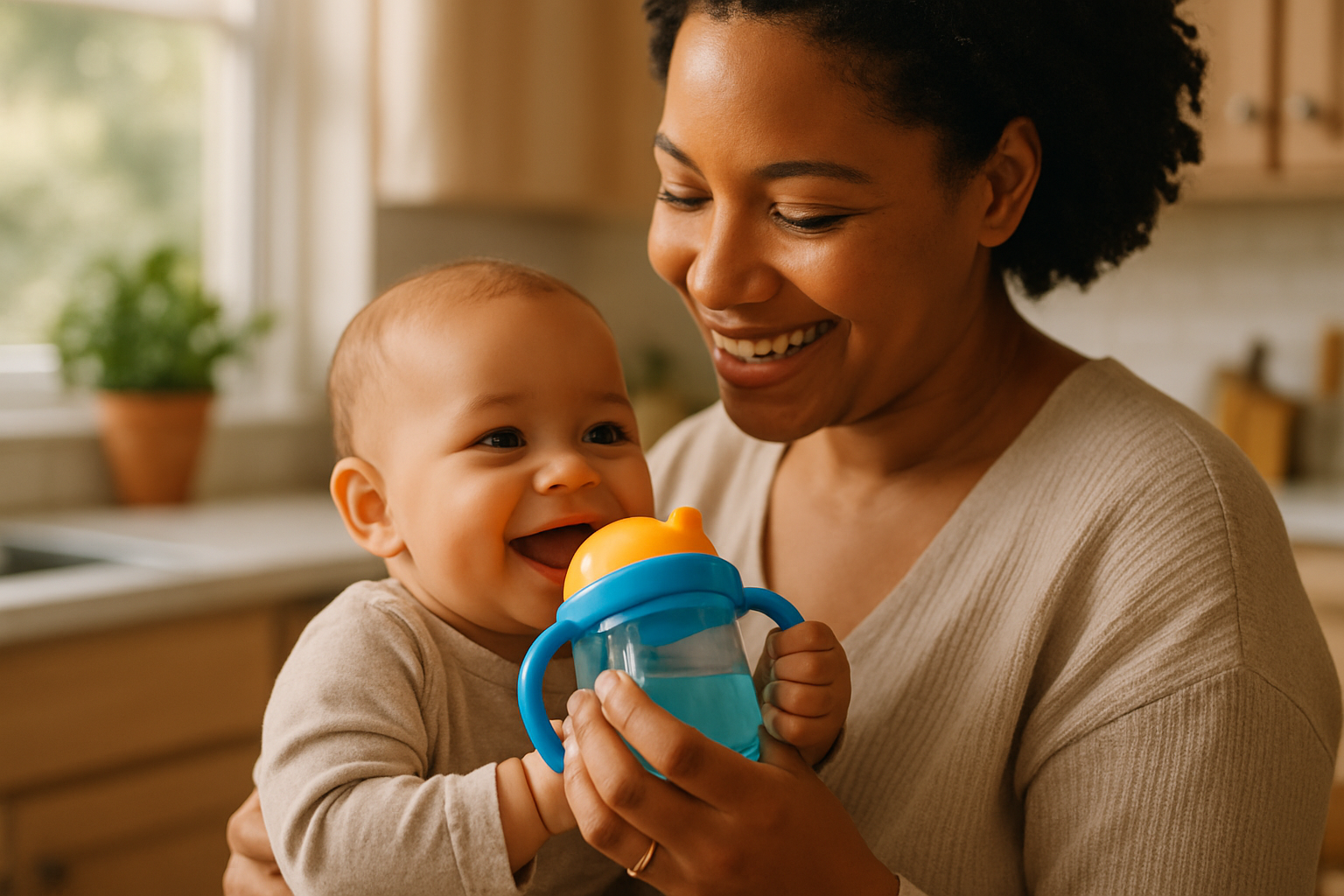
For best results, introduce the cup when baby is not hungry or tired. A tired or hungry baby will be in no mood to try something new. Show the baby how to use the cup or hold it for him at first. When choosing a liquid to put in the cup, pick something your child likes. For most babies, this will be breast milk or formula. For others, water or juice may work well. Don’t give your baby an unfamiliar liquid when you first introduce the sippy cup. The unfamiliar taste may cause the baby to reject it. What if Baby Refuses? Sometimes it is the type of cup that is causing the problem. Like bottle nipples or pacifiers, babies sometimes have a preference for a specific type of cup. Unfortunately, you have the difficult task of determining which cup to try next. In other cases, it has nothing to do with the cup. The baby just isn’t ready or interested yet. Despite what you may hear at playgroup, there isn’t a race to the sippy cup finish line. Put the cup away for a while and then try again.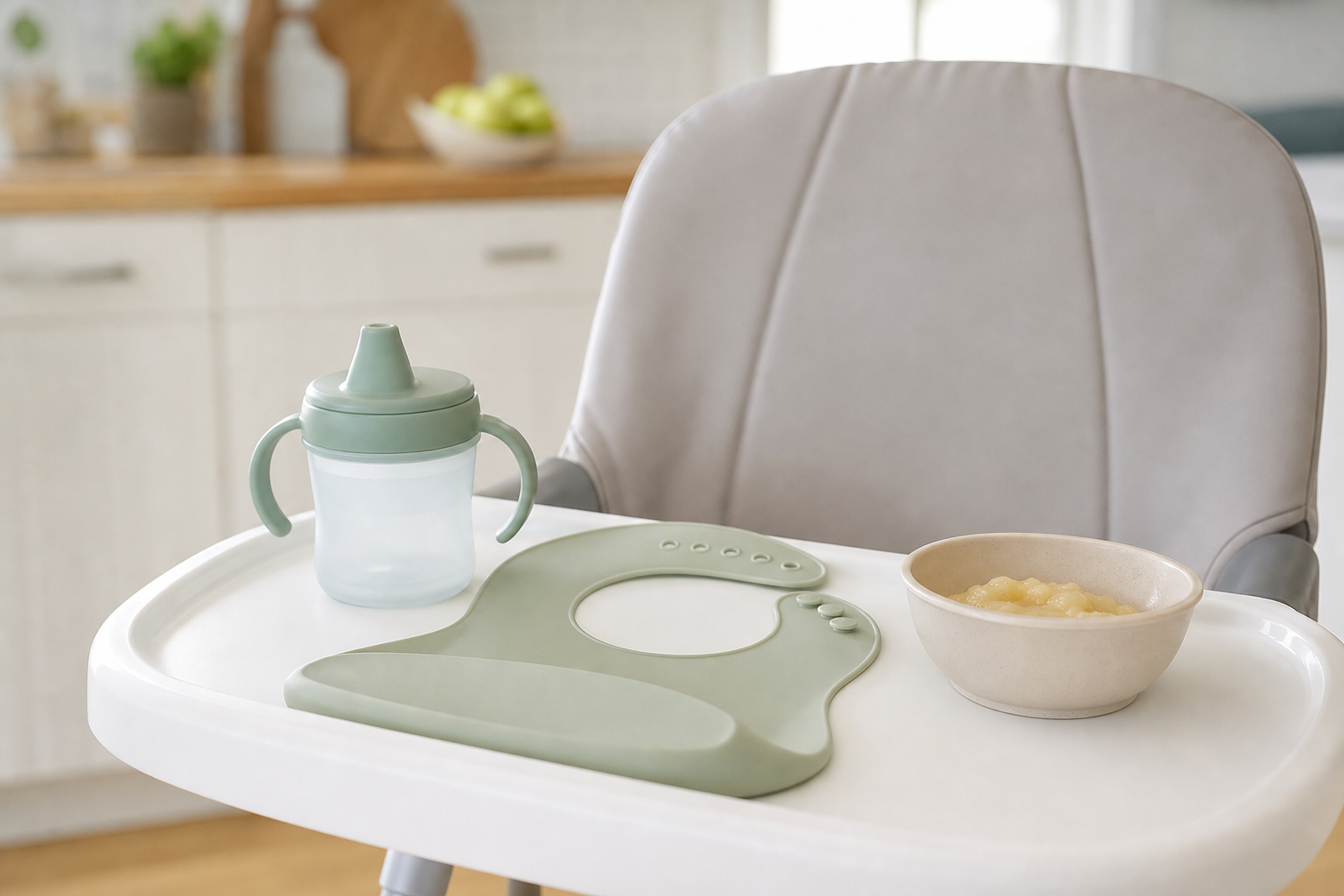
When should I introduce a sippy cup to my baby?
Most parents start introducing a sippy cup anywhere from six months to one year old, though some babies transition even earlier. There is no single right age — the best time depends on your baby’s readiness and interest. Many breastfed babies actually bypass the bottle entirely and go straight to the sippy cup.
What type of sippy cup is best for young babies?
The type of cup matters less than finding one your baby accepts. Many parents find that first cups with soft nipple-style tops are easier for younger babies than hard plastic lids. Spill-proof valves are convenient but can be harder to suck from — try removing the valve for the first few attempts until your baby gets the hang of the sipping motion, then reinsert it.
What should I put in the sippy cup when first introducing it?
Put something your baby already knows and loves — for most babies that means breast milk or formula. Introducing an unfamiliar liquid at the same time as an unfamiliar cup doubles the newness and often leads to rejection. Once your baby is comfortable with the cup, you can experiment with water or diluted juice.
What do I do if my baby keeps refusing the sippy cup?
First try a different style — babies can have strong preferences for cup types just like they do for bottle nipples or pacifiers. If the cup itself isn’t the issue, your baby may simply not be ready yet, and that is completely normal. Put the cup away for a few weeks and try again without making it a battle. There is no race to the sippy cup finish line.

Maya Bennett
Latest posts by Maya Bennett (see all)
About the author

Maya Bennett
Meet Maya Bennett Maya Bennett is a pregnancy and parenting writer and a mom of two. After navigating two very different pregnancies of her own — and years spent reading, researching, and trading stories with other expectant parents — she fell in love with helping families feel ready for what's ahead. At More4Kids, Maya turns the big questions and quiet worries of pregnancy into warm, practical guidance, from the first positive test through the tender early days with a newborn. She believes every parent-to-be deserves clear answers and a little reassurance along the way.




Add Comment