












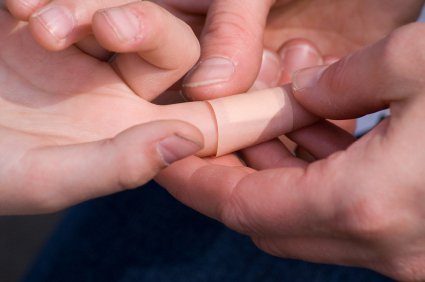
 You never know when the unexpected might happen, and with kids it usually does! Cuts, scrapes and bruises are a normal part of growing up. Whether it’s the recent rash of violent storms which have plagued our country, or unavoidable accidents in the home; having a first aid kit is essential to treat anyone in your family at a moment’s notice. Does your family have a first aid kit? If not, you can either buy a home kit or take a little time to put one together. Here are some items you will need:
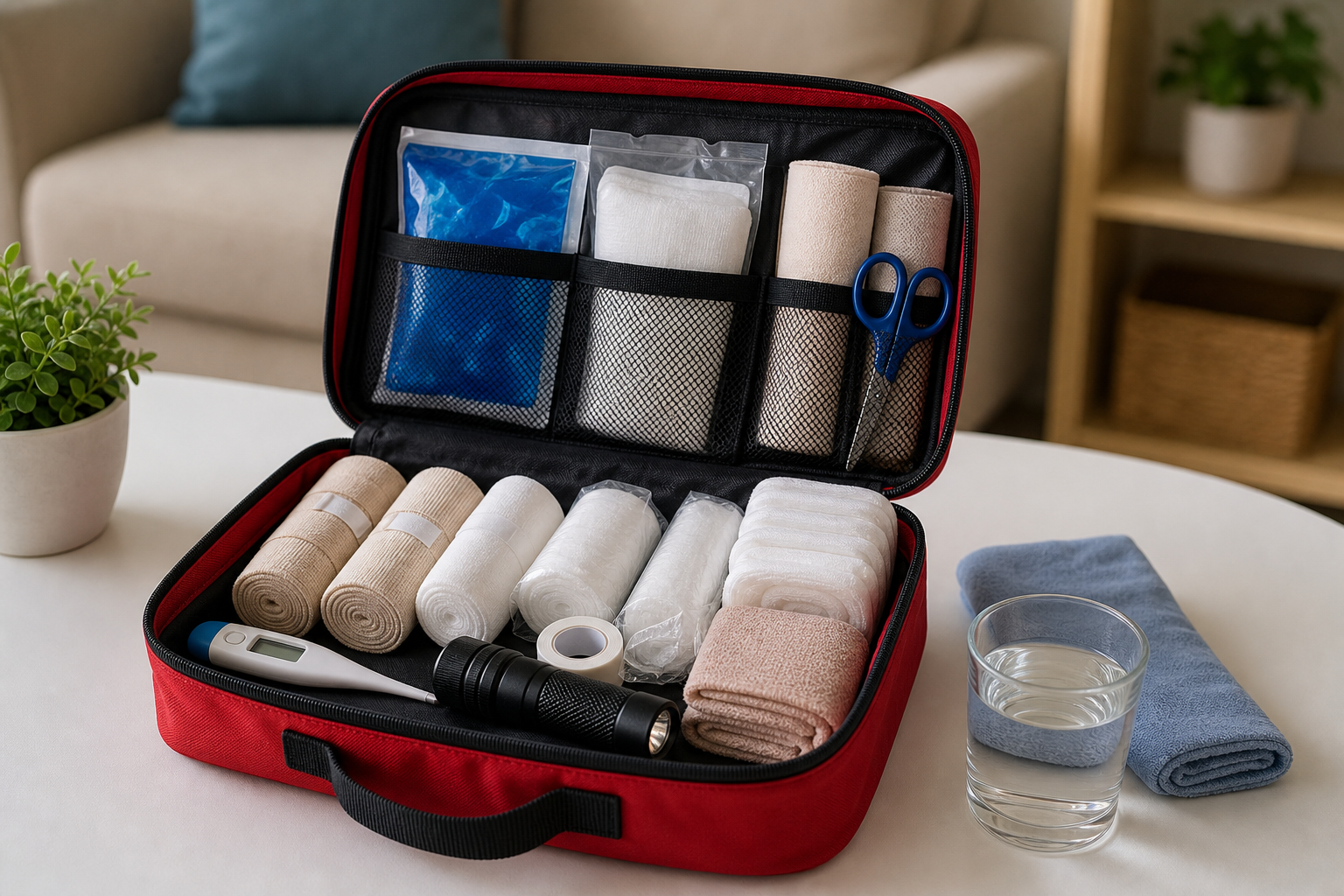
- Bandages of different sizes, including triangular
- Tape, preferably adhesive
- Alcohol wipes (which you can buy by the box)
- Antibiotic ointment or creams (Neosporin)
- Disposable Ice Packs
- Disposal latex gloves
- Gauze pads of various sizes (including a roll of self-adhesive gauze)
- Tylenol, Advil and Aspirin
- Ipecac
- Antihistamine
- Epinephrine
- Scissors
- Tweezers
- Safety Pins
While you may have most of these supplies in your medicine cabinet, it is a safety measure to be able to access these items if they were in one container. If there was an [tag-ice]emergency[/tag-ice], such as the recent one in Florida, this would be the first item you would need to grab as you exit your home. Or perhaps your child fell off his bike and is badly hurt, having this kit immediately available can same him a great deal of pain until you rush him to a hospital or clinic.
You can also add to the kit any items you feel necessary, or didn’t have in the past when confronted with a home accident, sudden illness, or child injury. If you’re local community offers a one day course on first aid, which also includes [tag-tec]CPR training[/tag-ice], it would be a good idea to participate. When faced with any life threatening situation at home, at least you will be prepared and have whatever you need to assist your loved ones.
What should be in a family first aid kit?
A well-stocked family first aid kit should include bandages of different sizes (including triangular), adhesive tape, alcohol wipes, antibiotic ointment, disposable ice packs, latex gloves, gauze pads in various sizes, Tylenol or Advil, antihistamine, scissors, tweezers, and safety pins. You can add any extra items that fit your family’s past experience with accidents or injuries at home.
Should I buy a pre-made first aid kit or build my own?
Both options work well. Pre-assembled home kits are convenient and cover the basics. Building your own lets you tailor the contents to your family’s specific needs — adding items you’ve found yourself needing in past situations that a standard kit might not include. Either way, the goal is to have everything in one accessible container.
Why is having a first aid kit so important when you have kids?
Children are especially prone to cuts, scrapes, and unexpected bumps, and emergencies can happen with very little warning. Having everything organized in a single grab-and-go container means you can act quickly whether it’s a bike fall in the driveway, a sudden illness, or a storm that requires you to leave the house in a hurry.
Where should I keep our family first aid kit?
Store it somewhere every adult in the household can quickly access — not tucked away in a hard-to-reach spot. In a home emergency, seconds count. Consider also taking a local first aid and CPR course so you know how to use what is in the kit when it matters most.

Latest posts by More4kids (see all)
- The Best Bedtime Stories for Kids, Grouped by Age - September 2
- Kids Jokes and Humor - August 27
- Parenting Teens: Helping Your Teenager Make Good Decisions - August 27